Skip to content
Americas

DTV Visa for Nicaraguan Citizens
For adventurous Nicaraguan professionals and digital nomads, Thailand is fast becoming a top choice for a life-changing move. Imagine swapping the heat of Managua and the colonial streets of Granada for the beaches of Phuket, the temple-lined lanes of Chiang Mai, or the electric energy of Bangkok — all while your córdobas stretch further than you ever thought possible. The Destination Thailand Visa (DTV) is a five-year, multiple-entry visa built for remote workers, and our team prepares and submits the whole application for you while you stay in Nicaragua. With world-class street food, fast internet, and a welcoming expat community, the Land of Smiles blends work and wonder.

Every Nicaraguan citizen is eligible to apply

5

Years validity

180

Days per entry

500k

THB proof of funds

$139

Service fee from

100%

Refund if denied*

Why Nicaraguan citizens choose Thailand

Living in Thailand from Nicaragua

Section 01

Why Nicaraguan Citizens Are Choosing Thailand

Nicaragua's lakes, volcanoes and laid-back Pacific coast are hard to beat, but many Nicaraguans are looking for a fresh lifestyle and a wider runway for remote careers. Thailand delivers on several fronts: a low cost of living paired with modern amenities, dependable healthcare, and infrastructure tuned for online work. Both countries share a tropical climate, but Thailand adds genuine variety — the cool northern highlands around Chiang Mai, the islands of the Andaman and the Gulf, and the round-the-clock buzz of Bangkok. Add ancient temples, vast night markets and one of the world's most celebrated cuisines, and the appeal is obvious. The DTV turns that appeal into a practical, five-year plan rather than a string of short tourist stays.

DTV at a glance

The Destination Thailand Visa is valid for 5 years with multiple entries. Each entry allows a stay of up to 180 days, extendable once for a further 180 days. You apply from outside Thailand, and our team prepares and submits everything for you. Service starts from $139, with a 100% refund if your application is denied (with the optional Denial Protection add-on).

Section 02

Cost of Living: Nicaragua vs Thailand

The córdoba (NIO) goes a long way at home, but Thailand often delivers more for the same money — especially on housing and eating out. Here is how everyday spending compares between Nicaraguan cities and popular Thai hubs:

  • Rent: A modern one-bedroom in central Managua runs roughly $400–$550, while a comparable apartment in Chiang Mai is often $250–$400, frequently with a pool and gym. Bangkok and Phuket sit higher, closer to $500–$800.
  • Dining: A mid-range restaurant meal in Nicaragua averages $8–$12; in Thailand a fresh, filling local meal is $3–$5, and street-stall classics like pad thai or a bowl of noodles can cost under $2.
  • Coworking: A monthly hot-desk in Managua is about $100–$150; in Bangkok or Chiang Mai expect $70–$120 for faster internet and a much larger nomad scene.
  • Transport: Bangkok's BTS Skytrain and MRT metro are clean and efficient, with most rides costing roughly $1–$1.50; a short motorbike-taxi hop is often under $2.
  • Bottom line: a single person can live comfortably in Thailand on about $900–$1,400 per month, broadly in line with — and often below — the cost of a Western-comfort lifestyle in Managua.

Did You Know?

Chiang Mai is regularly ranked among the world's best cities for digital nomads, thanks to its mix of affordability, culture and abundant coworking spaces — a natural landing spot for Nicaraguan remote workers.

Section 03

Getting to Thailand from Nicaragua

Departing from Augusto C. Sandino International Airport (MGA) in Managua, you'll connect through a major hub before the long-haul leg to Bangkok. The most common routings go via Panama City (Copa Airlines) or a US gateway such as Houston, Miami or Los Angeles, then onward to Suvarnabhumi (BKK) or Don Mueang (DMK). There are no direct flights, and total travel time typically runs 26 to 32 hours depending on layovers and the trans-Pacific or trans-Atlantic path your itinerary takes.

Nicaragua stays on Central Standard Time (UTC-6) all year, with no daylight saving. Bangkok is UTC+7, putting Thailand 13 hours ahead of Managua. For remote workers this is workable: when it's noon Monday in Managua it's 1:00 AM Tuesday in Bangkok, so a Nicaraguan client's afternoon lands in your late evening — ideal for a daily check-in window and asynchronous work the rest of the time.

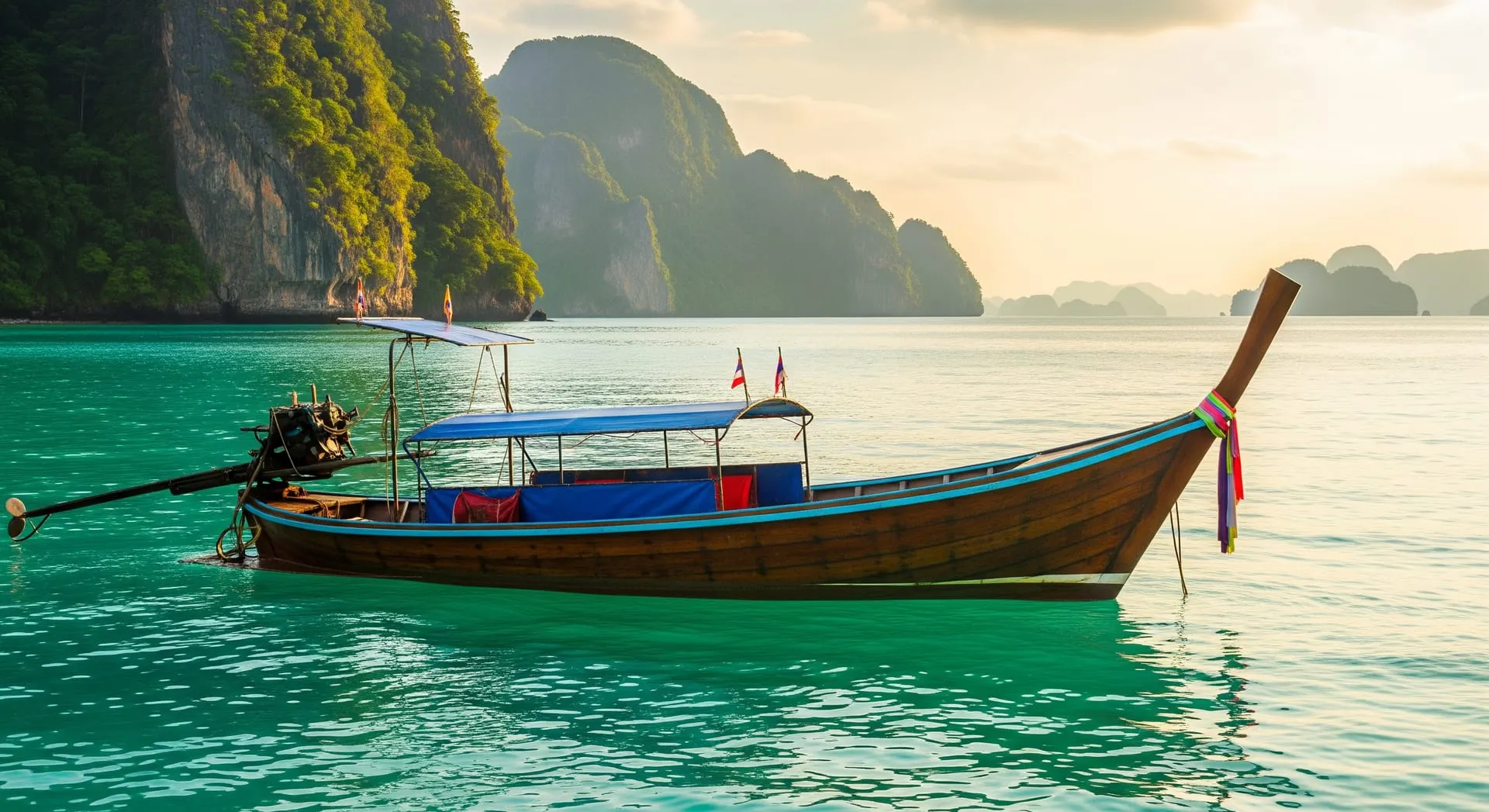
Daily life in Thailand — where Nicaraguan citizens settle on the DTV
Life in Thailand — your home base on the 5-year DTV
Section 04

Where to Settle in Thailand

Most Nicaraguans gravitate toward a handful of bases that balance cost, connectivity and community:

  • Bangkok: The capital for those who want big-city energy, a deep food scene, top hospitals and the best regional flight links for weekend trips around Southeast Asia.
  • Chiang Mai: A relaxed northern city famed for low costs, cooler hill air and the largest digital-nomad community in the country.
  • Phuket and the southern islands: Beach life, water sports and an international crowd — the tropical coastline that will feel familiar to anyone who loves Nicaragua's Pacific shore.
  • Koh Lanta and Koh Phangan: Smaller, quieter islands with seaside coworking and tight-knit expat circles for those who want calm over crowds.
Section 05

Money & Banking from Nicaragua

Managing money across continents is straightforward. Most Nicaraguans keep their local accounts active and use international transfer services to move funds. Wise (formerly TransferWise) and PayPal are popular for converting córdobas (NIO) to Thai baht (THB) at competitive rates, and many expats later open a Thai account — Bangkok Bank and Kasikornbank are common — for day-to-day spending once they are settled.

ATMs are everywhere in Thailand, but most foreign cards are charged a fixed fee of around 220 THB per withdrawal on top of your bank's costs, so larger, less frequent withdrawals make sense. A debit card that refunds foreign ATM fees can pay for itself quickly. For the DTV itself, the key financial requirement is showing personal funds of 500,000 THB (~$15,000) , which we'll explain how to evidence cleanly.

Smart Money Tip

Open a Wise multi-currency account before you leave Nicaragua. You can hold, convert and spend THB directly, sidestep heavy conversion spreads at local banks, and keep a clean record of the funds you may want to reference for your visa.

Section 06

Documents & Translation for Nicaraguan Applicants

Nicaragua's official language is Spanish, so your Spanish-language supporting documents — bank statements, an employment or client letter, and any qualification certificates — will likely need a certified English (or Thai) translation to be accepted. This is one of the most common things first-time applicants overlook, and getting it right up front keeps everything moving.

The good news is that you don't have to navigate this alone or set foot in Thailand to do it. You apply from outside the country, and our team prepares, reviews and submits the entire application on your behalf — including telling you exactly which documents need translating and how to present your proof of funds. We handle the paperwork so you can focus on planning the move.

  • A passport valid for the duration of your intended stay.
  • Proof of personal funds of 500,000 THB (~$15,000), typically via recent bank statements.
  • Evidence of remote work or freelance income generated outside Thailand (employment letter, contracts, or client agreements).
  • Certified English or Thai translations of any Spanish-language documents.
  • Passport-style photos and the standard application details, all compiled and submitted by our team.
Section 07

Daily Life & Community

Thailand consistently ranks among the safer places to live in Asia, and violent crime in the neighborhoods where expats cluster is rare. Healthcare is a major draw: private hospitals such as Bumrungrad and Bangkok Hospital offer excellent care at a fraction of US prices, and many staff speak English. Internet is another highlight — fast fiber is widespread in the cities and reaches well into smaller towns, which matters when your income depends on a stable connection.

Thai cuisine needs no introduction, and international supermarkets keep homesickness at bay when you crave a taste of home. The Nicaraguan community is small but warm and growing within the wider Latin American scene. Facebook groups such as "Latinos in Bangkok" and "Nicaragüenses en el extranjero" are good for meetups, Spanish-language events and practical tips — from where to find decent gallo pinto ingredients to which neighborhood fits your budget.

Community Spotlight

Bangkok's Latin American crowd often gathers around the Thonglor and Ekkamai districts, where salsa nights and Spanish-language meetups make it easy for Nicaraguans to find familiar company.

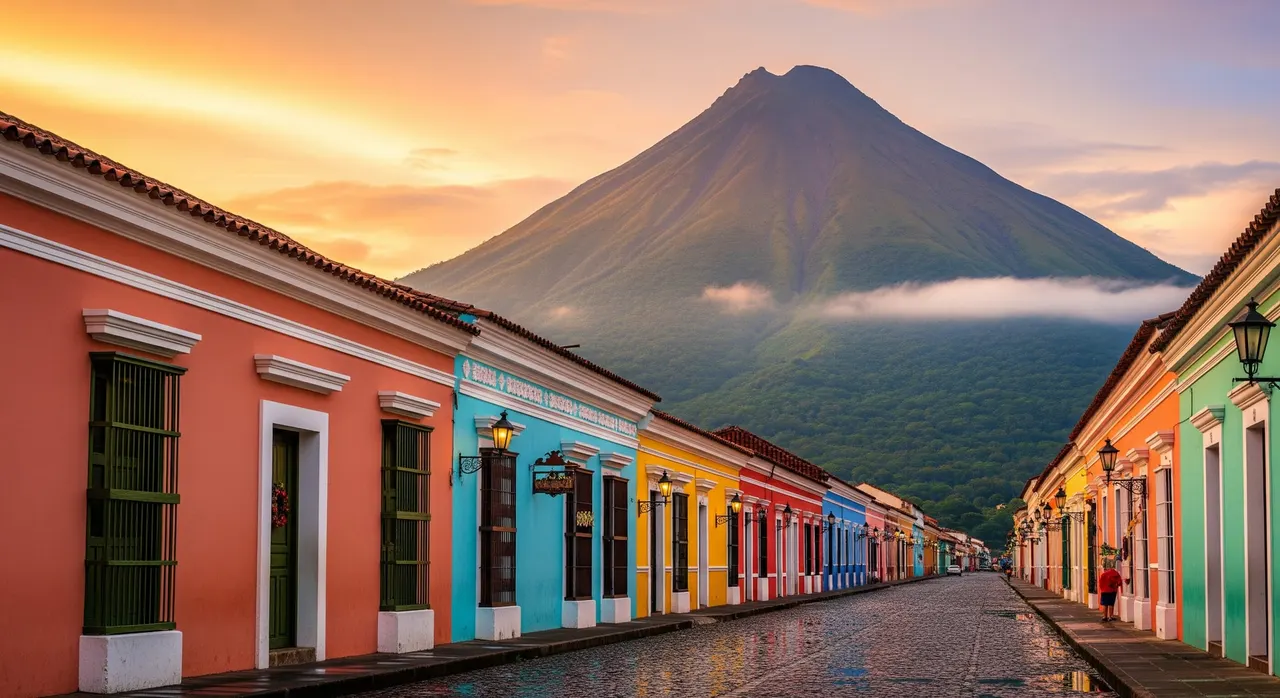
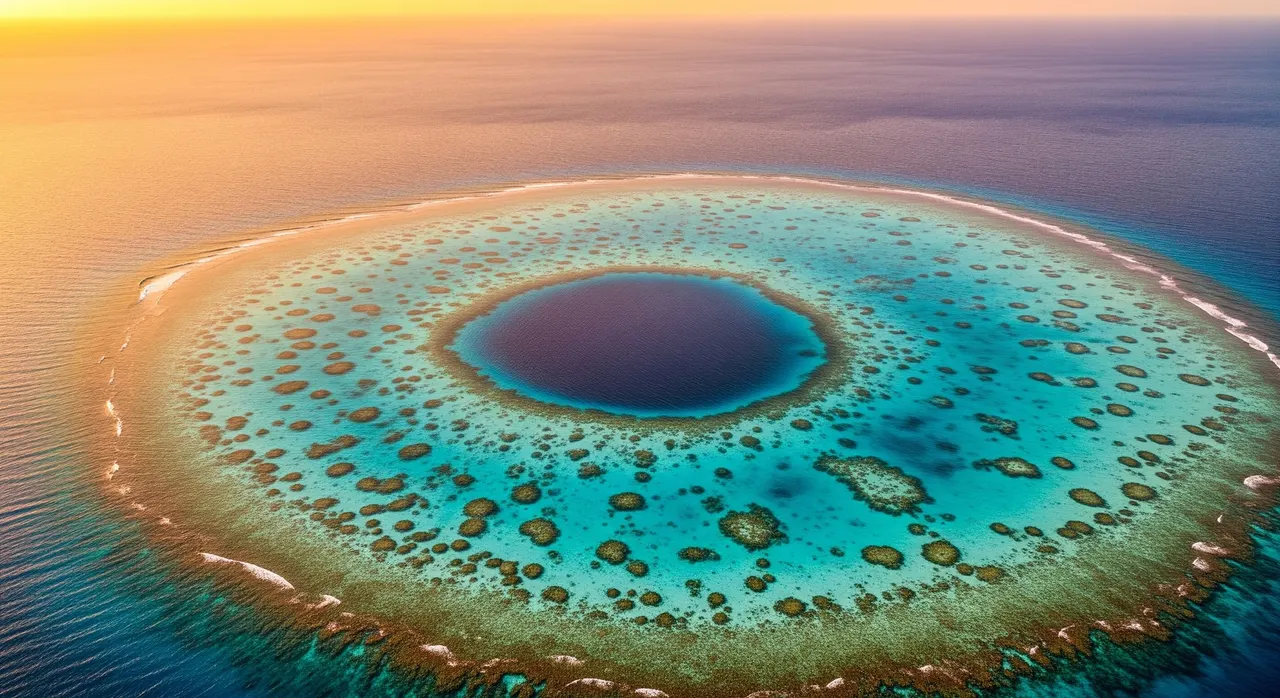
Nicaragua — your starting point before relocating to ThailandNicaragua
From Nicaragua to Thailand

Make the move from Nicaragua

Trade Nicaragua for up to five years in Thailand on the DTV. We prepare and submit your entire application from wherever you are — proof of funds, category evidence and passport — so you can focus on the move, not the paperwork.

Check eligibility
Step by step

How Nicaraguan citizens apply for the DTV

1

Check you qualify

Almost every nationality can apply. Take our free 60-second eligibility checker to confirm your route — remote work, soft power, medical or family.

2

We prepare everything

We assemble and review your documents: proof of 500,000 THB (~$15,000), your category evidence and passport — so nothing gets rejected.

3

We submit for you

You apply from outside Thailand. We file at a Thai embassy or consulate (such as Hanoi, Ho Chi Minh, Jakarta, Vientiane or London) within one business day.

4

Get approved & move

On approval you get the 5-year, multiple-entry DTV — up to 180 days per stay, extendable once. Then make Thailand home.

Questions

DTV FAQ for Nicaraguan citizens

What is the Destination Thailand Visa (DTV) for Nicaraguan citizens?

The DTV is a 5-year, multiple-entry visa that lets Nicaraguan nationals live in Thailand while working remotely. Each entry allows a stay of up to 180 days, which can be extended once for a further 180 days, so you can come and go freely over the life of the visa.

How much money do I need to show for the DTV application?

You need to show proof of personal funds of 500,000 THB (about $15,000), typically through recent bank statements held in your own name. Our team explains exactly how to present this so it is clear and acceptable.

Can I work for a Nicaraguan employer while in Thailand on this visa?

Yes. The DTV is built for remote workers and digital nomads. You can legally work for a company or clients in Nicaragua or anywhere else in the world, as long as the income is generated outside Thailand.

How do I apply for the DTV from Nicaragua?

You apply from outside Thailand, so you can complete the whole process while still in Nicaragua. Our team prepares, reviews and submits the entire application for you, including translation guidance. Service starts from $139.

How long is the flight from Nicaragua to Thailand?

There are no direct flights. Routing from Managua (MGA) to Bangkok usually goes via Panama City or a US gateway such as Houston or Miami, with total travel time of roughly 26 to 32 hours depending on connections.

What is the time difference between Nicaragua and Thailand?

Thailand is 13 hours ahead of Nicaragua. When it is noon Monday in Managua, it is 1:00 AM Tuesday in Bangkok. The gap suits remote workers who can take Nicaraguan calls in their evening and work asynchronously the rest of the day.

Is the cost of living in Thailand really cheaper than in Nicaragua?

On many fronts, yes — particularly housing and eating out. A comfortable lifestyle that might cost well over $1,200 a month in Managua can often be maintained for under $1,000 in a city like Chiang Mai, with perks like modern gyms and faster internet included.

Do my Nicaraguan documents need to be translated?

Most likely, yes. Because Nicaragua's official language is Spanish, any Spanish-language bank statements, letters or certificates will usually need a certified English or Thai translation to be accepted. We tell you precisely which documents this applies to.

Are there Nicaraguan communities in Thailand?

The Nicaraguan community is small, but it sits within a friendly wider Latin American scene in Bangkok, Chiang Mai and the islands. Spanish-language Facebook groups and regular meetups make it easy to connect and find a taste of home.

What happens if my DTV application is rejected?

With the optional Denial Protection add-on, you receive a 100% refund of our service fee if your application is denied. We prepare every application carefully to give you the strongest possible case.

Ready to move to Thailand from Nicaragua?

Check your eligibility in under a minute, or let our team prepare and submit everything — with a 100% refund if your application is denied (with the optional paid Denial Protection add-on).