Skip to content
Europe

DTV Visa for Dutch Citizens
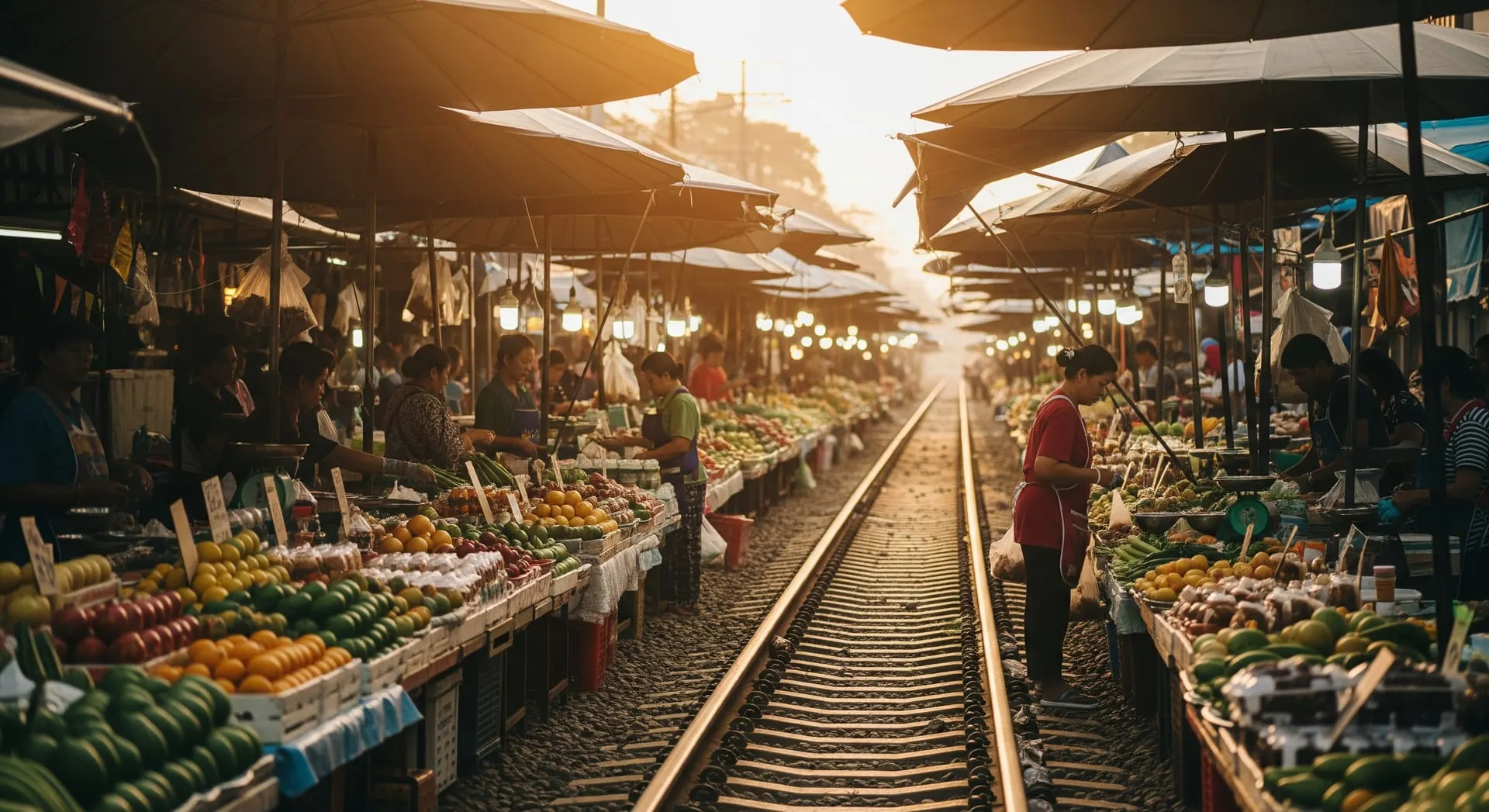
For Dutch citizens weary of long winters, high living costs, and the relentless pace of the Randstad, Thailand offers a sun-soaked alternative that is both financially liberating and culturally enriching. With the Destination Thailand Visa (DTV), remote workers, freelancers, and digital nomads from Amsterdam to Maastricht can swap their OV-chipkaart for a scooter on a tropical island while keeping their career on track. The DTV is a five-year, multiple-entry visa that lets you stay up to 180 days per entry, extendable once in-country for a further 180 days.

Every Dutch citizen is eligible to apply

5

Years validity

180

Days per entry

500k

THB proof of funds

$139

Service fee from

100%

Refund if denied*

Why Dutch citizens choose Thailand

Living in Thailand from Netherlands

Section 01

Why Dutch Citizens Are Relocating to Thailand

It is no secret that many Dutch nationals are drawn to Thailand's warm climate, lower cost of living, and relaxed pace. After years of drizzle and grey skies over the polders, the idea of waking up to reliable sunshine is a powerful lure. The Dutch, known for their practicality and international outlook, find Thailand's blend of modern infrastructure and exotic charm a natural fit. Whether you are a freelancer from Utrecht tired of cramped co-working spaces, a remote developer in Eindhoven, or an entrepreneur from Rotterdam seeking a change of scenery, Thailand provides the room to live better for less without sacrificing connectivity or comfort. The DTV finally gives this lifestyle a proper legal footing: you keep earning from your Dutch or international clients while basing yourself somewhere the BTW receipts are a lot smaller.

Section 02

Cost of Living: How Far Your Euro Goes in Thailand

The gap between Dutch and Thai prices is the single biggest reason most people make the move. Housing is the headline saving. A modern one-bedroom apartment in central Chiang Mai often rents for the equivalent of EUR 300 to 450 a month, against EUR 1,300 to 1,900 for a comparable place inside the ring in Amsterdam, Utrecht, or Den Haag. Eating out follows the same pattern: a plate of pad thai or a rice dish from a local kitchen runs around 50 to 70 THB (roughly EUR 1.30 to 1.80), while the same lunch broodje or restaurant meal back home rarely leaves change from EUR 12 to 20.

Rough Monthly Costs: Netherlands vs. Thailand

One-bedroom city-centre rent: EUR 1,300-1,900 in the Netherlands vs EUR 300-450 in Chiang Mai. Local restaurant meal: EUR 12-20 vs EUR 1.30-3. Domestic beer: EUR 5-6 vs EUR 1.50-2. Monthly co-working desk: EUR 200-300 vs under EUR 100. Many Dutch remote workers report living comfortably on a third to half of their Randstad budget.

Day-to-day spending stays low too. A scooter rental, fast fibre internet, a SIM with generous data, and a gym membership together often cost less than a single Dutch utility bill. Cash is still king for street food and markets, and ATM withdrawals typically carry a fixed fee of around 220 THB per transaction, so it pays to draw larger amounts less often.

Section 03

Getting to Thailand from the Netherlands
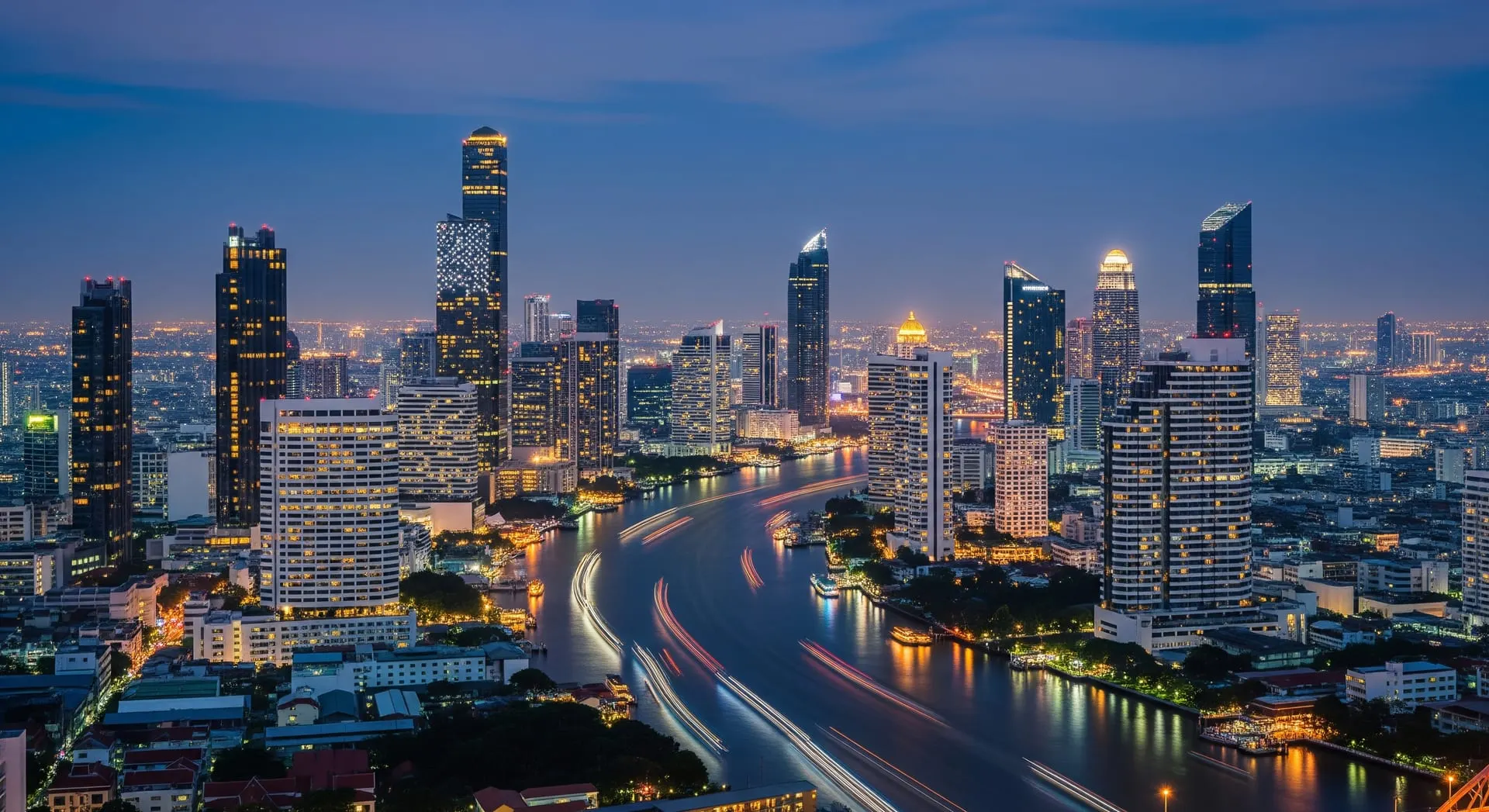
Travel between the two countries is straightforward and well served. Direct flights from Amsterdam Schiphol (AMS) to Bangkok Suvarnabhumi (BKK) take roughly 11 to 12 hours, with full-service carriers running the route year-round. If you are starting from Eindhoven, Rotterdam, or Groningen, a short connection through Schiphol or a Gulf hub such as Doha, Dubai, or Abu Dhabi keeps the total door-to-door journey to around 14 to 16 hours. Thailand runs on Indochina Time (ICT, UTC+7), which is 5 hours ahead of the Netherlands in summer (CEST) and 6 hours ahead in winter (CET).

Turn the Time Difference into an Advantage

If you work with Dutch clients or a Dutch team, use the offset deliberately: tackle deep-focus work during Thai mornings while the Netherlands is still asleep, then keep your afternoons and early evenings open for calls that land in Dutch business hours. Many nomads find this rhythm gives them more uninterrupted output than a standard 9-to-5 ever did.

Daily life in Thailand — where Dutch citizens settle on the DTV
Life in Thailand — your home base on the 5-year DTV
Section 04

Where Dutch Expats and Digital Nomads Settle

The Dutch community has put down roots across several Thai hubs, each with a distinct character. Where you land usually comes down to whether you want a city buzz, a creative mountain town, or beach life.

  • Bangkok - the cosmopolitan option, with world-class dining, fast transport, the BTS Skytrain, and the largest professional and expat scene in the country.
  • Chiang Mai - the digital-nomad capital of the north: lower costs, a laid-back creative vibe, cool-season weather, and a tight-knit international crowd.
  • Phuket - a developed island with strong infrastructure, international schools, and direct regional flights, popular with families and longer-stay expats.
  • Koh Samui and the Gulf islands - tropical beach living with a steady, growing remote-work community and good fibre internet.
  • Hua Hin - a calmer, more residential seaside town within easy reach of Bangkok, favoured by those wanting space without going fully remote.
Section 05

Money and Banking for Dutch Nomads

Moving funds from the Netherlands to Thailand is simple. Services like Wise and Revolut consistently beat traditional bank wires on exchange rates and fees, and most Dutch nomads keep their Dutch or EU account for income while using cash and a local card for daily expenses. The local currency is the Thai Baht (THB); ATMs are everywhere but apply that per-withdrawal fee, so larger, less frequent withdrawals save money. For the DTV itself you will need to show proof of 500,000 THB (about USD 15,000) in personal funds, which can sit in your Dutch account. There is no need to move the money to Thailand first.

Section 06

Documents and Translation: What Dutch Applicants Need to Know

Because the official language of the Netherlands is Dutch, supporting documents such as bank statements or proof of employment will usually need a certified English (or Thai) translation, since the DTV process works in English and Thai. A Dutch sworn translator (beedigd vertaler) can handle this quickly. The good news is that you do not have to navigate any of this alone or in person: you apply from outside Thailand, and our team prepares and submits the complete application on your behalf, telling you exactly which documents to gather and how to format them. Service starts from USD 139, and with the optional Denial Protection add-on you are covered by a 100% refund if your application is denied.

DTV at a Glance for Dutch Applicants

Five-year, multiple-entry visa. Up to 180 days per entry, extendable once in-country for a further 180 days. Proof of 500,000 THB (~$15,000) in personal funds. Apply from outside Thailand while we prepare and submit everything. Service from $139, with an optional Denial Protection add-on for a 100% refund if denied.

Section 07

Daily Life and Community in Thailand

Beyond the savings, daily life in Thailand is genuinely comfortable. Private healthcare in cities like Bangkok and Chiang Mai meets international standards at a fraction of Dutch prices, and good travel or expat health insurance goes a long way. Internet is fast and dependable, with fibre common in apartments, co-working spaces, and even neighbourhood cafes, so video calls back to the Netherlands rarely skip. The food alone wins many people over, from 60-baht street noodles to polished international restaurants. The Dutch presence is well established, with social meetups, sports clubs, and active online groups in Bangkok, Chiang Mai, and the southern islands, so a familiar accent and a Friday borrel are never far away.

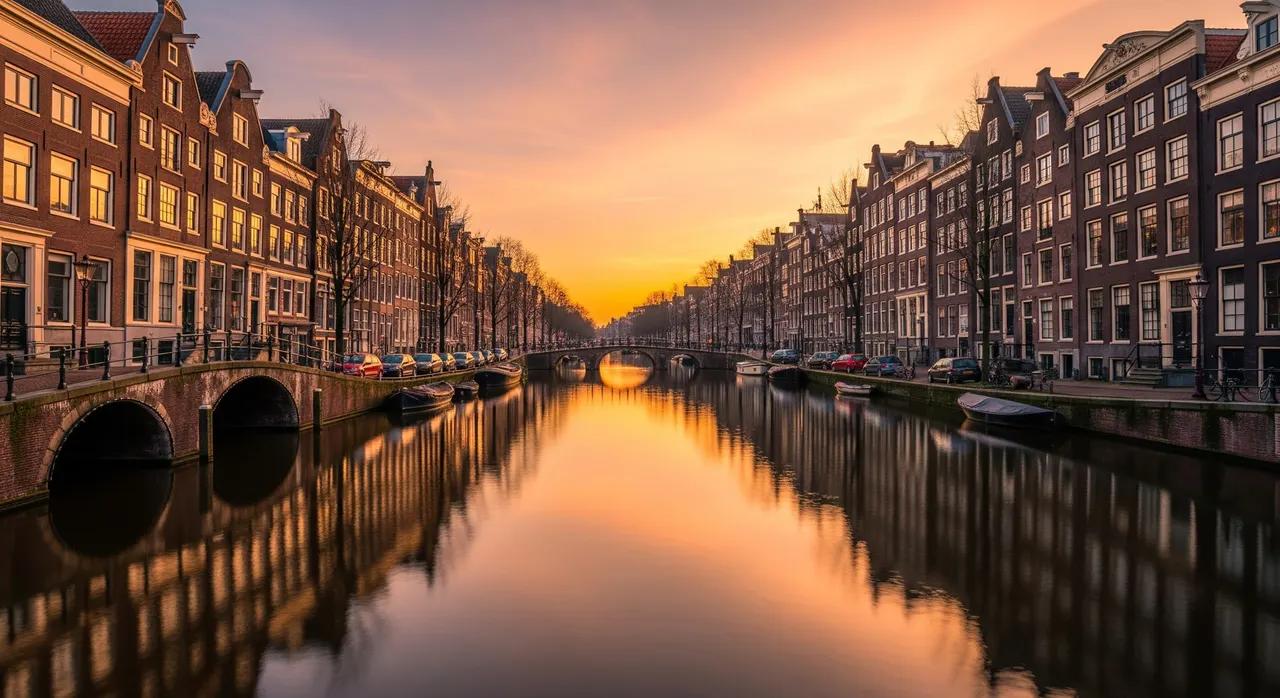
Netherlands — your starting point before relocating to ThailandNetherlands
From Netherlands to Thailand

Make the move from Netherlands

Trade Netherlands for up to five years in Thailand on the DTV. We prepare and submit your entire application from wherever you are — proof of funds, category evidence and passport — so you can focus on the move, not the paperwork.

Check eligibility
Step by step

How Dutch citizens apply for the DTV

1

Check you qualify

Almost every nationality can apply. Take our free 60-second eligibility checker to confirm your route — remote work, soft power, medical or family.

2

We prepare everything

We assemble and review your documents: proof of 500,000 THB (~$15,000), your category evidence and passport — so nothing gets rejected.

3

We submit for you

You apply from outside Thailand. We file at a Thai embassy or consulate (such as Hanoi, Ho Chi Minh, Jakarta, Vientiane or London) within one business day.

4

Get approved & move

On approval you get the 5-year, multiple-entry DTV — up to 180 days per stay, extendable once. Then make Thailand home.

Questions

DTV FAQ for Dutch citizens

What is the Destination Thailand Visa (DTV) and how long is it valid?

The DTV is a five-year, multiple-entry visa that lets you live in Thailand and work remotely for clients or an employer abroad. Each entry allows a stay of up to 180 days, which can be extended once in-country for a further 180 days.

Can Dutch citizens apply for the DTV?

Yes. The DTV is open to nationals of eligible countries worldwide, including the Netherlands. You simply need to meet the requirements and provide the supporting documents, which our team helps you prepare.

How long can I stay in Thailand per entry?

Each entry grants a stay of up to 180 days. Before that period ends you can extend once for another 180 days, giving you close to a full year in Thailand per entry before you need to leave and re-enter.

What financial proof do I need as a Dutch applicant?

You must show proof of 500,000 THB (approximately USD 15,000) in personal funds. This can be held in your Dutch or EU bank account; there is no requirement to transfer the money to Thailand.

Can I work remotely for a Dutch company while on the DTV?

Yes. The DTV is designed for remote workers, freelancers, and digital nomads. You can continue working for your Dutch employer or run your own freelance business from Thailand while serving clients based abroad.

Do I need to be in the Netherlands to apply?

No. You must apply from outside Thailand, but you can be in the Netherlands or anywhere else abroad. Our service handles the entire application from start to finish, so you do not need to visit an office in person.

Will my Dutch documents need to be translated?

Most likely, yes. Because the official language of the Netherlands is Dutch, documents such as bank statements typically need a certified English or Thai translation, which a Dutch sworn translator can provide. We will tell you exactly what is required.

How long is the flight from the Netherlands to Thailand?

Direct flights from Amsterdam Schiphol to Bangkok take around 11 to 12 hours. Connecting through a hub like Doha or Dubai usually brings total travel time to roughly 14 to 16 hours, depending on the layover.

Is there a Dutch community in Thailand?

Yes. There is a well-established Dutch community, especially in Bangkok, Chiang Mai, and the southern islands. Regular meetups, sports clubs, and active online groups make it easy to connect with fellow Dutch expats.

What happens if my visa application is denied?

With the optional Denial Protection add-on, you receive a 100% refund if your application is denied. Our service starts from USD 139, and we prepare and submit everything to give your application the best possible footing.

Where you apply

The Thai mission for Netherlands

You submit the DTV online via the Thai e-Visa portal — but the office below covers applicants in Netherlands and may review your file.

Ready to move to Thailand from Netherlands?

Check your eligibility in under a minute, or let our team prepare and submit everything — with a 100% refund if your application is denied (with the optional paid Denial Protection add-on).