Skip to content
Asia

DTV Visa for Nepali Citizens

For many Nepali professionals, freelancers and families , Thailand has become more than a holiday escape — it is a smart, long-term lifestyle move. With the Destination Thailand Visa (DTV) , you can base yourself in the Land of Smiles for up to five years, working remotely for overseas clients while enjoying lower living costs, fast internet, excellent private healthcare and a warm Buddhist culture that feels reassuringly familiar — all just a short, direct flight from Kathmandu.

Every Nepali citizen is eligible to apply

5

Years validity

180

Days per entry

500k

THB proof of funds

$139

Service fee from

100%

Refund if denied*

Why Nepali citizens choose Thailand

Living in Thailand from Nepal

Section 01

Why Nepali Citizens Are Moving to Thailand

Nepal's mountain beauty is unmatched, but the practical realities of daily life — power cuts, winter cold in the hills, monsoon disruption and the thick pre-monsoon haze that settles over the Kathmandu Valley — push many Nepalis to look for a more comfortable base. Thailand answers with a tropical climate, reliable infrastructure and one of Asia's most developed expat ecosystems. The DTV finally makes a multi-year stay practical: instead of short tourist stamps and constant border runs, you get a single visa valid for five years. For remote workers, the combination of cheap, fast fibre internet, hundreds of coworking spaces and a low cost of living is hard to beat.

  • Swap winter cold and pre-monsoon haze for year-round tropical warmth.
  • Access world-class private healthcare at a fraction of Western prices.
  • Live in a stable, low-crime environment with dependable utilities and 24/7 power.
  • Join a large, established Nepali community alongside a global digital-nomad scene.
  • Enjoy a rice-and-spice food culture that sits naturally with the Nepali palate.
Section 02

Cost of Living: Nepal vs Thailand

Kathmandu is no longer the bargain it once was, and for modern amenities Thailand often delivers better value. A comfortable life in Chiang Mai or a smaller Thai city can match — and sometimes beat — a mid-range lifestyle in the Nepali capital, while giving you far more for your money. As a rough guide, 100 Thai baht (THB) is around 400 Nepali rupees (NPR). Here is a realistic monthly comparison for a single remote worker.

  • Rent: a modern studio in central Kathmandu runs roughly NPR 25,000–40,000. In Chiang Mai you can find a furnished condo with pool and gym from about NPR 24,000–36,000 (6,000–9,000 THB).
  • Eating out: a mid-range restaurant meal in Nepal is NPR 300–600; in Thailand a hot street-food plate is NPR 200–280 (50–70 THB), and a sit-down meal NPR 320–480.
  • Coworking: a dedicated desk in Kathmandu can top NPR 15,000; in Thailand a well-equipped space with faster internet starts near NPR 12,000 (3,000 THB).
  • Transport: an air-conditioned BTS/MRT ride in Bangkok is NPR 65–180 (16–45 THB), and Grab taxis and motorbike taxis are cheap and everywhere; a typical ATM withdrawal fee is about 220 THB.
  • Bottom line: a Nepali nomad can live well in Thailand on roughly NPR 240,000–320,000 (60,000–80,000 THB) a month, covering rent, food, transport and leisure.

Did You Know?

Uncapped fibre internet in a Thai condo costs as little as 600 THB (around NPR 2,400) a month, typically delivering 300–1,000 Mbps. That reliability — paired with widespread 5G — is a major reason remote workers choose Thailand over many regional rivals.

Section 03

Getting to Thailand from Nepal: Flights, Routes & Time Zone

The journey is short and well served. Direct flights from Tribhuvan International Airport (KTM) in Kathmandu to Bangkok take about 3.5 to 4 hours, with carriers such as Thai Airways, Nepal Airlines and Thai Lion Air operating the route, mostly into Suvarnabhumi (BKK) and some into Don Mueang (DMK). Once in Bangkok, onward domestic hops put you in Chiang Mai, Phuket or the Gulf islands in roughly 1 to 1.5 hours, so the whole country opens up the moment you land.

Time Zone Advantage

Thailand (Indochina Time, UTC+7) is just 1 hour and 15 minutes ahead of Nepal (UTC+5:45). The overlap with Nepali working hours is almost complete, so you can collaborate with clients or teams back home without awkward late-night or pre-dawn shifts — a clear edge over relocating to Europe or the Americas.

Daily life in Thailand — where Nepali citizens settle on the DTV
Life in Thailand — your home base on the 5-year DTV
Section 04

Where Nepali Expats & Nomads Settle in Thailand

Most Nepali newcomers cluster in a handful of places, each with a distinct feel. Bangkok is the obvious hub: a megacity with the largest Nepali community, authentic momo and dal-bhat joints around Pratunam and Sutthisan, and endless work and business opportunities. Chiang Mai draws digital nomads with its cooler air, lower costs and calm temple-lined streets — it often feels like a quieter, greener cousin of the Kathmandu Valley. Phuket and the southern islands suit those who want a beach base, while Pattaya has a smaller but well-rooted Nepali presence concentrated in hospitality and trade.

Practical Tip

If you are brand new to Thailand, start in Bangkok's Sukhumvit corridor or around Pratunam, where Nepali grocery stores, community networks and temples are close at hand. Settle in for a few weeks, build your contacts, then scout Chiang Mai or the islands before committing to a longer lease.

Section 05

Money & Banking from Nepal

Managing money across the two countries is straightforward. The local currency is the Thai baht (THB) . Because Nepal applies foreign-exchange controls on outbound transfers, plan how you will fund your stay before you leave — many Nepalis move funds through a bank wire or a licensed remittance provider, and some keep balances in USD to draw on abroad. ATMs are everywhere in Thai cities and accept international cards, though each withdrawal typically carries a fixed fee of around 220 THB on top of your home bank's charges, so larger, less frequent withdrawals save money. For ongoing expenses such as rent, opening a Thai bank account on a long-stay visa makes life easier; bring your passport, visa and proof of address.

Money-Saving Tip

Withdraw larger amounts less often to spread the flat ~220 THB ATM fee, and compare a couple of remittance services before sending a big transfer from Nepal — exchange-rate margins vary more than the headline fees suggest.

Section 06

Documents & Translation: What You Need to Know

Nepal's official language is Nepali, and key paperwork — bank statements, employment letters, marriage and birth certificates — is often issued in Nepali or a mix of Nepali and English. For the DTV, supporting documents generally need to be in English (or Thai), so any Nepali-language documents will likely need a certified English translation . Arrange these early through a reputable translator in Kathmandu or online to avoid last-minute scrambling. DTVThaiVisa.com reviews your file in advance and tells you exactly which documents need translating, so nothing is missed.

How the Application Works

You apply for the DTV from outside Thailand, never from inside the country. DTVThaiVisa.com prepares and submits the entire application on your behalf — checking your funds evidence, formatting documents and handling the paperwork — so you simply gather your records and travel once approved. Service starts from $139.

Section 07

Daily Life & Community in Thailand

Thailand is one of the safer countries in Southeast Asia, and day-to-day life is easy to navigate. Private healthcare is a standout: hospitals in Bangkok and Chiang Mai offer modern facilities and English-speaking doctors at prices far below Western levels, and good international health insurance is affordable. Internet is fast and dependable, with 5G across the cities and reliable fibre in most condos — essential for keeping your remote work running smoothly.

Food is a daily pleasure. You can find Nepali staples like dal bhat and momos around Bangkok's Pratunam and Sutthisan or in Chiang Mai, while Thai curries and stir-fries — rich with chilli, garlic and ginger — feel right at home to a Nepali palate. The Nepali community is close-knit and active, marking Dashain and Tihar together, organising cricket matches and meeting through temples and social groups, so it rarely takes long to feel settled.

  • Nepali restaurants and grocery stores cluster in Bangkok's Pratunam and Sukhumvit areas.
  • Dashain, Tihar and other festivals are celebrated at temples and community halls.
  • Active Facebook groups such as 'Nepalese in Thailand' offer instant local connections.
  • Bangkok temples host Nepali Hindu and Buddhist rituals throughout the year.
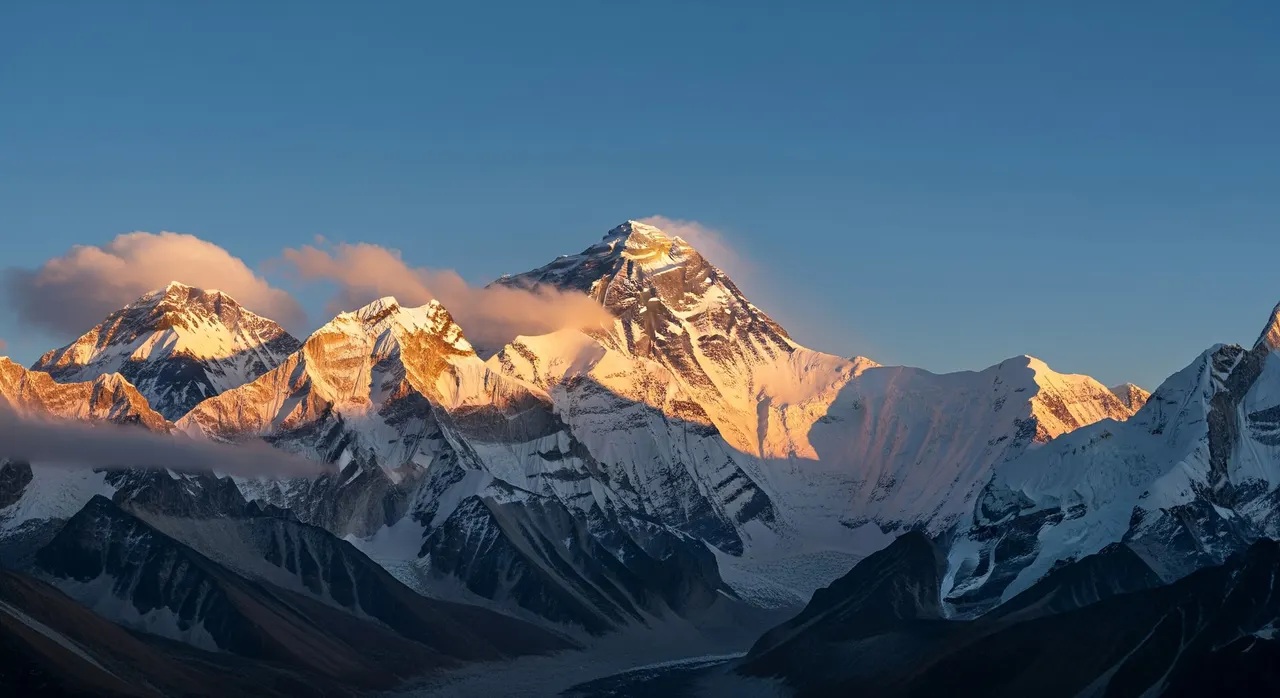
Nepal — your starting point before relocating to ThailandNepal
From Nepal to Thailand

Make the move from Nepal

Trade Nepal for up to five years in Thailand on the DTV. We prepare and submit your entire application from wherever you are — proof of funds, category evidence and passport — so you can focus on the move, not the paperwork.

Check eligibility
Step by step

How Nepali citizens apply for the DTV

1

Check you qualify

Almost every nationality can apply. Take our free 60-second eligibility checker to confirm your route — remote work, soft power, medical or family.

2

We prepare everything

We assemble and review your documents: proof of 500,000 THB (~$15,000), your category evidence and passport — so nothing gets rejected.

3

We submit for you

You apply from outside Thailand. We file at a Thai embassy or consulate (such as Hanoi, Ho Chi Minh, Jakarta, Vientiane or London) within one business day.

4

Get approved & move

On approval you get the 5-year, multiple-entry DTV — up to 180 days per stay, extendable once. Then make Thailand home.

Questions

DTV FAQ for Nepali citizens

What exactly is the Destination Thailand Visa (DTV) and is it right for me as a Nepali citizen?

The DTV is a 5-year, multiple-entry visa that lets you live in Thailand and work remotely for overseas employers or your own business. It suits Nepali digital nomads, freelancers and remote employees who want a long-term base without constant visa runs.

How long can I stay in Thailand per entry with the DTV?

Each entry allows a stay of up to 180 days, which can be extended once inside Thailand for a further 180 days — up to roughly a year per visit. Because the visa is multiple-entry and valid for five years, you can re-enter and repeat this throughout its validity.

How much money do I need to show for the DTV?

You need to show proof of at least 500,000 THB (approximately $15,000) in personal funds. This is typically evidenced with bank statements or a fixed deposit; DTVThaiVisa.com checks your evidence before submission so it meets the requirement first time.

What's the time difference between Nepal and Thailand, and will it affect my remote work?

Thailand (UTC+7) is just 1 hour and 15 minutes ahead of Nepal (UTC+5:45). The overlap with Nepali working hours is nearly complete, so you can collaborate with clients or teams back home without early starts or late nights.

Are there direct flights from Kathmandu to Thailand, and how long is the journey?

Yes. Direct flights from Kathmandu (KTM) to Bangkok take about 3.5 to 4 hours, with carriers including Thai Airways, Nepal Airlines and Thai Lion Air. From Bangkok, short domestic flights connect you to Chiang Mai, Phuket and other destinations in 1 to 1.5 hours.

Will my documents from Nepal need to be translated into English?

If your bank statements, employer letters or certificates are in Nepali, you will likely need certified English (or Thai) translations for the DTV. DTVThaiVisa.com tells you exactly which documents require translation so your file is complete.

Can I apply for the DTV while I'm already in Thailand on a tourist visa?

No. The DTV must be applied for from outside Thailand. DTVThaiVisa.com prepares and submits your full application from abroad, and you travel to Thailand once it is approved.

How does DTVThaiVisa.com help, and what's the cost of your service?

We prepare and submit your entire DTV application, making sure every document meets the requirements. Our service starts from $139, and with the optional Denial Protection add-on you receive a 100% refund if your application is denied.

Is there a Nepali community in Thailand, and where can I find it?

Yes — Bangkok has a large, active Nepali community, especially around Pratunam and Sutthisan, with Nepali restaurants, grocery stores and temples. Smaller communities thrive in Chiang Mai and Pattaya, and Facebook groups and festival celebrations keep everyone connected.

Can I bring my family with me on the DTV?

Yes. Your spouse and dependent children can apply as accompanying family members and share your length of stay and multiple-entry privileges. DTVThaiVisa.com can prepare the family applications alongside yours.

Where you apply

The Thai mission for Nepal

You submit the DTV online via the Thai e-Visa portal — but the office below covers applicants in Nepal and may review your file.

Ready to move to Thailand from Nepal?

Check your eligibility in under a minute, or let our team prepare and submit everything — with a 100% refund if your application is denied (with the optional paid Denial Protection add-on).