Skip to content
Africa

DTV Visa for Namibian Citizens

For Namibians craving a dramatic change of scenery — from the dunes of the Namib and the open spaces of the Kalahari to the lush, tropical landscapes of Southeast Asia — Thailand is calling. Imagine trading Windhoek's dry highland air for warm ocean breezes, swapping a weekend braai for a bowl of khao soi at a Chiang Mai market, and stretching your earnings far further than they go at home. The Destination Thailand Visa (DTV) turns that dream into a 5-year reality, letting you live, work remotely and immerse yourself in a vibrant culture a world away from the Erongo coast or the Caprivi.

Every Namibian citizen is eligible to apply

5

Years validity

180

Days per entry

500k

THB proof of funds

$139

Service fee from

100%

Refund if denied*

Why Namibian citizens choose Thailand

Living in Thailand from Namibia

Section 01

Why Namibian Citizens Are Moving to Thailand

Namibia's rugged beauty is unmatched, but its small economy, distance from major hubs and high import costs push many Namibians to look abroad. Thailand offers the opposite: a dense, well-connected country where tropical living, modern infrastructure and a low cost of base meet. Instead of sparse desert expanses you find buzzing markets, ancient temples and turquoise coastlines. Fast, reliable internet and a mature digital-nomad scene make it easy to keep a remote career running, while a warm local culture and a large, established expat community make settling in far smoother than you might expect.

  • Escape Namibia's dry, dusty highland climate for a tropical one with clear wet and dry seasons.
  • Enjoy a meaningfully lower cost of living than Windhoek, Swakopmund or Walvis Bay.
  • Tap into fast fibre and 5G plus countless coworking spaces built for remote work.
  • Experience real variety: cosmopolitan Bangkok, laid-back Chiang Mai and the southern islands.
  • Join one of Asia's biggest expat communities, which makes the move far less daunting.

The DTV in a Nutshell

The Destination Thailand Visa is a 5-year multiple-entry visa. Each entry lets you stay up to 180 days, and you can extend once for a further 180 days. You apply from outside Thailand and show proof of 500,000 THB (~$15,000) in personal funds. Our service handles the preparation and submission for you, starting from $139.

Section 02

Cost of Living: Namibia vs Thailand

The financial case for moving from Namibia to Thailand is strong. A modern one-bedroom apartment in central Windhoek typically runs NAD 7,000–11,000 a month, while a comparable furnished condo in a popular expat hub like Chiang Mai starts around THB 9,000–14,000 (roughly NAD 4,500–7,000). Daily costs shrink too: a mid-range restaurant meal in Windhoek might be NAD 150–250, but a plate of Thai street food costs THB 50–70 (about NAD 25–35). With the Namibian Dollar trading at roughly NAD 2 to 1 THB, transport, leisure and groceries all feel noticeably cheaper, leaving more room to save or simply live better.

Did you know?

A monthly budget of around NAD 20,000–25,000 supports a comfortable lifestyle in Chiang Mai — a decent apartment, daily meals out, transport and leisure — a standard that would cost noticeably more in central Windhoek.

Section 03

Getting to Thailand from Namibia

No direct flights connect Namibia to Thailand, but the trip is straightforward with one or two stops. From Hosea Kutako International Airport (WDH) outside Windhoek, the most common routings go via Johannesburg (a roughly two-hour hop on Airlink or South African Airways), then onward to Bangkok with Emirates via Dubai, Qatar Airways via Doha, or Ethiopian Airlines via Addis Ababa. Total door-to-door travel time usually lands between 18 and 24 hours depending on layovers. You arrive at Bangkok's Suvarnabhumi Airport (BKK), from where any major Thai destination is a short domestic flight or drive away.

Mind the Time Difference

Namibia runs on UTC+2 year-round, while Thailand is UTC+7 — so Thailand is 5 hours ahead. If you work remotely for Namibian clients, schedule your day so your afternoons in Thailand overlap with their mornings. Many nomads find this split-day rhythm leaves quiet mornings free for deep work.

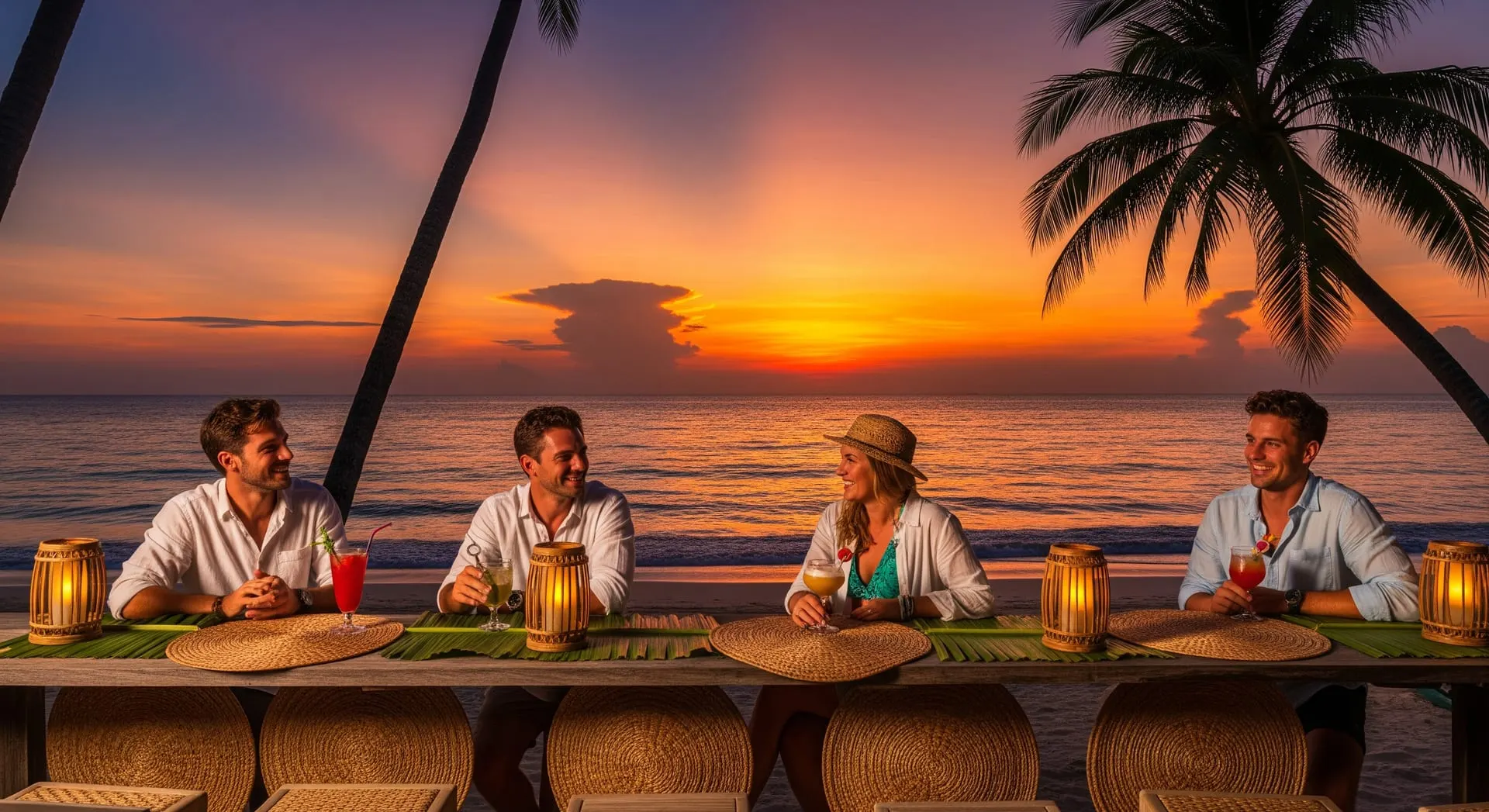
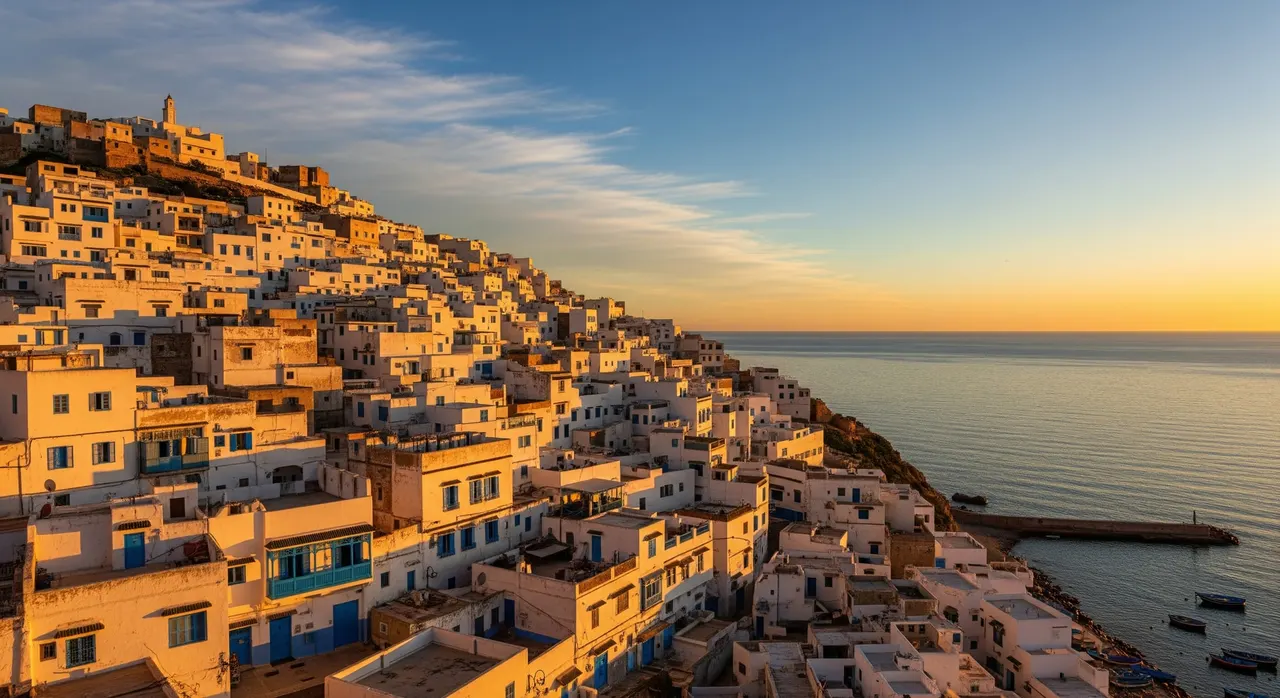
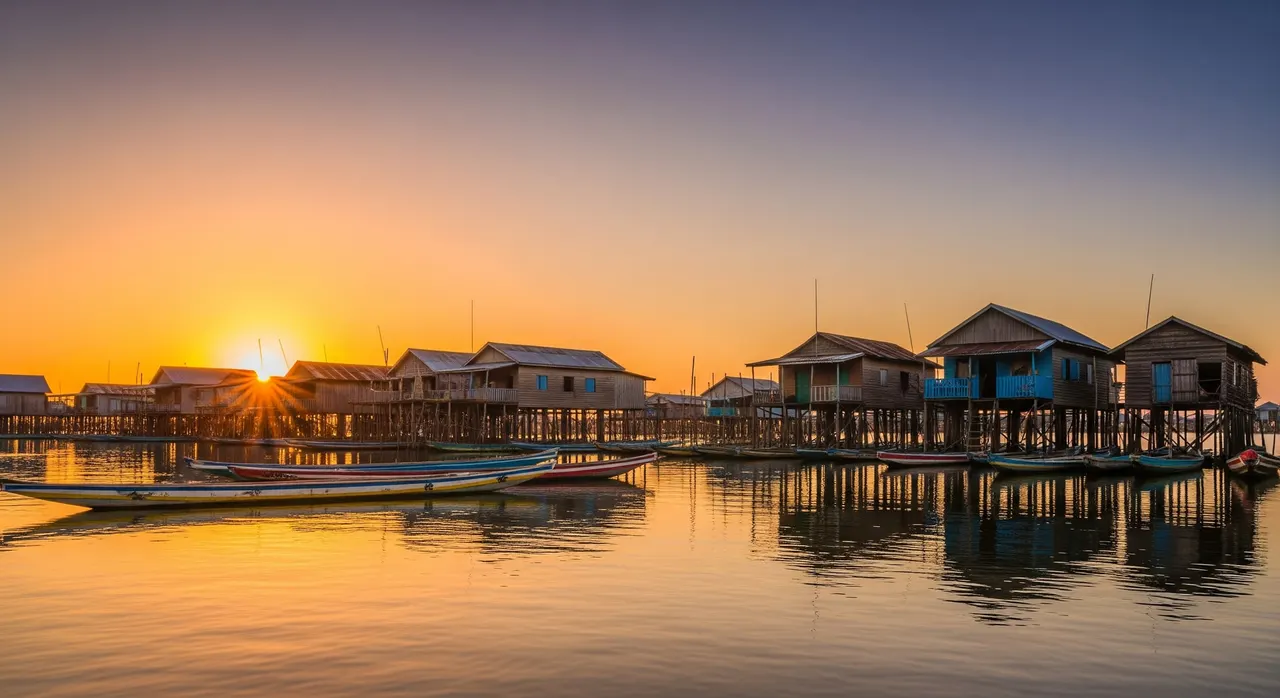
Daily life in Thailand — where Namibian citizens settle on the DTV
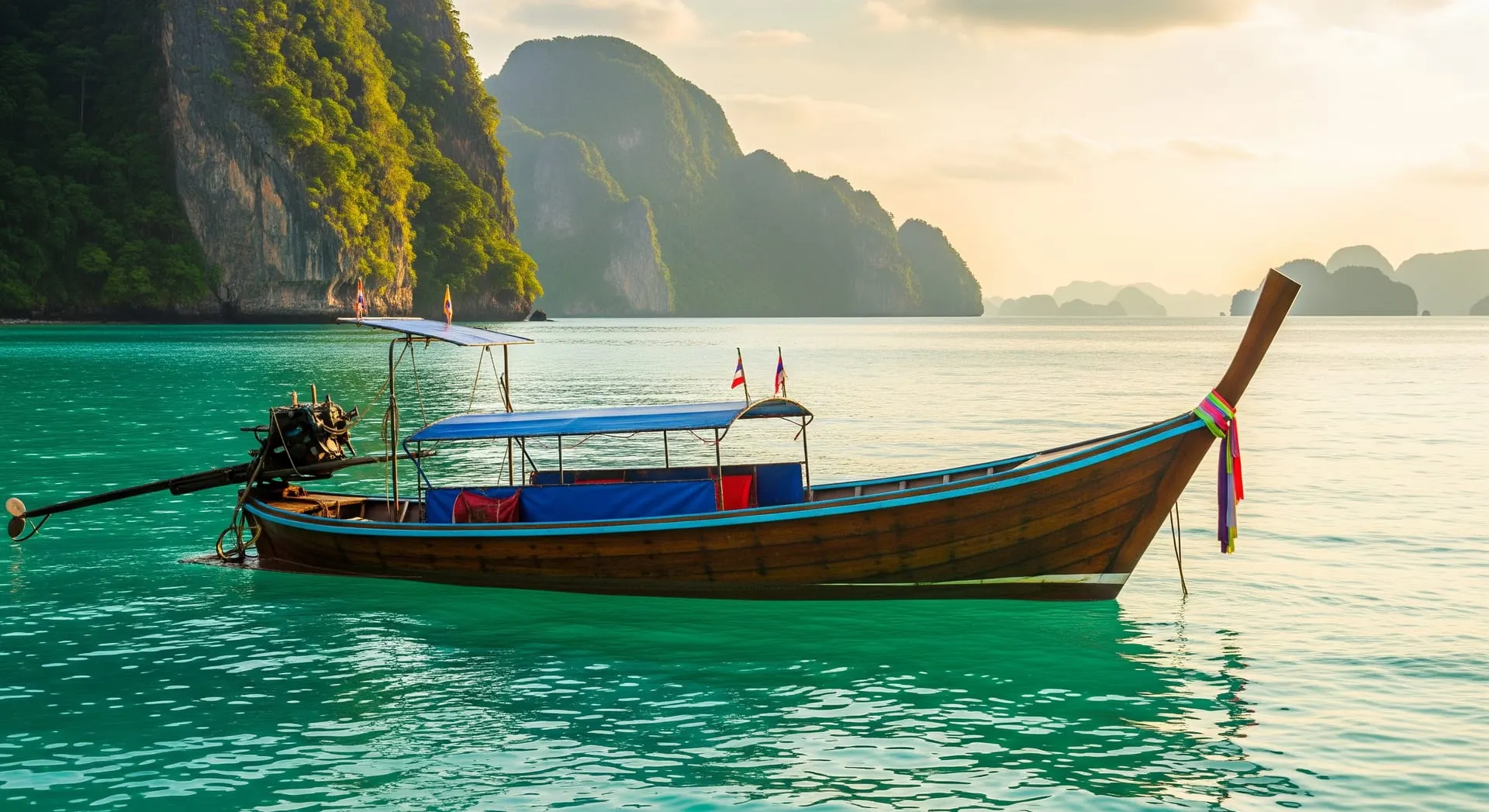
Life in Thailand — your home base on the 5-year DTV
Section 04

Where Namibian Expats & Nomads Settle in Thailand

Namibians, like most newcomers, gravitate toward a handful of hubs that balance affordability, connectivity and lifestyle. Chiang Mai , in the mountainous north, is a digital-nomad favourite thanks to its low costs, cool-season climate and dense community of remote workers. Bangkok suits those who want big-city energy, world-class dining and the easiest connections back to Johannesburg and Windhoek. For beach life, Phuket , Koh Samui and the Krabi coast deliver island living with modern amenities. Many Namibians base themselves in one spot and use the 5-year visa to explore several over time.

  • Chiang Mai: affordable rents, expat cafes and a relaxed pace — ideal for nomads watching their budget.
  • Bangkok: vibrant city life, top private hospitals and the simplest flight links home via Johannesburg.
  • Phuket, Koh Samui & Krabi: beaches, water sports and a resort atmosphere for a permanent-holiday feel.
Section 05

Money & Banking from Namibia

Moving money from Namibia to Thailand is straightforward. Services like Wise and WorldRemit, or SWIFT transfers from Namibian banks such as Bank Windhoek, FNB Namibia, Nedbank and Standard Bank, convert Namibian Dollars (NAD) to Thai Baht (THB) cleanly. Because the NAD is pegged 1:1 to the South African Rand, its value stays relatively predictable against major currencies. ATMs are everywhere in Thailand but charge foreign cards a fixed fee of around THB 220 per withdrawal, so larger, less frequent withdrawals — or a local account once you are settled — save money. Cards are widely accepted in cities, but cash still rules at local markets and street stalls.

Show Your Funds the Easy Way

For the DTV's proof of 500,000 THB (~$15,000), recent statements from your Namibian bank work fine. Keep them clear, current and in your own name. Our team tells you exactly which documents to gather, so there are no surprises when it is time to submit.

Section 06

Documents & Translation

Good news for Namibians: English is the country's sole official language, so your bank statements, employment letters and certificates are already in English. For the DTV, supporting documents need to be in English or Thai, which means your paperwork is usually accepted as-is, with no certified translation required. That saves time and money compared with applicants from non-English-speaking countries. Just make sure everything is recent, legible and matches the format your visa service requests.

Section 07

Daily Life & Community in Thailand

Thailand pairs a high quality of life with genuinely excellent infrastructure. Internet is among the fastest in Southeast Asia — affordable home fibre plus near-universal 4G and 5G make remote work seamless. Private healthcare is modern and well-priced, with international hospitals across Bangkok, Chiang Mai and Phuket. The country is famously easygoing and safe, and the food is a daily highlight, from fiery som tam to comforting khao soi. The Namibian community itself is small and spread out, but you will quickly find fellow Southern Africans and a huge, welcoming expat scene through meetups, sports bars and online groups.

Fast Connectivity

Thailand ranks near the top of the region for connectivity, with fixed broadband often exceeding 200 Mbps in major cities and reliable 4G/5G almost everywhere. Working from a beachside or mountain-view cafe is not a fantasy here — it is an ordinary Tuesday.

  • Healthcare: modern private hospitals with English-speaking staff; a routine doctor's consultation often costs under THB 1,000 (about NAD 500).
  • Food: a paradise for food lovers, from street stalls to fine dining, plus international groceries in the cities.
  • Safety: one of the more relaxed and safe destinations in Asia, with low rates of violent crime.
  • Community: active social-media groups and regular meetups in Bangkok and Chiang Mai help Namibians connect and share tips.
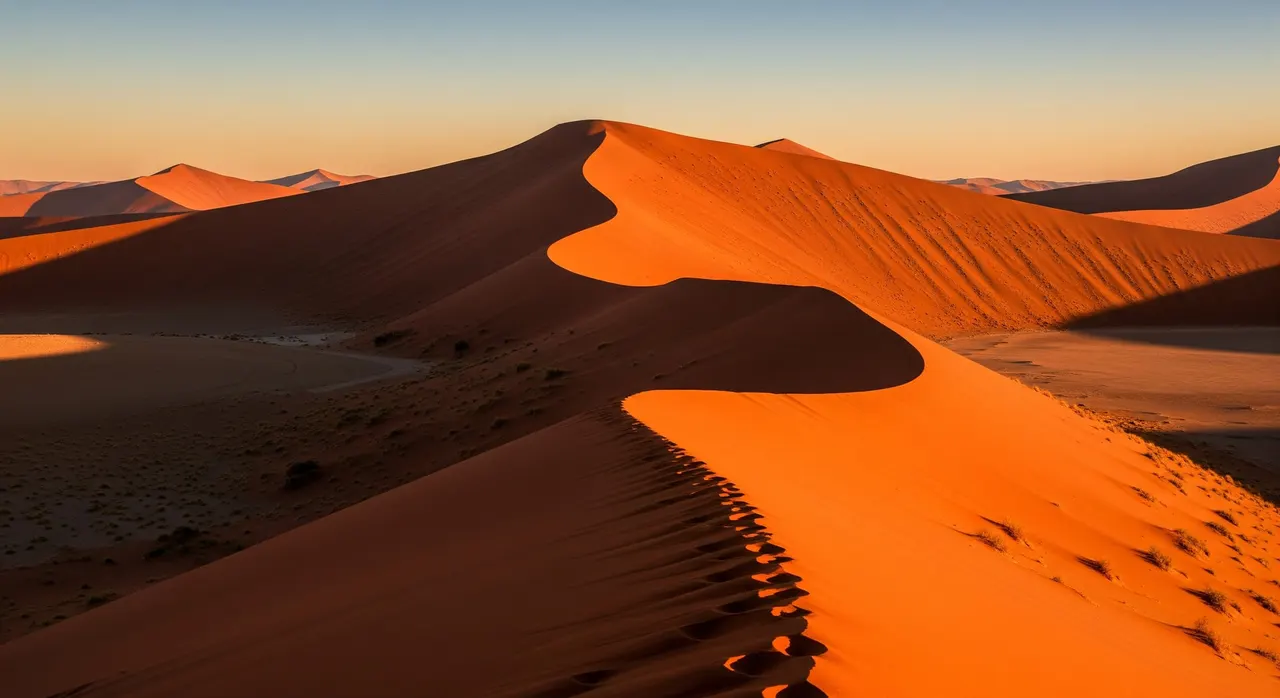
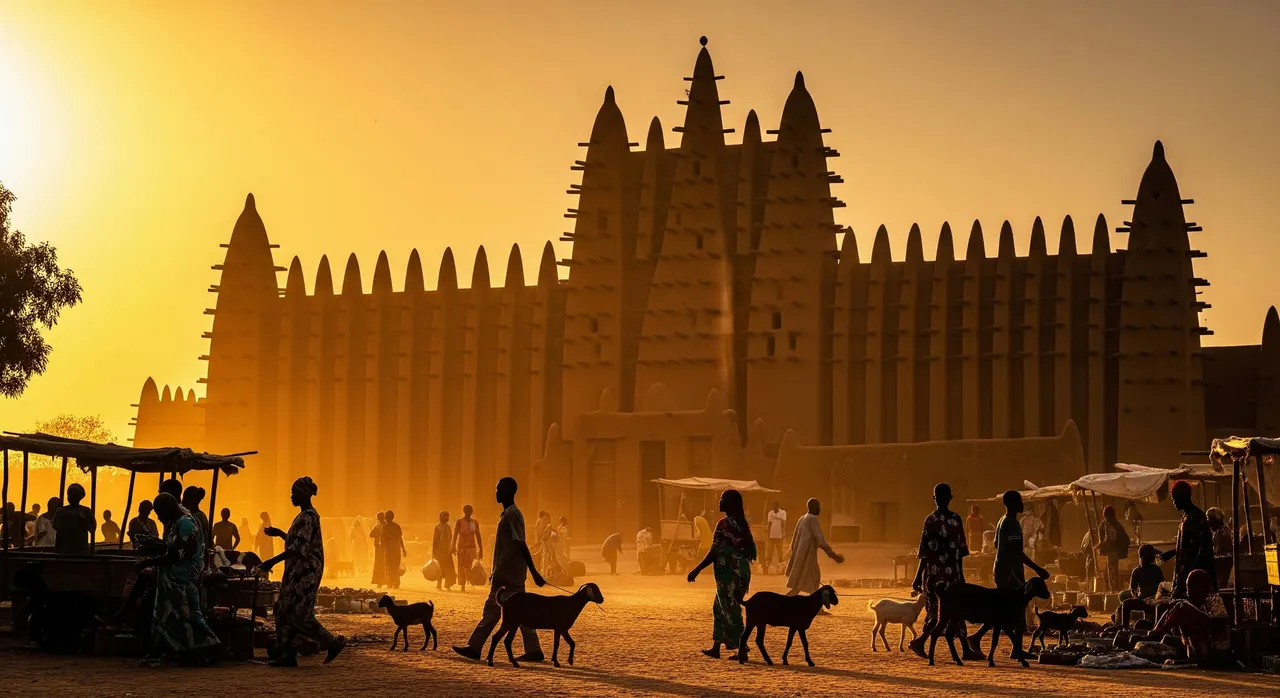
Namibia — your starting point before relocating to ThailandNamibia
From Namibia to Thailand

Make the move from Namibia

Trade Namibia for up to five years in Thailand on the DTV. We prepare and submit your entire application from wherever you are — proof of funds, category evidence and passport — so you can focus on the move, not the paperwork.

Check eligibility
Step by step

How Namibian citizens apply for the DTV

1

Check you qualify

Almost every nationality can apply. Take our free 60-second eligibility checker to confirm your route — remote work, soft power, medical or family.

2

We prepare everything

We assemble and review your documents: proof of 500,000 THB (~$15,000), your category evidence and passport — so nothing gets rejected.

3

We submit for you

You apply from outside Thailand. We file at a Thai embassy or consulate (such as Hanoi, Ho Chi Minh, Jakarta, Vientiane or London) within one business day.

4

Get approved & move

On approval you get the 5-year, multiple-entry DTV — up to 180 days per stay, extendable once. Then make Thailand home.

Questions

DTV FAQ for Namibian citizens

What exactly is the Destination Thailand Visa for Namibian citizens?

It is a 5-year multiple-entry visa that lets Namibians stay in Thailand for up to 180 days per entry, with the option to extend once for another 180 days. It is built for remote workers, digital nomads and people pursuing activities like Muay Thai training, cooking courses or extended travel.

How much money do I need to show as a Namibian applicant?

You provide proof of at least 500,000 THB (approximately $15,000) in personal funds. Recent statements from a Namibian bank such as Bank Windhoek, FNB or Nedbank are fine, as long as the account is in your name.

How much does the DTV service cost?

Our service starts from $139. We prepare your documents and submit the entire application for you, so you avoid the guesswork of doing it alone from Namibia.

Can I work remotely for a Namibian company while on the DTV?

Yes. The DTV is ideal for Namibian remote employees, freelancers and digital nomads. You can legally work for overseas clients or companies while living in Thailand.

How long is the flight from Windhoek to Bangkok, and are there direct options?

There are no direct flights. Journeys from Windhoek (WDH) to Bangkok (BKK) typically take 18 to 24 hours with one or two stops, usually routed via Johannesburg and then Dubai, Doha or Addis Ababa. It is very manageable with a good airline and a little planning.

Thailand is 5 hours ahead of Namibia — will that affect my remote work?

It usually means starting your Thai workday a little later to overlap with Namibian office hours. Many remote workers use the gap to enjoy quiet mornings, then work into the afternoon and evening, settling into a rhythm that suits them.

Do I need to translate my Namibian documents into Thai?

No. English is Namibia's official language, so your documents — bank statements, passport, certificates — are already in English and are usually accepted as-is for the DTV. No certified translation is required.

How much cheaper is Thailand really compared to Windhoek?

Most Namibians find they can cut monthly living costs significantly, especially on rent, food and transport. A comfortable single-person lifestyle in Chiang Mai generally costs less than the same standard in central Windhoek.

Where do most Namibians live in Thailand once they move?

While the community is still small, most settle in Bangkok for its international feel and flight links home, or Chiang Mai for its low costs and digital-nomad infrastructure. A few head to the islands like Phuket and Koh Samui.

Do I have to apply from inside Thailand?

No — you apply from outside Thailand, which can be from Namibia or any other country where you have legal residence. Our service handles the whole process: we prepare your documents, submit the application and manage communication with the authorities. You just provide the required paperwork.

What happens if my application is denied?

No one can guarantee any visa, but with the optional Denial Protection add-on you receive a 100% refund of our service fee if your application is denied, giving you complete peace of mind.

Ready to move to Thailand from Namibia?

Check your eligibility in under a minute, or let our team prepare and submit everything — with a 100% refund if your application is denied (with the optional paid Denial Protection add-on).