Skip to content
Africa

DTV Visa for Moroccan Citizens
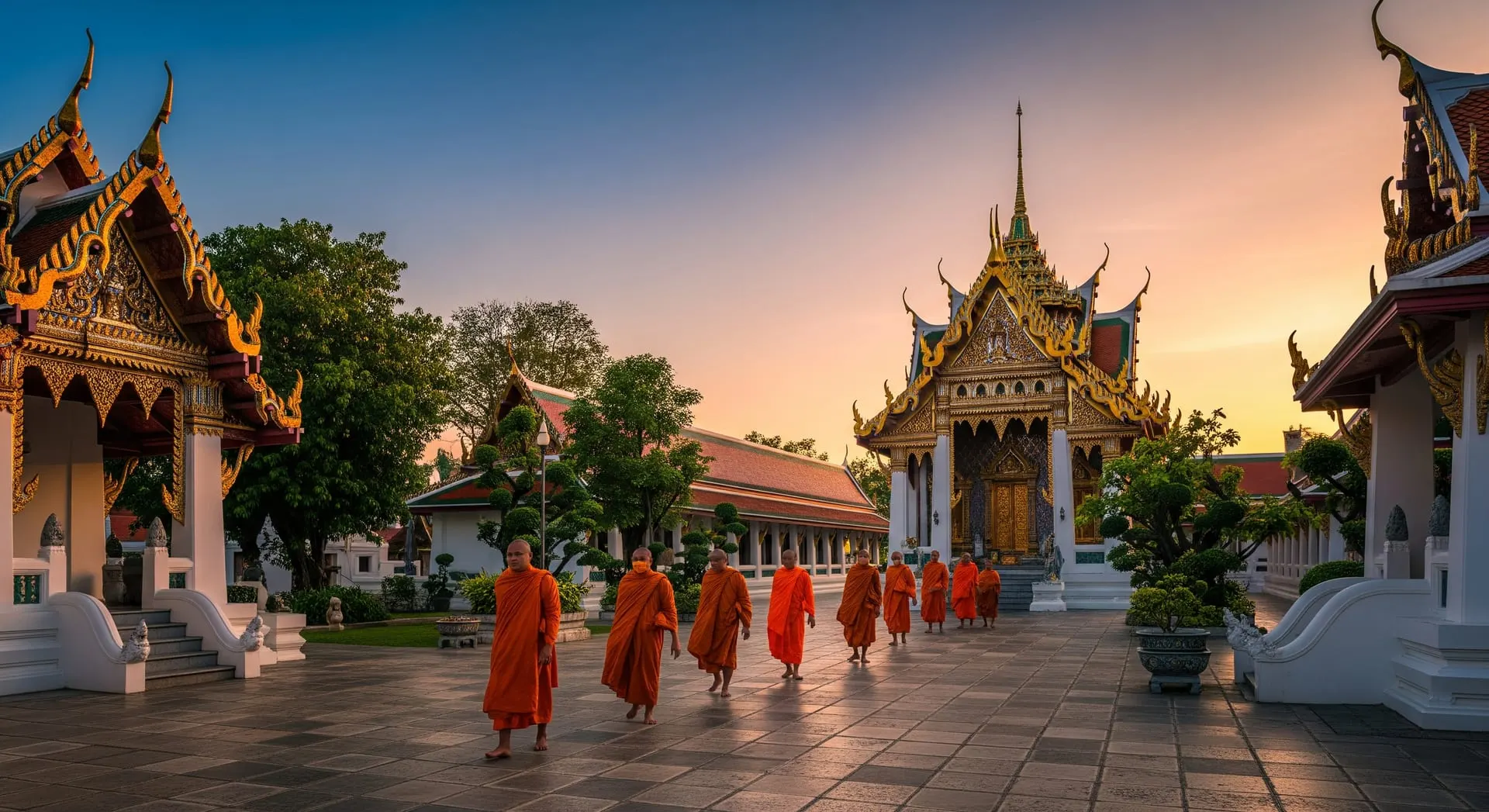
Marhaba! Dreaming of swapping the bustle of Casablanca or the serene Atlas Mountains for Thailand's tropical beaches and vibrant street-food scene? The 5-year Destination Thailand Visa (DTV) is opening doors for Moroccan remote workers, freelancers, and digital nomads. Whether you're coding from a Chiang Mai co-working space or unwinding on a Phuket beach, Thailand offers an affordable, high-quality lifestyle that draws more Moroccans every year. With a cost of living below Rabat or Marrakech, fast fibre internet, plentiful halal food, and a warm expat community, it's easy to see why this Southeast Asian gem is becoming a new Moroccan haven.

Every Moroccan citizen is eligible to apply

5

Years validity

180

Days per entry

500k

THB proof of funds

$139

Service fee from

100%

Refund if denied*

Why Moroccan citizens choose Thailand

Living in Thailand from Morocco

Section 01

Why Moroccan Professionals Are Choosing Thailand

For many Moroccans, Thailand represents a genuine lifestyle upgrade. Morocco blends tradition and modernity beautifully, but the rising cost of living in Casablanca and Marrakech, plus a competitive job market, pushes some to look abroad. Thailand counters with a low cost of living, a tropical climate, and mature digital-nomad infrastructure. The DTV lets remote workers keep their Moroccan or international income while enjoying a higher standard of living and far more disposable cash each month. Moroccans also appreciate Thailand's rich culture, its halal-friendly and flavour-packed cuisine, and the genuine warmth of its people, which mirrors the Moroccan spirit of hospitality.

The DTV at a Glance

The Destination Thailand Visa is a 5-year, multiple-entry visa. Each entry allows a stay of up to 180 days, extendable once inside Thailand for a further 180 days—nearly a full year per visit. You must show proof of 500,000 THB (~$15,000) in personal funds, and you apply from outside Thailand. Our service starts from $139 and we prepare and submit everything for you.

Section 02

Cost of Living: Morocco vs Thailand

Monthly Budget Snapshot

A single person's comfortable monthly budget in Casablanca might total 12,000 MAD (about €1,100). In Chiang Mai a similar lifestyle costs around 35,000 THB (about €940), while in Bangkok it's roughly 45,000 THB (about €1,210). Food, transport, and entertainment are frequently 30–50% cheaper in Thailand.

In Morocco, a one-bedroom apartment in a central neighbourhood runs 3,500–6,000 MAD (€320–550). In Bangkok a comparable flat goes for 8,000–15,000 THB (€210–400), and outside the capital you can pay even less. Co-working memberships in Morocco average around 1,500 MAD a month (€140); in Chiang Mai a hot desk can cost as little as 1,500 THB (€40). A meal at a local restaurant is about 40 MAD in Morocco versus 50–60 THB (€1.35) in Thailand. From haggling in the souk to scanning QR codes at a Thai night market, your dirhams stretch dramatically further in the Land of Smiles.

Section 03

Getting to Thailand from Morocco: Flights, Routes & Time Zone
Most journeys start at Mohammed V International in Casablanca (CMN), Marrakech Menara (RAK), or Rabat-Salé (RBA). There are no direct flights to Thailand, so you'll connect through a Gulf or Turkish hub—Doha (Qatar Airways), Dubai (Emirates), Abu Dhabi (Etihad), or Istanbul (Turkish Airlines) are the usual gateways to Bangkok's Suvarnabhumi (BKK). Total travel time typically runs 14–18 hours including the layover. Once you land, you'll be 6 or 7 hours ahead of home: Thailand keeps Indochina Time (UTC+7) year-round, while Morocco sits at UTC+1 most of the year and shifts back during Ramadan. For remote work this is a gift—a Moroccan 9-to-5 lands in the late afternoon and evening in Thailand, leaving your mornings free for temples, beaches, or markets before you log on.

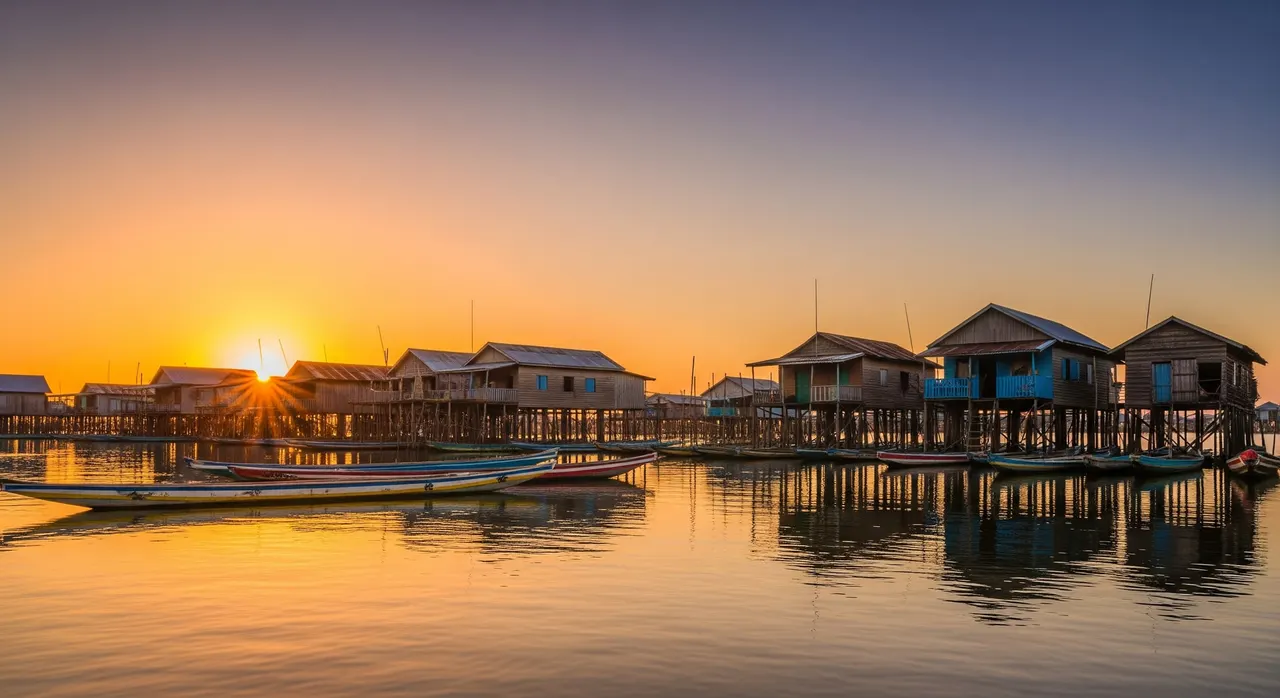
Daily life in Thailand — where Moroccan citizens settle on the DTV
Life in Thailand — your home base on the 5-year DTV
Section 04

Where Moroccan Expats & Digital Nomads Settle

Bangkok is the top pick for Moroccans craving a cosmopolitan capital, international dining, and fast-paced city life; Sukhumvit and Silom draw the professional crowd. For a slower rhythm and a tight-knit nomad scene, Chiang Mai in the north offers mountain scenery, low rents, and dozens of co-working spaces. If island life is the dream, Phuket and Koh Samui deliver and are especially popular with families and entrepreneurs, while Koh Phangan has a fast-growing nomad community. Wherever you land, you'll find good halal options and fellow countrymen swapping mint tea or tagine recipes, often through groups like 'Moroccans in Thailand' on Facebook.

Community Tip

Join the 'Moroccans in Thailand' Facebook group before you move. It's a treasure trove of local advice—from finding halal markets and mosques to renting apartments with reliable high-speed internet and trustworthy long-stay landlords.

Section 05

Money & Banking: Managing Your Dirhams in Thailand

Moving money out of Morocco takes planning. The dirham is a restricted currency, and the Office des Changes sets an annual foreign-exchange allowance for personal transfers, so larger outflows often need to be justified—worth bearing in mind when you assemble proof of funds. A multi-currency account such as Wise or Revolut helps you hold and spend Thai baht while minimising conversion costs. Once you're in Thailand, ATMs widely accept international cards (expect a fee of about 220 THB per withdrawal), and major banks like Bangkok Bank and Kasikornbank offer reliable service. Day to day, cashless payments via QR codes and PromptPay are nearly universal—even street vendors accept them—so you'll rarely need to carry much cash.

Section 06

Documents & Translations: What Moroccans Need

Morocco's official languages are Arabic and Amazigh (Berber), and many records are issued in Arabic or French. Because the DTV is reviewed in English or Thai, your supporting documents will likely need a certified translation. Build that step into your timeline early; rushed translations are a common cause of avoidable back-and-forth. Our team can point you to translators familiar with Thai visa standards and will review every document before submission so the package is clean and consistent. A tidy, accurately translated file simply moves through review more smoothly.

  • Valid passport with at least six months' validity remaining.
  • Proof of 500,000 THB (~$15,000) in personal funds, typically via bank statements.
  • Evidence of remote work, freelance contracts, or business ownership.
  • Proof of address in Morocco or your country of legal residence.
  • Certified English or Thai translations of any Arabic or French documents.
Section 07

Daily Life & Community: Healthcare, Internet & Moroccan Ties

Thailand delivers a quality of life that resonates with Moroccan values of family, faith, and hospitality. Private hospitals in Bangkok and Chiang Mai are world-class, with English-speaking doctors and reasonable costs, and many expats take out local health insurance for roughly 15,000–30,000 THB a year. High-speed fibre is ubiquitous in cities, delivering 300–1,000 Mbps for seamless remote work. Safety is excellent, violent crime is rare, and locals are famously welcoming. Thailand's own Muslim population means halal food, mosques, and prayer facilities are easy to find, so you'll never struggle to source couscous, lamb, or pastilla ingredients—and the small but growing Moroccan community adds the occasional café and gathering in Bangkok and Phuket.

  • Affordable, high-quality private healthcare with English-speaking professionals.
  • Reliable fibre internet (up to 1 Gbps) in cities and most co-working hubs.
  • Low crime rates and a tourist-friendly environment where solo travellers feel safe.
  • An expanding Moroccan expat network with cultural meetups and business connections.
  • Abundant halal restaurants, mosques, and prayer facilities across the country.
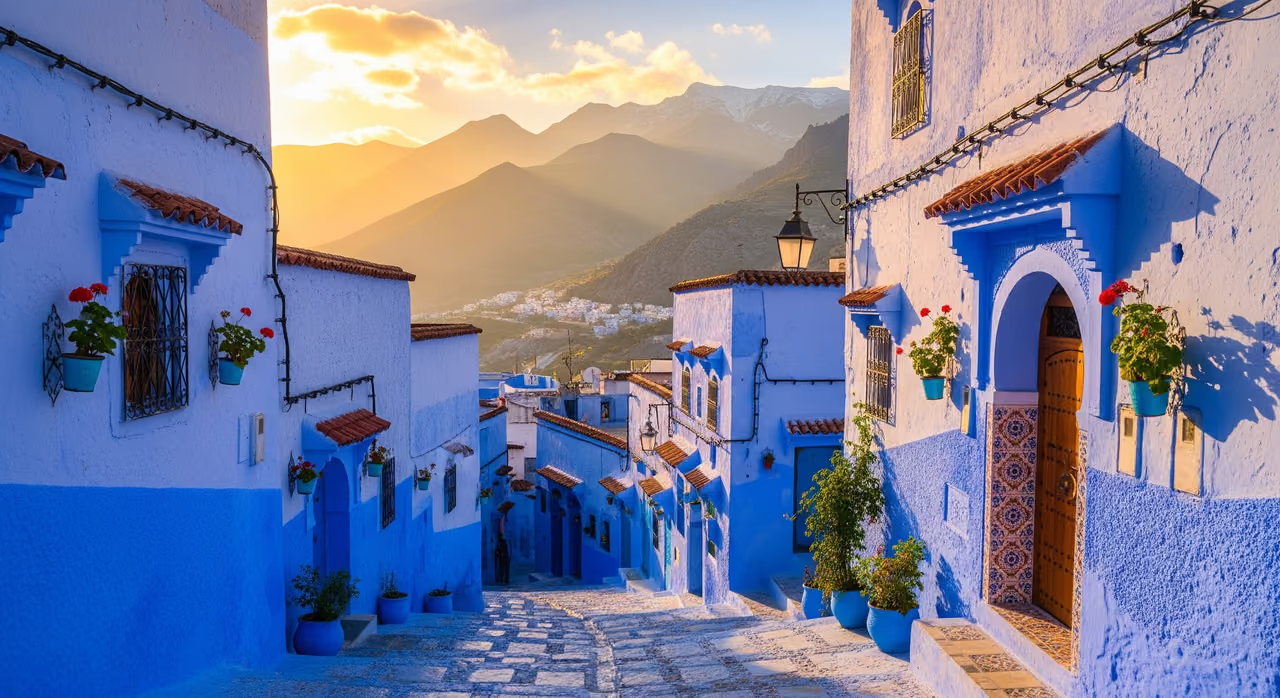
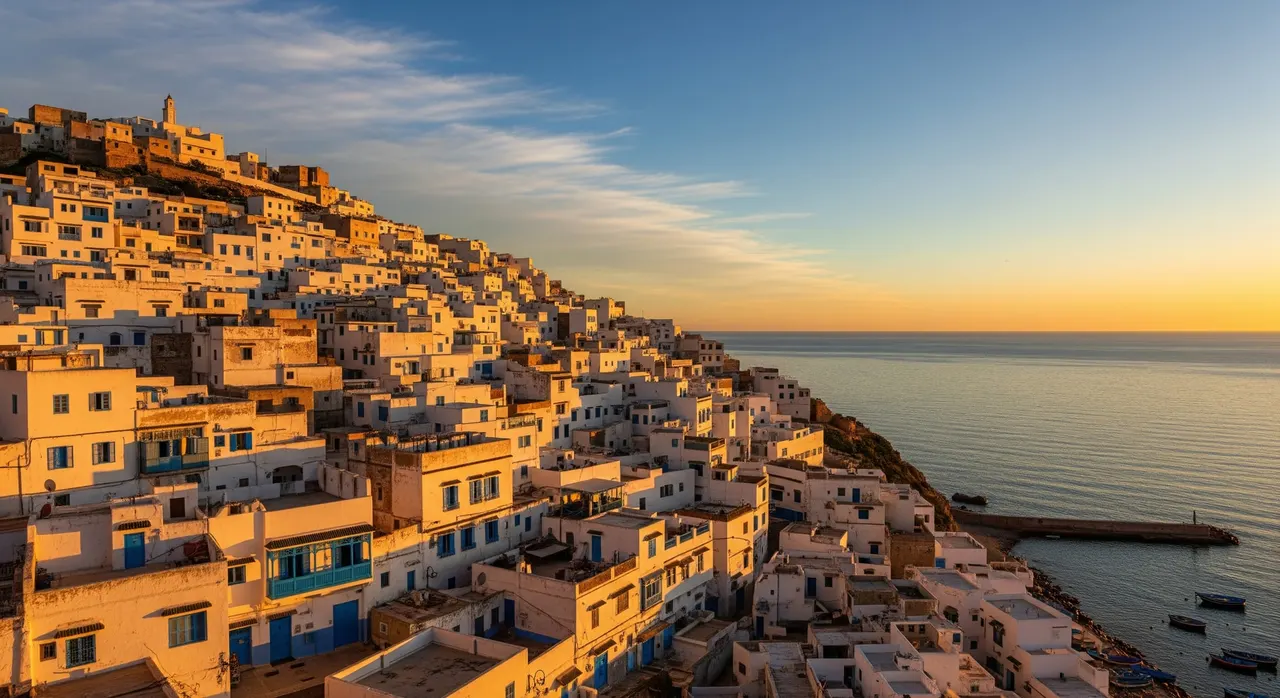
Morocco — your starting point before relocating to ThailandMorocco
From Morocco to Thailand

Make the move from Morocco

Trade Morocco for up to five years in Thailand on the DTV. We prepare and submit your entire application from wherever you are — proof of funds, category evidence and passport — so you can focus on the move, not the paperwork.

Check eligibility
Step by step

How Moroccan citizens apply for the DTV

1

Check you qualify

Almost every nationality can apply. Take our free 60-second eligibility checker to confirm your route — remote work, soft power, medical or family.

2

We prepare everything

We assemble and review your documents: proof of 500,000 THB (~$15,000), your category evidence and passport — so nothing gets rejected.

3

We submit for you

You apply from outside Thailand. We file at a Thai embassy or consulate (such as Hanoi, Ho Chi Minh, Jakarta, Vientiane or London) within one business day.

4

Get approved & move

On approval you get the 5-year, multiple-entry DTV — up to 180 days per stay, extendable once. Then make Thailand home.

Questions

DTV FAQ for Moroccan citizens

What exactly is the Destination Thailand Visa (DTV)?

The DTV is a 5-year multiple-entry visa that lets you live in Thailand and work remotely for clients or employers outside the country. You can enter and leave as often as you like, with each stay valid for up to 180 days. That stay can be extended once for an additional 180 days at a local immigration office, giving you close to a full year per entry before you need to cross a border.

Can I work remotely for a Moroccan company while on the DTV?

Yes. The DTV is designed for remote workers, freelancers, and digital nomads. As long as your income comes from outside Thailand, you can work for your Moroccan employer or run your own business without needing a separate Thai work permit.

How much money do I need to show for the DTV application?

You must prove that you hold at least 500,000 THB (approximately $15,000) in personal funds, usually shown through bank statements in your name. This demonstrates you can support yourself during your stay.

Do I apply for the DTV once I'm already in Thailand?

No. The application must be submitted from outside Thailand—from Morocco or another country where you hold legal residency. Our team prepares and submits the entire package for you, from document review to filing, so the process stays simple and stress-free.

What does your service cost, and what happens if my application is denied?

Our DTV preparation service starts from $139 and covers document review, form completion, and submission. For added peace of mind you can include our optional Denial Protection add-on: if your application is denied despite our work, you receive a 100% refund.

Are there direct flights from Morocco to Thailand?

No, there are no direct flights. You'll transit through a Gulf or Turkish hub such as Doha, Dubai, Abu Dhabi, or Istanbul. The total journey from Casablanca, Marrakech, or Rabat to Bangkok usually takes 14 to 18 hours including the layover.

How does the time difference between Morocco and Thailand affect remote work?

Thailand is 6 hours ahead of Morocco for most of the year (and 7 hours ahead during the periods when Morocco shifts to UTC+0). A standard Moroccan 9-to-5 day becomes late afternoon to evening in Thailand. Many digital nomads love this overlap because it leaves their mornings completely free for exploring while afternoons are for focused work.

Will I need to translate my documents, even if they're in French?

Most likely, yes. DTV documents are reviewed in English or Thai, and Moroccan paperwork is typically in Arabic or French, so bank statements, employment letters, and similar documents will usually need certified translations. Our team can recommend reliable translators familiar with Thai visa requirements.

Can I open a bank account in Thailand as a Moroccan?

It's possible, though banks often ask for a long-term visa like the DTV plus proof of a Thai address. Many Moroccans start with a multi-currency account such as Wise to receive and spend money while they get settled, then open a local Thai account later for added convenience.

Is halal food easy to find, and is there a Moroccan community in Thailand?

Halal food is widely available thanks to Thailand's own Muslim population, with halal restaurants, butchers, and mosques across major cities and the southern regions. The Moroccan community is small but active, especially in Bangkok and Phuket, with the occasional Moroccan café, cultural meetups, and Facebook groups such as 'Moroccans in Thailand' that are great for housing tips and friendships.

Where you apply

The Thai mission for Morocco

You submit the DTV online via the Thai e-Visa portal — but the office below covers applicants in Morocco and may review your file.

Ready to move to Thailand from Morocco?

Check your eligibility in under a minute, or let our team prepare and submit everything — with a 100% refund if your application is denied (with the optional paid Denial Protection add-on).