Skip to content
Europe

DTV Visa for Montenegrin Citizens
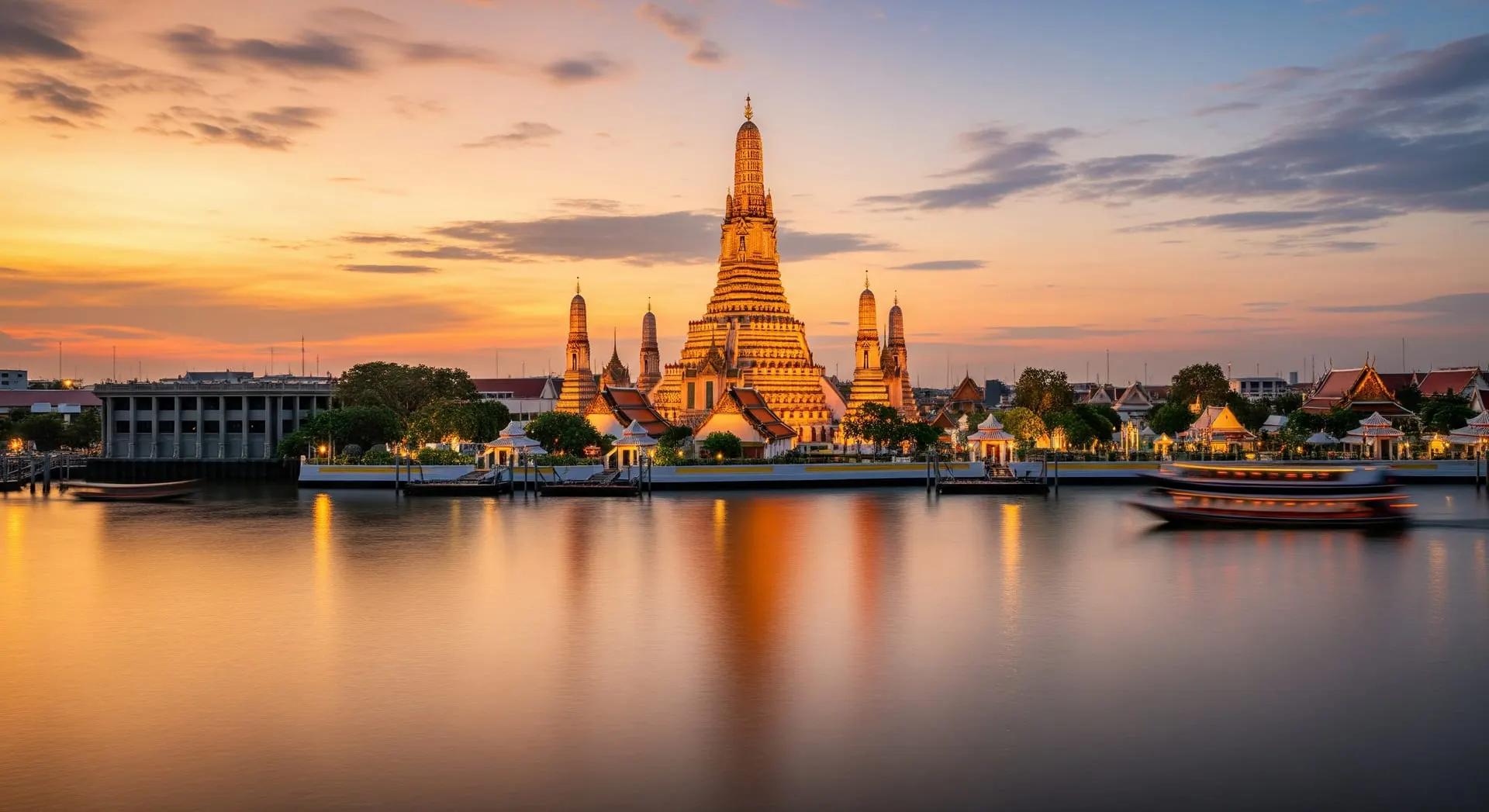
Imagine swapping the Adriatic coastline for the turquoise waters of the Andaman Sea — without giving up the relaxed, coastal pace of life you love. For Montenegrin citizens , Thailand offers an irresistible blend of tropical warmth, world-class street food, and a digital-nomad-friendly culture that feels surprisingly familiar. The Destination Thailand Visa (DTV) now makes it possible to truly settle in — whether you are a freelancer in Podgorica dreaming of a beachside office or an entrepreneur from Herceg Novi seeking fresh inspiration in Chiang Mai. It is a 5-year, multiple-entry visa built for remote workers and long-stay travellers, and you apply from outside Thailand while a specialist team prepares and submits everything for you.

Every Montenegrin citizen is eligible to apply

5

Years validity

180

Days per entry

500k

THB proof of funds

$139

Service fee from

100%

Refund if denied*

Why Montenegrin citizens choose Thailand

Living in Thailand from Montenegro

Section 01

Why Montenegrin Citizens Are Moving to Thailand

Montenegro packs dramatic Durmitor peaks and the fjord-like Bay of Kotor into a country smaller than many European cities, but its short summers and damp, chilly winters send many residents chasing year-round sun. Thailand delivers exactly that — warm tropical days and balmy evenings that reward outdoor living in every month of the year. Beyond the climate, Montenegrins are drawn to Thailand's affordable comfort: spa treatments, dining out, and modern condos all fit neatly into a freelancer's budget. The warm, community-minded culture echoes the close-knit feel of towns like Cetinje or Budva, so settling in rarely feels lonely. And as a remote worker on the DTV, you can keep earning from clients in the EU while your daily costs shrink.

DTV at a glance

A 5-year multiple-entry visa giving you up to 180 days per entry, extendable once inside Thailand for another 180 days. You show proof of 500,000 THB (~$15,000) in personal funds, apply from outside Thailand, and the company prepares and submits the whole application. Service starts from $139.

Section 02

Cost of Living: Montenegro vs Thailand

Montenegro uses the euro despite not being in the eurozone, which makes day-to-day price comparisons with Thailand refreshingly easy. The headline: most Montenegrins see their monthly outgoings fall by 30–50% in Thailand while their quality of life goes up — more space, more sun, and far cheaper eating out.

  • Rent: a one-bedroom apartment in central Podgorica runs around €400–500 a month. A modern Chiang Mai condo in the Nimman district — often with a pool, gym and co-working lounge — is roughly €280–380.
  • Eating out: a mid-range restaurant meal in Montenegro costs €15–20 per person; a fresh, filling Thai meal from a street vendor or local shophouse is €2–4.
  • Coffee culture: an espresso on the Kotor waterfront is €2–3, similar to a specialty flat white in a Chiang Mai cafe — but in Thailand you can work there all day on fast Wi-Fi.
  • Coworking: a monthly desk in Podgorica is €100–150; premium spaces in Bangkok or Chiang Mai charge €70–120.
  • Transport: a Podgorica bus pass is about €20 a month. In Bangkok the BTS Skytrain is cheap per ride, and most expats lean on Grab, motorbike taxis and songthaews instead of owning a car.

Even factoring in a couple of flights home each year and travel insurance, the savings are substantial — many people find that what funded a modest apartment in Montenegro funds a noticeably more comfortable lifestyle in Thailand.

Section 03

Getting to Thailand from Montenegro

There are no direct flights from Montenegro to Thailand, so the journey always involves at least one connection. Most travellers depart from Podgorica (TGD) or Tivat (TIV) and route through a major hub — Istanbul with Turkish Airlines, Belgrade with Air Serbia, Vienna, Frankfurt, or a Gulf carrier via Doha or Dubai. Total travel time to Bangkok (BKK or DMK) typically lands between 15 and 20 hours including the layover. From Bangkok you are a short, inexpensive domestic hop from almost anywhere — Chiang Mai in the north, or Phuket and Koh Samui in the south.

Cheaper, smoother routings

Flying from Tivat or Podgorica to Belgrade or Istanbul first, then connecting onward, is often cheaper than booking a single through-ticket. Istanbul in particular has frequent, well-timed connections to Bangkok and lets you keep your whole journey on one airline.

Time Zone Trick

Thailand (UTC+7) is 6 hours ahead of Montenegro (UTC+1) in winter and 5 hours ahead in summer, when Montenegro shifts to UTC+2. Either way, you get a calm, focused Thai morning for deep work and still overlap with Montenegrin and wider EU colleagues through your afternoon.

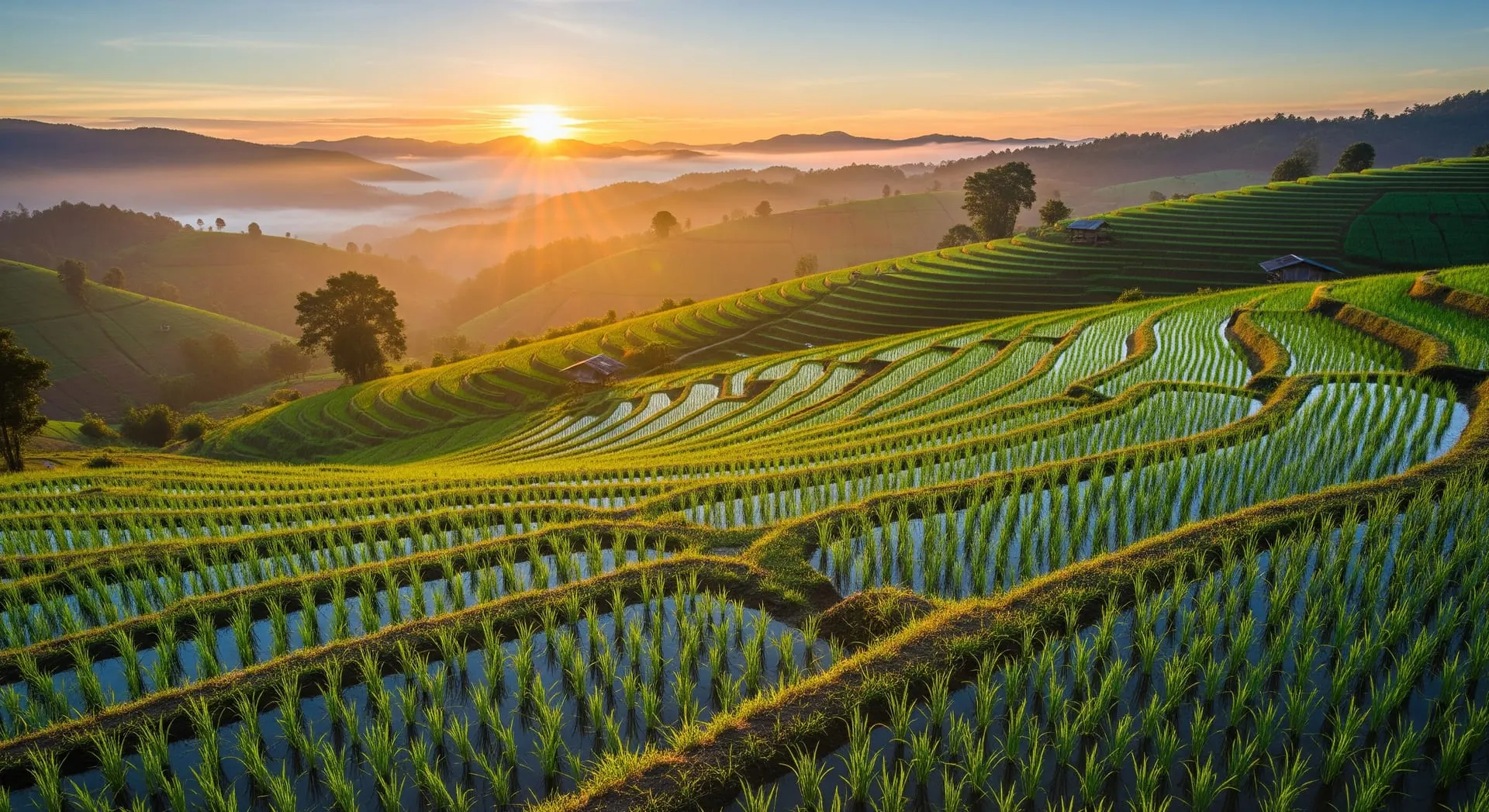
Daily life in Thailand — where Montenegrin citizens settle on the DTV
Life in Thailand — your home base on the 5-year DTV
Section 04

Where Montenegrin Expats & Nomads Settle in Thailand

The Montenegrin community in Thailand is small but steadily growing, and most newcomers cluster in a handful of well-trodden hubs. Bangkok suits those who want big-city energy, international dining, and the easiest connections onward across Southeast Asia. Chiang Mai is the digital-nomad favourite — relaxed, leafy, packed with cafes and coworking spaces, and the most affordable of the bunch; think of it as a tropical, laid-back counterpart to Cetinje. For coastline lovers, Phuket and Koh Samui deliver island living that rivals the Bay of Kotor, with warmer water and reliable sunshine, while quieter spots like Krabi or Pai offer a slower rhythm that feels wonderfully Balkan.

Section 05

Money & Banking from Montenegro

Managing money across borders is straightforward. Because Montenegro uses the euro, most people move funds with multi-currency apps like Wise or Revolut , converting euros to Thai baht at near-interbank rates rather than paying poor bank exchange margins. Once you arrive on your DTV, opening a Thai bank account with your passport and visa makes it easy to receive payments and settle bills locally. ATMs are everywhere but charge a flat fee of around 220 THB per foreign-card withdrawal, so it pays to take out larger amounts less often. Cash still rules in fresh markets and with street vendors, but Thailand's QR-code PromptPay system is now used almost everywhere, and a local bank app makes it seamless.

Proof of funds, simply put

For the DTV you demonstrate 500,000 THB (about $15,000) in personal funds — typically a recent bank statement or savings balance. There is no Thai bank deposit or property purchase required; it simply shows you can support your stay.

Section 06

Documents & Translation Requirements

Montenegro's official language is Montenegrin, written in both Latin and Cyrillic scripts, so any bank statements, proof of income, or official records you submit will most likely need a certified English translation to be accepted, since supporting documents are expected in English or Thai. This is a routine step — certified court translators (sudski tumač) are available in Podgorica and other towns, and the team handling your application will tell you exactly which documents to translate so nothing is rejected on a technicality.

  • Passport valid well beyond your intended stay, with blank pages for stamps.
  • Proof of personal funds of 500,000 THB (~$15,000), such as a recent bank statement.
  • Evidence supporting your DTV category — for example remote-work or freelance contracts, or proof of self-employment.
  • Certified English translations of any Montenegrin-language financial or official documents.
Section 07

Daily Life & Community

Day-to-day life in Thailand feels both exotic and easy. Private healthcare in Bangkok and Chiang Mai is excellent and a fraction of European prices — a specialist consultation can cost as little as €15–25. Internet is a genuine highlight: fast, cheap fibre and strong mobile data make video calls back to Montenegro effortless. The food never gets old, from fiery som tam and grilled seafood to comforting pad Thai and rich green curry. Thailand is also consistently one of the safer countries in the region for foreign residents, with a deep-rooted culture of hospitality. The Montenegrin community is still small, but Balkan and wider ex-Yugoslav expat groups on Facebook are active, and you will rarely struggle to find someone happy to share a rakija and swap tips.

  • Join local expat meetups and language exchanges to build a network fast.
  • Install Grab (rides and food) and a Thai bank app with PromptPay for frictionless daily spending.
  • Learn a few basic Thai phrases — locals genuinely appreciate the effort and it opens doors.
  • Get private health insurance early; care is superb and affordable, but you want cover from day one.
  • Explore beyond the tourist trail — Pai, Krabi and Nan reward a slower pace that feels familiar to anyone from small-town Montenegro.
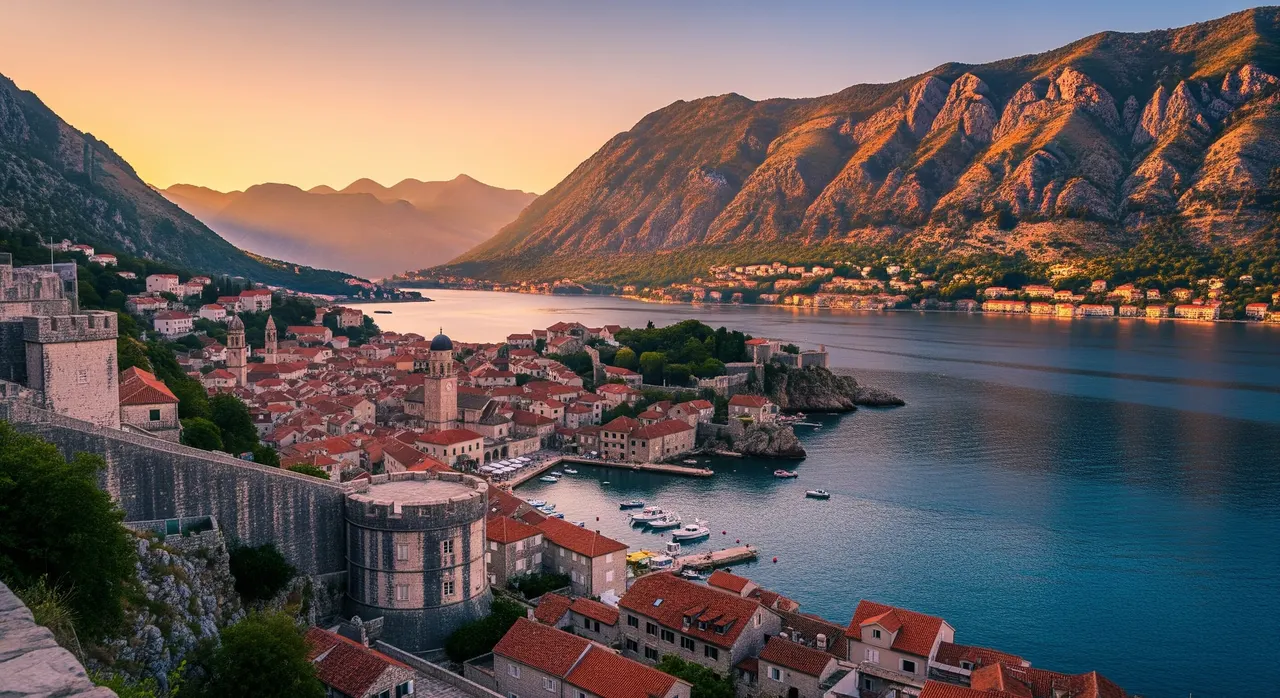
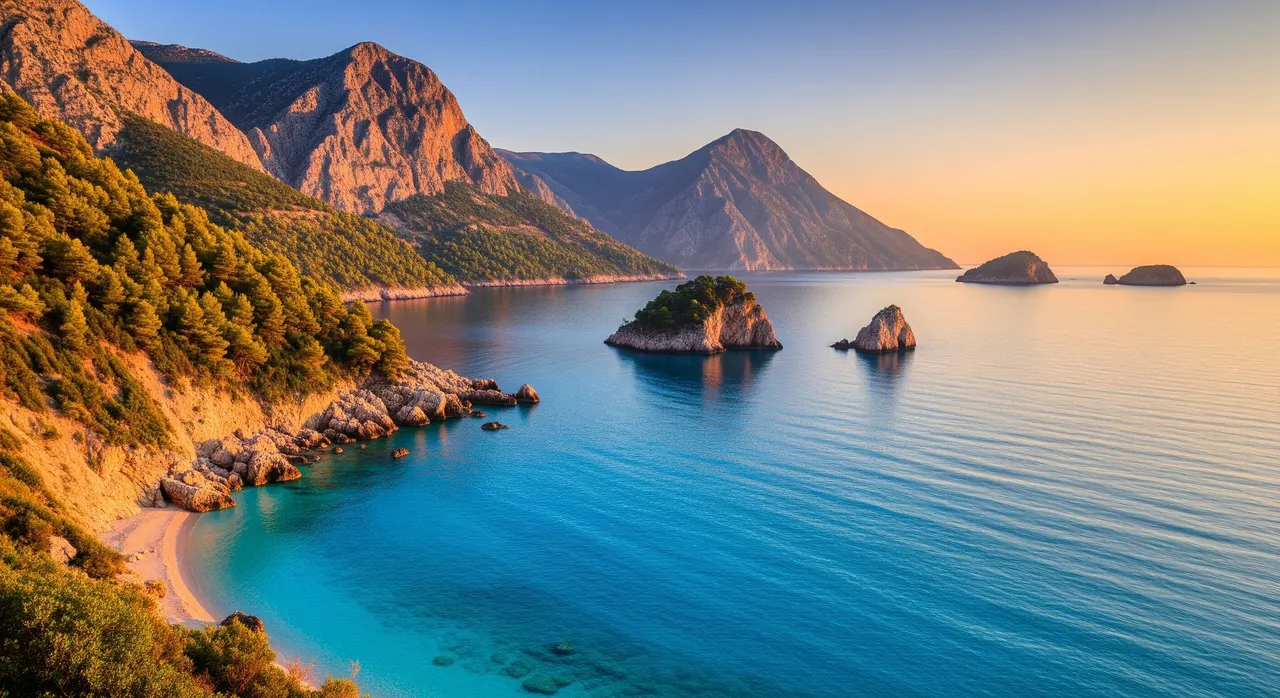
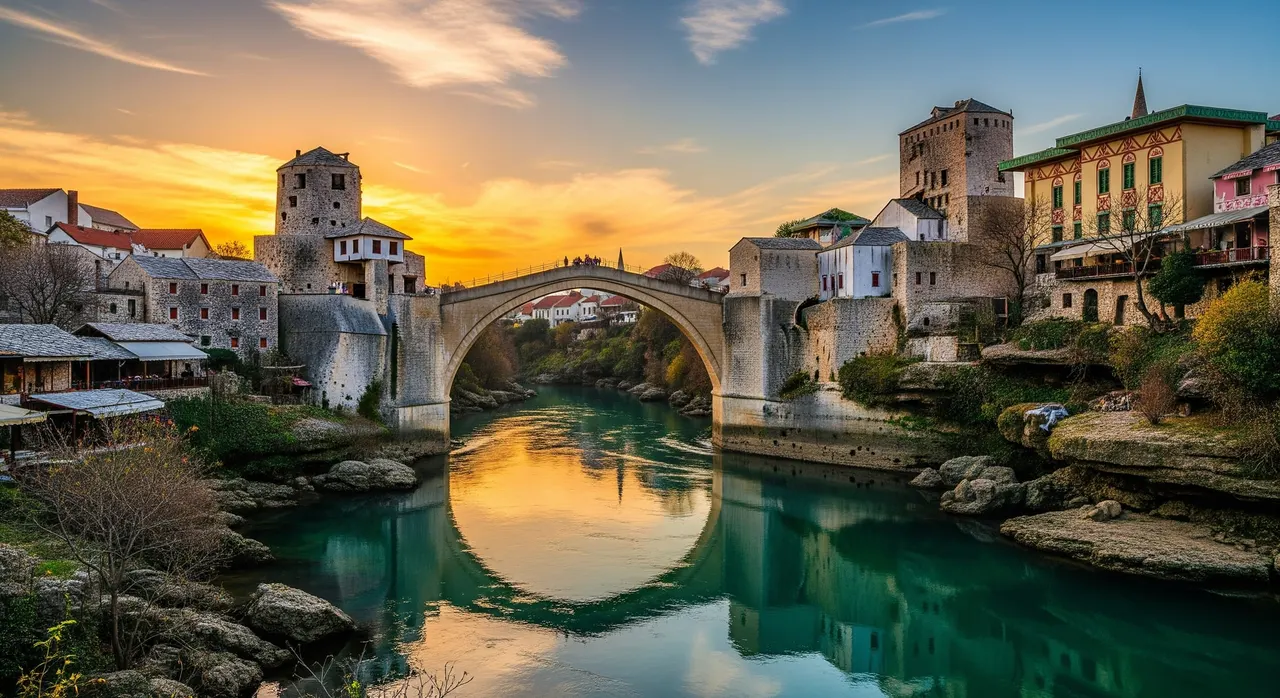
Montenegro — your starting point before relocating to ThailandMontenegro
From Montenegro to Thailand

Make the move from Montenegro

Trade Montenegro for up to five years in Thailand on the DTV. We prepare and submit your entire application from wherever you are — proof of funds, category evidence and passport — so you can focus on the move, not the paperwork.

Check eligibility
Step by step

How Montenegrin citizens apply for the DTV

1

Check you qualify

Almost every nationality can apply. Take our free 60-second eligibility checker to confirm your route — remote work, soft power, medical or family.

2

We prepare everything

We assemble and review your documents: proof of 500,000 THB (~$15,000), your category evidence and passport — so nothing gets rejected.

3

We submit for you

You apply from outside Thailand. We file at a Thai embassy or consulate (such as Hanoi, Ho Chi Minh, Jakarta, Vientiane or London) within one business day.

4

Get approved & move

On approval you get the 5-year, multiple-entry DTV — up to 180 days per stay, extendable once. Then make Thailand home.

Questions

DTV FAQ for Montenegrin citizens

What is the Destination Thailand Visa (DTV) for Montenegrin citizens?

The DTV is a 5-year multiple-entry visa that lets Montenegrin citizens stay in Thailand up to 180 days per entry, extendable once inside Thailand for a further 180 days. It is designed for remote workers, digital nomads, and long-stay visitors who earn from outside Thailand.

How much money do I need to prove as a Montenegrin citizen?

You show proof of 500,000 THB (~$15,000) in personal funds — usually a recent bank statement or savings balance. There is no requirement to deposit money in a Thai bank or buy property; it simply demonstrates you can support your stay.

Can I apply for the DTV from within Thailand?

No — you must apply from outside Thailand. The good news is the company prepares and submits the entire application on your behalf, so the process stays simple and stress-free wherever you are.

How much does the DTV service cost for Montenegrin applicants?

The service starts from $139 and covers end-to-end support, from document preparation and translation guidance to submission, so your move to Thailand is as smooth as possible.

What happens if my DTV application is denied?

With the optional Denial Protection add-on, you receive a 100% refund if your visa is denied. Each application is prepared carefully to give it the strongest possible chance.

How long does it take to fly from Montenegro to Thailand?

There are no direct flights. From Podgorica (TGD) or Tivat (TIV) you connect through a hub such as Istanbul, Belgrade, Vienna, Doha or Dubai, with total travel time to Bangkok usually 15–20 hours including the layover.

What is the time difference between Montenegro and Thailand?

Thailand (UTC+7) is 6 hours ahead of Montenegro in winter and 5 hours ahead in summer, when Montenegro moves to UTC+2. This leaves a quiet Thai morning for focused work and a comfortable afternoon overlap with EU colleagues.

Do Montenegrins need to translate documents for the DTV?

Most likely yes. Because the official language is Montenegrin, financial and official documents such as bank statements should be accompanied by a certified English translation, as supporting documents are expected in English or Thai. Certified court translators are widely available in Montenegro.

Is there a Montenegrin community in Thailand?

It is small but growing. Montenegrins and other Balkan expats connect through social-media groups and meetups in Bangkok, Chiang Mai and Phuket, so you will find a warm welcome and people glad to share local know-how.

Can I work for a Montenegrin company while on the DTV in Thailand?

Yes. The DTV is built for remote work — you can legally work for an employer or clients in Montenegro or anywhere outside Thailand, as long as the work is performed remotely and your income comes from abroad.

Ready to move to Thailand from Montenegro?

Check your eligibility in under a minute, or let our team prepare and submit everything — with a 100% refund if your application is denied (with the optional paid Denial Protection add-on).