Skip to content
Asia

DTV Visa for Mongolian Citizens
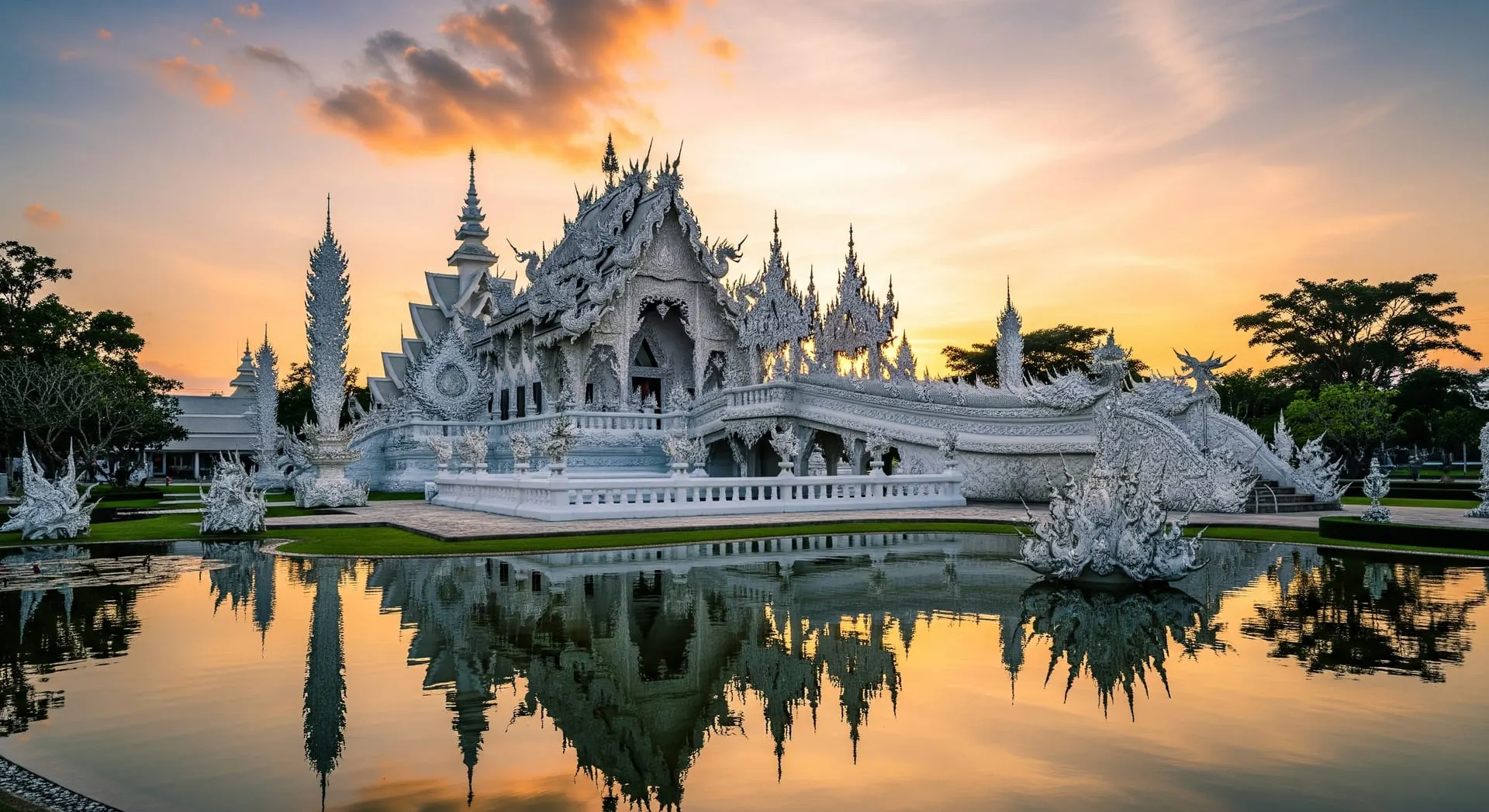
For adventurous Mongolians, Thailand offers a compelling blend of tropical warmth, affordable comfort, and a vibrant digital-nomad scene that is hard to ignore. Whether you are escaping Ulaanbaatar's brutal winters or simply want a place where your tögrög stretches further, the Land of Smiles delivers year-round sunshine, world-class street food, and a welcoming community of remote workers. With the Destination Thailand Visa (DTV), Mongolian citizens can base themselves in Thailand for up to five years on a single multiple-entry visa, working remotely the whole time.

Every Mongolian citizen is eligible to apply

5

Years validity

180

Days per entry

500k

THB proof of funds

$139

Service fee from

100%

Refund if denied*

Why Mongolian citizens choose Thailand

Living in Thailand from Mongolia

Section 01

Why Mongolian Citizens Are Moving to Thailand

Mongolia's extreme continental climate, with winters that routinely plunge below minus 30C and short, dusty summers, drives many to seek refuge in Thailand's reliably warm weather. The contrast is stark: instead of layering up against the cold and battling Ulaanbaatar's winter smog, you can swap heavy coats for sandals and enjoy beaches, jungles, and centuries-old temples. Beyond climate, Thailand's lower cost of living, rich food culture, fast internet, and mature infrastructure for remote workers make it a natural choice. Mongolians consistently praise Thai hospitality, the affordable world-class healthcare, and a setting where deep relaxation and serious productivity sit side by side.

The DTV at a Glance

The Destination Thailand Visa is a 5-year multiple-entry visa. Each entry lets you stay up to 180 days, and you can extend once inside Thailand for a further 180 days, giving up to a full year per visit before a quick border hop resets the clock. You need to show proof of 500,000 THB (about $15,000) in personal funds. You apply from outside Thailand, and our team prepares and submits the entire application for you. Service starts from $139, with an optional Denial Protection add-on that secures a 100% refund if your application is denied.

Section 02

Cost of Living: Mongolia vs Thailand

If you are used to prices in Ulaanbaatar, Thailand will feel both familiar and refreshingly affordable. Rent for a modern, furnished one-bedroom condo, often with a pool and gym, can cost less than an equivalent apartment in central UB, and cities like Chiang Mai stretch your budget even further. Everyday spending on groceries, eating out, and getting around is gentle on the wallet. Where a mid-range restaurant meal in Ulaanbaatar might run 45,000 to 60,000 MNT, a generous Thai dinner often costs a third of that, and a plate of street food rarely tops 60 baht. Coworking desks, high-speed fibre, and gym memberships are all excellent value, freeing up income for travel and experiences across Southeast Asia.

Cost Snapshot: Ulaanbaatar vs Chiang Mai

A one-bedroom apartment in central Ulaanbaatar averages roughly 2 to 4 million MNT per month. In Chiang Mai, a comparable Thai condo with a pool runs about 8,000 to 14,000 THB. Dining out: a nice restaurant meal in UB is around 45,000 to 60,000 MNT, versus roughly 150 to 300 THB in Thailand. Local transport is cheap in both, but Bangkok's BTS Skytrain (15 to 60 THB a ride) and ubiquitous ride-hailing apps make Thai cities far easier to navigate than UB's congested bus network.

Section 03

Getting to Thailand from Mongolia

There are no direct flights from Ulaanbaatar to Bangkok, but reliable one-stop connections run via Beijing, Seoul (Incheon), Hong Kong, and Istanbul. MIAT Mongolian Airlines, Korean Air, Air China, and Turkish Airlines all serve useful routings, with total travel time typically 9 to 15 hours depending on your layover. Seoul and Beijing are usually the quickest hubs. You will land at Bangkok's Suvarnabhumi (BKK) or Don Mueang (DMK), from where cheap domestic flights connect to Chiang Mai, Phuket, and beyond. Jet lag is barely an issue: Mongolia (UTC+8) is just one hour ahead of Thailand (UTC+7), so your body clock hardly notices the change.

Remote Work Timing Tip

Because Mongolia is only one hour ahead, coordinating with colleagues or clients back in Ulaanbaatar is effortless. Schedule calls in the Thai morning to overlap with UB's working day, then finish by mid-afternoon and reclaim the evening for the beach, the gym, or a temple stroll.

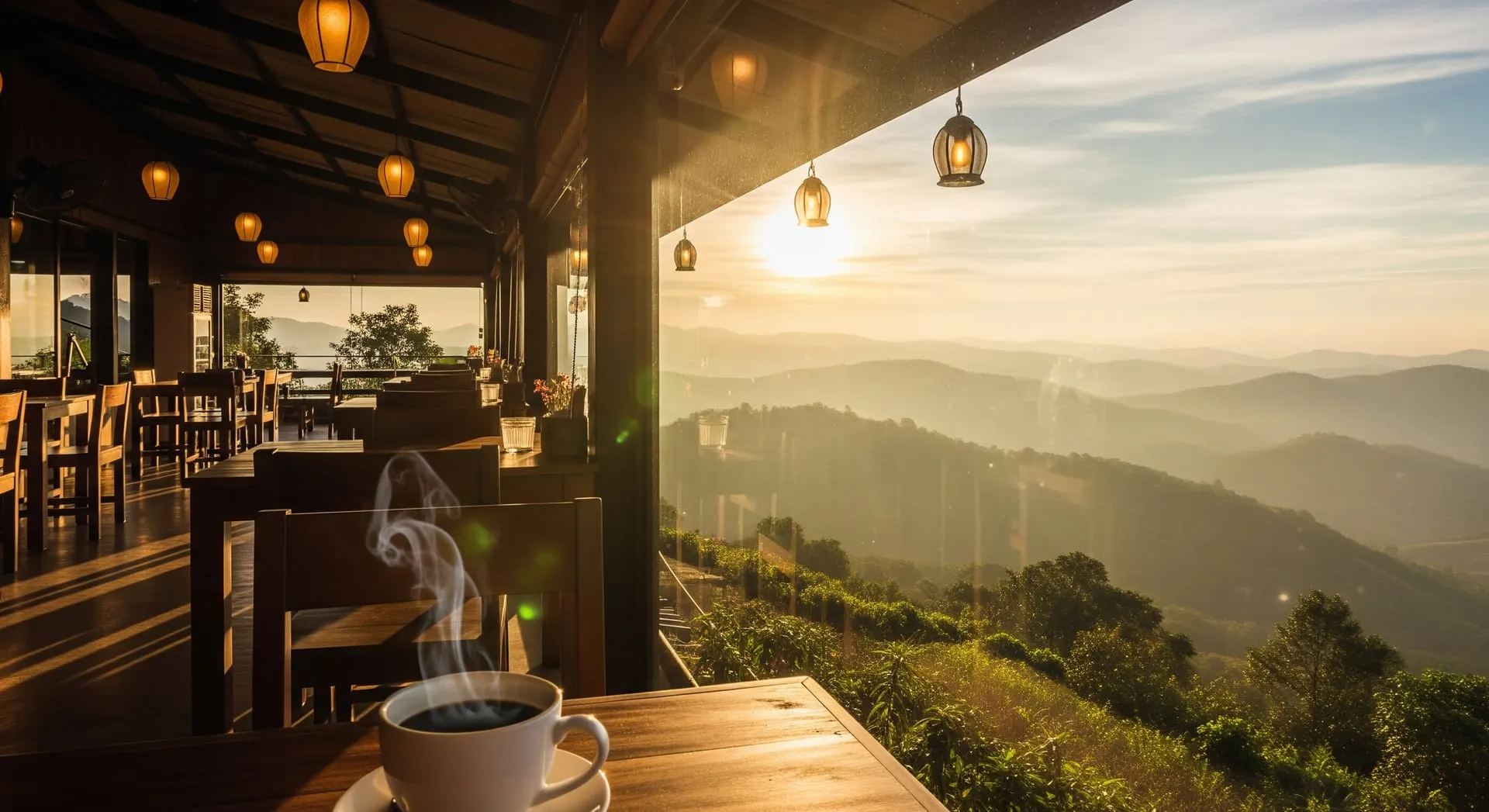
Daily life in Thailand — where Mongolian citizens settle on the DTV
Life in Thailand — your home base on the 5-year DTV
Section 04

Where Mongolian Expats and Nomads Settle in Thailand

  • Bangkok: The energetic capital draws Mongolians chasing business opportunities, world-class dining, and an international lifestyle. The Sukhumvit and Ari neighbourhoods are favourites for their coworking spaces, condos, and global community.
  • Chiang Mai: Tucked into the northern mountains, this laid-back city offers cooler air, low rents, and Thailand's most established digital-nomad scene. Its slower pace and mountain backdrop appeal to those who love Mongolia's wide-open landscapes.
  • Phuket and the islands: For a complete change from landlocked Mongolia, Phuket, Koh Samui, and Krabi serve up beaches, diving, and a relaxed seaside expat community with good flight links.
  • Pattaya and Hua Hin: Both are within a couple of hours of Bangkok, with modern condos, sea views, and a steady, growing community of remote workers from across Asia.
Section 05

Money and Banking: Managing Funds from Mongolia

You will move money regularly to fund your Thai life, so it pays to plan. International transfers from Mongolian banks are dependable but can carry fees and weaker exchange rates, so multi-currency services such as Wise often deliver better value for routine transfers. In Thailand, ATMs are everywhere but charge a flat foreign-card fee of around 220 THB per withdrawal, so larger, less frequent withdrawals or a local account save real money over time. For the DTV you will need to demonstrate 500,000 THB (about $15,000) in personal funds, so build that balance well before you apply and keep clear statements showing it.

Thai Bank Account Tip

Once your DTV is approved and you have a Thai address, opening a local account is much easier. Visit a major bank such as Kasikorn (KBank) or SCB with your passport, visa, and proof of residence. With a long-stay visa in hand many applicants walk out with an account the same day, which ends those 220 THB ATM fees and makes paying rent and bills far simpler.

Section 06

Documents and Translation: What You Need from Mongolia

Mongolia's official language is Mongolian, written in the Cyrillic script, so your supporting documents will likely need certified English or Thai translations to be accepted. That typically covers bank statements, proof of income or remote employment, and any identity or civil documents requested. The good news is that we guide you through exactly which documents are required and the right format for each, so nothing is left to guesswork. The application itself is handled for you: you gather and translate the paperwork from home in Mongolia, and our team prepares and submits everything once you are outside Thailand.

Documents You Will Likely Prepare

A passport valid for at least six months, recent bank statements showing 500,000 THB (about $15,000) in personal funds, proof of remote work or freelance income (employment letter, contracts, or business registration), and a passport-style photo. Mongolian-language documents will generally need a certified English or Thai translation. We confirm the exact list and formatting for your situation before submission.

Section 07

Daily Life and Community in Thailand

Thailand offers a comfortable, well-connected daily life. High-speed fibre is cheap and widespread, and strong 4G and 5G coverage in the cities keeps video calls to Mongolia smooth. Healthcare is a major draw: private hospitals such as Bumrungrad and Bangkok Hospital are internationally accredited and a fraction of the cost of Western private care. Street food is safe, delicious, and absurdly cheap, while supermarkets stock plenty of imports when you miss home cooking. The Mongolian community is modest but warm, gathering through social-media groups and the occasional get-together, and the broader expat network in Bangkok and Chiang Mai makes it easy to find your feet quickly.

  • Search for a 'Mongolians in Thailand' Facebook group for local tips, apartment leads, and networking.
  • Mark Tsagaan Sar (Lunar New Year) in your calendar; expat circles often organise traditional meals and meetups.
  • Lean on the wider Bangkok and Chiang Mai nomad communities for coworking events, visa runs, and weekend trips.
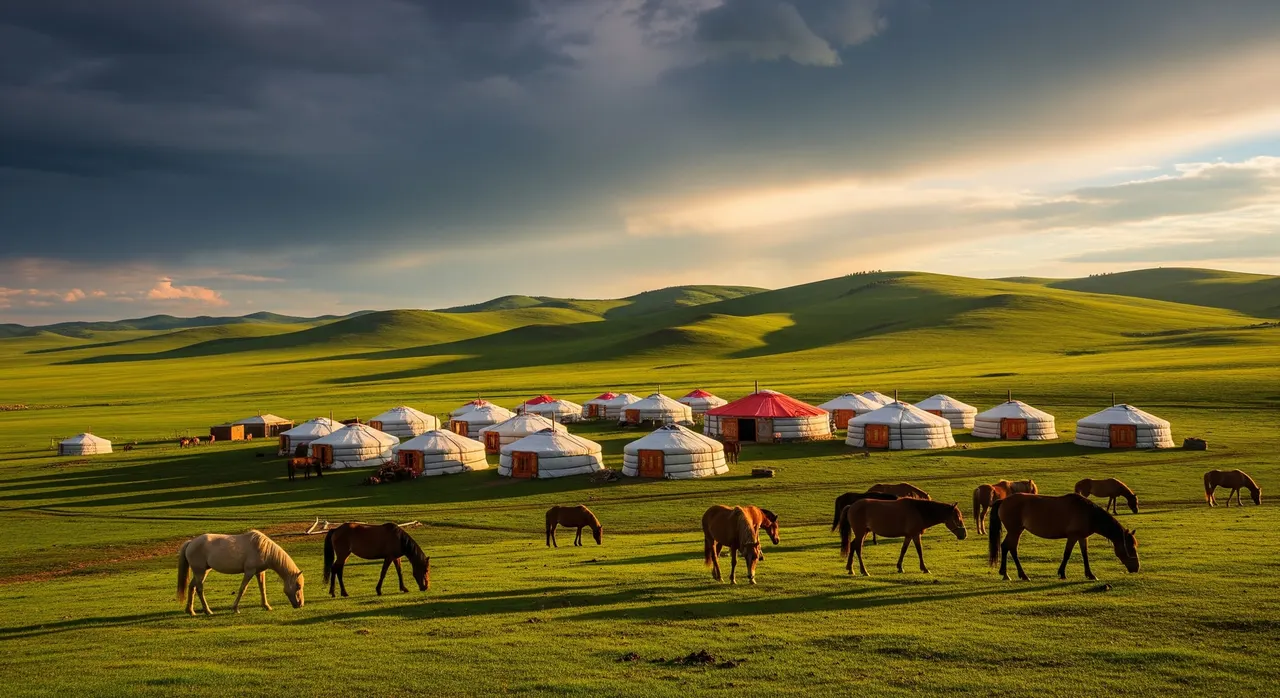
Mongolia — your starting point before relocating to ThailandMongolia
From Mongolia to Thailand

Make the move from Mongolia

Trade Mongolia for up to five years in Thailand on the DTV. We prepare and submit your entire application from wherever you are — proof of funds, category evidence and passport — so you can focus on the move, not the paperwork.

Check eligibility
Step by step

How Mongolian citizens apply for the DTV

1

Check you qualify

Almost every nationality can apply. Take our free 60-second eligibility checker to confirm your route — remote work, soft power, medical or family.

2

We prepare everything

We assemble and review your documents: proof of 500,000 THB (~$15,000), your category evidence and passport — so nothing gets rejected.

3

We submit for you

You apply from outside Thailand. We file at a Thai embassy or consulate (such as Hanoi, Ho Chi Minh, Jakarta, Vientiane or London) within one business day.

4

Get approved & move

On approval you get the 5-year, multiple-entry DTV — up to 180 days per stay, extendable once. Then make Thailand home.

Questions

DTV FAQ for Mongolian citizens

How long is the flight from Mongolia to Thailand?

There are no direct flights. One-stop routings via Beijing, Seoul (Incheon), Hong Kong, or Istanbul typically take 9 to 15 hours including the layover, with Seoul and Beijing usually the fastest connections. Most flights arrive at Bangkok's Suvarnabhumi Airport.

What is the time difference between Mongolia and Thailand?

Mongolia is on UTC+8 and Thailand on UTC+7, so Thailand is just one hour behind Ulaanbaatar. That single-hour gap makes coordinating with teams or clients back home almost effortless.

Can I work remotely for my Mongolian employer on the DTV?

Yes. The Destination Thailand Visa is built for remote workers. You can live in Thailand and keep working for a Mongolian company or freelance for clients anywhere in the world.

How much does it cost to apply for the DTV from Mongolia?

Our DTV service starts from $139. You can also add optional Denial Protection, which guarantees a 100% refund if your application is denied.

Do I need to translate my Mongolian documents?

Most likely, yes. Because Mongolia's official language is Mongolian (Cyrillic script), supporting documents such as bank statements usually need a certified English or Thai translation before submission. We tell you exactly what is required for your case.

How long can I stay in Thailand on the DTV?

Each entry allows a stay of up to 180 days, which you can extend once inside Thailand for another 180 days, for up to a full year per visit. After that a quick border hop and re-entry resets the clock. The visa itself stays valid for 5 years.

What proof of funds do I need?

You must show evidence of 500,000 THB (about $15,000) in personal funds. The money can be held in any currency as long as it meets the Thai baht equivalent, supported by clear bank statements.

Do I have to travel to Thailand to apply?

No. You apply from outside Thailand, and our team prepares and submits the entire application for you. You gather and translate your documents from home in Mongolia, then enter Thailand once the visa is issued.

Can I bring my family from Mongolia?

Yes. Your spouse and dependent children can be included so the whole family can live in Thailand together while you are on the DTV.

Is the cost of living really lower than in Mongolia?

In most everyday categories, especially dining out, transport, and accommodation outside central Bangkok, Thailand is noticeably cheaper. Many Mongolians find they enjoy a higher standard of living for the same or less money, with the bonus of a far warmer climate.

Ready to move to Thailand from Mongolia?

Check your eligibility in under a minute, or let our team prepare and submit everything — with a 100% refund if your application is denied (with the optional paid Denial Protection add-on).