Skip to content
Americas

DTV Visa for Mexican Citizens
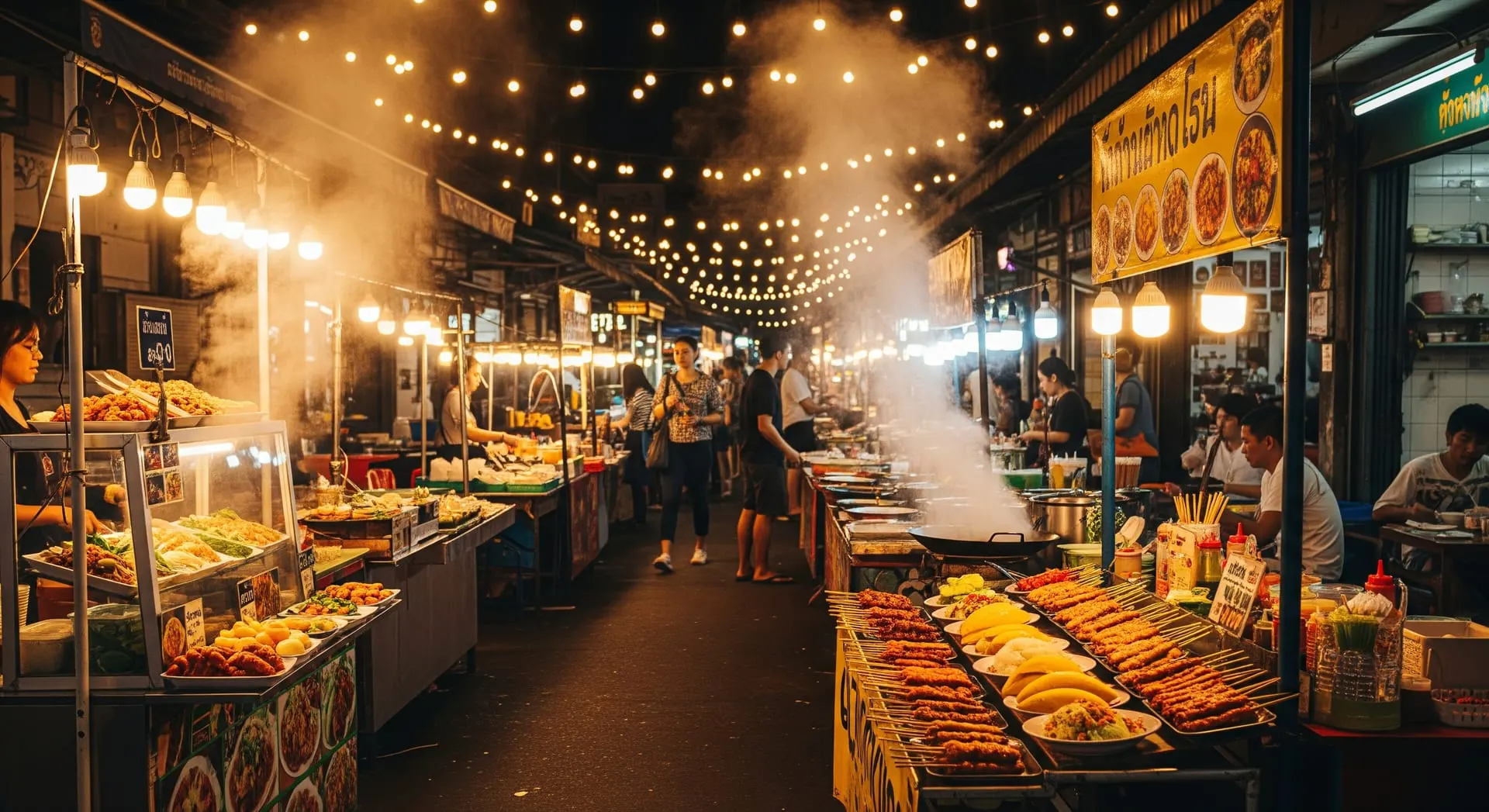
Dreaming of trading the daily grind for tropical beaches, ancient temples and a cost of living that lets you truly live? For citizens of Mexico, the Destination Thailand Visa (DTV) is your route to a five-year base in one of the world's most captivating destinations. Whether you're a remote worker craving a change of scenery, a freelancer chasing inspiration or simply ready for a long Southeast Asian chapter, Thailand pairs modern comforts with cultural richness — and you apply from home in Mexico, before you ever board the plane. Here's exactly how Mexicans can make the leap to the Land of Smiles.

Every Mexican citizen is eligible to apply

5

Years validity

180

Days per entry

500k

THB proof of funds

$139

Service fee from

100%

Refund if denied*

Why Mexican citizens choose Thailand

Living in Thailand from Mexico

Section 01

Why Mexicans Are Choosing Thailand for Long-Term Living

From the buzz of Mexico City to the serene shores of Cancún, Mexico offers a rich quality of life — yet many Mexicans are discovering that Thailand stretches their money and their sense of adventure even further. The climate is a major draw: Thailand's tropical weather trades the arid extremes of northern Mexico's deserts for a year-round green landscape and a coastal breeze. The lifestyle upgrade is tangible — world-class street food for less than a taco al pastor back home, reliable high-speed internet for seamless remote work, and a deep-rooted culture of hospitality that echoes the warmth of Mexican communities. Add political stability and stunning natural beauty, from the misty mountains of the north to the turquoise islands of the south, and the appeal is obvious.

For Mexicans used to a vibrant outdoor and social culture, Thailand's bustling markets, lively nightlife and near-constant calendar of festivals feel familiar yet thrillingly new. Buddhist traditions and a strong family-centric streak also resonate with Mexican values, making the transition feel less like a leap and more like a homecoming you didn't expect.

The DTV at a Glance

The Destination Thailand Visa is a 5-year, multiple-entry visa. Each entry lets you stay up to 180 days, extendable once for a further 180 days. You'll show proof of 500,000 THB (~$15,000) in personal funds, and you apply from outside Thailand — our team prepares and submits the entire application for you, with service starting from $139.

Section 02

Cost of Living: Mexico vs. Thailand — A Direct Comparison

One of the most compelling reasons for Mexicans to look at Thailand is the difference in living costs. Mexico is already far cheaper than the US or Europe, yet Thailand still tends to shave 20–40% off everyday expenses — especially housing, eating out and coworking. The peso (MXN) and the baht (THB) sit at a rough 1.7 MXN to 1 THB, so the conversions below are quick mental math once you're settled.

  • Rent: A modern one-bedroom in Bangkok's central Sukhumvit district averages 18,000–30,000 THB (about 30,000–51,000 MXN), while a comparable flat in Mexico City's Condesa or Roma runs 22,000–38,000 MXN. In Chiang Mai you can rent a stylish studio for as little as 8,000 THB (~14,000 MXN).
  • Meals: A plate of street-side pad thai costs around 50–60 THB (~90–100 MXN). A full meal for two at a casual mid-range restaurant rarely tops 600 THB (~1,000 MXN), comparable to a sit-down comida corrida-plus in a Mexican city.
  • Coworking: Monthly hot-desk memberships run 2,500–5,000 THB (~4,300–8,500 MXN), usually with fast fibre and free coffee — broadly in line with Mexico's better coworking spaces but with lower rent and food around them.
  • Transport: A one-way Bangkok BTS Skytrain ride starts at 17 THB (~30 MXN). Mexico City's Metro is famously cheap at 5 MXN, but Bangkok's network is faster and more comfortable, and ride-hailing across Thailand generally runs lower than in major Mexican cities.

Daily Budget Snapshot

In Chiang Mai, a single Mexican remote worker can live comfortably on 25,000–35,000 THB (roughly $700–$1,000) a month, covering rent, food, coworking and a social life. Matching that lifestyle in Guadalajara or Mexico City typically costs noticeably more once rent and dining out are added up.

Section 03

Getting to Thailand from Mexico: Flights, Routes & Time Zones
Thailand can feel a world away, but it's more reachable than you'd guess. There are no direct flights from Mexico, so from Mexico City (MEX), Cancún (CUN) or Guadalajara (GDL) you'll connect once or twice — commonly through US hubs like Los Angeles, Houston or Dallas, European gateways like Paris, Frankfurt or Madrid, or Gulf carriers such as Emirates and Qatar Airways via Dubai or Doha. Total journey times run from around 22 hours on a tight one-stop itinerary to 30-plus hours with longer layovers. The transpacific leg from the US West Coast to Bangkok (BKK) is roughly 17–18 hours of flying, so a Mexico City–Los Angeles–Bangkok routing is one of the more efficient options.

The time gap is real but workable. Mainland Mexico runs on Central Standard Time (UTC−6), while Thailand uses Indochina Time (UTC+7) — a 13-hour difference for most of the year, narrowing to 12 hours when Mexico is on daylight saving. When it's 9 AM in Mexico City, it's about 9 PM in Bangkok. For remote workers serving Mexican clients, your late afternoon and evening line up with their morning, so calls and deadlines are manageable if you embrace a later schedule and lean on async tools.

Jet Lag Hack

Aim for a flight that lands in Bangkok in the morning, then push through until at least 8 PM local time before sleeping. Tropical sunlight and a walk through a street-food market will reset your body clock faster than any app.

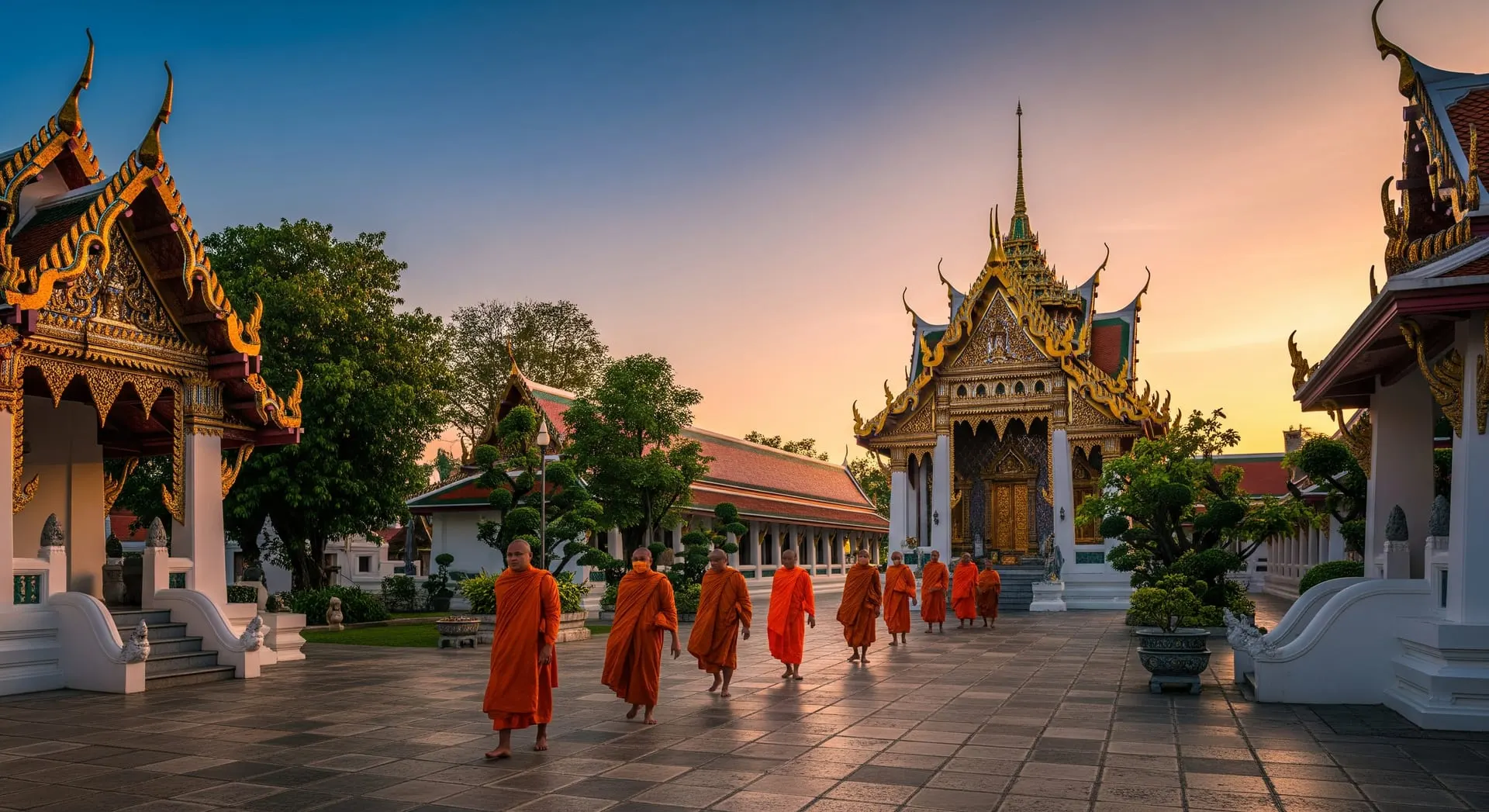
Daily life in Thailand — where Mexican citizens settle on the DTV
Life in Thailand — your home base on the 5-year DTV
Section 04

Where Mexican Expats & Nomads Settle in Thailand

Mexicans tend to gravitate toward the same hubs as global nomads, but each spot has its own character. Bangkok is the natural landing pad — a megacity where neighbourhoods like Ekkamai, Thonglor and Ari pack in coworking spaces, international restaurants and a nightlife that rivals Mexico City's energy. Chiang Mai , in the north, is loved for its slower pace, mountain backdrop and deep digital-nomad community; many compare its creative, walkable feel to San Cristóbal de las Casas, but with stronger infrastructure. Down south, Phuket and Koh Samui draw those who want to mix work with beach life — think Tulum or Puerto Vallarta, but typically with better services and lower prices. Koh Phangan has a bohemian, wellness-focused scene that resonates with Mexicans chasing a more holistic rhythm.

Finding Home Comforts in Bangkok

The Mexican community in Thailand is small but visible. You'll find Mexican-run taquerías and cantinas around Bangkok's Sukhumvit and Thonglor areas, and the "Mexicanos en Tailandia" Facebook group is a reliable place to swap tips, find a craving-fix and meet fellow paisas.

Section 05

Money & Banking: Managing Finances from Mexico

Moving money from Mexico to Thailand is straightforward with a little planning. The local currency is the Thai baht (THB), and you'll get the best value by withdrawing from ATMs or using a multi-currency account like Wise — skip airport exchange counters, which offer poor rates. For larger transfers, Wise and similar services send Mexican pesos straight to a Thai bank account at low cost. Cards are widely accepted in the cities, but markets and small shops run on cash, so always keep baht on hand. Note that Thai ATMs charge a fixed fee of about 220 THB per foreign-card withdrawal, so it pays to take out larger sums less often. Opening a local Thai bank account is possible on a long-stay visa and usually calls for proof of address; once you have one, day-to-day spending gets cheaper and simpler.

Section 06

Documents & Translation: What Mexicans Need

Mexico's official language is Spanish, so the supporting documents you provide for your DTV application — bank statements, proof of funds, employment or freelance evidence — will likely need to be in English or Thai. In practice that means arranging certified English translations of your Spanish-language paperwork. Plan ahead and use a translator accredited by a recognised body (for example a perito traductor certified by a Mexican court, or an experienced certified visa-translation service). Freelancers who invoice in Spanish should be ready to translate contracts or invoices if they're used as supporting evidence. It's a routine, affordable step — and the good news is that our team handles the preparation and submission of the whole application, so you simply gather the documents and let us assemble them.

Organise Before You Translate

Pull together at least the last few months of bank statements and any proof-of-income documents first, then translate them in one batch. It's cheaper than piecemeal jobs and avoids last-minute scrambles once your application is being assembled.

Section 07

Daily Life & Community: What Awaits You in Thailand

Healthcare in Thailand is a standout — private hospitals in Bangkok and Chiang Mai rival those in the US or Europe at a fraction of the cost, with English-speaking staff and short waits. A routine doctor's visit often costs under 1,000 THB (~1,700 MXN), and expat health insurance is affordable. Connectivity is excellent too: fibre speeds reach up to 1 Gbps in most cities, making video calls and live streaming effortless. Thai cuisine needs no introduction, but beyond pad thai and green curry you'll find intensely regional dishes, while international supermarkets stock tortillas, chillies and the makings of a decent salsa for the days you crave home. And Thailand consistently ranks among the safest countries in Asia, with low violent-crime rates that give you room to explore with confidence.

  • Healthcare: World-class private hospitals with English-speaking staff; a routine dental cleaning runs around 800 THB (~1,400 MXN).
  • Internet: Coworking spaces and cafés offer fast, reliable WiFi, and 5G is widespread across urban areas.
  • Food: From street stalls to fine dining, Thailand is a culinary paradise — and you can still track down Mexican restaurants when the nostalgia hits.
  • Safety: Violent crime is rare; common-sense care with belongings in crowded markets is all that's needed.
  • Community: Smaller than in the US or Spain, but the Mexican expat scene is growing, with social-media groups organising regular meetups and events.
Stay Connected to Mexico

Lean on WhatsApp and Zoom for free calls home, and use a streaming setup to catch Liga MX matches or your favourite series. With a 12–13 hour gap, voice messages and async updates keep family and clients in the loop without anyone setting a 3 AM alarm.

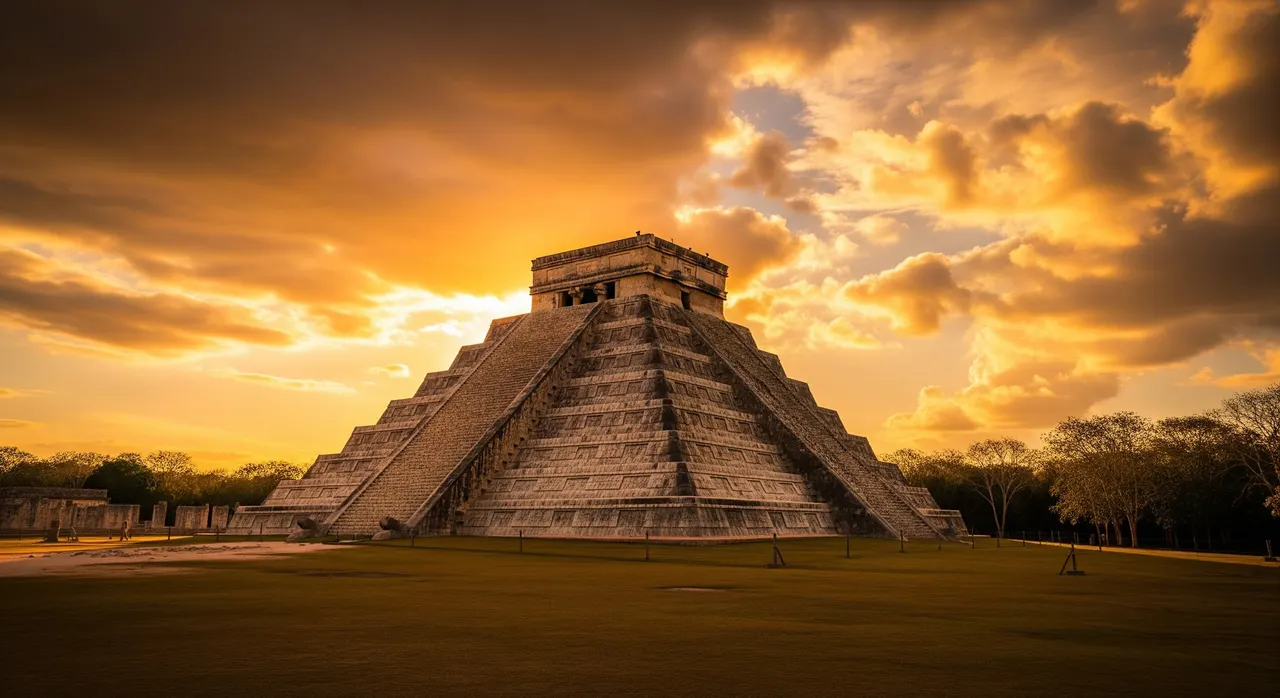
Mexico — your starting point before relocating to ThailandMexico
From Mexico to Thailand

Make the move from Mexico

Trade Mexico for up to five years in Thailand on the DTV. We prepare and submit your entire application from wherever you are — proof of funds, category evidence and passport — so you can focus on the move, not the paperwork.

Check eligibility
Step by step

How Mexican citizens apply for the DTV

1

Check you qualify

Almost every nationality can apply. Take our free 60-second eligibility checker to confirm your route — remote work, soft power, medical or family.

2

We prepare everything

We assemble and review your documents: proof of 500,000 THB (~$15,000), your category evidence and passport — so nothing gets rejected.

3

We submit for you

You apply from outside Thailand. We file at a Thai embassy or consulate (such as Hanoi, Ho Chi Minh, Jakarta, Vientiane or London) within one business day.

4

Get approved & move

On approval you get the 5-year, multiple-entry DTV — up to 180 days per stay, extendable once. Then make Thailand home.

Questions

DTV FAQ for Mexican citizens

What is the Destination Thailand Visa for Mexican citizens?

The DTV is a 5-year, multiple-entry visa that lets Mexican citizens live, work remotely and study in Thailand. Each entry allows a stay of up to 180 days, which can be extended once for a further 180 days, giving you a great deal of flexibility over the visa's lifetime.

How much do I need in proof of funds for the DTV?

You'll need to show proof of 500,000 THB (approximately $15,000) in personal funds. This demonstrates you can support yourself during your stay in Thailand.

How much does your DTV service cost?

Our service starts from $139. We prepare and submit the entire application on your behalf, so you don't have to navigate the paperwork alone from Mexico.

Can I apply for the DTV from inside Thailand?

No — the application must be submitted from outside Thailand. Our team helps you prepare and lodge everything from Mexico (or wherever you happen to be) before you travel.

What are the best flight routes from Mexico to Thailand?

There are no direct flights. Most Mexicans depart Mexico City, Cancún or Guadalajara with one or two stops via US hubs like Los Angeles or Houston, European gateways like Paris, Frankfurt or Madrid, or Gulf carriers such as Emirates and Qatar Airways via Dubai or Doha. Total travel time typically runs 22 to 35 hours.

How does the time difference affect remote work for Mexicans?

Thailand is 12–13 hours ahead of mainland Mexico. If you serve Mexican clients, you'll generally work late afternoons and evenings (Thai time) to overlap with their mornings. It's very manageable with flexible scheduling and async tools.

Do I need certified translations of my Mexican documents?

Most likely yes. Since Mexico's official language is Spanish, supporting documents such as bank statements will usually need a certified English (or Thai) translation to be accepted. It's a routine step, and we'll guide you on exactly what's required.

Is Thailand safe for Mexican expats?

Yes. Thailand is known for low rates of violent crime and friendly locals, and Mexicans generally feel very welcome. Standard common-sense precautions are all you need in day-to-day life.

Will I find a Mexican community there?

It's small but growing, concentrated in Bangkok and Chiang Mai. Facebook groups like "Mexicanos en Tailandia" and occasional cultural meetups make it easy to connect with fellow paisas and find a taste of home.

What happens if my application is denied?

With the optional Denial Protection add-on, you're covered by a 100% refund if your application is not approved, so you can apply with peace of mind.

Can the DTV help me bring my family?

Yes. The DTV allows you to include immediate family members, such as a spouse and children, as dependants, making it a practical option for relocating to Thailand together.

Where you apply

The Thai mission for Mexico

You submit the DTV online via the Thai e-Visa portal — but the office below covers applicants in Mexico and may review your file.

Ready to move to Thailand from Mexico?

Check your eligibility in under a minute, or let our team prepare and submit everything — with a 100% refund if your application is denied (with the optional paid Denial Protection add-on).