Skip to content
Africa

DTV Visa for Mauritanian Citizens

For citizens of Mauritania, Thailand offers a rare combination of affordability, modern comfort and a genuinely Muslim-friendly culture. Whether you are leaving the dusty avenues of Nouakchott or the Atlantic fishing port of Nouadhibou, the Destination Thailand Visa (DTV) opens a five-year door to tropical living, fast internet and a thriving remote-work scene. Trade the Saharan heat and the seasonal Harmattan winds for turquoise seas and green hills, while spending far less than you might imagine. Your five-year journey to Thailand starts here.

Every Mauritanian citizen is eligible to apply

5

Years validity

180

Days per entry

500k

THB proof of funds

$139

Service fee from

100%

Refund if denied*

Why Mauritanian citizens choose Thailand

Living in Thailand from Mauritania

Section 01

Why Mauritanians Are Making the Move

Mauritania straddles the Sahara and the Atlantic, and life there can be expensive in some ways and limited in others: imported goods, reliable power and high-speed connectivity are not always a given. Thailand flips much of that. A modern apartment, dependable fibre internet, world-class hospitals and an endless choice of food cost a fraction of what you would pay for a comparable lifestyle in many Western or Gulf cities, and the welcome is warm. For remote workers, retirees and entrepreneurs from Nouakchott, the DTV turns a long holiday into a genuine five-year base.

  • A five-year multiple-entry visa: settle in, leave and return whenever you like across half a decade.
  • Lower everyday costs than you would expect: rent, dining and transport stretch your money far further than in Nouakchott.
  • A tolerant, Muslim-friendly society with abundant halal food, mosques and a large native Muslim community.
  • Reliable, fast internet and a mature co-working scene across Bangkok, Chiang Mai and the islands.
  • Excellent private healthcare at a fraction of European prices, with English-speaking international hospitals.

The DTV at a Glance

The Destination Thailand Visa is a 5-year multiple-entry visa. Each entry lets you stay up to 180 days, and you can extend once for a further 180 days. You must show proof of 500,000 THB (~$15,000) in personal funds. You apply from outside Thailand, and we prepare and submit the entire application for you. Service starts from $139, with a 100% refund if your application is denied (with the optional Denial Protection add-on).

Section 02

Cost of Living: Thailand vs Mauritania

The Mauritanian ouguiya (MRU) does not stretch evenly at home: housing in central Nouakchott, imported food and private services can be costly, while wages are modest. In Thailand, a comfortable one-bedroom apartment in a mid-range Bangkok or Chiang Mai neighbourhood typically runs around 12,000 to 20,000 THB a month, and considerably less in smaller towns. A filling meal at a local Thai restaurant is often 50 to 70 THB, and street food even less. Fresh produce, fish and rice—staples Mauritanians already know well—are cheap and plentiful at every market. Many Mauritanian newcomers find that a mid-range monthly budget of roughly 35,000 to 50,000 THB covers rent, food, transport and a sociable lifestyle comfortably.

Watch the ATM Fees

Most Thai ATMs charge a fixed foreign-card withdrawal fee of around 220 THB on top of your home bank's charges. Withdraw larger amounts less often, favour banks with lower fees, and ask whether your Mauritanian or international card waives overseas surcharges before you travel.

Section 03

Getting to Thailand from Mauritania

There are no direct flights between Mauritania and Thailand, so you will connect at least once. The most common routings from Nouakchott–Oumtounsy International Airport (NKC) go via Casablanca, Istanbul, Dubai or Doha, often pairing a North African or Gulf carrier with an onward leg to Bangkok's Suvarnabhumi Airport (BKK). Realistic total journey times run roughly 15 to 20 hours including the layover, depending on the connection. Routings through Dubai and Doha tend to offer the smoothest single-stop options, while Casablanca and Istanbul are useful if you prefer to break the trip in a familiar region first.

Time Zone Harmony

Thailand (ICT, UTC+7) is exactly 7 hours ahead of Mauritania (GMT, UTC+0). For remote workers this is convenient: do your focused, distraction-free work in the Thai morning, then catch family or clients in Mauritania during their working hours, which fall in your afternoon and evening.

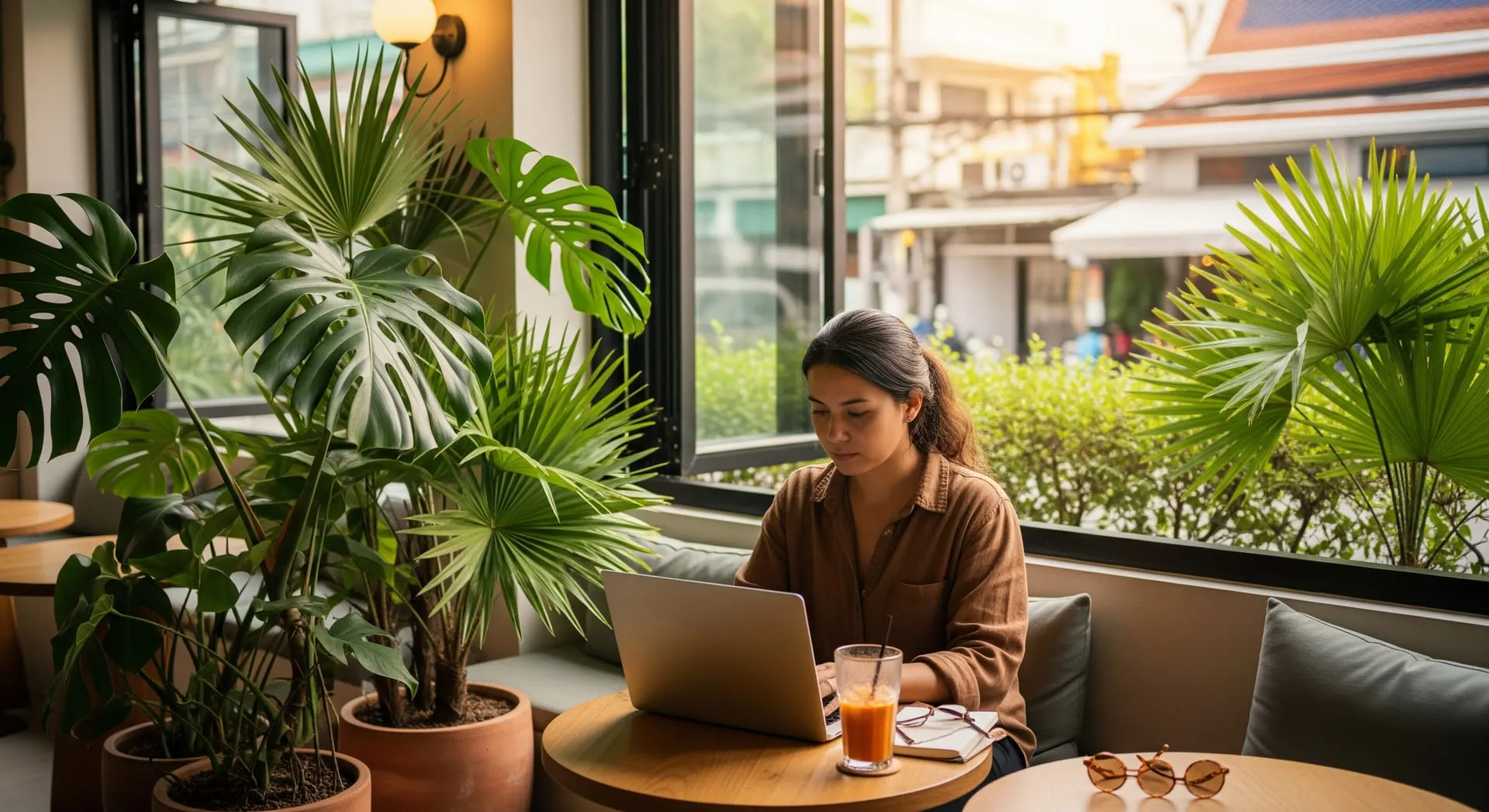
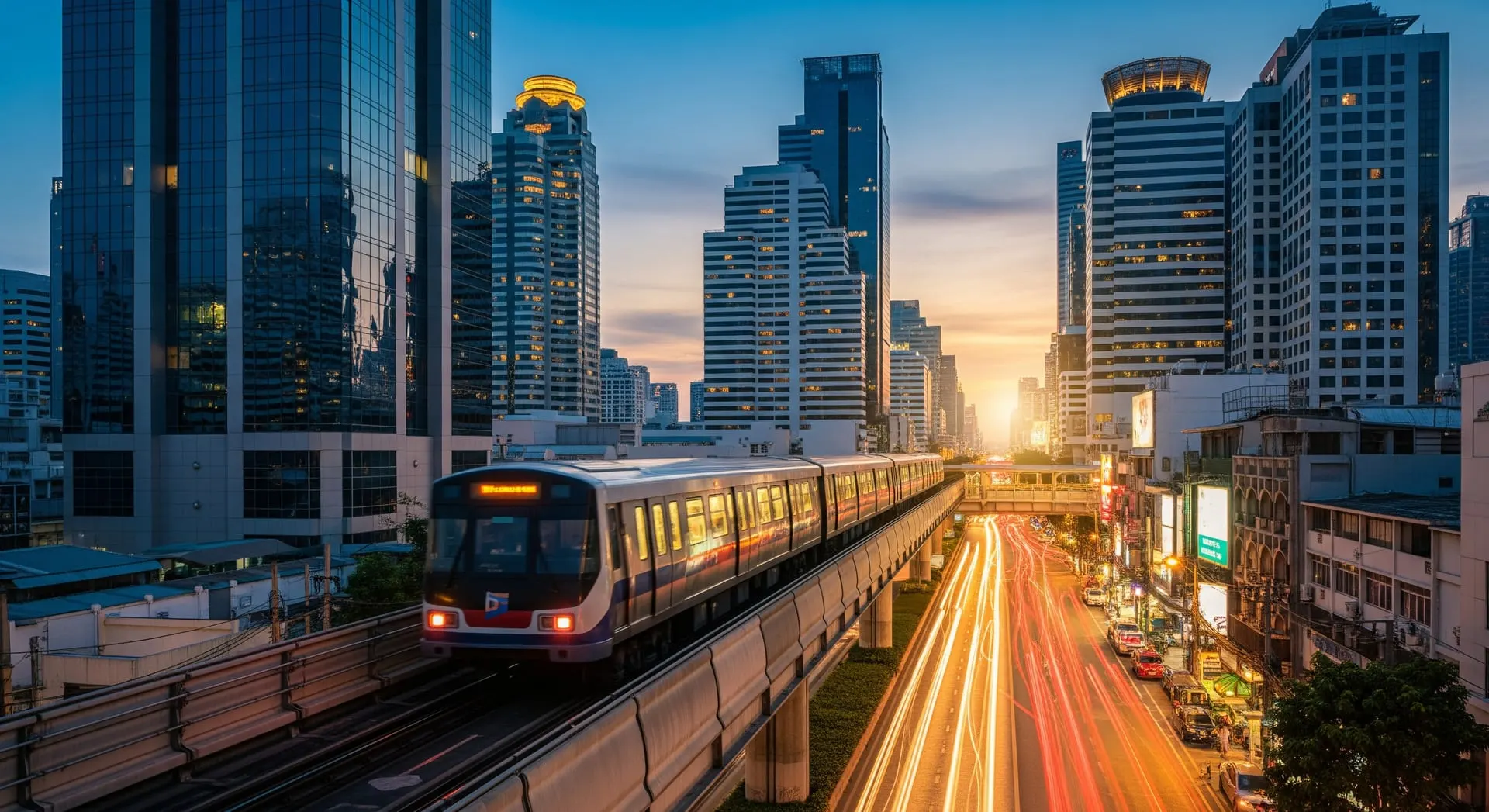
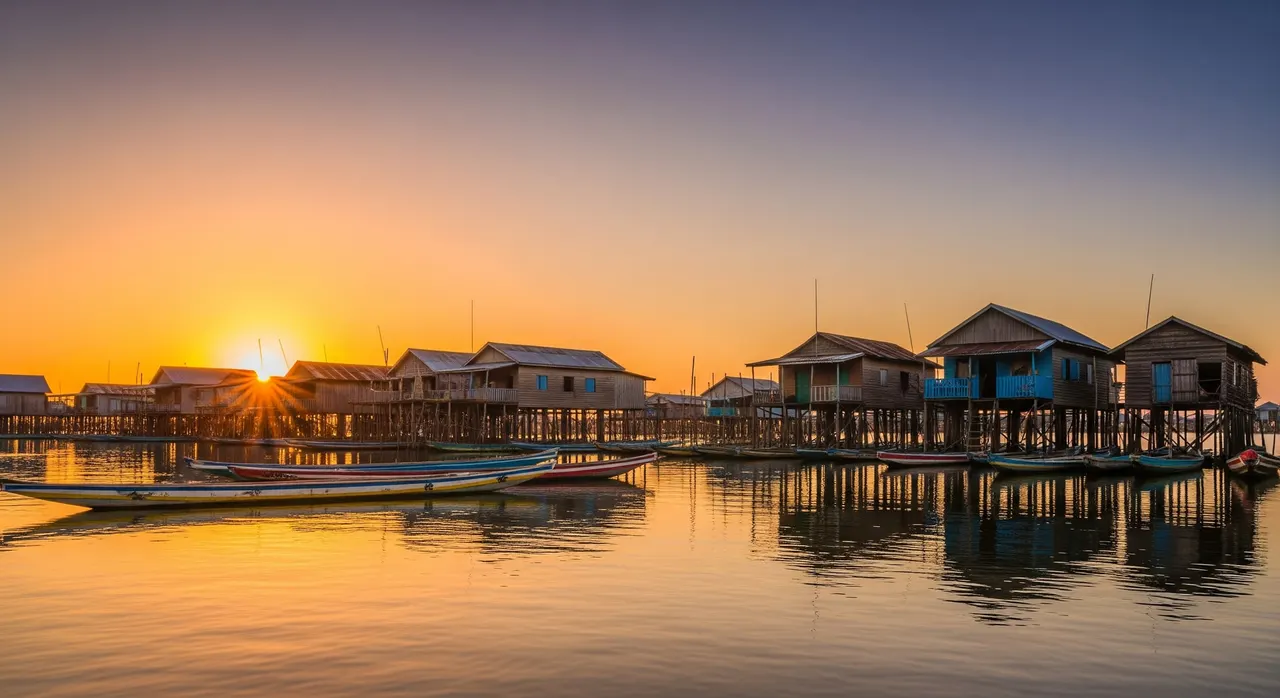
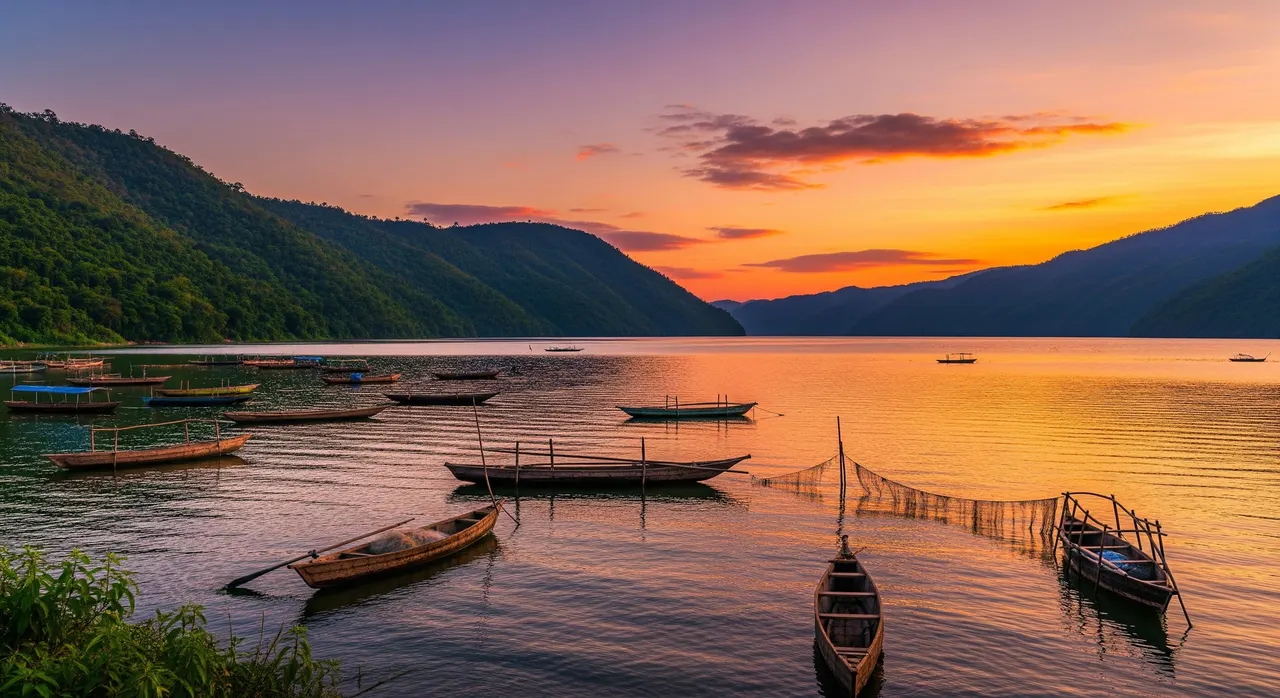
Daily life in Thailand — where Mauritanian citizens settle on the DTV
Life in Thailand — your home base on the 5-year DTV
Section 04

Where to Settle in Thailand

Three destinations dominate among expats, each with its own character. Bangkok is the obvious landing point: a vast, well-connected capital with international hospitals, large halal-friendly districts and every amenity imaginable. Chiang Mai , in the cooler northern mountains, is the heart of Thailand's digital-nomad community, with low rents, easygoing pace and a strong co-working culture. Phuket and the southern provinces offer Andaman-coast island living and, importantly, the largest concentration of Muslim communities and halal food in the country—familiar territory for many Mauritanians.

  • Bangkok: maximum amenities, international airport links, large Muslim quarters and the widest range of work and social options.
  • Chiang Mai: affordable, relaxed and nomad-friendly, with cooler weather and an established co-working scene.
  • Phuket and the south: beaches, a strong Muslim presence and abundant halal dining, plus a lively expat community.
Section 05

Money & Banking

Thailand is increasingly cashless in the cities, with the PromptPay system and QR-code payments used everywhere, but cash is still king at markets and in rural areas. For the DTV you must demonstrate proof of 500,000 THB (~$15,000) in personal funds, typically through recent bank statements. While on the visa you can usually manage day to day with an international account and card, topping up with ATM withdrawals. Many longer-term residents eventually open a local Thai bank account, which makes paying rent, bills and using QR payments far easier—though requirements for foreigners vary by branch.

Section 06

Documents & Translation

Mauritania's official language is Arabic, so most of your supporting documents—bank statements, and any civil or financial paperwork—will likely need a certified English (or Thai) translation to be accepted. It is worth arranging professional, certified translations of your key documents before you submit. The good news is that you do not have to navigate this alone: we review your file, tell you exactly which documents need translating, and prepare and submit the complete DTV application on your behalf from outside Thailand.

Prepare Your Paperwork Early

Gather recent bank statements showing the 500,000 THB (~$15,000) in funds, a valid passport, and proof of your remote work or activity, then have the Arabic documents certified-translated into English. Having everything ready in advance keeps your application clean and avoids back-and-forth.

Section 07

Daily Life & Community

Day-to-day life in Thailand is comfortable and easy to navigate. Mosques and prayer facilities are common in Bangkok, the south and many tourist hubs, and halal restaurants—from street stalls to certified fine dining—are easy to find. Thailand's tropical humidity is a real shift from Mauritania's dry desert heat, so lightweight, breathable clothing and staying hydrated matter, and you should expect short, dramatic rain showers in the wet season. English is widely spoken in expat areas and by service staff, while learning a few words of Thai goes a long way with locals. A growing number of West and North Africans now call Thailand home, so you will not be the only Mauritanian finding your feet here.

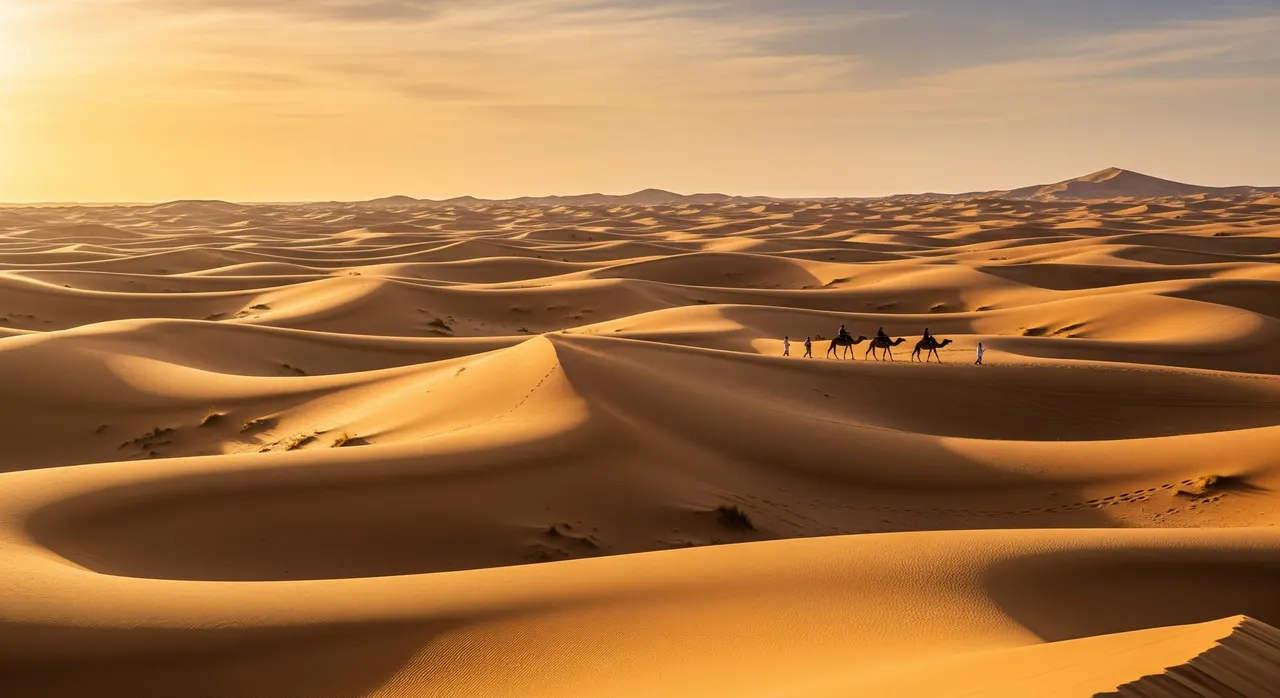
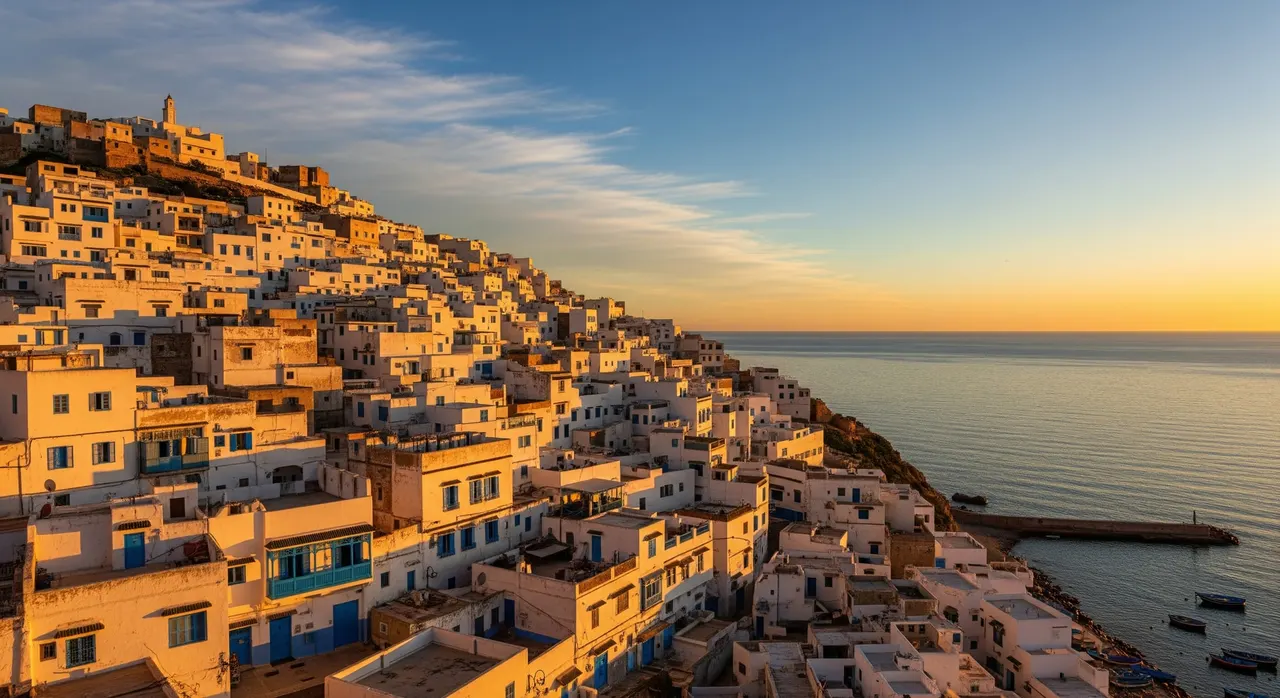
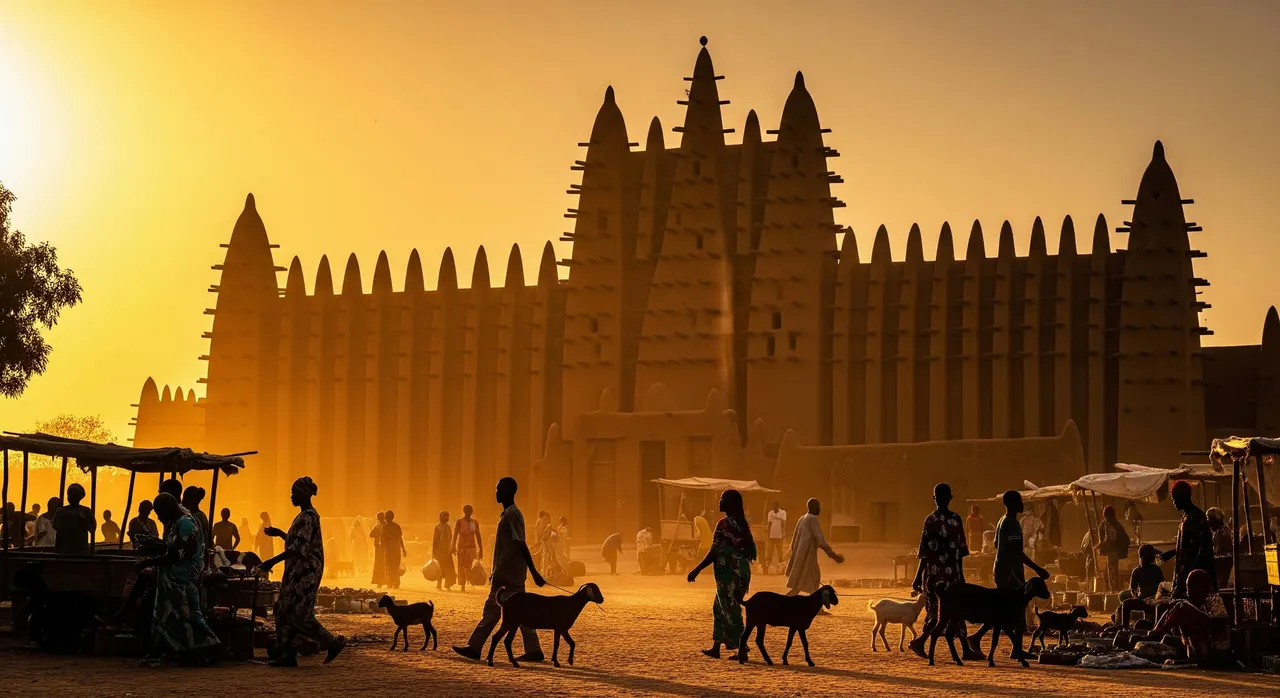
Mauritania — your starting point before relocating to ThailandMauritania
From Mauritania to Thailand

Make the move from Mauritania

Trade Mauritania for up to five years in Thailand on the DTV. We prepare and submit your entire application from wherever you are — proof of funds, category evidence and passport — so you can focus on the move, not the paperwork.

Check eligibility
Step by step

How Mauritanian citizens apply for the DTV

1

Check you qualify

Almost every nationality can apply. Take our free 60-second eligibility checker to confirm your route — remote work, soft power, medical or family.

2

We prepare everything

We assemble and review your documents: proof of 500,000 THB (~$15,000), your category evidence and passport — so nothing gets rejected.

3

We submit for you

You apply from outside Thailand. We file at a Thai embassy or consulate (such as Hanoi, Ho Chi Minh, Jakarta, Vientiane or London) within one business day.

4

Get approved & move

On approval you get the 5-year, multiple-entry DTV — up to 180 days per stay, extendable once. Then make Thailand home.

Questions

DTV FAQ for Mauritanian citizens

I live in Nouakchott—can I apply for the DTV from Mauritania?

Yes. You apply from outside Thailand, and we handle the entire process for Mauritanian citizens. The DTV is a 5-year multiple-entry visa allowing stays of up to 180 days per entry, extendable once for a further 180 days. You will need to show proof of 500,000 THB (~$15,000) in personal funds. Our service starts from $139, with a 100% refund if your application is denied under the optional Denial Protection add-on.

How long can I actually stay in Thailand with the DTV?

The visa is valid for 5 years and is multiple-entry. Each entry allows a stay of up to 180 days, and you can extend that once for an additional 180 days. By combining stays and border crossings, you can effectively base yourself in Thailand long-term across the five years.

Do my Arabic-language documents need to be translated?

Most likely, yes. Because Mauritania's official language is Arabic, your bank statements and supporting paperwork will usually need a certified English (or Thai) translation to be accepted. We will tell you exactly which documents require translation and help you prepare a clean, complete application.

Are there halal food options in Thailand?

Plenty. Thailand has a large native Muslim population, especially in the south, and you will find halal restaurants, street vendors and even halal-certified fine dining in Bangkok, Chiang Mai, Phuket and beyond. Mosques and prayer facilities are widely available in these areas.

How do I get from Nouakchott to Bangkok?

There are no direct flights, so you will connect at least once—most commonly via Casablanca, Istanbul, Dubai or Doha. Total journey times run roughly 15 to 20 hours including the layover. Dubai and Doha tend to offer the smoothest single-stop connections to Bangkok's Suvarnabhumi Airport.

How does the time difference affect working with people back home?

Thailand is 7 hours ahead of Mauritania (UTC+7 versus UTC+0). Many Mauritanian freelancers do their deep, focused work in the Thai morning and are then available for calls during Mauritania's working hours, which fall in the Thai afternoon and evening. The overlap suits remote tech and creative work well.

How much money do I need to qualify for the DTV?

You must show proof of 500,000 THB (~$15,000) in personal funds, typically through recent bank statements. That is the financial requirement for the visa. Our service fee for preparing and submitting your application is separate and starts from $139.

Can I open a bank account in Thailand?

Many longer-term residents do, as a local Thai account makes paying rent, bills and using QR payments much easier. Requirements for foreigners vary by branch and can change, so in the meantime most newcomers manage with an international card, using ATMs (note the typical ~220 THB foreign-card fee) and cash.

What is daily life like coming from Mauritania's climate?

The biggest adjustment is the humidity—Thailand is tropical and humid rather than dry like the Sahara. Wear lightweight, breathable clothing, stay hydrated, and expect short, heavy rain showers in the wet season. Beyond that, life is comfortable, affordable and easy to navigate, with English widely spoken in expat areas.

What happens if my DTV application is denied?

With the optional Denial Protection add-on, you receive a 100% refund of our service fee if your application is not approved. We prepare your file carefully to give it the best chance, and the add-on gives you peace of mind. Remember that you must meet the 500,000 THB (~$15,000) proof-of-funds requirement and apply from outside Thailand.

Ready to move to Thailand from Mauritania?

Check your eligibility in under a minute, or let our team prepare and submit everything — with a 100% refund if your application is denied (with the optional paid Denial Protection add-on).