Skip to content
Europe

DTV Visa for Maltese Citizens

Picture swapping the honey-coloured limestone of Mdina and Gozo for the towering karsts of Krabi, or trading Valletta's baroque streets for Bangkok's electric energy. For Maltese citizens, Thailand offers a rare mix of low-cost luxury, year-round warmth and one of Asia's liveliest remote-work scenes. The Destination Thailand Visa (DTV) makes the move genuinely achievable: a 5-year, multiple-entry visa that lets you live and work remotely from the Land of Smiles, with stays of up to 180 days per entry that you can extend once for another 180.

Every Maltese citizen is eligible to apply

5

Years validity

180

Days per entry

500k

THB proof of funds

$139

Service fee from

100%

Refund if denied*

Why Maltese citizens choose Thailand

Living in Thailand from Malta

Section 01

Why Maltese are choosing Thailand over the Med

Malta's charm is undeniable, but with the islands among the most densely populated places in Europe, many Maltese feel the squeeze of rising rents and packed summers. Thailand offers a Mediterranean-style love of food, family and sunshine on a far larger, far cheaper scale: endless coastlines, warm winters and a genuinely welcoming culture. Remote workers and entrepreneurs from Sliema, Valletta and beyond are finding they can dramatically upgrade their lifestyle without sacrificing connectivity, all while exploring a country that is both exotic and remarkably easy to live in.

Sunshine without the seasonality

Malta enjoys roughly 3,000 hours of sunshine a year. Much of Thailand sees 2,500-2,800, but with warmer winters and no real 'off' season, so you can swim in the Andaman Sea in December just as easily as in June.

Section 02

Cost of living: Malta vs. Thailand, a real comparison

The euro stretches far further in Thailand than at home. A lifestyle that costs around €2,500 a month in Sliema or St Julian's can be comfortably matched for roughly €1,200 in Bangkok, and for even less in Chiang Mai. A modern one-bedroom condo in a central Thai location, often with a pool and gym included, frequently rents for half what a comparable flat costs in Malta's prime areas. Eating out is the biggest saving: a tasty Thai meal at a local eatery runs a couple of euros, while even a smart night out costs a fraction of what you'd pay in Valletta. Tuk-tuks, taxis and ride-hailing apps are cheap too, leaving far more room in the budget for travel and leisure.

  • One-bedroom central condo: €350-€600/month in Thailand vs. €900-1,500 in Malta
  • Meal at a local restaurant: €2-€5 in Thailand vs. €15-25 in Malta
  • Monthly coworking membership: €50-€120 in Thailand vs. €150-250 in Malta
  • Gym membership: €20-€60 in Thailand vs. €40-80 in Malta
  • Domestic flight Bangkok-Phuket: often €25-€50 one way, cheaper than a Malta-Gozo weekend escape

Think like a local to save even more

Maltese expats find that shopping at Thai fresh markets instead of imported supermarkets can cut grocery bills by up to 40%. Learn to cook a few Thai dishes and you'll eat like royalty on a shoestring.

Section 03

Getting to Thailand from Malta: flights and time zones
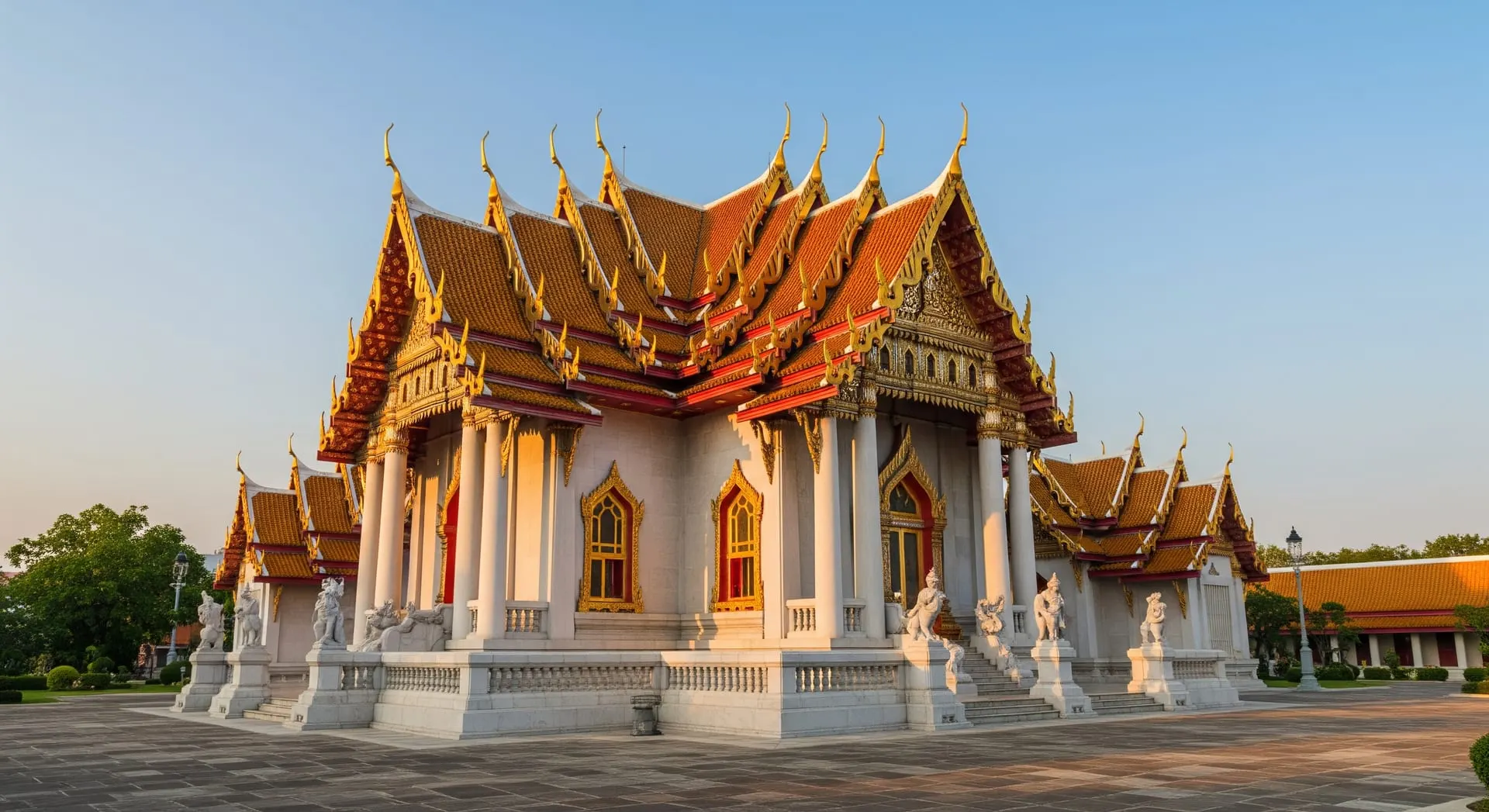
There are no direct flights from Malta to Thailand, so the journey from Malta International Airport (MLA) always involves at least one connection. The most efficient routes go through Gulf and Turkish hubs: Emirates and flydubai via Dubai, Qatar Airways via Doha, or Turkish Airlines via Istanbul. Total travel time typically runs 14 to 18 hours including a layover, landing you at Bangkok's Suvarnabhumi Airport (BKK), which connects onward to Chiang Mai, Phuket and the islands in under two hours.

Thailand runs on Indochina Time (ICT, UTC+7), which is 5 hours ahead of Malta in summer and 6 hours ahead in winter (Malta is UTC+2 in summer, UTC+1 in winter). That gap actually suits remote work: you can enjoy a slow Thai morning before Maltese colleagues come online, and still wrap up your day in the early afternoon Bangkok time.

Beating the eastbound jet lag

Flying east from Malta, you chase the sun and lose a chunk of the night. Most travellers find that landing in Bangkok by early afternoon and pushing through to a normal local bedtime gets them adjusted within a day or two.

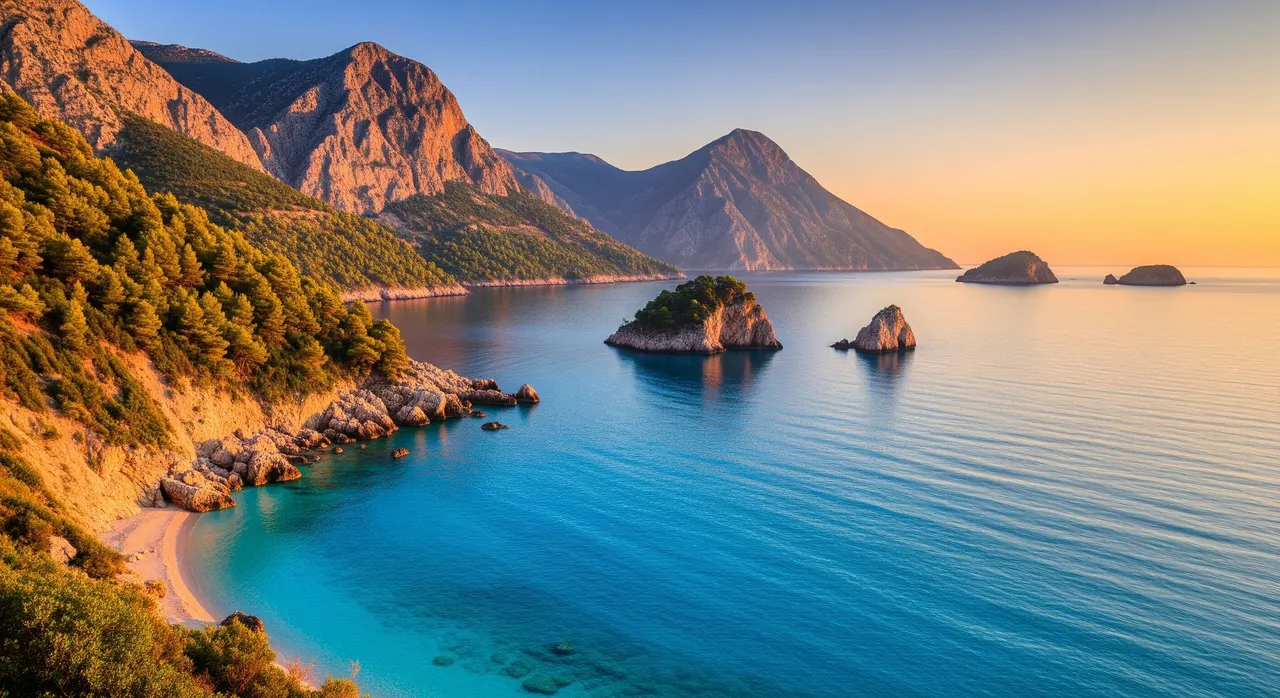
Daily life in Thailand — where Maltese citizens settle on the DTV
Life in Thailand — your home base on the 5-year DTV
Section 04

Where Maltese expats and nomads settle

The Maltese community in Thailand is small but growing, and you'll quickly find kindred spirits in the established expat and digital-nomad hubs. Bangkok is the obvious first base, a sprawling capital with world-class coworking spaces, a legendary food scene and easy access to the rest of Southeast Asia. Chiang Mai in the north offers a slower pace, cooler air and arguably the best value anywhere in the country. And if island life calls, which, coming from Malta, it probably does, Phuket and Koh Samui deliver tropical beaches with all the modern comforts, while Koh Phangan has become a favourite of location-independent workers chasing a balance of productivity and sea air.

  • Bangkok: Bustling capital with the best connectivity and endless entertainment
  • Chiang Mai: Affordable, creative and surrounded by mountains and temples
  • Phuket: Resorts, international dining and dozens of beaches
  • Koh Samui: Relaxed island living with modern amenities
  • Pattaya: Lively coastal city only about 90 minutes from Bangkok
Section 05

Money & banking: transfers and daily spending

Managing money from Malta is straightforward. Maltese banks such as Bank of Valletta, HSBC Malta and APS handle international transfers, while fintech apps like Revolut and Wise are widely used to move euros into Thai baht at strong exchange rates and low fees. Once you're in Thailand, ATMs are everywhere and accept international cards, though most charge a fixed fee of around 220 THB per withdrawal on top of your home bank's rate. For everyday spending, cash still rules at markets and street-food stalls, but cards and Thailand's PromptPay mobile payments are increasingly accepted in malls, supermarkets and restaurants.

Open a Thai bank account when you can

Once you're settled, a local account with a bank like Kasikorn (KBank) or Bangkok Bank will spare you repeated ATM fees and make paying rent and bills far simpler. Having your DTV in hand makes the process considerably smoother.

Section 06

Documents & translation: the Maltese advantage

Here's good news for Maltese applicants: because English is an official language of Malta, your bank statements, employment contracts and other supporting documents are typically accepted in English as-is, with no certified translation required. That removes a step that applicants from non-English-speaking countries usually have to deal with. Make sure your proof of funds clearly shows the required 500,000 THB (~$15,000) in personal savings, and keep everything current and legible. With the DTV, you apply from outside Thailand and our team prepares and submits the complete application on your behalf, so you don't have to navigate the paperwork alone.

Section 07

Daily life & community in Thailand

Thailand consistently ranks among Asia's top medical-tourism destinations, with international hospitals in Bangkok, Chiang Mai and Phuket offering excellent care at a fraction of European prices. Connectivity is strong: high-speed fibre is standard in the cities and steadily improving on the islands, which matters for remote work. The food alone wins over most Maltese palates raised on fresh seafood and bold flavours, though Thai spice levels take some getting used to. Safety is generally very good, with low rates of violent crime, while ordinary care against petty theft in tourist spots is sensible. The Maltese network is still niche, but expat Facebook groups, coworking spaces and the universally warm 'Thai smile' make it easy to build a community that feels surprisingly close to the Mediterranean hospitality you know from home.

A taste of home in unexpected places

You can occasionally track down pastizzi, or a worthy approximation, at a few expat-run bakeries in Bangkok and Chiang Mai, thanks to enterprising Maltese and southern-European bakers who've brought a slice of the Med to Thailand.

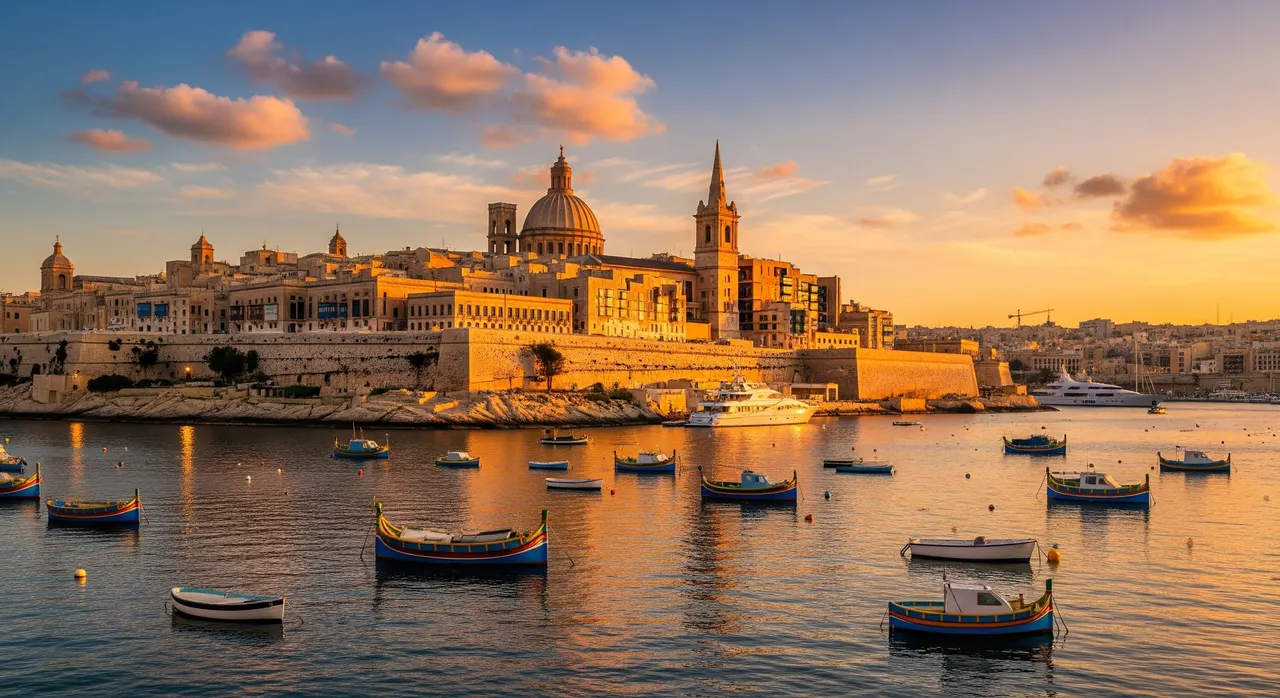
Malta — your starting point before relocating to ThailandMalta
From Malta to Thailand

Make the move from Malta

Trade Malta for up to five years in Thailand on the DTV. We prepare and submit your entire application from wherever you are — proof of funds, category evidence and passport — so you can focus on the move, not the paperwork.

Check eligibility
Step by step

How Maltese citizens apply for the DTV

1

Check you qualify

Almost every nationality can apply. Take our free 60-second eligibility checker to confirm your route — remote work, soft power, medical or family.

2

We prepare everything

We assemble and review your documents: proof of 500,000 THB (~$15,000), your category evidence and passport — so nothing gets rejected.

3

We submit for you

You apply from outside Thailand. We file at a Thai embassy or consulate (such as Hanoi, Ho Chi Minh, Jakarta, Vientiane or London) within one business day.

4

Get approved & move

On approval you get the 5-year, multiple-entry DTV — up to 180 days per stay, extendable once. Then make Thailand home.

Questions

DTV FAQ for Maltese citizens

What exactly is the Destination Thailand Visa (DTV) and how long can I stay?

The DTV is a 5-year, multiple-entry visa designed for remote workers, digital nomads and people who want to experience Thailand long-term. Each entry lets you stay up to 180 days, and that can be extended once for a further 180 days, giving you close to a full year per entry. The visa stays valid for the full five years, so you can leave and re-enter as often as you like.

Can Maltese citizens apply for the DTV while already in Thailand?

No, the DTV must be applied for from outside Thailand. That's where our service comes in: we prepare and submit the complete application on your behalf, so you don't have to navigate the process alone. You handle the move; we handle the paperwork.

How much money do I need to show as proof of funds for the DTV?

You need to show at least 500,000 THB (approximately $15,000) in personal funds, typically via recent bank statements. As a Maltese citizen, your statements are usually accepted in English, so there's no certified-translation step to worry about.

How much does your DTV service cost?

Our service starts from $139, and we handle every part of preparing and submitting your application, including document review, form completion and guidance throughout, so you can focus on planning your move to Thailand.

What happens if my DTV application is denied?

With our optional Denial Protection add-on, you're covered by a 100% refund if your application is denied. We'll help you understand the reason and advise on whether reapplying makes sense.

Do I need to translate my Maltese documents for the visa?

Generally no. Because English is an official language of Malta, documents such as bank statements and employment records are normally accepted in English without a certified translation, which keeps your application simpler than it is for applicants from non-English-speaking countries.

How do I get from Malta to Thailand?

There are no direct flights, so you'll connect once through a hub such as Dubai, Doha or Istanbul. From Malta International Airport, total travel time is usually 14 to 18 hours including the layover, landing you at Bangkok's Suvarnabhumi Airport with easy onward connections to Chiang Mai, Phuket and the islands.

How does the time difference affect remote work with clients in Malta?

Thailand (UTC+7) is 5 hours ahead of Malta in summer and 6 hours ahead in winter. It tends to work in your favour: you can start the day with exercise or exploration and be at your desk by late morning, just as Malta comes online, then finish in the early afternoon Thai time with the rest of the day free.

Can I travel in and out of Thailand freely with the DTV?

Yes. The DTV is a multiple-entry visa, so you can come and go as you please throughout its 5-year validity. That makes it ideal for Maltese expats who want to explore Southeast Asia or fly home to visit family in Malta.

Is the cost of living in Thailand really much lower than in Malta?

Yes, often dramatically so. A comfortable lifestyle in Thailand can cost half or less of the equivalent in Malta, with rent, dining, transport and entertainment all far cheaper, while the quality of life in terms of climate, amenities and travel options is frequently even higher.

Ready to move to Thailand from Malta?

Check your eligibility in under a minute, or let our team prepare and submit everything — with a 100% refund if your application is denied (with the optional paid Denial Protection add-on).