Skip to content
Africa

DTV Visa for Malian Citizens
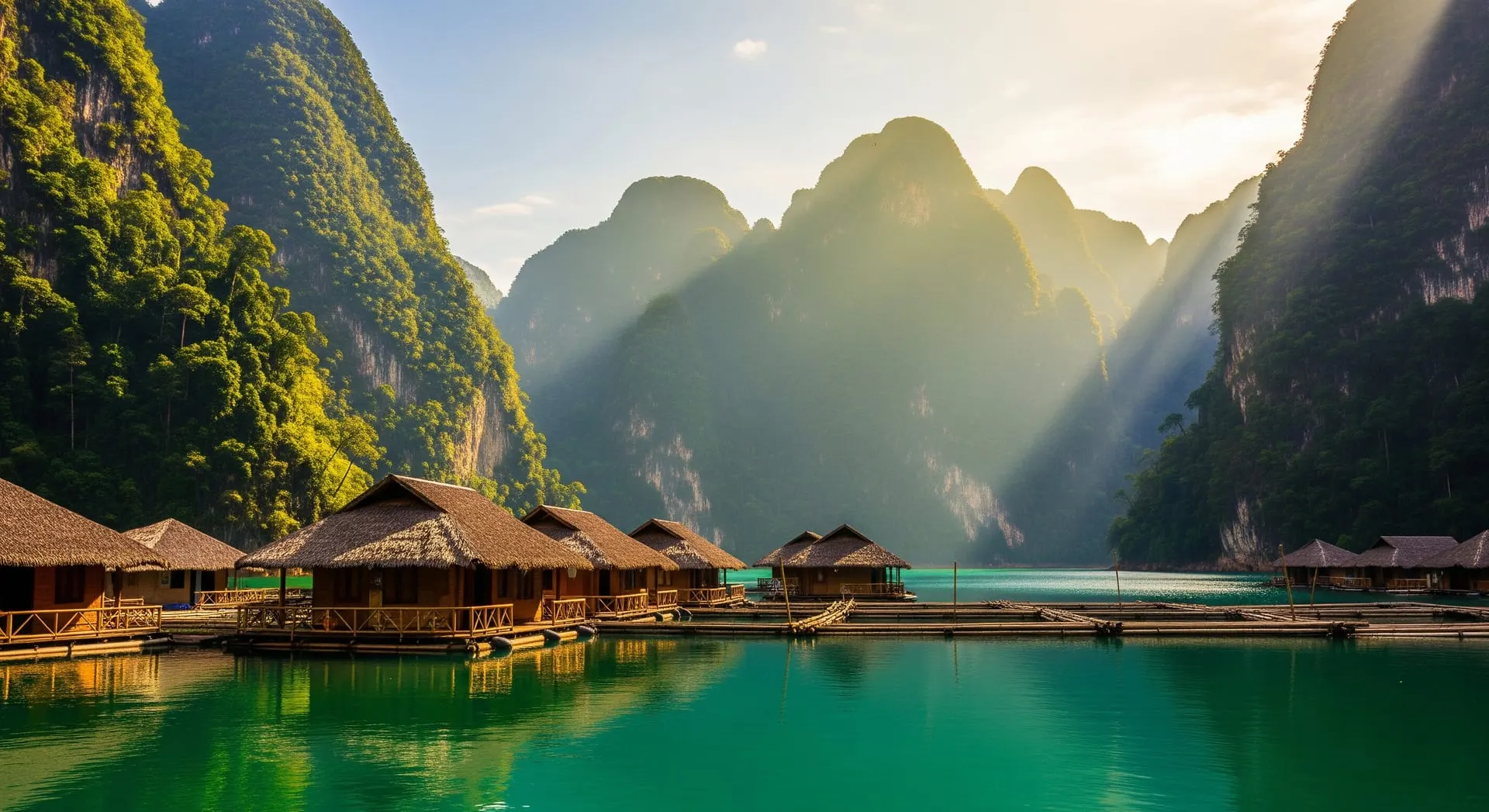
For many Malian professionals, entrepreneurs, and remote workers, Thailand is no longer just a holiday idea, it is a realistic place to settle. The Destination Thailand Visa (DTV) is a five-year, multiple-entry visa that lets Malians stay up to 180 days per entry, extendable once by a further 180 days, while basing themselves in the Kingdom and travelling freely in and out. Whether you are leaving behind Bamako's rising costs, seeking the calmer pace of Chiang Mai, or chasing world-class beaches in the south, Thailand offers a lifestyle upgrade that feels tailor-made for adventurous Malians, and you can apply from home in Mali without setting foot in Thailand first.

Every Malian citizen is eligible to apply

5

Years validity

180

Days per entry

500k

THB proof of funds

$139

Service fee from

100%

Refund if denied*

Why Malian citizens choose Thailand

Living in Thailand from Mali

Section 01

Why Malian citizens are moving to Thailand

Mali's climate, hot and dry through the long Sahelian summer, may make Thailand's humid tropics feel familiar in temperature but very different in mood, with green hills, monsoon rains, and a long coastline. While Bamako can feel dusty and congested, Thai cities like Bangkok blend modernity with riverside parks, the air-conditioned BTS Skytrain, and reliable services. For Malians, much of the appeal lies in a stable environment, excellent and affordable healthcare, and a large, welcoming international community. Remote workers in particular value Thailand's fast and consistent internet, abundant co-working spaces, and cafe culture, a sharp contrast to the load-shedding and connectivity gaps that can interrupt a working day in West Africa. The DTV makes all of this possible for a five-year horizon rather than a short tourist stamp.

DTV at a glance

Five-year, multiple-entry visa. Stay up to 180 days per entry, extendable once for another 180 days. Show proof of 500,000 THB (~$15,000) in personal funds. You apply from outside Thailand and our company prepares and submits everything for you. Service from $139, with a 100% refund if your application is denied (with the optional Denial Protection add-on).

Section 02

Cost of living: Mali vs Thailand, a concrete comparison

Living well in Thailand generally costs less than a comparable secure, modern lifestyle in Mali, where many imported comforts carry a premium. In Bamako, a modest one-bedroom apartment in a secure, well-serviced area can run upwards of CFA 250,000 to 350,000 a month, while in Bangkok or Chiang Mai a clean modern studio, often with a pool and gym, typically starts around 10,000 to 16,000 THB. A mid-range restaurant meal that might cost CFA 6,000 to 12,000 in Bamako has a Thai equivalent of roughly 150 to 350 THB for a satisfying local dish, and street food is cheaper still. Transport is a clear win too: an unlimited monthly BTS Skytrain pass in Bangkok is far less than the running cost of a private car in Bamako, and a reliable air-conditioned commute beats sitting in congested traffic in the heat.

Did you know?

A single person can live comfortably in Chiang Mai on roughly 45,000 to 65,000 THB a month, covering a furnished condo, eating out most days, a co-working membership, and transport, often for less than the equivalent quality of life would cost in Bamako's expat-grade neighbourhoods.

Section 03

Getting to Thailand from Mali, flights and time zones

There are no direct flights between Mali and Thailand, so reaching Bangkok involves one or two connections from Bamako-Senou International Airport (BKO). The most common routings go via Addis Ababa on Ethiopian Airlines, via Istanbul on Turkish Airlines, via Casablanca on Royal Air Maroc, or via Paris on Air France connecting onward. Total door-to-door travel time typically runs around 16 to 24 hours depending on layovers, with most itineraries departing Bamako in the evening or overnight and arriving in Bangkok the following day. Thailand uses Indochina Time (ICT, UTC+7) while Mali runs on GMT (UTC+0), a steady 7-hour gap with no daylight-saving changes on either side. When it is noon in Bamako it is 7 PM in Bangkok, which suits Malian remote workers handling European or West African clients in the morning before the Thai evening begins.

Pro tip

Aim for an itinerary that lands in Bangkok in the late afternoon. You arrive with enough daylight to reach your accommodation and settle in, and an early night helps you reset to the 7-hour time shift before your first full day.

Daily life in Thailand — where Malian citizens settle on the DTV
Life in Thailand — your home base on the 5-year DTV
Section 04

Where Malian expats and nomads settle in Thailand

  • Bangkok: The capital draws Malian entrepreneurs and digital nomads with its truly international feel, world-class co-working spaces, the best airport connections back to Africa and Europe, and large Muslim-friendly districts where halal food and mosques are easy to find.
  • Chiang Mai: A long-standing favourite for its relaxed pace, mountain backdrop, and thriving nomad scene. The Nimman area is full of cafes, affordable condos, and co-working hubs, with halal options close by.
  • Phuket and the southern islands: Ideal for beach lovers and a great fit for Malians who value the south's strong Muslim community. Phuket Town and Rawai offer year-round social life, while quieter islands like Koh Lanta suit focused, slower-paced work.
Section 05

Money and banking from Mali, transferring funds and everyday payments

Moving money from Mali to Thailand is straightforward using international bank wires or online services such as Wise or Remitly, which convert CFA francs to Thai baht at competitive, transparent rates. Many Malian expats keep a Mali-based account to receive income and then transfer lump sums to cover living costs. ATMs are everywhere in Thailand, but foreign cards are usually charged a fixed fee of around 220 THB per withdrawal on top of any home-bank charges, so it pays to take out larger amounts at once. Once your DTV is approved and you are settled, opening a Thai bank account can remove those fees entirely. Day to day, cash is still useful in local markets, but QR-code payments through PromptPay are accepted almost everywhere, even at street-food stalls and small shops.

Save on ATM fees

Withdraw in larger amounts rather than small frequent visits: the ~220 THB per-transaction fee is fixed regardless of how much you take out, so fewer, bigger withdrawals cut your costs noticeably until you open a local account.

Section 06

Documents and translation, what Malian applicants need to know

Mali's official language is French, so most of your supporting documents, including bank statements, employment contracts, and professional portfolios, will be issued in French. For your DTV application these will likely need a certified English (or Thai) translation, because Thai authorities work with documents in English or Thai. We recommend using a sworn or certified translator familiar with immigration standards so the wording on your financial proof is clear and consistent. The good news is that you do not have to manage any of this alone: our team reviews your full document set, checks that the 500,000 THB (~$15,000) proof of funds is presented correctly, prepares the paperwork, and submits the application on your behalf while you stay in Mali.

Section 07

Daily life and community, what Malians can expect

Healthcare in Thailand is a major draw, with internationally accredited private hospitals such as Bumrungrad and Bangkok Hospital offering English-speaking care and, at the larger Bangkok facilities, often French-speaking patient coordinators too, all at a fraction of Western prices. Internet is fast and dependable, with widespread fibre and 5G, so video calls home to Mali stay crisp. Thai cuisine leans fragrant and chilli-forward rather than the deep, earthy spice of Malian cooking, but staples like rice, fish, and tropical fruit are everywhere, and halal food is plentiful in Bangkok, Phuket, and the Deep South. Personal safety is generally very good by regional standards. The Malian community in Thailand is small but growing, and many newcomers connect through wider West African and Francophone expat groups on social media and at informal meetups around Bangkok's Sukhumvit and Nana areas.

  • Excellent private healthcare at a fraction of European or US prices, with English (and some French) spoken at major hospitals.
  • Fast, reliable 5G and fibre internet, so power and connectivity rarely interrupt your workflow.
  • Wide availability of halal food and mosques, especially in Bangkok, Phuket, and the southern provinces.
  • A calm, welcoming society where Francophone and West African expat circles make it easy to find your feet.
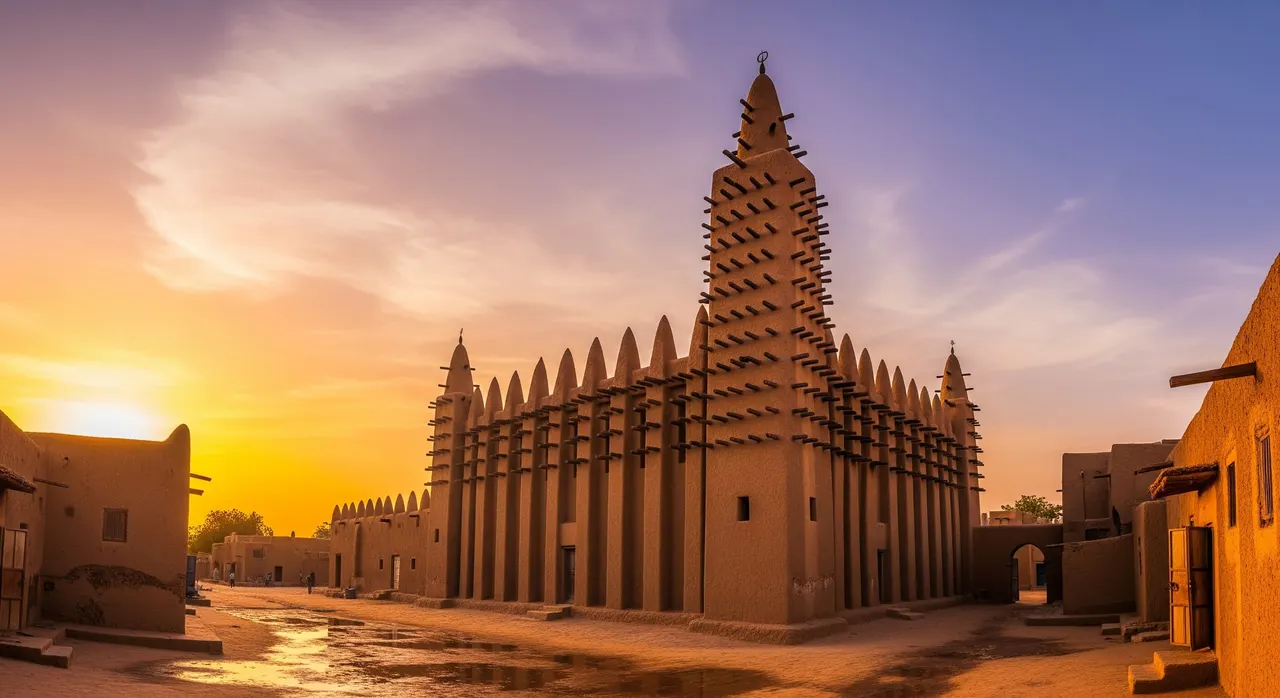
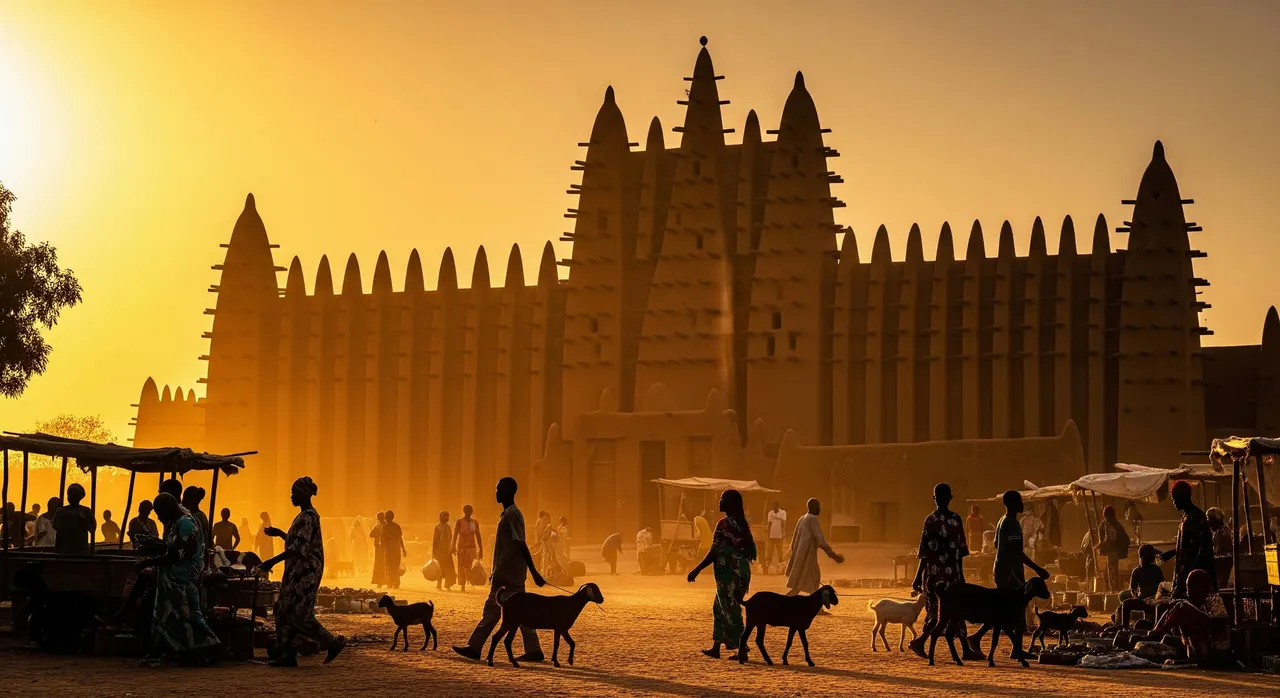
Mali — your starting point before relocating to ThailandMali
From Mali to Thailand

Make the move from Mali

Trade Mali for up to five years in Thailand on the DTV. We prepare and submit your entire application from wherever you are — proof of funds, category evidence and passport — so you can focus on the move, not the paperwork.

Check eligibility
Step by step

How Malian citizens apply for the DTV

1

Check you qualify

Almost every nationality can apply. Take our free 60-second eligibility checker to confirm your route — remote work, soft power, medical or family.

2

We prepare everything

We assemble and review your documents: proof of 500,000 THB (~$15,000), your category evidence and passport — so nothing gets rejected.

3

We submit for you

You apply from outside Thailand. We file at a Thai embassy or consulate (such as Hanoi, Ho Chi Minh, Jakarta, Vientiane or London) within one business day.

4

Get approved & move

On approval you get the 5-year, multiple-entry DTV — up to 180 days per stay, extendable once. Then make Thailand home.

Questions

DTV FAQ for Malian citizens

What exactly is the Destination Thailand Visa (DTV)?

The DTV is a five-year, multiple-entry visa for Thailand. Each entry lets you stay up to 180 days, and that stay can be extended once for a further 180 days without leaving the country, giving you a long, flexible base in the Kingdom.

Can I work remotely for a Malian or overseas company while on the DTV?

Yes. The DTV is built for digital nomads, remote workers, and freelancers. You can legally work for clients or an employer based outside Thailand, including in Mali, as long as your income does not come from a Thai source.

How much money do I need to show for the DTV application?

You provide proof of 500,000 THB (about $15,000) in personal funds. It can be held in any major currency equivalent, and our team helps you present your bank documents correctly.

Do I apply for the DTV from Mali or inside Thailand?

You apply from outside Thailand, so you can complete everything from home in Mali. Our company prepares your full application and submits it on your behalf, so you do not have to travel or handle the paperwork yourself before arriving.

My documents are in French. Will I need translations?

Most likely yes. Because Mali's official language is French, supporting documents such as bank statements and contracts will usually need a certified English or Thai translation, since Thai authorities work in English or Thai. We review your documents and guide you on exactly what to translate.

How do I get from Bamako to Bangkok?

There are no direct flights, so you connect through a hub such as Addis Ababa, Istanbul, Casablanca, or Paris. Door-to-door travel is usually around 16 to 24 hours depending on the layover, with most flights leaving Bamako in the evening and arriving in Bangkok the next day.

Is there a Malian community in Thailand I can connect with?

The Malian community is still small but growing, mostly in Bangkok and Chiang Mai. Many newcomers plug into broader West African and Francophone expat groups on Facebook and messaging apps, and there are regular informal meetups, especially around Bangkok's Sukhumvit and Nana districts.

What is the time difference between Mali and Thailand, and how does it affect remote work?

Thailand is a steady 7 hours ahead of Mali, with no daylight-saving changes on either side. This works well if your clients are in Europe or West Africa, since you can finish that work by mid-afternoon Thai time and keep your evenings free. For US clients, expect some later hours.

How does the cost of living in Thailand compare to Mali?

For a comparable secure, modern lifestyle, Thailand is generally more affordable. Rent for a quality condo, eating out, and air-conditioned transport often cost less than equivalent expat-grade living in Bamako, and many Malians find they enjoy a higher standard of living for the same budget.

What does the service cost, and what if my application is denied?

Our DTV service starts from $139, and we prepare and submit your entire application for you. With the optional Denial Protection add-on, you receive a 100% refund of the service fee if your application is denied, and we explain any reasons and help you reapply.

Ready to move to Thailand from Mali?

Check your eligibility in under a minute, or let our team prepare and submit everything — with a 100% refund if your application is denied (with the optional paid Denial Protection add-on).