Skip to content
Europe

DTV Visa for Luxembourgish Citizens

For citizens of Luxembourg, the appeal of Thailand is hard to overstate. Imagine swapping the Grand Duchy's grey, damp winters and one of Europe's highest costs of living for year-round tropical warmth, world-famous street food and a budget that lets your euros stretch dramatically further. With the Destination Thailand Visa (DTV) you can base yourself in the Land of Smiles for up to five years while continuing your remote work or freelance career, all without the bureaucratic headaches of traditional expat routes.

Every Luxembourgish citizen is eligible to apply

5

Years validity

180

Days per entry

500k

THB proof of funds

$139

Service fee from

100%

Refund if denied*

Why Luxembourgish citizens choose Thailand

Living in Thailand from Luxembourg

Section 01

Why Thai Life Appeals to Luxembourgish Citizens

Luxembourg is one of the world's wealthiest nations, but that wealth comes with steep prices and a climate many find dull and overcast for much of the year. In Thailand, Luxembourgish expats find a strikingly different rhythm of life: warm weather, a welcoming culture, and cities and islands that buzz with energy. The DTV lets you keep your Luxembourg-based remote work or freelance clients while enjoying a tropical environment that costs a fraction of home. It is not only about sunshine: it is access to excellent private healthcare, endlessly varied food, and the freedom to explore the rest of Southeast Asia on long weekends.

The DTV at a Glance

The Destination Thailand Visa is a 5-year multiple-entry visa. Each entry allows a stay of up to 180 days, extendable once for a further 180 days. You need proof of 500,000 THB (~$15,000) in personal funds, and you apply from outside Thailand — our team prepares and submits the whole application for you, with service from $139 and a 100% refund if your application is denied (with the optional Denial Protection add-on).

Section 02

Cost of Living: Luxembourg vs Thailand

Luxembourg consistently ranks among the most expensive places to live in the European Union, with housing in particular putting serious pressure on budgets. Moving to Thailand on the DTV can transform your monthly outgoings. Here is how everyday spending compares.

  • Rent: A modern one-bedroom apartment in Luxembourg City centre routinely runs €1,500–€2,000 a month. In Bangkok a smart equivalent in a prime district costs roughly €500–€800, and in Chiang Mai you can find excellent options under €400.
  • Dining: A simple meal at a mid-range Luxembourg restaurant averages €25–€35 per person. Thai street food and local restaurants serve delicious dishes for €1.50–€3.
  • Coworking: A dedicated desk in a premium Luxembourg coworking space can run €300–€500 a month. Thai coworking hubs with fast fibre internet typically charge €60–€150.
  • Transport: Luxembourg famously made public transport free, but taxis are costly. In Bangkok a 30-minute Grab ride is about €5–€8, and domestic flights or long-distance buses across Thailand are remarkably cheap.

Monthly Budget Snapshot

A single Luxembourgish expat can live very comfortably in Bangkok on €1,200–€1,700 a month including rent, food and leisure. In Chiang Mai that drops to roughly €800–€1,200. By contrast, a frugal single person in Luxembourg often needs €2,500 or more just to cover the basics.

Section 03

Getting to Thailand from Luxembourg

There are no nonstop flights from Luxembourg Findel Airport (LUX) to Bangkok (BKK), so you will connect through a major hub. The most common options route via Frankfurt (a short flight, or about a 3-hour drive from Luxembourg City), Munich, Paris Charles de Gaulle, Amsterdam, Istanbul or Doha. Including the layover, total travel time typically runs 13 to 18 hours. Popular one-stop pairings include LUX–Frankfurt–Bangkok with Lufthansa and Thai Airways, or routes via Doha with Qatar Airways and via Istanbul with Turkish Airlines. Many Luxembourgers simply drive or take the train to a larger nearby airport for more direct long-haul choices.

Time Zone Advantage for Remote Workers

Luxembourg runs on Central European Time (UTC+1), shifting to UTC+2 in summer, while Thailand stays at UTC+7 year-round. That is a gap of just 5 to 6 hours, with Thailand ahead. When it is 9:00 AM in Luxembourg, it is early to mid afternoon in Thailand. Many Luxembourgish remote workers settle into a roughly 2 PM start in Thailand, giving them free mornings while still overlapping neatly with the Luxembourg working day.

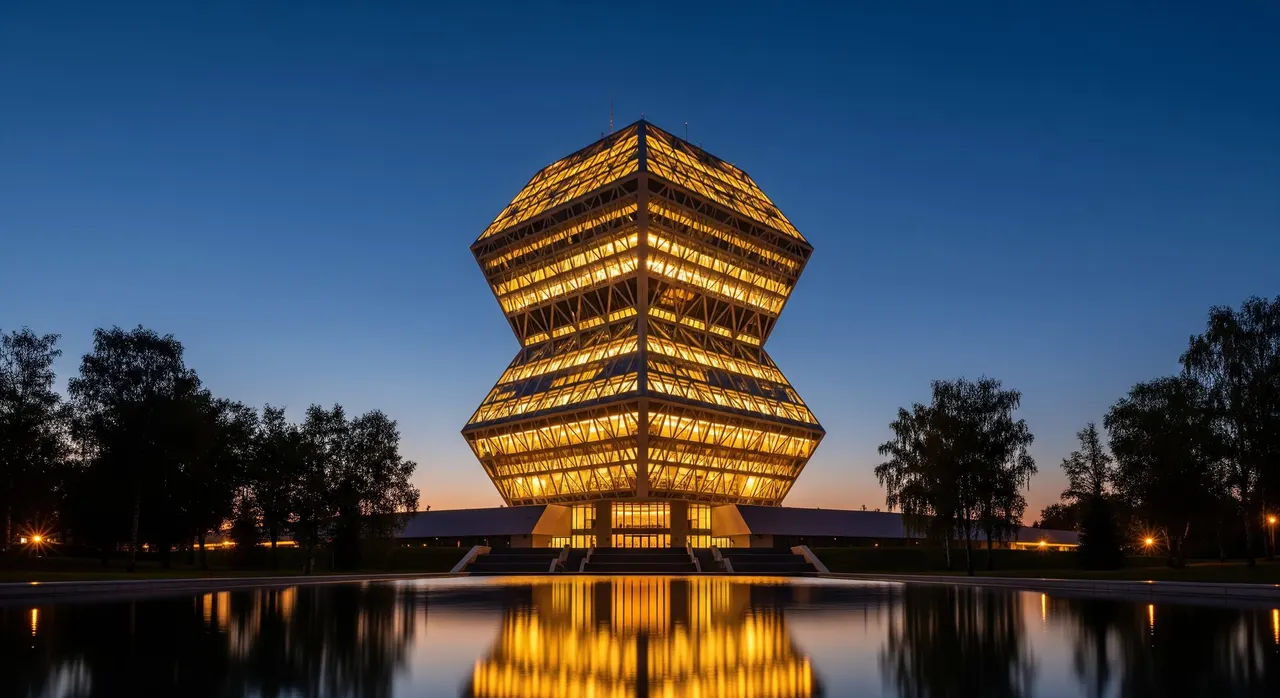
Daily life in Thailand — where Luxembourgish citizens settle on the DTV
Life in Thailand — your home base on the 5-year DTV
Section 04

Where Luxembourgish Expats and Nomads Settle

The Luxembourgish community in Thailand is small but steadily growing. Most DTV holders gravitate toward three main bases: Bangkok for its urban energy, business connections and lively social scene; Chiang Mai for its lower costs, deep digital-nomad infrastructure and mountain setting; and the southern islands such as Phuket and Koh Samui for beach living. Each offers fast internet, plenty of coworking space and an established international network, making the move feel manageable from day one.

Section 05

Money & Banking from Luxembourg

Managing money between Luxembourg and Thailand is straightforward. Most expats use services like Wise or Revolut to convert euros to Thai baht at competitive rates and avoid heavy bank charges. Opening a Thai bank account becomes possible once you hold a long-term visa and a local address. ATMs are everywhere, though each withdrawal usually carries a 220 THB (roughly €6) fee, so it pays to take out larger amounts at once. Cards are widely accepted in cities, but cash still rules in local markets and on the islands. For the DTV you show proof of 500,000 THB (~$15,000) in personal funds, typically held in a Luxembourgish bank or brokerage account and evidenced with a standard statement.

Section 06

Documents & Translation: What Luxembourg Citizens Need

Luxembourg's official administrative languages are Luxembourgish, French and German, so your bank statements, employment letters and supporting paperwork will rarely be in English by default. Because DTV documents should be submitted in English (or Thai), you will most likely need a certified English translation of your financial proof, employment or freelance contracts and any other paperwork. It is a simple extra step, and one our team can guide you through so nothing holds up your application.

Translation Shortcut

Ask your Luxembourgish bank to issue an English-language statement or balance confirmation directly. Many institutions, especially internationally minded ones like BGL BNP Paribas, Banque de Luxembourg or ING Luxembourg, can produce this on request — saving you both the cost and the time of a separate certified translation.

Section 07

Daily Life & Community for Luxembourgish Expats

Thailand offers excellent healthcare, with internationally accredited private hospitals such as Bumrungrad and Samitivej in Bangkok and Chiang Mai Ram up north delivering top-tier care at a fraction of Western prices. Connectivity is reliable nationwide, with fibre common in urban areas, so video calls and remote work flow smoothly. The food scene is gloriously varied, from fiery street stalls to polished international dining. Safety is a genuine draw, crime rates are low and locals are famously warm. The Luxembourgish community itself is modest, but you will find active expat groups on Facebook, regular meetups, and ready-made French- and German-speaking circles that many Luxembourgers slot straight into.

  • Healthcare: Quality private hospitals at a fraction of European prices; comprehensive international insurance is strongly recommended.
  • Internet: 5G and fibre widely available; coworking spaces offer dedicated, business-grade lines.
  • Cuisine: Affordable and delicious, with high standards at reputable spots.
  • Community: Easy to plug into French- and German-speaking networks alongside the wider international crowd.

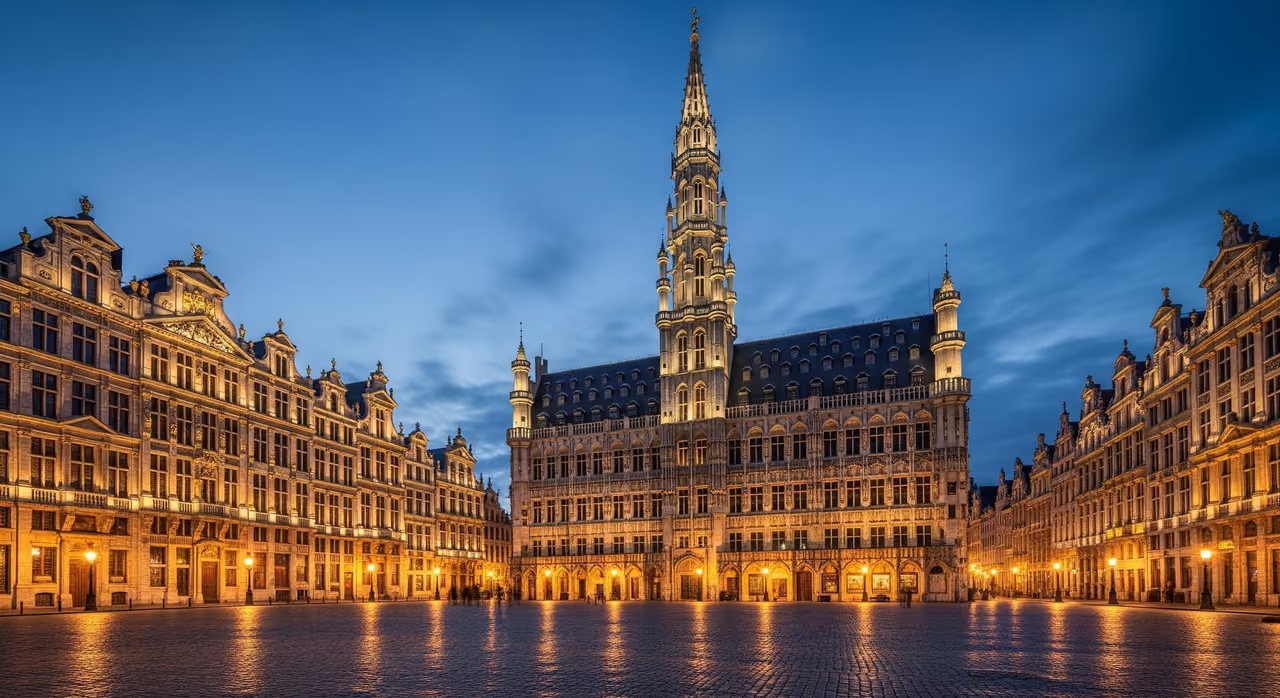
Luxembourg — your starting point before relocating to ThailandLuxembourg
From Luxembourg to Thailand

Make the move from Luxembourg

Trade Luxembourg for up to five years in Thailand on the DTV. We prepare and submit your entire application from wherever you are — proof of funds, category evidence and passport — so you can focus on the move, not the paperwork.

Check eligibility
Step by step

How Luxembourgish citizens apply for the DTV

1

Check you qualify

Almost every nationality can apply. Take our free 60-second eligibility checker to confirm your route — remote work, soft power, medical or family.

2

We prepare everything

We assemble and review your documents: proof of 500,000 THB (~$15,000), your category evidence and passport — so nothing gets rejected.

3

We submit for you

You apply from outside Thailand. We file at a Thai embassy or consulate (such as Hanoi, Ho Chi Minh, Jakarta, Vientiane or London) within one business day.

4

Get approved & move

On approval you get the 5-year, multiple-entry DTV — up to 180 days per stay, extendable once. Then make Thailand home.

Questions

DTV FAQ for Luxembourgish citizens

How long can Luxembourgish citizens stay in Thailand with the DTV?

The Destination Thailand Visa is a 5-year multiple-entry visa. Each entry grants a stay of up to 180 days, which can be extended once per entry for a further 180 days at a local immigration office, allowing a near-continuous stay as long as you continue to meet the conditions.

How much money do I need to show to apply for the DTV as a Luxembourg national?

You must demonstrate proof of 500,000 THB (approximately $15,000) in personal funds. This can be shown with a standard statement from your Luxembourgish bank or brokerage account; the funds simply need to be available in your name.

Can I work for a Luxembourgish employer remotely while on the DTV?

Yes. The DTV is built for remote workers, freelancers and digital nomads. You can legally work for your Luxembourg-based employer or international clients while living in Thailand, provided the work is for entities outside Thailand.

What is the time difference between Luxembourg and Thailand, and will it affect my remote work?

Thailand is UTC+7 year-round, while Luxembourg is UTC+1 in winter and UTC+2 in summer, a gap of 5 to 6 hours with Thailand ahead. Many Luxembourgish remote workers find this convenient: they enjoy free mornings and begin work in the early afternoon Thai time, overlapping neatly with the Luxembourg working day.

How much does it cost to live in Thailand compared to Luxembourg?

Far less. A comfortable lifestyle including rent, food, transport and leisure can cost 50–70% less than in Luxembourg City. As a rough guide, a monthly budget of €1,200–€1,700 in Bangkok delivers a standard of living that would easily require €3,000 or more back home.

Do I apply for the DTV from Luxembourg or inside Thailand?

You must apply from outside Thailand, typically from Luxembourg or another country before you travel. Our service prepares and submits the entire application remotely, so you can handle everything from home.

Is there a Luxembourgish expat community in Thailand?

It is small but growing, concentrated mainly in Bangkok and Chiang Mai. Online groups and occasional social events help newcomers settle in, and many Luxembourgers also connect easily with the larger French- and German-speaking communities.

What happens if my DTV application is denied?

With our optional Denial Protection add-on you receive a 100% refund of our service fee (which starts from $139) if your application is not approved. We prepare your documents carefully to meet all requirements, giving you peace of mind.

Which flights are most convenient from Luxembourg to Thailand?

There are no nonstop flights. The most efficient routes connect through hubs such as Frankfurt (a short flight or roughly a 3-hour drive from Luxembourg City), Munich, Paris CDG, Doha or Istanbul, with total journey times of about 13 to 18 hours. Many Luxembourgers drive or take the train to a larger nearby airport for a wider choice of long-haul options.

Do my Luxembourgish documents need to be in English for the application?

Most likely, yes. Because official documents are usually in Luxembourgish, French or German, you will probably need a certified English translation of bank statements, employment or freelance letters and other supporting paperwork. Some Luxembourgish banks can issue an English-language statement on request, which we strongly recommend asking for.

Ready to move to Thailand from Luxembourg?

Check your eligibility in under a minute, or let our team prepare and submit everything — with a 100% refund if your application is denied (with the optional paid Denial Protection add-on).