Skip to content
Africa

DTV Visa for Libyan Citizens

For Libyan citizens seeking a calmer, more affordable base abroad, Thailand offers a rare blend of tropical living, modern infrastructure and genuine value for money. Whether you are a remote professional, an entrepreneur, or simply ready for a change of pace, the Destination Thailand Visa (DTV) opens a five-year window to working from a Bangkok co-working space, settling into the cool hills of Chiang Mai, or basing yourself near the beaches of Phuket — all on a budget that stretches far further than it would in Tripoli or Benghazi.

Every Libyan citizen is eligible to apply

5

Years validity

180

Days per entry

500k

THB proof of funds

$139

Service fee from

100%

Refund if denied*

Why Libyan citizens choose Thailand

Living in Thailand from Libya

Section 01

Why Libyans Are Choosing Thailand

After years of instability and a cost of living that has climbed steeply with the swings of the Libyan dinar, many Libyans are looking for a stable, comfortable place to live and work. Thailand answers that with reliable electricity, fast internet, modern hospitals and a low crime rate — the kind of day-to-day certainty that is easy to take for granted until you have lived without it. The DTV makes a long stay practical without the upheaval of a one-off tourist trip.

The climate is part of the draw too. Libyans are used to the hot, dry extremes of the Sahara and the milder Mediterranean strip along the coast; Thailand swaps that for green, tropical warmth all year, broken up by monsoon rains rather than dust storms. Add the country's famous hospitality, an endless street-food scene and a relaxed pace of life, and it is easy to see why a growing number of Libyans treat Thailand as a genuine second home rather than just a holiday.

Section 02

Cost of Living: Libya vs Thailand

Moving from Libya to Thailand can lower your monthly outgoings while raising your standard of living — though the comparison is complicated by Libya's dual exchange rates and subsidised fuel. In Tripoli, a modern one-bedroom apartment in a central district might run 2,500–3,500 LYD a month. In Bangkok, a comparable furnished flat in a popular expat area such as Sukhumvit or On Nut costs roughly 15,000–25,000 THB ($450–$750). Chiang Mai is cheaper still, with similar apartments at 8,000–15,000 THB ($240–$450).

Eating out is where Thailand really wins. A filling local meal — pad kra pao, a bowl of noodle soup, or chicken biryani from a Muslim-run stall — costs 50–80 THB ($1.50–$2.40), and you can eat that way every day without thinking about it. Where Libya holds an advantage is fuel and the car-centric lifestyle it enables: petrol is heavily subsidised at home, while in Thailand you will lean on cheap public transport and motorbike taxis instead. Bangkok's BTS Skytrain starts around 17 THB ($0.50) a ride, and a Grab car across town rarely tops 150–200 THB ($4.50–$6).

A Realistic Monthly Budget

A single person living comfortably in Chiang Mai — rent, daily meals, transport, mobile data and some leisure — spends around 30,000–40,000 THB ($900–$1,200) a month. Bangkok runs a little higher; smaller towns and the islands' off-season can be lower.

Section 03

Getting to Thailand from Libya

There are no direct flights between Libya and Thailand, so every trip routes through a regional hub. From Tripoli's Mitiga (MJI) or Benghazi (BEN), the most practical connections go via Istanbul (IST) on Turkish Airlines, via Cairo (CAI) on EgyptAir, or via Gulf hubs like Doha (DOH) and Dubai (DXB) on Qatar Airways and Emirates. With one stop and a sensible layover, total door-to-door travel time is usually 14–18 hours; awkward connections can push it higher.

Istanbul tends to be the smoothest single-stop option from western Libya, while travellers from the east often find Cairo or a Gulf hub more convenient. Booking the Libya–hub and hub–Bangkok legs together on one ticket spares you re-checking bags and re-clearing immigration at the connection — well worth it on a journey this long.

The time difference is easy to manage. Thailand runs on Indochina Time (UTC+7) and Libya on Eastern European Time (UTC+2), a steady 5-hour gap with no daylight saving on either side. When it is noon in Tripoli, it is 5 PM in Bangkok. For remote workers, that means your Thai mornings are quiet and undistracted, with Libyan and wider North African and European business hours coming online in your afternoon and evening.

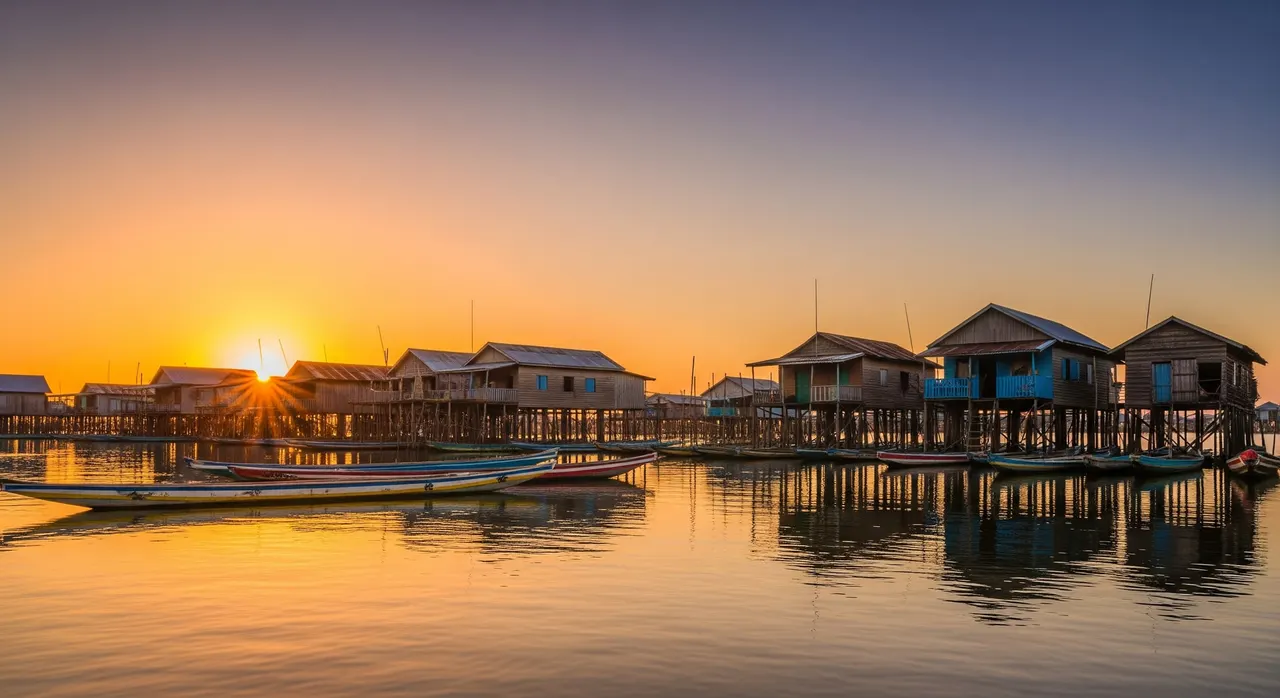
Daily life in Thailand — where Libyan citizens settle on the DTV
Life in Thailand — your home base on the 5-year DTV
Section 04

Where Libyan Expats Settle in Thailand

Most Libyans gravitate toward one of three bases, each with a different rhythm:

  • Bangkok — the obvious first stop for business, the widest choice of halal restaurants and mosques, the largest Arab community and the best international hospitals. Areas around Nana and Sukhumvit have a long-established Middle Eastern presence.
  • Chiang Mai — cooler, greener and far cheaper, with a tight-knit remote-worker scene and a calmer pace that suits families and anyone wanting to stretch their budget.
  • Phuket — the choice if you want beaches and an international, English-speaking environment year-round, with established Muslim communities and halal dining across the island.

Tip for Libyan Newcomers

Join Libyan and wider Arab expat groups on Facebook before you arrive. They are invaluable for finding halal restaurants, Arabic-speaking doctors, the nearest mosque, and a trustworthy agent or landlord — and members will often help a new arrival find their feet.

Section 05

Money & Banking from Libya

Moving money out of Libya takes planning. The Libyan dinar is a restricted, non-convertible currency, so you cannot exchange LYD in Thailand and direct international transfers from Libyan banks can be slow and limited. Many Libyans route funds through a UAE-based account, or use international transfer services such as Western Union, MoneyGram or Wise where they are available to them. Converting your funds into US dollars or euros before you travel, and carrying a sensible amount, is a practical backstop.

Once you are settled, day-to-day money is simple. ATMs are everywhere, though most charge foreign cards a fixed fee of around 220 THB (~$6.60) per withdrawal, so larger, less frequent withdrawals save money. Cash is still king for street stalls and markets, but Thailand's PromptPay QR system has become the default for everything from a coffee to a taxi, and many shops now expect it.

Currency Tip

Because the Libyan dinar (LYD) cannot be exchanged in Thailand, convert to USD or EUR before you leave — at a Libyan bank, a licensed exchange, or at your transit airport — then change to Thai baht (THB) on arrival, where rates for major currencies are strong.

Section 06

Documents & Translation

Libya's official language is Arabic, so any supporting documents you provide for the DTV — bank statements, an employment contract, proof of business ownership or similar — will almost certainly need a certified English (or Thai) translation . Thai requirements are set in English and Thai, so an Arabic-only document is not enough on its own. The good news is that this is routine: a licensed translator can handle it quickly, and getting it done before you submit avoids back-and-forth later. The whole point of the DTV is that you apply from outside Thailand and the company prepares and submits everything for you, so you are told exactly which documents and translations are needed up front.

Section 07

Daily Life & Community

Healthcare: Thailand's private hospitals — Bumrungrad and Samitivej in Bangkok, Bangkok Hospital branches in Phuket and Chiang Mai — are internationally accredited and a fraction of Western prices. Many doctors trained abroad and speak fluent English, and the larger hospitals can arrange Arabic interpreters. Comprehensive private health insurance is strongly recommended.

Internet: Connectivity is excellent. Home fibre is fast and cheap, 4G and 5G blanket the cities, and co-working spaces are plentiful — more than enough for video calls back to Libya or clients elsewhere.

Food: Halal eating is genuinely easy here. Thailand has a large Muslim population, especially in the south, and you will find everything from khao mok gai (Thai chicken biryani) to full Middle Eastern menus in the Arab quarters of Bangkok. Supermarkets stock dates, olives and other staples Libyans will recognise.

Faith & community: Mosques are easy to find in Bangkok, Phuket and across the south, and Islamic centres run Arabic-language sermons and community events. The Libyan community itself is small but growing, woven into the wider Arab and Muslim diaspora, which makes settling in culturally smooth.

Safety: Thailand is generally very safe, with low rates of violent crime. The usual caution against petty theft in busy tourist spots applies, but most Libyans are struck by the everyday sense of security and freedom of movement.

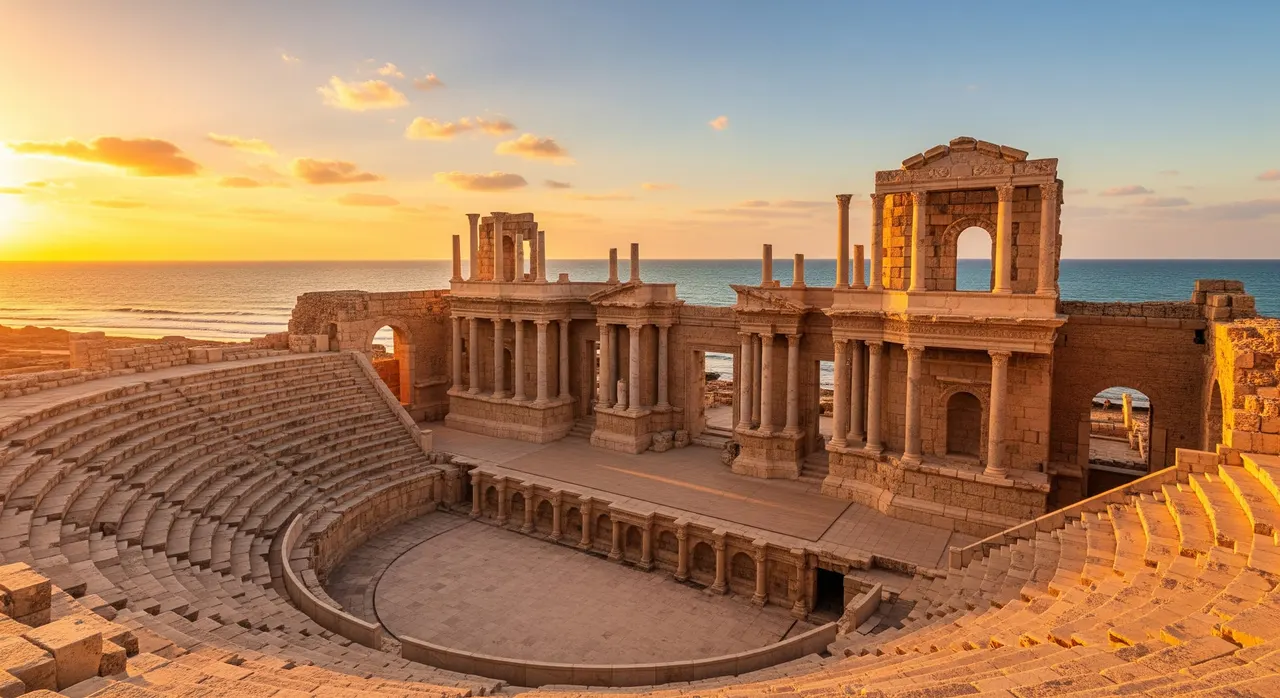
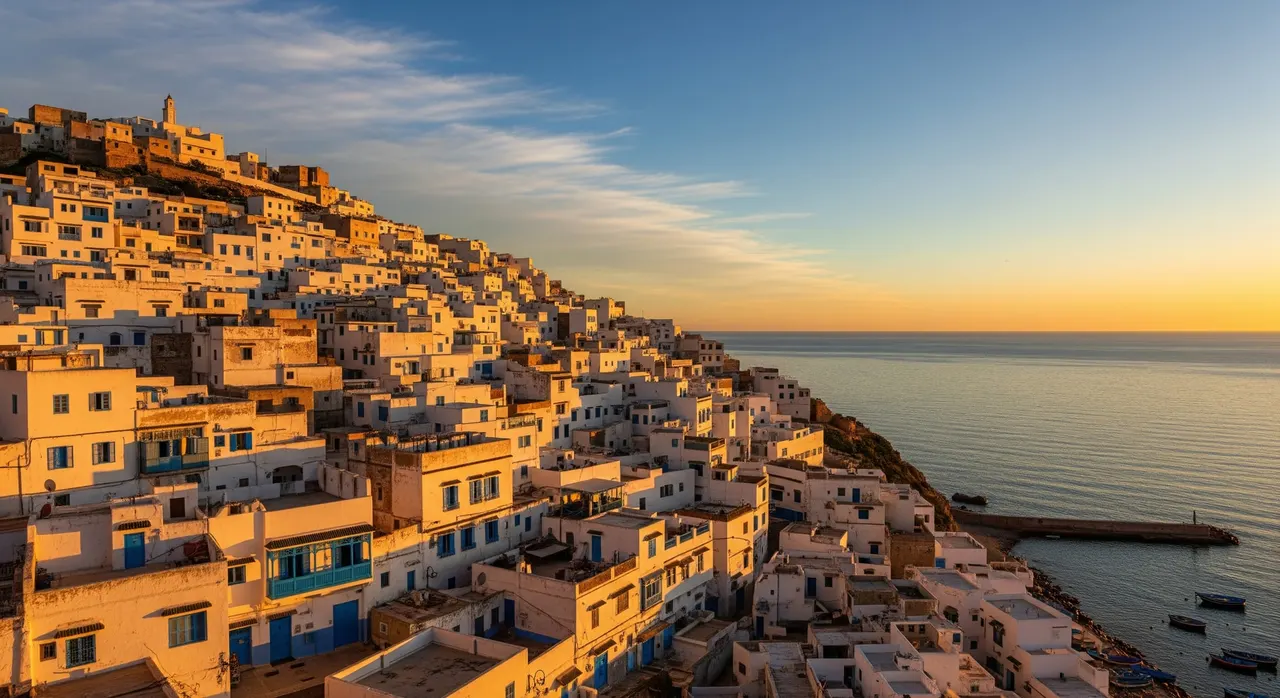
Libya — your starting point before relocating to ThailandLibya
From Libya to Thailand

Make the move from Libya

Trade Libya for up to five years in Thailand on the DTV. We prepare and submit your entire application from wherever you are — proof of funds, category evidence and passport — so you can focus on the move, not the paperwork.

Check eligibility
Step by step

How Libyan citizens apply for the DTV

1

Check you qualify

Almost every nationality can apply. Take our free 60-second eligibility checker to confirm your route — remote work, soft power, medical or family.

2

We prepare everything

We assemble and review your documents: proof of 500,000 THB (~$15,000), your category evidence and passport — so nothing gets rejected.

3

We submit for you

You apply from outside Thailand. We file at a Thai embassy or consulate (such as Hanoi, Ho Chi Minh, Jakarta, Vientiane or London) within one business day.

4

Get approved & move

On approval you get the 5-year, multiple-entry DTV — up to 180 days per stay, extendable once. Then make Thailand home.

Questions

DTV FAQ for Libyan citizens

What exactly is the Destination Thailand Visa for Libyan citizens?

It is a 5-year multiple-entry visa that lets you stay up to 180 days per entry, extendable once for a further 180 days. That makes it ideal for long-term living, remote work or study. You apply from outside Thailand, and our team prepares and submits the whole application on your behalf.

How long is the flight from Libya to Thailand?

There are no direct flights. With one stop in a hub such as Istanbul, Cairo, Doha or Dubai, total travel time is usually 14–18 hours depending on your layover. Tripoli's Mitiga (MJI) and Benghazi (BEN) are the main departure points.

Is Thailand affordable for Libyans?

For most things, yes. Rent, eating out, healthcare and transport are all good value, and a comfortable single person's budget in Chiang Mai of about 30,000–40,000 THB ($900–$1,200) a month covers rent, meals and leisure. Bear in mind subsidised fuel makes driving cheaper at home, but Thailand's cheap public transport more than makes up for it.

How much money do I need to prove for the DTV?

You need to show proof of 500,000 THB (around $15,000) in personal funds. This can sit in a Libyan or international bank account, and we guide you on the exact format and any translation required.

Can I work remotely for a Libyan or foreign company while living in Thailand?

Yes. The DTV is built for remote workers and digital nomads. As long as your employer or your own business is based outside Thailand, you can live in the country and work online for them.

Do my Arabic documents need to be translated?

Yes. Because Libya's official language is Arabic, supporting documents such as bank statements or an employment contract will normally need a certified English or Thai translation, since Thai requirements are set in those languages. A licensed translator handles this quickly, and we tell you exactly what is needed before you submit.

What is the time difference between Libya and Thailand?

Thailand is 5 hours ahead of Libya (UTC+7 versus UTC+2), with no daylight saving on either side. When it is 9 AM in Tripoli it is 2 PM in Bangkok, which gives remote workers quiet Thai mornings and an afternoon overlap with Libyan and European working hours.

Will I find halal food and mosques in Thailand?

Easily. Thailand has a large Muslim population, particularly in the south and in major cities. Halal restaurants, Arabic and Middle Eastern grocers, and mosques are common in Bangkok, Phuket and the southern provinces, so maintaining your dietary and religious practices is straightforward.

How does sending money from Libya to Thailand work?

The Libyan dinar is restricted and cannot be exchanged in Thailand, so most Libyans convert funds to US dollars or euros first, or move money through a UAE account or services like Western Union, MoneyGram or Wise. Once in Thailand you can open a local account, and PromptPay covers most daily payments.

How much does your service cost, and is there a refund if I am denied?

Our preparation service starts from $139. With the optional Denial Protection add-on, you receive a 100% refund if your application is denied. We handle the paperwork end to end so the process is as smooth as possible.

Can my family join me in Thailand on the DTV?

Yes. Your spouse and dependent children can be included, receiving their own visas linked to your application so the whole family can live in Thailand together.

Ready to move to Thailand from Libya?

Check your eligibility in under a minute, or let our team prepare and submit everything — with a 100% refund if your application is denied (with the optional paid Denial Protection add-on).