
Skip to content
Middle East

DTV Visa for Lebanese Citizens

For many Lebanese, moving to Thailand offers a genuine fresh start — a way to step out of economic uncertainty and stubbornly high living costs at home while building a calmer, more affordable life. With the Destination Thailand Visa (DTV), you can live in Thailand, work remotely for clients or employers abroad, and travel the region for up to five years on a single visa. Whether you picture yourself in a Bangkok condo, a quiet Chiang Mai neighbourhood, or a beachside flat in Phuket, Thailand pairs a low cost of living with excellent healthcare, fast internet, and a famously warm welcome for newcomers.

Every Lebanese citizen is eligible to apply

5

Years validity

180

Days per entry

500k

THB proof of funds

$139

Service fee from

100%

Refund if denied*

Why Lebanese citizens choose Thailand

Living in Thailand from Lebanon

Section 01

Why Lebanese Citizens Are Moving to Thailand

Years of currency collapse, banking restrictions, and political instability have pushed many Lebanese to look abroad for stability and value. Thailand is one of the most practical answers. The cost of living runs dramatically lower than Beirut, the tropical climate echoes Lebanon's long warm summers (minus the traffic and power cuts), and society is calm, safe, and easygoing. Crucially, the DTV is built for exactly the kind of people leaving Lebanon today — remote workers, freelancers, and digital entrepreneurs who earn in dollars or euros and want their income to stretch much further.

  • Escape high inflation and a devalued Lebanese lira
  • A far lower cost of living without dropping your quality of life
  • Reliable electricity, fast fibre internet, and modern infrastructure
  • A warm, year-round climate and some of the world's best beaches
  • A safe, welcoming society with a relaxed pace of daily life
  • World-class private healthcare at a fraction of Beirut hospital prices

Section 02

Cost of Living: Lebanon vs. Thailand

The gap is striking. In Beirut, a one-bedroom apartment in a decent neighbourhood often runs $800–$1,200 a month; in Bangkok you can rent a modern condo with a pool and gym for $400–$600, and in Chiang Mai for as little as $250–$350. Everyday spending tells the same story. A casual restaurant meal in Lebanon might cost $10–$15, while a plate of excellent Thai street food is $1.50–$3. A coworking membership averages $50–$100 a month in Thailand against $150–$250 in Beirut. Even on a modest USD or EUR remote income, your purchasing power multiplies the moment you land.

Monthly Living Costs: Beirut vs. Chiang Mai

A single person's monthly expenses in Beirut, including rent, typically run $1,200–$1,500. In Chiang Mai, a very comfortable lifestyle — a modern studio, eating out daily, a coworking membership, and local transport — is realistic for $600–$800 a month. An ATM withdrawal in Thailand carries a fixed fee of around 220 THB on top of your home bank's charges, so larger, less frequent withdrawals save money.

Budgeting Tip

Budget 15,000–25,000 THB a month for rent outside central Bangkok or in the northern cities and you'll live in a modern building with a pool and gym. Leaning on street food and local markets keeps a single person's food bill comfortably under 10,000 THB a month.

Section 03

Getting to Thailand from Lebanon

Flights leave from Beirut–Rafic Hariri International Airport (BEY) and reach Bangkok's Suvarnabhumi (BKK) with one stop, since there are no non-stops on this route. The smoothest connections are via Dubai on Emirates, Doha on Qatar Airways, or Istanbul on Turkish Airlines, with total journey times of roughly 11 to 14 hours depending on the layover. Gulf carriers tend to offer the quickest single-stop hops, while the Istanbul routing is often the cheapest. Thailand runs 4 to 5 hours ahead of Lebanon, so an overnight flight typically has you landing in Bangkok in the morning or early afternoon.

Time Zone Advantage for Remote Work

Thailand (ICT, UTC+7) sits 4–5 hours ahead of Lebanon (EET, UTC+2/+3 with daylight saving). For Lebanese remote workers serving Middle Eastern or European clients, that means you can enjoy your Thai mornings, then start work around midday and still overlap with a full Beirut business day in your afternoon and evening.

Daily life in Thailand — where Lebanese citizens settle on the DTV
Life in Thailand — your home base on the 5-year DTV
Section 04

Where Lebanese Expats and Nomads Settle

  • Bangkok: The cosmopolitan hub with the best infrastructure, the widest food scene (including plenty of halal and Middle Eastern options), and a growing Lebanese presence around Sukhumvit.
  • Chiang Mai: The classic digital-nomad base — cooler mountain air, the lowest costs of the major cities, strong coworking spaces, and a laid-back creative crowd.
  • Phuket and Koh Samui: For beach life, with established expat networks, international schools, and direct regional flights from Phuket International Airport.
  • Pattaya: A short drive from Bangkok, popular for affordable coastal living and quick access to the capital.

Lebanese newcomers often gravitate to Bangkok and Phuket, where Middle Eastern restaurants, groceries, and social circles are easiest to find. The strong halal infrastructure in southern Thailand — driven by the region's own Muslim communities — also makes everyday life simpler for those who keep a halal diet.

Section 05

Money and Banking from Lebanon

Lebanon's banking crisis and informal capital controls make moving money abroad the trickiest part of any relocation, so plan it carefully. Thai ATMs and card terminals widely accept international Visa and Mastercard, but Lebanese-issued cards can be unpredictable, so don't rely on a single source of funds. Many people open a multi-currency account with Wise or Revolut before leaving, carry a sensible amount of USD cash as backup, and use trusted exchange counters such as SuperRich in Thailand for strong rates. Once you hold a long-stay visa and have a local address, opening a Thai bank account becomes much easier.

Key Insight

Because Lebanese banks may limit or delay overseas transfers, redundancy matters: combine a Wise or Revolut balance, a backup card on a different network, and some USD cash. If you bring cash, note that amounts over the equivalent of roughly USD 20,000 must be declared on arrival in Thailand.

Banking Tip

Set up your Wise app while you're still in Lebanon. A borderless account lets you hold a Thai baht balance, convert at the real mid-market rate, and spend by debit card or local transfer — a reliable lifeline when Lebanese bank cards misbehave.

Section 06

Documents and Translation for Lebanese Applicants

Lebanon is multilingual, but official paperwork — bank statements, employment letters, civil records — is generally issued in Arabic. Thai authorities expect supporting documents in English or Thai, so plan to obtain certified English translations of anything in Arabic. Certified translation services are easy to find in Beirut; just confirm the translator is recognised so the work is accepted without question. Documents already issued in English or French can usually be submitted as-is, though an English version is safest where French is involved.

  • Passport valid for the full visa period, plus a clear scan of the photo page
  • Bank statements showing your savings or steady income (proof of personal funds)
  • Employment contracts, client agreements, or freelance invoices
  • Professional qualifications, a portfolio, or company registration if self-employed

Document Prep Tip

Start early — certified translations in Beirut can take a few business days. Scan the original Arabic and the certified English version of each document together into a single clean PDF, named clearly, so the application moves through without back-and-forth.

Section 07

Daily Life and Community in Thailand

Thailand consistently ranks among the safer countries to live in, with low violent crime and an unfailingly polite, welcoming culture. Healthcare is a standout: internationally accredited private hospitals such as Bumrungrad and Bangkok Hospital offer English-speaking staff and modern facilities at a fraction of Lebanese private-hospital prices. Connectivity is excellent too — fast, stable fibre and broad 5G coverage in the cities mean remote work simply runs smoothly, which is rarely a given back home.

Food alone wins many people over, from a 50-baht plate of pad thai to world-class fine dining. Halal options are common, and in Bangkok and Phuket you'll find Lebanese and broader Middle Eastern restaurants and grocers stocking za'atar, labneh, and other staples. The Lebanese community is small but tight-knit, with active Facebook groups and informal meet-ups that make it easy to find your people in the first few weeks.

Lebanese and Middle Eastern Community Presence

Bangkok's Sukhumvit Soi 3 and the surrounding lanes are the city's Middle Eastern quarter, packed with Levantine eateries, shisha cafés, and grocers. Community gatherings tend to cluster around Eid and Lebanese Independence Day, and online groups are the quickest way to plug in.

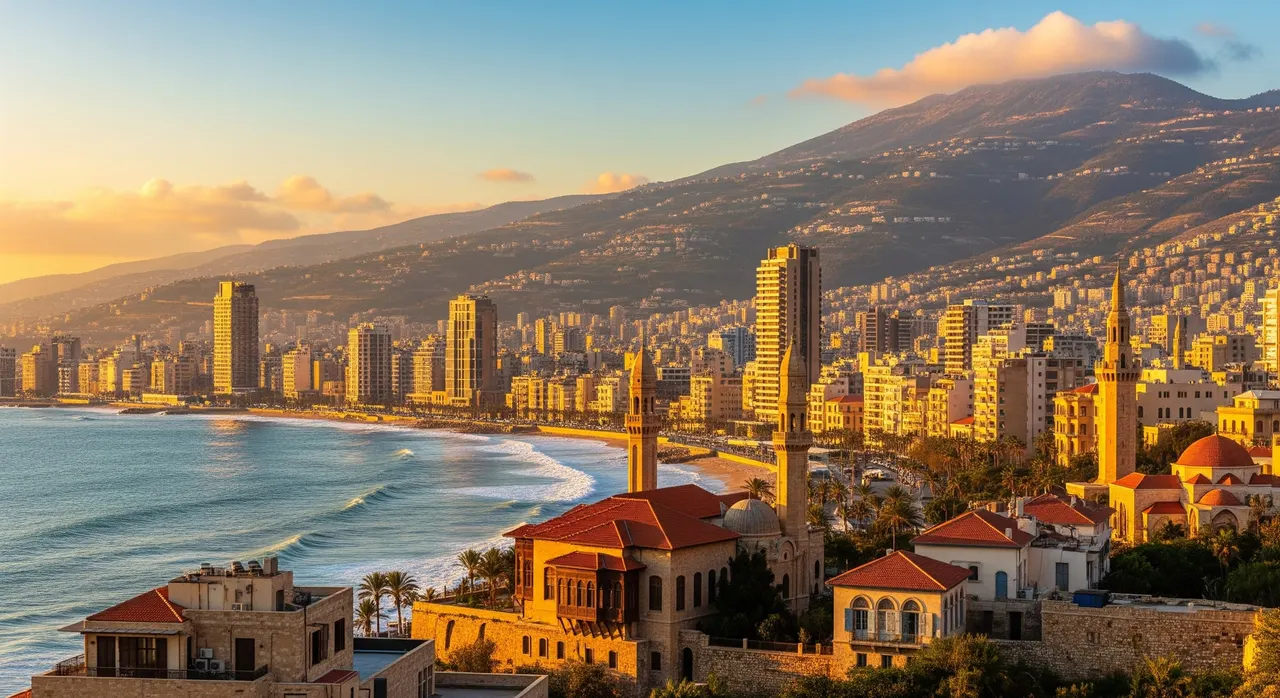
Lebanon — your starting point before relocating to ThailandLebanon
From Lebanon to Thailand

Make the move from Lebanon

Trade Lebanon for up to five years in Thailand on the DTV. We prepare and submit your entire application from wherever you are — proof of funds, category evidence and passport — so you can focus on the move, not the paperwork.

Check eligibility
Step by step

How Lebanese citizens apply for the DTV

1

Check you qualify

Almost every nationality can apply. Take our free 60-second eligibility checker to confirm your route — remote work, soft power, medical or family.

2

We prepare everything

We assemble and review your documents: proof of 500,000 THB (~$15,000), your category evidence and passport — so nothing gets rejected.

3

We submit for you

You apply from outside Thailand. We file at a Thai embassy or consulate (such as Hanoi, Ho Chi Minh, Jakarta, Vientiane or London) within one business day.

4

Get approved & move

On approval you get the 5-year, multiple-entry DTV — up to 180 days per stay, extendable once. Then make Thailand home.

Questions

DTV FAQ for Lebanese citizens

What exactly is the Destination Thailand Visa (DTV) for Lebanese citizens?

The DTV is a 5-year, multiple-entry visa that lets Lebanese citizens live in Thailand, work remotely for overseas clients or employers, and travel in and out freely. Each entry allows a stay of up to 180 days, and that stay can be extended once by a further 180 days without leaving the country.

How much money do I need to show for the DTV application?

You need to show proof of personal funds of at least 500,000 THB (approximately $15,000). This is typically demonstrated through bank statements, and the funds should be held in your own name.

Can I work remotely for a Lebanese or foreign company while on the DTV?

Yes. The DTV is designed for digital nomads and remote workers. You can legally work for overseas employers or run your own location-independent business while living in Thailand, as long as your income comes from outside Thailand.

Do I need to apply from Lebanon, or can I apply once I'm in Thailand?

You apply from outside Thailand. Our team prepares and submits your complete application for you, so you don't have to navigate the paperwork or the process alone — you simply travel once everything is approved.

What if my DTV application is denied? Is there a refund?

With the optional Denial Protection add-on, you receive a 100% refund of our service fee if your application is rejected. It is the simplest way to remove the financial risk from your application.

How much does your DTV service cost for Lebanese applicants?

Our service starts from $139, depending on the level of assistance you choose. That covers document review, full application preparation, and submission support from start to finish.

How long is the flight from Beirut to Bangkok?

One-stop flights from Beirut (BEY) to Bangkok (BKK) take roughly 11 to 14 hours of total travel time, depending on the layover. There are no non-stop options; the most popular connections route through Dubai, Doha, or Istanbul.

What is the time difference between Lebanon and Thailand?

Thailand (ICT, UTC+7) is 4 to 5 hours ahead of Lebanon (EET, UTC+2 in winter, UTC+3 with daylight saving). When it is 9:00 AM in Beirut, it is around 1:00 PM in Bangkok. The gap suits remote workers serving Middle Eastern and European clients.

Do Lebanese applicants need to translate their documents?

Usually, yes. Official Lebanese documents are generally issued in Arabic, and Thai authorities expect supporting documents in English or Thai. You will likely need certified English translations of your bank statements and other paperwork. Documents already in English can normally be submitted as they are.

Is Thailand safe for Lebanese expats, and is halal food easy to find?

Thailand is very safe, with low crime and a friendly local culture. Halal food is widely available in cities and tourist areas, especially in the south, and there is a small but active Lebanese and Middle Eastern community in Bangkok and Phuket to help you settle in.

Can I bring my family with me on the DTV?

Yes. Spouses and dependent children can apply for accompanying visas tied to your DTV, which makes it a practical option for Lebanese families relocating together rather than just solo remote workers.

More in Middle East

Other DTV country guides

Ready to move to Thailand from Lebanon?

Check your eligibility in under a minute, or let our team prepare and submit everything — with a 100% refund if your application is denied (with the optional paid Denial Protection add-on).