For many Kazakhstani citizens , Thailand is more than a holiday destination — it is becoming a second home. After the long, bitter winters of the steppe, the Kingdom offers year-round warmth, a far lower cost of living and one of Asia's most established communities of remote workers. Whether you dream of Phuket's beaches, Chiang Mai's mountain temples or the round-the-clock energy of Bangkok, the Destination Thailand Visa (DTV) opens the door to a flexible five-year stay built around your remote career or extended escape.
1. From the Steppe to the Tropics: Why Kazakhstani Citizens Choose Thailand
Kazakhstan's continental climate is a powerful motivator. Almaty winters routinely sink well below freezing, and the landlocked geography means the nearest warm coastline is thousands of kilometres away. A growing number of Kazakhstani professionals, freelancers and families are swapping sub-zero mornings for tropical warmth, trading the tenge's volatility for a stable, affordable lifestyle abroad. Thailand pairs reliable fibre internet and cheap coworking with world-class street food, affordable wellness and a genuinely welcoming culture — and the DTV lets you base yourself there legally for five years without the annual visa-run scramble.
Section 02
2. Cost of Living: Almaty and Astana vs Bangkok & Chiang Mai
Monthly Cost Snapshot
A modern one-bedroom apartment in central Almaty typically rents for $450–$700, while a comparable furnished condo in Chiang Mai often goes for $250–$400 — and even Bangkok's mid-range districts stay competitive. A hearty Thai street-food meal runs around 60–80 THB (under $2.50), versus $7–$12 for a casual lunch in an Almaty café. Local transport, fresh produce and gym memberships are all cheaper in Thailand. Overall, a couple can live comfortably in Thailand on roughly $1,200–$1,800 per month, noticeably less than the same lifestyle in Almaty or Astana.
The biggest savings show up in housing, eating out and healthcare. In Kazakhstan a night out, a restaurant dinner and good private medical care add up quickly; in Thailand all three are markedly cheaper while the quality stays high. The catch is that imported goods — Central Asian groceries, certain spirits and Western electronics — can carry a premium, so most expats lean into local markets, fresh tropical produce and Thai-made products to keep their budget low.
Section 03
3. Getting to Thailand from Kazakhstan
Routes and the Time-Zone Advantage
There is no nonstop service between Kazakhstan and Bangkok, but one-stop connections are plentiful. From Almaty (ALA) you can route via Dubai, Doha, Istanbul, Abu Dhabi or Tashkent, with total journeys of roughly 11–15 hours depending on the layover. Flights from Astana (NQZ) follow similar hubs. On time zones, Kazakhstan now runs on a single zone of UTC+5, while Thailand is UTC+7 — just two hours ahead. That tiny gap means you can keep working for an Almaty or Astana employer: start a little later Thai time and still wrap up by mid-afternoon, leaving the evening free.
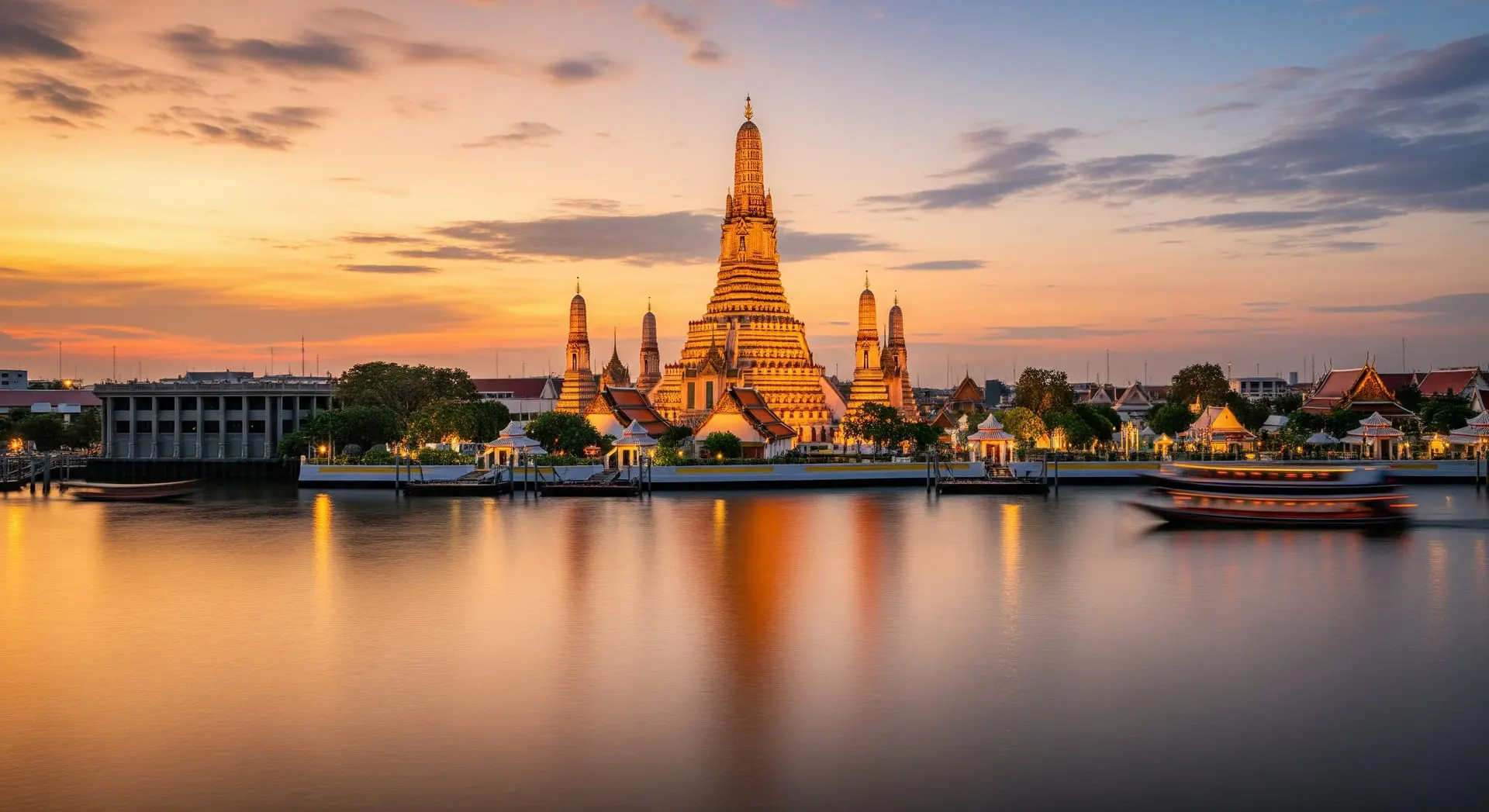
Life in Thailand — your home base on the 5-year DTV
Section 04
4. Where Kazakhstani Expats Put Down Roots
Phuket — especially around Patong, Kata and the Bang Tao/Laguna area — has a large, long-standing Russian-speaking community that includes many Kazakhstani families, with familiar grocery stores and halal dining options.
Chiang Mai, centred on the Nimmanhaemin district, is a magnet for digital nomads from Central Asia: affordable coworking, comfortable condos, a cooler climate and the lowest overall costs of the major hubs.
Bangkok's Sukhumvit and Sathorn districts suit entrepreneurs and creatives who want the full megacity experience, international schools and top-tier private hospitals.
Pattaya and Koh Samui appeal to those after a beach-and-amenities balance, with Pattaya offering city conveniences and Samui a more laid-back island pace.
Section 05
5. Money & Banking: Tenge to Baht
Smart Money Moves
Open a multi-currency account such as Wise before you leave Kazakhstan — you can hold and convert tenge to Thai baht at low margins and spend like a local. In Thailand, foreign-card ATM withdrawals carry a fixed fee of around 220 THB each, so take out larger amounts less often rather than many small withdrawals. Carry a mix of cash and cards: malls and modern cafés take cards and QR payments, but street vendors and fresh markets are still cash-only. Once you are settled on a long-stay visa, opening a Thai bank account becomes much more straightforward and simplifies rent and bills.
Section 06
6. Documents & Translation
Language Matters
Supporting documents for the DTV should be in English (or Thai). Because Kazakhstan's official paperwork is issued in Kazakh or Russian, your bank statements and any supporting letters will almost certainly need a certified English translation. We tell you exactly which documents matter and how they should be presented, but arranging certified translations early avoids last-minute scrambling. The whole application is prepared and submitted for you from outside Thailand — you never have to stand in an embassy queue yourself.
Section 07
7. Daily Life: Healthcare, Internet, Food & Community
Healthcare: Internationally accredited private hospitals such as Bumrungrad and Samitivej in Bangkok deliver excellent care for a fraction of Western prices; many doctors speak English, and Russian-speaking patient services are common in Phuket.
Internet: Home fibre is widespread, with 100–500 Mbps plans for roughly $15–$25 a month — more than enough for video calls back to Almaty or Astana.
Food: Thai cuisine is endlessly varied, and for a taste of home you can find halal Central Asian restaurants and Russian-style supermarkets in expat hubs, especially around Phuket and parts of Bangkok.
Safety: Violent crime is rare and ordinary caution goes a long way; the main annoyances are minor tourist-zone scams and occasional bag-snatching, both easily avoided.
Community: A steadily growing Kazakhstani and wider Central Asian presence means you will run into fellow nationals at beach clubs, coworking spaces, mosques and informal meetups.
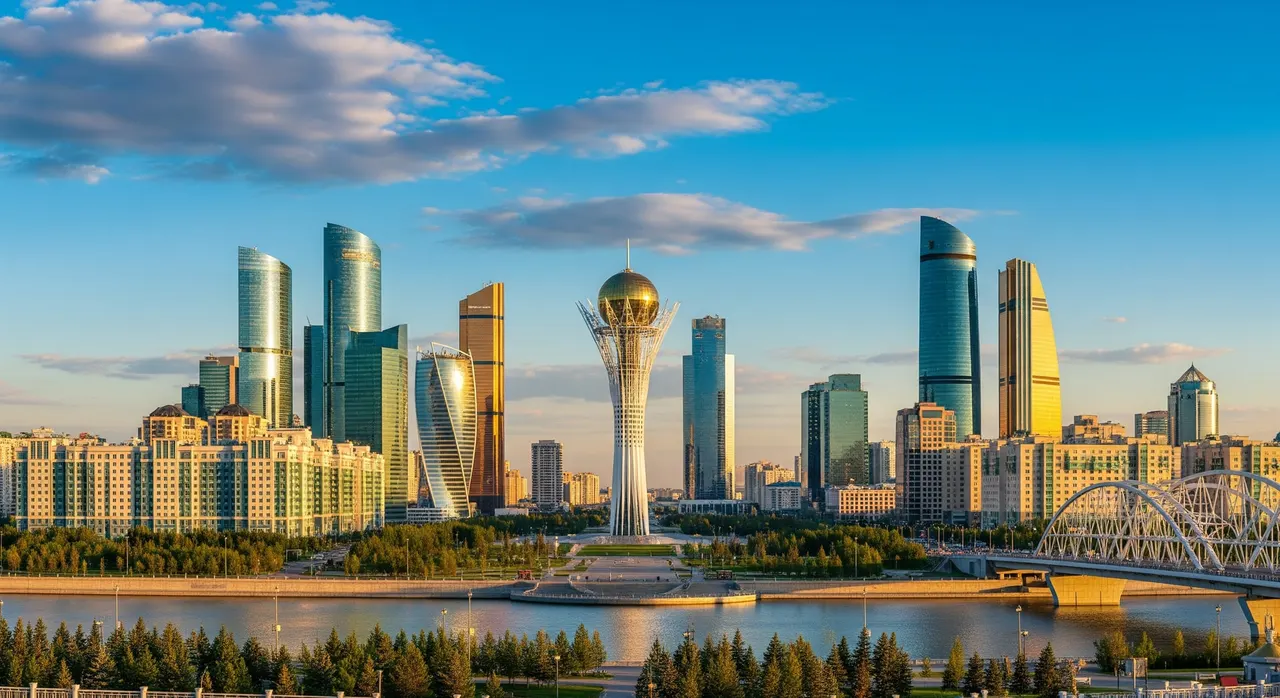
Kazakhstan
From Kazakhstan to Thailand
Make the move from Kazakhstan
Trade Kazakhstan for up to five years in Thailand on the DTV. We prepare and submit your entire application from wherever you are — proof of funds, category evidence and passport — so you can focus on the move, not the paperwork.
Almost every nationality can apply. Take our free 60-second eligibility checker to confirm your route — remote work, soft power, medical or family.
2
We prepare everything
We assemble and review your documents: proof of 500,000 THB (~$15,000), your category evidence and passport — so nothing gets rejected.
3
We submit for you
You apply from outside Thailand. We file at a Thai embassy or consulate (such as Hanoi, Ho Chi Minh, Jakarta, Vientiane or London) within one business day.
4
Get approved & move
On approval you get the 5-year, multiple-entry DTV — up to 180 days per stay, extendable once. Then make Thailand home.
Questions
DTV FAQ for Kazakhstani citizens
What is the Destination Thailand Visa (DTV)?
The DTV is a 5-year multiple-entry visa that lets remote workers, freelancers, digital nomads and their families stay in Thailand long-term. It is designed for people who want to experience Thailand well beyond a short tourist visit.
How long can Kazakhstani citizens stay in Thailand with the DTV?
Each entry allows a stay of up to 180 days, and you can extend that once per entry for a further 180 days — close to a full year per visit. Because it is multiple-entry, you can leave and re-enter as often as you like across the 5-year validity.
What are the financial requirements for the DTV?
You need to show proof of at least 500,000 THB (approximately $15,000) in personal funds. The money can sit in a Kazakhstan bank account, provided the statement meets the documentation requirements.
Do I apply from inside Thailand or from Kazakhstan?
You apply from outside Thailand. Our service prepares and submits the entire application on your behalf, so you do not need to visit an embassy in person.
How much does your DTV service cost for Kazakhstani applicants?
Our DTV preparation service starts from $139 and covers document checks, the application forms and submission. An optional Denial Protection add-on gives you a 100% refund of the service fee if your application is denied.
What documents do I need, and do they have to be in English?
You will typically need a passport copy, bank statements showing the required funds, and proof of remote work, freelancing or other qualifying activity. Because Kazakhstan's official documents are in Kazakh or Russian, you will generally need certified English translations of your financial paperwork. We guide you through exactly what is required.
Can I work remotely for a Kazakhstani employer while on the DTV?
Yes. The DTV is built for remote workers, freelancers and digital nomads. As long as your income comes from outside Thailand, you can legally work online for your Kazakhstani employer or international clients while based in the Kingdom.
How far is Thailand from Kazakhstan and what is the time difference?
There are no nonstop flights, but one-stop connections from Almaty or Astana via hubs like Dubai, Doha, Istanbul or Tashkent take roughly 11–15 hours in total. Kazakhstan is on UTC+5 and Thailand on UTC+7, so you are only two hours behind Thai time — easy for staying in sync with Almaty and Astana business hours.
Is there a Kazakhstani community in Thailand?
Yes, and it is growing. Phuket has the largest Russian-speaking community, including many Kazakhstani families, while Chiang Mai and Bangkok attract digital nomads from across Central Asia. Social-media groups and informal meetups make it easy to connect.
Where do Kazakhstani expats tend to live in Thailand?
Phuket is popular for its Russian-speaking community and beaches, Chiang Mai for its low costs and nomad scene, and Bangkok for international schools, healthcare and big-city life. Pattaya and Koh Samui round out the most common choices.
What happens if my DTV application is denied?
If you add the optional Denial Protection cover, you receive a 100% refund of our service fee should the application be denied. We work to prepare everything correctly the first time, and the add-on gives you complete peace of mind.
Where you apply
The Thai mission for Kazakhstan
You submit the DTV online via the Thai e-Visa portal — but the office below covers applicants in Kazakhstan and may review your file.
Check your eligibility in under a minute, or let our team prepare and submit everything — with a 100% refund if your application is denied (with the optional paid Denial Protection add-on).




 Kazakhstan