Skip to content
Asia

DTV Visa for Japanese Citizens
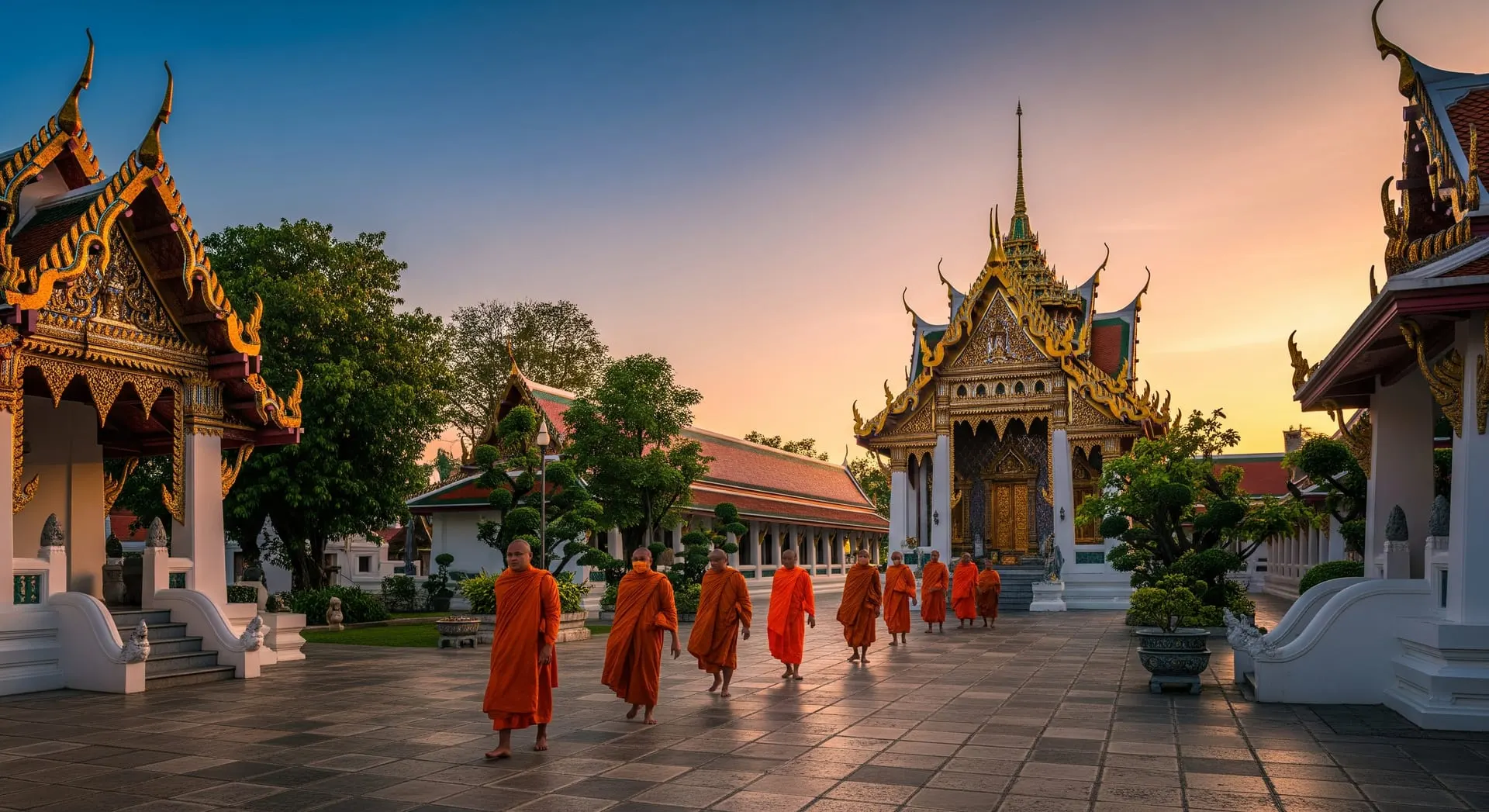
For many Japanese, the appeal of Thailand is hard to resist: affordable living, a warm tropical climate, vibrant culture, and the freedom to keep working remotely from a country just a short flight from home. The Destination Thailand Visa (DTV) turns that idea into reality, giving Japanese citizens a 5-year multiple-entry visa to base themselves in the Land of Smiles while continuing their career, freelance work, or business online.

Every Japanese citizen is eligible to apply

5

Years validity

180

Days per entry

500k

THB proof of funds

$139

Service fee from

100%

Refund if denied*

Why Japanese citizens choose Thailand

Living in Thailand from Japan

Section 01

Why Japanese Citizens Are Choosing Thailand

More Japanese professionals, families, and digital nomads are relocating to Thailand than ever before, and the motivations are clear. You can escape Japan's bone-chilling winters and sticky tsuyu rainy season for a consistently warm climate, cut your living costs by roughly half while enjoying a higher quality of life, and tap into a relaxed, hospitable culture that still offers modern infrastructure. Thailand sits only two hours behind Japan, so remote workers stay in easy sync with teams in Tokyo and Osaka, and a deep, long-established Japanese expat community means you are never short of familiar food, services, or company. The DTV makes the move uncomplicated: it is a 5-year multiple-entry visa designed precisely for remote workers and long-term visitors who want flexibility rather than a one-off tourist trip.

Destination Thailand Visa at a Glance

The DTV is a 5-year multiple-entry visa. Each entry allows a stay of up to 180 days, extendable once inside Thailand for a further 180 days. You must show proof of 500,000 THB (~$15,000) in personal funds, and you apply from outside Thailand. DTVThaiVisa.com prepares and submits the entire application for you, with service from $139 and a 100% refund if your application is denied (with the optional Denial Protection add-on).

Section 02

Cost of Living: Japan vs Thailand

The yen-to-baht maths is one of the biggest reasons Japanese remote workers make the move. Outside of Tokyo's most central wards, your money simply stretches much further in Bangkok or Chiang Mai, and the gap is widest on rent, dining out, and transport. Here is how a typical month compares.

  • A modern one-bedroom condo in central Bangkok rents for roughly 15,000-25,000 THB (about ¥65,000-110,000), versus ¥120,000-250,000+ for a comparable apartment in Tokyo's popular wards.
  • A tasty street-food meal costs as little as 60 THB (about ¥270) in Thailand, while a similar-quality lunch in Japan rarely drops below ¥800-1,000.
  • A co-working membership in Chiang Mai runs around 2,000-3,500 THB/month (about ¥9,000-15,000), compared with ¥25,000-50,000 in major Japanese cities.
  • Unlimited fibre home internet is typically 500-800 THB/month (about ¥2,200-3,500); comparable plans in Japan often exceed ¥5,000.
  • Public transport: Bangkok's BTS/MRT fares start near 17 THB (about ¥75), while Tokyo subway minimums sit around ¥180, and Thai taxis and Grab rides are far cheaper.
  • Monthly groceries for a couple come to roughly 10,000-15,000 THB (about ¥45,000-65,000) in Thailand, versus ¥80,000+ in Japan for a similar basket of fresh produce and staples.
Section 03

Getting to Thailand from Japan

Thailand is exceptionally well connected to Japan. Direct flights run daily from Tokyo (Narita and Haneda), Osaka (Kansai), Nagoya (Chubu), and Fukuoka to Bangkok's Suvarnabhumi (BKK) and Don Mueang (DMK) airports, with carriers including JAL, ANA, Thai Airways, ZIPAIR, and Thai AirAsia X serving the route. Flight time from Tokyo is roughly 6-7 hours, and from Fukuoka or Osaka a little shorter. Chiang Mai and Phuket are easily reached with one quick connection through Bangkok, and seasonal direct services occasionally run to Phuket. Thailand observes Indochina Time (UTC+7) year-round while Japan is UTC+9, so Thailand is just two hours behind. That small gap is ideal for remote workers: you overlap with Japanese business hours through the morning and early afternoon without any brutal early starts.

Daily life in Thailand — where Japanese citizens settle on the DTV
Life in Thailand — your home base on the 5-year DTV
Section 04

Where Japanese Expats and Nomads Settle in Thailand

  • Bangkok - The Sukhumvit corridor, especially Phrom Phong, Thonglor, and Ekkamai, is the heart of Japanese life, with authentic restaurants, Fuji Super and Don Don Donki, clinics with Japanese-speaking staff, and a Japanese school.
  • Chiang Mai - A favourite of digital nomads for its low costs, strong cafe and co-working culture, and relaxed pace; the Nimman area and the Old City are especially popular.
  • Phuket - A laid-back island lifestyle with a growing Japanese community; Rawai and Chalong attract long-term residents who want beaches without big-city pace.
  • Pattaya - A convenient coastal city with a well-established Japanese presence, particularly around Jomtien and central Pattaya.
  • Koh Samui - For those wanting a true tropical escape, Samui offers a quieter rhythm, a small but welcoming community, and decent co-working options.
Section 05

Money & Banking: Transfers and Everyday Spending

Moving money from Japan to Thailand is straightforward. Many Japanese use international transfer services such as Wise or Revolut to send yen and convert to baht at competitive rates, which usually beats a traditional bank wire on both cost and speed. Once you are settled, day-to-day spending in Thailand is increasingly cashless thanks to PromptPay and QR-code payments, though cash is still handy for street markets and small vendors. Carrying a multicurrency debit card and withdrawing as needed is common, but be aware that most Thai ATMs charge a foreign-card fee of around 220 THB per withdrawal, so larger, less frequent withdrawals save money. Opening a local Thai bank account is possible with the right documentation and makes recurring payments and QR transfers much easier.

Proof of Funds Tip

The DTV asks for proof of 500,000 THB (~$15,000) in personal funds. Because Thai authorities like to see that the money is genuinely yours and reasonably settled, it helps to keep the balance stable for a few weeks before you apply rather than transferring a lump sum in at the last minute. A statement from your existing Japanese bank account works fine, as long as it is translated into English or Thai.

Section 06

Documents & Translation: Getting Your Papers Ready

Because Japan's official language is not English, the supporting documents you submit for the DTV, such as bank statements, employment or freelance contracts, and any company registration papers, will likely need a certified English or Thai translation. The translator should certify that the rendering is a true and accurate copy of the Japanese original, and reputable language-service providers in both Japan and Thailand handle exactly this kind of visa documentation. The good news is that you do not have to manage the fiddly parts alone: DTVThaiVisa.com reviews your file, tells you precisely which documents need translating, prepares the forms, and submits everything for you while you remain outside Thailand.

Section 07

Daily Life & Community for Japanese in Thailand

Thailand makes Japanese residents feel at home with remarkable ease. Healthcare is excellent, with internationally accredited private hospitals in the major cities that frequently have Japanese-speaking staff and interpreters. Internet is fast and reliable, with widespread 5G and fibre that suit remote work. Safety is another major draw, with low violent-crime rates and a genuine culture of hospitality. Japanese food is everywhere, from refined sushi-ya in Bangkok to neighbourhood izakaya in Chiang Mai, and familiar staples are easy to find at stores like Fuji Super and Don Don Donki. The Japanese community is large and active, with clubs, meetups, and business networks running year-round, so whether you want a taste of home or a deep dive into Thai culture, the balance is easy to strike.

Japan — your starting point before relocating to ThailandJapan
From Japan to Thailand

Make the move from Japan

Trade Japan for up to five years in Thailand on the DTV. We prepare and submit your entire application from wherever you are — proof of funds, category evidence and passport — so you can focus on the move, not the paperwork.

Check eligibility
Step by step

How Japanese citizens apply for the DTV

1

Check you qualify

Almost every nationality can apply. Take our free 60-second eligibility checker to confirm your route — remote work, soft power, medical or family.

2

We prepare everything

We assemble and review your documents: proof of 500,000 THB (~$15,000), your category evidence and passport — so nothing gets rejected.

3

We submit for you

You apply from outside Thailand. We file at a Thai embassy or consulate (such as Hanoi, Ho Chi Minh, Jakarta, Vientiane or London) within one business day.

4

Get approved & move

On approval you get the 5-year, multiple-entry DTV — up to 180 days per stay, extendable once. Then make Thailand home.

Questions

DTV FAQ for Japanese citizens

What is the Destination Thailand Visa (DTV)?

The DTV is a 5-year multiple-entry visa that allows foreign nationals, including Japanese citizens, to stay in Thailand for up to 180 days per entry, extendable once for a further 180 days. It is designed for remote workers, digital nomads, freelancers, and long-term visitors who want flexibility over five years.

How long can Japanese citizens stay in Thailand with the DTV?

You can stay up to 180 days per entry, and you can extend that stay once by another 180 days without leaving the country. After that you can exit and re-enter to start a fresh stay. The visa itself is valid for 5 years, so you can come and go as often as you like during that period.

Do I need to show proof of funds, and how much?

Yes. The DTV requires evidence of 500,000 THB (approximately $15,000) in personal funds, typically shown through a bank statement. This demonstrates that you can comfortably support yourself during your stay in Thailand.

Can I apply for the DTV from inside Thailand?

No. The DTV must be applied for from outside Thailand. DTVThaiVisa.com works with you while you are still in Japan, or anywhere else outside Thailand, to prepare and submit your application, so you can arrive with your visa already in hand.

What does DTVThaiVisa.com's service include, and what is Denial Protection?

We handle the complete application for you, including document preparation, form filling, and submission to the Thai authorities. Service starts from $139. With the optional Denial Protection add-on, you receive a 100% refund if your application is denied, giving you complete peace of mind.

I'm a Japanese remote worker; how does the time difference affect work with clients back home?

Thailand is UTC+7 and Japan is UTC+9, so Japan is just two hours ahead. You can cover Japanese morning hours from late morning Thailand time and still keep your afternoons and evenings free. Most Japanese nomads find this small overlap ideal for staying in touch with teams and clients in Japan.

Are there direct flights from Japan to Thailand, and how long do they take?

Yes. Airlines including JAL, ANA, Thai Airways, ZIPAIR, and Thai AirAsia X operate daily direct flights from Tokyo (Narita and Haneda), Osaka, Nagoya, and Fukuoka to Bangkok. The flight from Tokyo takes roughly 6-7 hours, a bit less from western Japan, making trips home quick and convenient.

Is there a large Japanese community in Thailand, and can I find Japanese food and services?

Absolutely. Thailand hosts one of the largest Japanese communities in Southeast Asia. Bangkok's Sukhumvit area, especially Phrom Phong and Thonglor, has a real Japan-town feel with Japanese supermarkets, restaurants, clinics, and a Japanese school. Chiang Mai and Phuket also have active communities, so you can enjoy the comforts of home alongside the Thai lifestyle.

How does the cost of living in Thailand compare to Japan?

Almost everything is noticeably cheaper. A comfortable monthly budget in Thailand can be 30-50% lower than in Japan, depending on your lifestyle. Rent, dining out, transport, and co-working spaces all cost a fraction of what you would pay in Tokyo or Osaka, letting many Japanese either save more or simply live better.

What documents need translation for the DTV application?

Because the application is reviewed in English or Thai, any Japanese-language documents such as bank statements, proof of employment or freelance income, and company registration papers should be accompanied by a certified English or Thai translation. It is a straightforward step, and DTVThaiVisa.com will tell you exactly which documents need translating.

Do I need to speak Thai to live in Thailand on the DTV?

Not at all. English is widely used across hospitals, condos, banks, and the expat-facing businesses you will deal with day to day, and Bangkok's Japanese districts have plenty of Japanese-speaking staff. Learning a few Thai phrases is appreciated and helps with local markets, but it is not a requirement for living comfortably on the DTV.

Where you apply

The Thai mission for Japan

You submit the DTV online via the Thai e-Visa portal — but the office below covers applicants in Japan and may review your file.

Ready to move to Thailand from Japan?

Check your eligibility in under a minute, or let our team prepare and submit everything — with a 100% refund if your application is denied (with the optional paid Denial Protection add-on).