Skip to content
Middle East

DTV Visa for Iranian Citizens

Moving from Iran to Thailand is more than a change of scenery — it's a chance to embrace an affordable, sun-soaked lifestyle in one of Asia's most welcoming countries. Whether you're a remote worker, freelancer, or entrepreneur, Thailand pairs modern comforts and cultural richness with a cost of living far below Tehran or Mashhad. With the Destination Thailand Visa (DTV) — a 5-year multiple-entry visa — you can base yourself in the Land of Smiles, come and go as you please, and join a steadily growing community of Iranian expats who have already made the leap.

Every Iranian citizen is eligible to apply

5

Years validity

180

Days per entry

500k

THB proof of funds

$139

Service fee from

100%

Refund if denied*

Why Iranian citizens choose Thailand

Living in Thailand from Iran

Section 01

Why Iranians Are Making Thailand Their New Home

For many Iranians, Thailand isn't just a holiday destination — it's becoming a second home. Currency pressure on the rial, the desire for a more open day-to-day lifestyle, and the appeal of a tropical base have fuelled a steady stream of professionals and families heading east. Thailand's remarkable value for money means you can live well on a fraction of what the same comfort costs in Tehran, from a modern condo with a pool and gym to fragrant street food for a couple of dollars a plate. Add year-round warmth, world-class beaches, halal-friendly kitchens, and a famously easy-going local culture, and it is easy to see why so many Iranians are packing their bags.

  • A 5-year DTV that lets you stay up to 180 days per entry, extendable once for another 180 days
  • Cost of living well below major Iranian cities like Tehran, Isfahan, and Mashhad
  • Year-round tropical weather — trade cold Alborz winters for sun, sea, and sand
  • A large international expat scene, with growing Iranian and wider Persian-speaking networks in Bangkok
  • Plentiful halal food, plus Middle Eastern and Persian restaurants in Bangkok's Sukhumvit area
  • Modern private hospitals with English-speaking staff and excellent value compared to the West
  • Fast, cheap fibre internet and abundant co-working spaces ideal for remote work

The DTV at a Glance

The Destination Thailand Visa is a 5-year, multiple-entry visa. Each entry allows a stay of up to 180 days, which can be extended once by a further 180 days — close to a full year on a single trip. To qualify you show proof of 500,000 THB (about $15,000) in personal funds. You apply from outside Thailand, and our team prepares and submits the entire application for you. Service starts from $139, and with the optional Denial Protection add-on you receive a 100% refund if your application is denied.

Section 02

Cost of Living: Thailand vs Iran

Comparing prices between Iran and Thailand is complicated by the rial's volatility, but in practical, lifestyle terms most Iranians find Thailand delivers a noticeably higher standard of comfort for the money. A modern one-bedroom condo in a good Bangkok neighbourhood — with a gym, pool, and 24-hour security — typically rents for around 15,000–25,000 THB a month, while in Chiang Mai you can find similar comfort from roughly 9,000–15,000 THB. Eating is where the value really shows: a hearty Thai meal from a street vendor runs 50–70 THB, a coffee at a hip cafe around 60–90 THB, and a sit-down dinner with friends seldom dents the budget. Domestic flights, ride-hailing via Grab, and reliable public transport in Bangkok all keep day-to-day costs low, leaving plenty over for travel and savings.

Budgeting Tip for New Arrivals

Many Iranian newcomers comfortably cover rent, food, transport, and entertainment on 35,000–50,000 THB a month in Chiang Mai, or 45,000–70,000 THB for a more central Bangkok lifestyle. Cooking the occasional Persian meal at home is easy — saffron, rice, herbs, and lamb are all readily available at Bangkok's markets and Middle Eastern grocers — and helps stretch the budget even further.

Section 03

Getting to Thailand from Iran

There are no direct flights between Iran and Thailand, but the route is well served through major Gulf and Turkish hubs. Most travellers fly from Tehran's Imam Khomeini International (IKA) — or from Mashhad (MHD) and Shiraz (SYZ) — with a single connection in Doha, Dubai, Istanbul, or Sharjah. Total travel time, including the layover, usually lands between 9 and 13 hours, with pure flying time around 7–8 hours. Bangkok has two airports, Suvarnabhumi (BKK) and Don Mueang (DMK); Suvarnabhumi handles most international arrivals and connects easily to the city by Airport Rail Link. Booking a few weeks ahead and staying flexible on dates usually secures the best fares.

Iran–Thailand Time Difference

Thailand runs on Indochina Time (ICT, UTC+7) all year. Iran sits at UTC+3:30, putting Thailand 3.5 hours ahead. (Iran no longer observes daylight saving, so the gap stays constant year-round.) For remote workers this overlap is comfortable: start your Thai morning a little later and you can still catch the working day back home, or wrap up early and enjoy a free Bangkok evening while Iran is still online.

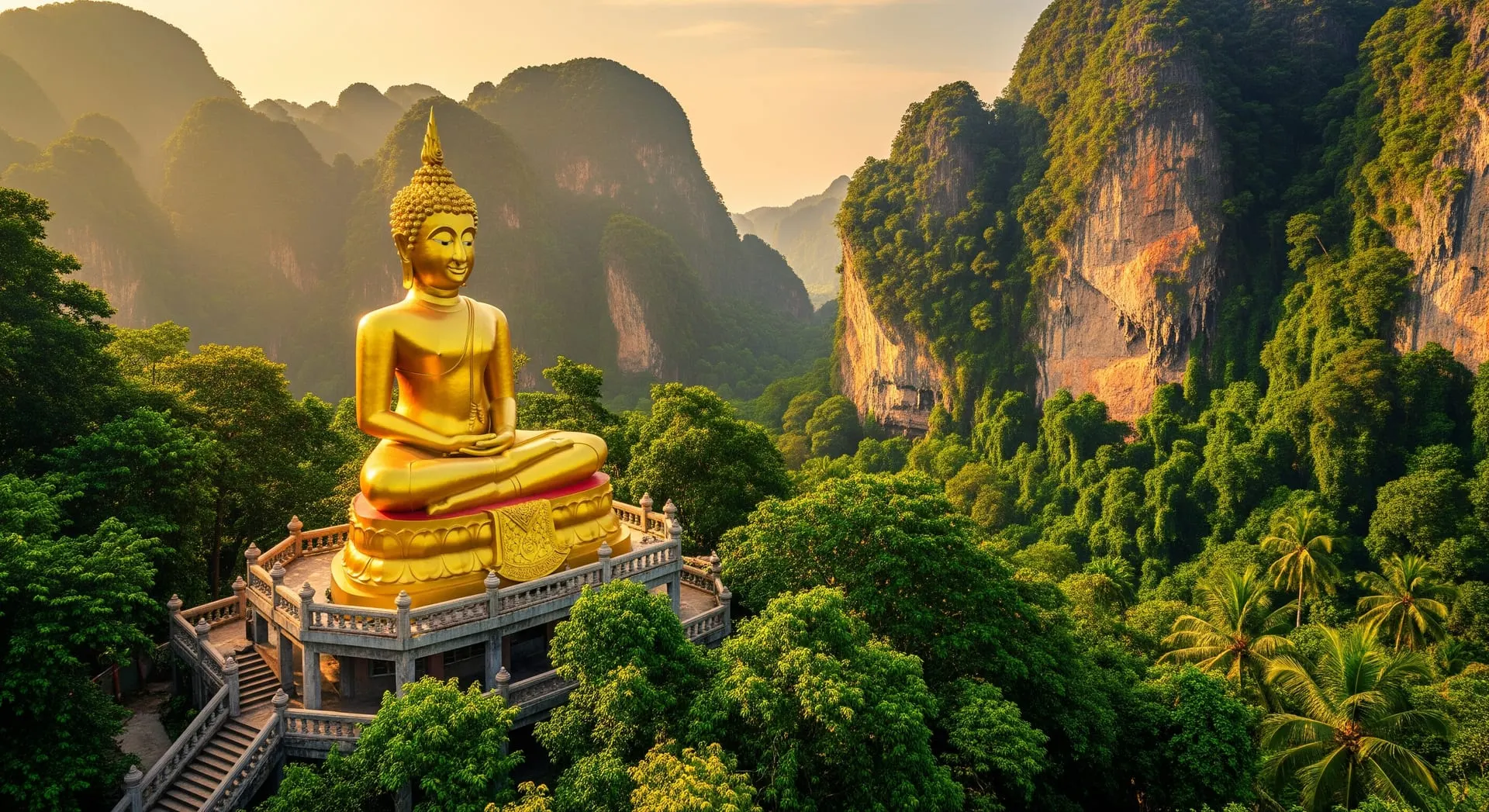
Daily life in Thailand — where Iranian citizens settle on the DTV
Life in Thailand — your home base on the 5-year DTV
Section 04

Where Iranians Settle: Bangkok, Chiang Mai, Phuket

Iranian expats tend to cluster in three main hubs. Bangkok is the natural choice for those who want city energy, with modern condos, vibrant nightlife, and an unrivalled dining scene — the Nana and Sukhumvit Soi 3 area is even known locally as a Middle Eastern quarter, packed with Persian and Arab restaurants, shisha lounges, and halal kitchens. Chiang Mai in the cooler north draws digital nomads and families after a slower pace, leafy surroundings, and a tight-knit creative community. Phuket appeals to beach lovers and those chasing a resort lifestyle on the Andaman coast, with marinas, international schools, and a mixed expat crowd. Wherever you land, expect dependable 4G/5G, top private hospitals, and easy ways to meet fellow Persian speakers.

Section 05

Money & Banking in Thailand

The local currency is the Thai baht (THB). Because of international banking restrictions, Iranian-issued cards generally do not work abroad, so it is wise to plan your finances before you fly. Many Iranian expats arrive with a mix of cash and funds held in an account from a third country, then rely on a multi-currency or international fintech card for everyday spending and ATM withdrawals. Thai ATMs are everywhere but charge a fixed foreign-card fee of about 220 THB per withdrawal, so taking out larger amounts less often saves money. Once you are settled with the DTV and a Thai address, opening a local Thai bank account becomes far easier and lets you receive transfers, pay bills via the PromptPay system, and tap-to-pay through your phone like a local.

Smart Money Setup

Set up an international or multi-currency account (such as a borderless fintech wallet) before leaving Iran, and bring some USD or EUR cash as a buffer. Withdraw larger sums to offset the ~220 THB ATM fee, keep a little cash for street vendors and taxis, and use Grab or local QR payments wherever possible once your Thai account is live.

Section 06

Documents & Translation

Iran's official language is Persian (Farsi), so any supporting paperwork issued in Farsi — bank statements, certificates of deposit, or proof of funds — will most likely need a certified English or Thai translation to be accepted. It is worth arranging these translations before you travel, as it is simpler to organise official documents while you are still in Iran. The good news is that you do not have to navigate the visa paperwork alone: you apply from outside Thailand, and our team prepares and submits the full DTV application on your behalf, telling you exactly which documents are needed and how they should be presented. That removes the guesswork and the risk of a small formatting slip derailing your plans.

  • Valid passport with at least six months' validity remaining
  • Proof of 500,000 THB (~$15,000) in personal funds, e.g. a recent bank statement
  • Certified English or Thai translation of any Farsi-language financial documents
  • Evidence supporting your DTV category, such as remote-work or freelance activity
  • A clear digital passport-style photo and your completed application details
Section 07

Daily Life & Community

Settling into Thai life is refreshingly smooth. Thais are warm and unhurried, and the expat infrastructure — from English-language clinics to international supermarkets — means you rarely feel out of your depth. For Iranians specifically, Bangkok offers a real taste of home: Persian restaurants serving chelo kebab and ghormeh sabzi, grocers stocking saffron and dried limes, and informal Farsi-speaking circles that gather for tea and football. Friday prayers and halal dining are easy to find across the capital. Beyond the community, daily life is built for comfort: cheap massages, weekend trips to islands and mountains, lively markets, and a culture that genuinely embraces newcomers. Most Iranians who move say the hardest part is simply deciding to go.

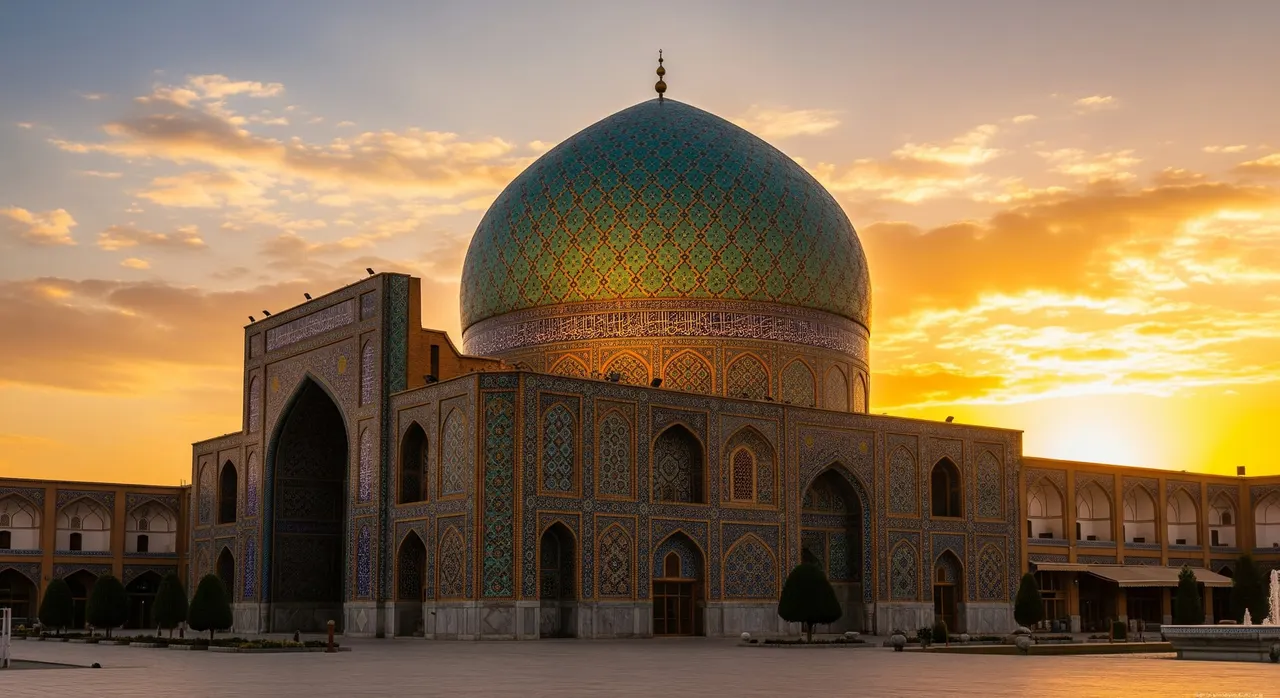
Iran — your starting point before relocating to ThailandIran
From Iran to Thailand

Make the move from Iran

Trade Iran for up to five years in Thailand on the DTV. We prepare and submit your entire application from wherever you are — proof of funds, category evidence and passport — so you can focus on the move, not the paperwork.

Check eligibility
Step by step

How Iranian citizens apply for the DTV

1

Check you qualify

Almost every nationality can apply. Take our free 60-second eligibility checker to confirm your route — remote work, soft power, medical or family.

2

We prepare everything

We assemble and review your documents: proof of 500,000 THB (~$15,000), your category evidence and passport — so nothing gets rejected.

3

We submit for you

You apply from outside Thailand. We file at a Thai embassy or consulate (such as Hanoi, Ho Chi Minh, Jakarta, Vientiane or London) within one business day.

4

Get approved & move

On approval you get the 5-year, multiple-entry DTV — up to 180 days per stay, extendable once. Then make Thailand home.

Questions

DTV FAQ for Iranian citizens

What exactly is the Destination Thailand Visa (DTV)?

The DTV is a 5-year multiple-entry visa that lets you stay in Thailand for up to 180 days per entry. Each stay can be extended once for a further 180 days, giving you close to a year on a single trip before you need to leave and return. It is designed for remote workers, freelancers, and those seeking a long-term lifestyle base in Thailand, without tying you to a single employer.

How long is the flight from Iran to Thailand, and is it easy to connect?

There are no direct flights, but you can reach Bangkok from Tehran, Mashhad, or Shiraz with a single stop in hubs like Doha, Dubai, Istanbul, or Sharjah. Total journey time is usually 9 to 13 hours, with around 7 to 8 hours of actual flying. Most international flights land at Suvarnabhumi (BKK), which connects to central Bangkok via the Airport Rail Link.

What is the time difference between Iran and Thailand?

Thailand is 3.5 hours ahead of Iran year-round (Thailand is UTC+7, Iran is UTC+3:30, and Iran no longer uses daylight saving). For remote workers this is a comfortable overlap: you can start your Thai morning a little later and still catch the Iranian working day, or finish early and enjoy your evening while colleagues back home are still online.

Can I work for my Iranian employer or freelance for clients abroad while on the DTV?

Yes. The DTV is designed for digital nomads and remote workers. You can legally work for an overseas employer or run your own online business from Thailand, provided your income does not come from a Thai source. The modest time difference with Iran actually helps — you can enjoy your mornings and start work as the day gets going back home.

What financial proof do I need for the DTV application?

You need to show proof of 500,000 THB (approximately $15,000) in personal funds, typically via a recent bank statement or certificate of deposit. Our team will tell you exactly how to present this. If your documents are in Farsi, you will most likely need a certified English or Thai translation for them to be accepted.

Will my Farsi bank statements need to be translated?

Most likely, yes. Because Iran's official language is Persian, financial documents issued in Farsi will usually need a certified English or Thai translation to be accepted. It is best to arrange this before you leave Iran, while official paperwork is easiest to obtain. Our team will confirm precisely what is required for your case.

How do I handle money and banking, given that Iranian cards don't work abroad?

Plan ahead. Iranian-issued cards generally do not function internationally, so most expats arrive with a mix of cash and funds in an international or multi-currency account from a third country, using a fintech card for daily spending. Thai ATMs charge about 220 THB per foreign-card withdrawal, so take out larger amounts less often. Once you are settled with the DTV, opening a local Thai bank account becomes much easier.

Is it easy to find halal food and a Persian community in Thailand?

Very. Bangkok's Nana and Sukhumvit Soi 3 area is a well-known Middle Eastern quarter, full of Persian and Arab restaurants, halal kitchens, and grocers stocking saffron, rice, and herbs. You will find Friday prayers, shisha lounges, and informal Farsi-speaking circles across the city, so settling in and meeting fellow Iranians is straightforward.

How much does it cost to live in Thailand compared with Iran?

Most Iranians find Thailand offers a higher standard of comfort for the money. A modern condo with a pool and gym rents from around 15,000–25,000 THB a month in Bangkok, or 9,000–15,000 THB in Chiang Mai. Street meals cost 50–70 THB, and many newcomers live comfortably on 35,000–70,000 THB a month depending on the city and lifestyle.

What happens if my DTV application is denied?

With our optional Denial Protection add-on, you receive a 100% refund if your application is not approved — all your money back, with no hidden conditions. It is our way of giving you complete peace of mind. The add-on is optional and must be selected at the time you apply through us.

Where you apply

The Thai mission for Iran

You submit the DTV online via the Thai e-Visa portal — but the office below covers applicants in Iran and may review your file.

More in Middle East

Other DTV country guides

Ready to move to Thailand from Iran?

Check your eligibility in under a minute, or let our team prepare and submit everything — with a 100% refund if your application is denied (with the optional paid Denial Protection add-on).