Skip to content
Asia

DTV Visa for Indonesian Citizens

Thinking about swapping the gridlock of Jakarta for the energy of Bangkok, or trading Bali's beaches for the islands of southern Thailand? For Indonesian citizens, Thailand is no longer just a holiday destination, it is an increasingly practical place to base yourself. With the Destination Thailand Visa (DTV), you can live in the Land of Smiles while working remotely for up to five years, all within the same time zone as Java and a short, cheap flight from home. This guide covers what daily life actually costs, where Indonesians tend to settle, how to handle money and paperwork, and the rules behind the visa itself.

Every Indonesian citizen is eligible to apply

5

Years validity

180

Days per entry

500k

THB proof of funds

$139

Service fee from

100%

Refund if denied*

Why Indonesian citizens choose Thailand

Living in Thailand from Indonesia

Section 01

Why Indonesians Are Choosing Thailand

Thailand has long been a favourite getaway for Indonesians, but a growing number are putting down roots for months or years at a time. The appeal is easy to understand: a cost of living that often undercuts Jakarta and Bali, a tropical climate that feels like home, and a mature digital-nomad scene that welcomes remote workers, freelancers and founders. Indonesia and Thailand also share Southeast Asian rhythms, from street-food culture to a relaxed pace outside the capital, so the cultural adjustment is gentle. Whether you are a designer from Bandung, a developer in Surabaya or an e-commerce seller in Jakarta, Thailand offers familiar comforts with a fresh set of opportunities.

  • Same UTC+7 time zone as Java and Sumatra, so collaborating with clients and teams back home needs no scheduling gymnastics
  • Direct flights from Jakarta, Denpasar (Bali) and Surabaya to Bangkok in roughly 3.5 to 4 hours
  • Lower everyday costs in cities like Chiang Mai, with rent, food and transport often cheaper than central Jakarta
  • Excellent, affordable private healthcare and fast fibre internet in every major city
  • An established community of Indonesian students, professionals and business owners, plus mosques and halal dining in the big cities

DTV at a glance

The Destination Thailand Visa is a 5-year multiple-entry visa. Each entry lets you stay up to 180 days, and you can extend that once for a further 180 days, so up to a year on the ground per trip. You apply from outside Thailand, and the company prepares and submits the entire application for you. Service starts from $139, with an optional Denial Protection add-on that gives a 100% refund if your application is denied.

Section 02

Cost of Living: Thailand vs Indonesia

For most Indonesians, Thailand lands in familiar territory rather than a shock in either direction. Bangkok sits roughly on a par with central Jakarta: a modern one-bedroom condo in a good area runs around 18,000 to 30,000 THB a month, comparable to South Jakarta but usually with newer buildings, a pool and a gym thrown in. Chiang Mai is where the budget really stretches, with comfortable apartments from 9,000 to 15,000 THB and a slower, greener lifestyle that many compare favourably to Ubud at a lower price. Eating out is a highlight: a plate of pad kaprao or a bowl of boat noodles costs 50 to 70 THB, in the same ballpark as a warung meal, while a coffee at a stylish cafe is 70 to 120 THB. Day to day, your rupiah-funded budget will feel very much at home.

  • One-bedroom condo, Bangkok city centre: roughly 18,000 to 30,000 THB per month
  • One-bedroom apartment, Chiang Mai: roughly 9,000 to 15,000 THB per month
  • Local meal at a street stall or food court: 50 to 70 THB
  • Monthly transport (BTS/MRT or scooter rental in Bangkok): 1,500 to 2,500 THB
  • Fast home fibre internet (300+ Mbps): around 600 to 700 THB per month
Section 03

Getting to Thailand from Indonesia

Getting between the two countries is genuinely easy. Multiple airlines fly non-stop from Jakarta's Soekarno-Hatta (CGK) to Bangkok's Suvarnabhumi (BKK) and Don Mueang (DMK), with a flight time of around 3.5 to 4 hours. Denpasar (DPS) in Bali also has direct services to Bangkok at a similar duration, and Surabaya (SUB) offers direct or easy one-stop routings. Because the DTV is multiple-entry, you can pop home for Lebaran, a family wedding or a business meeting and return without any visa hassle. Many Indonesians use that flexibility to do a scouting trip first, line up an apartment and a neighbourhood, then come back to settle in properly.

Fly in to scout, then settle

Use the short flight to your advantage. Book a one or two week trip to Bangkok or Chiang Mai, view condos in person, test the co-working spaces and find your local Indonesian haunts before committing. Keep your Indonesian mobile number active too, so SMS OTP codes from your banks and apps keep arriving smoothly while you set things up in Thailand.

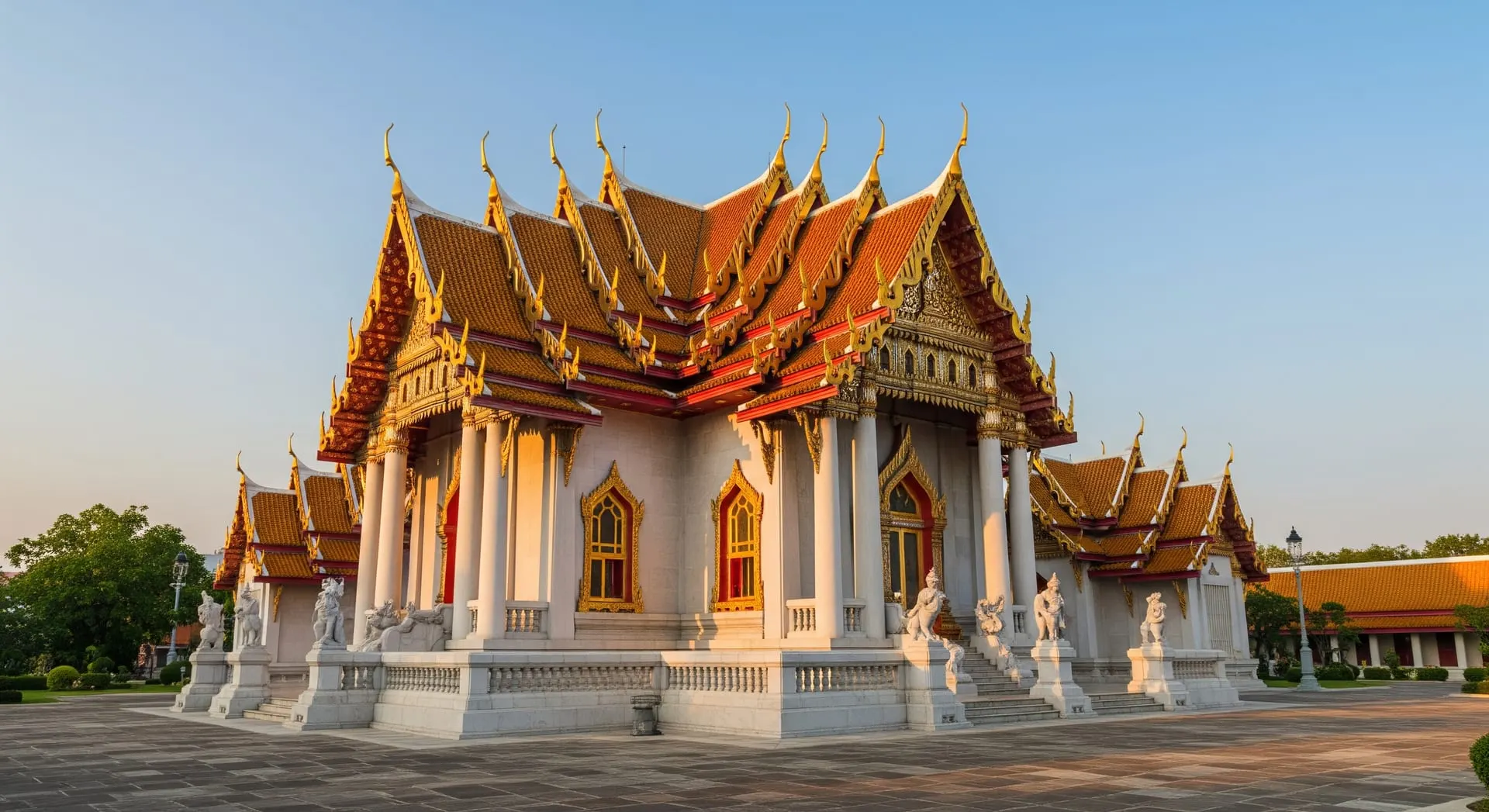
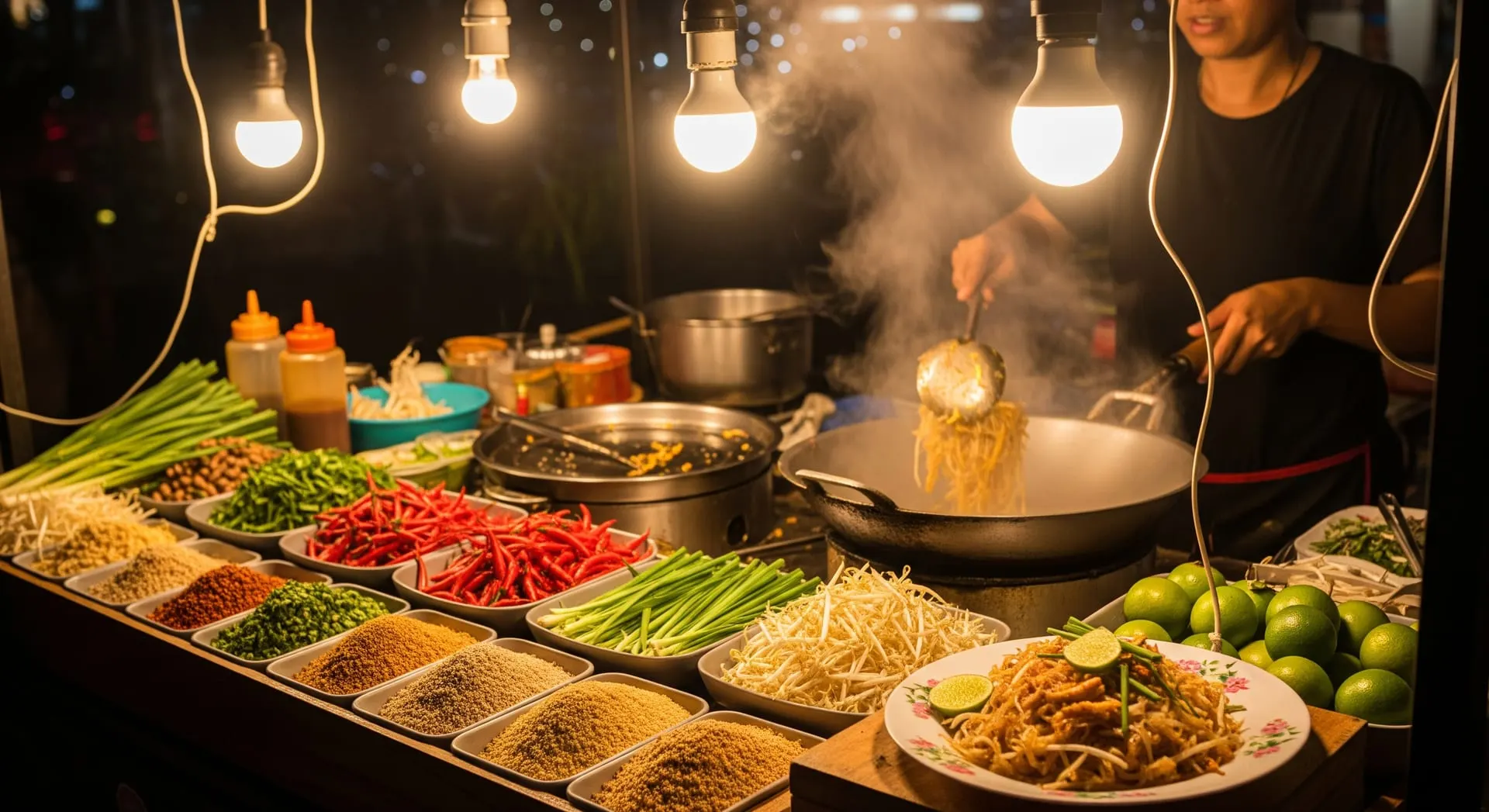
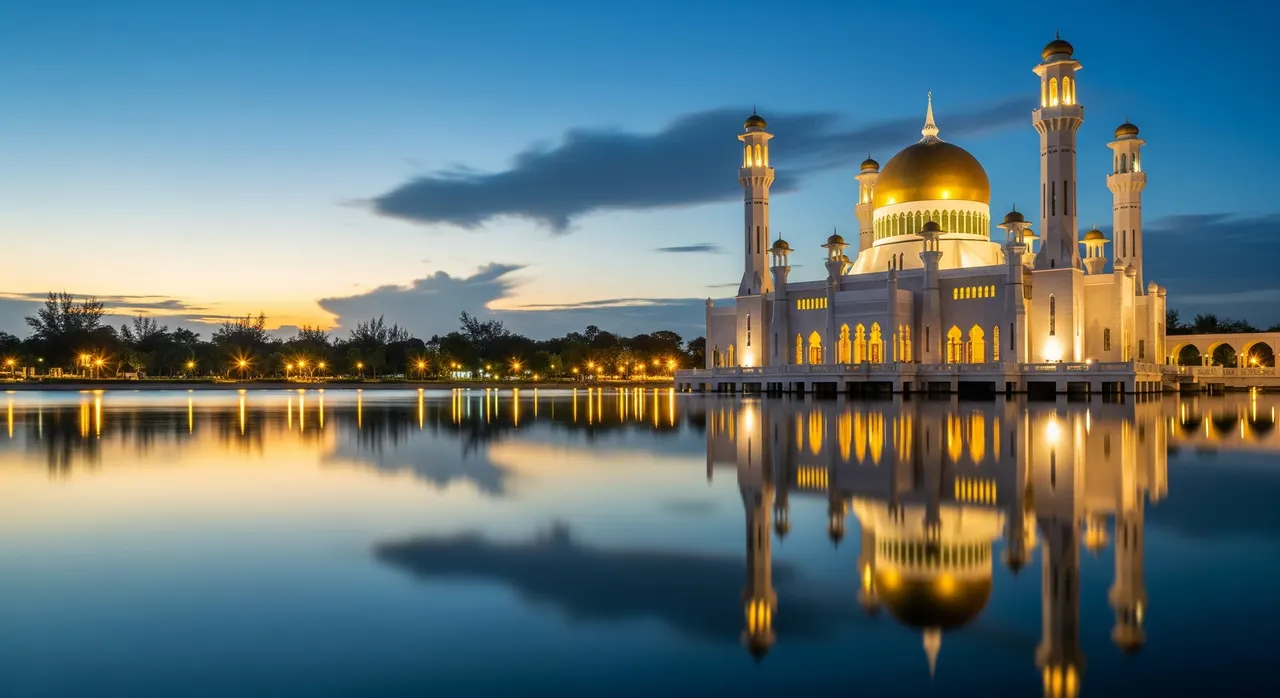
Daily life in Thailand — where Indonesian citizens settle on the DTV
Life in Thailand — your home base on the 5-year DTV
Section 04

Where Indonesians Settle in Thailand

Bangkok is the natural first choice, especially for those in tech, finance or creative fields. The city has world-class private hospitals, an extensive BTS/MRT network, a deep pool of co-working spaces, and a real Indonesian footprint, including the long-running community around the Indonesian Embassy in the Menteng-style diplomatic district. Chiang Mai draws digital nomads who want lower costs, mountain air and an unhurried lifestyle, frequently described as a calmer, cheaper Ubud. Phuket suits those after a beach base with a strong tourism economy and plenty of long-stay foreigners, while Pattaya offers an even more affordable coastal option within easy reach of the capital. Wherever you land, you will find halal food, friendly locals and a flavour profile that is reassuringly close to home.

Section 05

Money and Banking

The DTV requires you to show proof of 500,000 THB (about $15,000) in personal funds, typically as a recent bank statement in your name. Many Indonesians keep this in a rupiah account and simply provide a statement showing the equivalent balance. Once you are living in Thailand, the easiest setup is usually an Indonesian or international card for ATM withdrawals plus a multi-currency app such as Wise or Revolut for cheap transfers from IDR to THB. Be aware that Thai ATMs charge a fixed foreign-card fee of around 220 THB per withdrawal, so it is worth taking out larger amounts less often. Cards from Visa and Mastercard are widely accepted in cities, but always carry some cash for street stalls, markets and smaller towns where digital payment may not reach.

The 500,000 THB requirement

Proof of funds for the DTV is 500,000 THB (about $15,000) held in your name. There is no requirement to transfer this money to Thailand or lock it up, it simply demonstrates you can support yourself. A clear, recent bank statement is normally all that is needed, and the company will tell you exactly how to present it.

Section 06

Documents and Translation

Indonesia's official language is Indonesian (Bahasa Indonesia), so documents issued at home, such as bank statements, will generally need a certified English or Thai translation before they are submitted. The good news is you do not have to navigate this alone: with the DTV service, the company reviews your paperwork, tells you precisely which documents need translating and how to format everything, then prepares and submits the application on your behalf from outside Thailand. That removes the guesswork around certified translations, statement dates and supporting evidence that trips up so many do-it-yourself applicants.

  • Valid passport with at least six months of validity remaining
  • Bank statement showing 500,000 THB (about $15,000), with a certified English or Thai translation if issued in Indonesian
  • Evidence of remote work, freelance clients, business ownership or another qualifying activity
  • Recent passport-style photo and standard personal details
Section 07

Daily Life and Community

Settling in is smooth for most Indonesians. The food culture overlaps heavily, halal restaurants and mosques are easy to find in Bangkok, Chiang Mai and Phuket, and Grab handles everything from rides to food delivery just like in Jakarta. There are active Indonesian community groups on Facebook and WhatsApp for nearly every major Thai city, where newcomers swap tips on apartments, schools, halal dining and visa runs. The Indonesian Embassy in Bangkok also hosts cultural and Independence Day events that bring the diaspora together. Add fast internet, abundant co-working spaces and a low cost of living, and Thailand makes an easy, well-connected second home rather than a leap into the unknown.

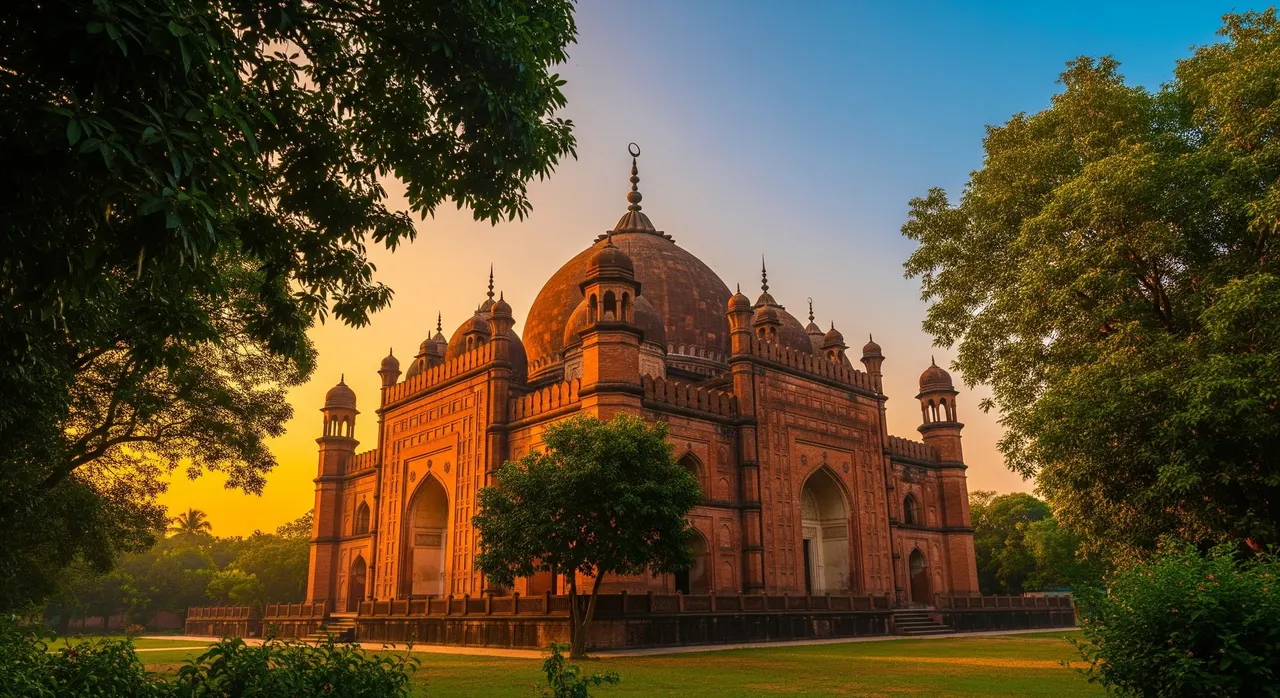
Indonesia — your starting point before relocating to ThailandIndonesia
From Indonesia to Thailand

Make the move from Indonesia

Trade Indonesia for up to five years in Thailand on the DTV. We prepare and submit your entire application from wherever you are — proof of funds, category evidence and passport — so you can focus on the move, not the paperwork.

Check eligibility
Step by step

How Indonesian citizens apply for the DTV

1

Check you qualify

Almost every nationality can apply. Take our free 60-second eligibility checker to confirm your route — remote work, soft power, medical or family.

2

We prepare everything

We assemble and review your documents: proof of 500,000 THB (~$15,000), your category evidence and passport — so nothing gets rejected.

3

We submit for you

You apply from outside Thailand. We file at a Thai embassy or consulate (such as Hanoi, Ho Chi Minh, Jakarta, Vientiane or London) within one business day.

4

Get approved & move

On approval you get the 5-year, multiple-entry DTV — up to 180 days per stay, extendable once. Then make Thailand home.

Questions

DTV FAQ for Indonesian citizens

How long can I stay in Thailand with the DTV?

The Destination Thailand Visa is a 5-year multiple-entry visa. Each entry allows a stay of up to 180 days, which you can extend once per entry for a further 180 days. You can stay for long stretches or come and go as you please across the full five years.

Do I apply for the DTV from inside Thailand?

No. You apply from outside Thailand. The company prepares and submits the entire application for you, so you can stay in Indonesia, finish a scouting trip or remain wherever you are while the paperwork is handled on your behalf.

What financial proof do I need for the DTV application?

You need to show proof of 500,000 THB (about $15,000) in personal funds, typically as a recent bank statement in your name. The money does not have to be transferred to Thailand, it simply demonstrates you can support yourself.

Will my Indonesian bank documents need to be translated?

Most likely yes. Because Indonesia's official language is Indonesian, documents such as bank statements will usually need a certified English or Thai translation before submission. The DTV service tells you exactly what to translate and how to present it.

How much does the DTV service cost?

Service starts from $139. There is also an optional Denial Protection add-on, which entitles you to a 100% refund if your application is denied.

What happens if my application is denied?

If you take the optional Denial Protection add-on, you receive a 100% refund of the service fee, which starts from $139, should your application not be approved. It is designed to remove the risk from applying.

Are there direct flights from Indonesia to Thailand?

Yes. There are multiple daily direct flights from Jakarta (CGK), Denpasar/Bali (DPS) and Surabaya (SUB) to Bangkok. The journey takes roughly 3.5 to 4 hours, making it easy to scout before you move and to fly home when you need to.

Is the time difference between Thailand and Indonesia a problem for remote work?

Not at all. Thailand runs on UTC+7, the same as Jakarta, Surabaya and most of western Indonesia. Even if you work with people in Bali or Makassar (UTC+8) or Papua (UTC+9), the one to two hour gap is minor and rarely disrupts a normal workday.

Where do most Indonesians choose to live in Thailand?

Bangkok is the top pick for its hospitals, transport and large international community, while Chiang Mai is popular with budget-conscious digital nomads. Phuket and Pattaya appeal to those wanting a beach base. Halal food and mosques are easy to find in all of them.

Can I leave and re-enter Thailand freely on the DTV?

Yes. The DTV is a multiple-entry visa, so across its five years you can fly home for Lebaran, family events or business and return without applying again, as long as the visa remains valid.

Where you apply

The Thai mission for Indonesia

You submit the DTV online via the Thai e-Visa portal — but the office below covers applicants in Indonesia and may review your file.

Ready to move to Thailand from Indonesia?

Check your eligibility in under a minute, or let our team prepare and submit everything — with a 100% refund if your application is denied (with the optional paid Denial Protection add-on).