Skip to content
Asia

DTV Visa for Indian Citizens
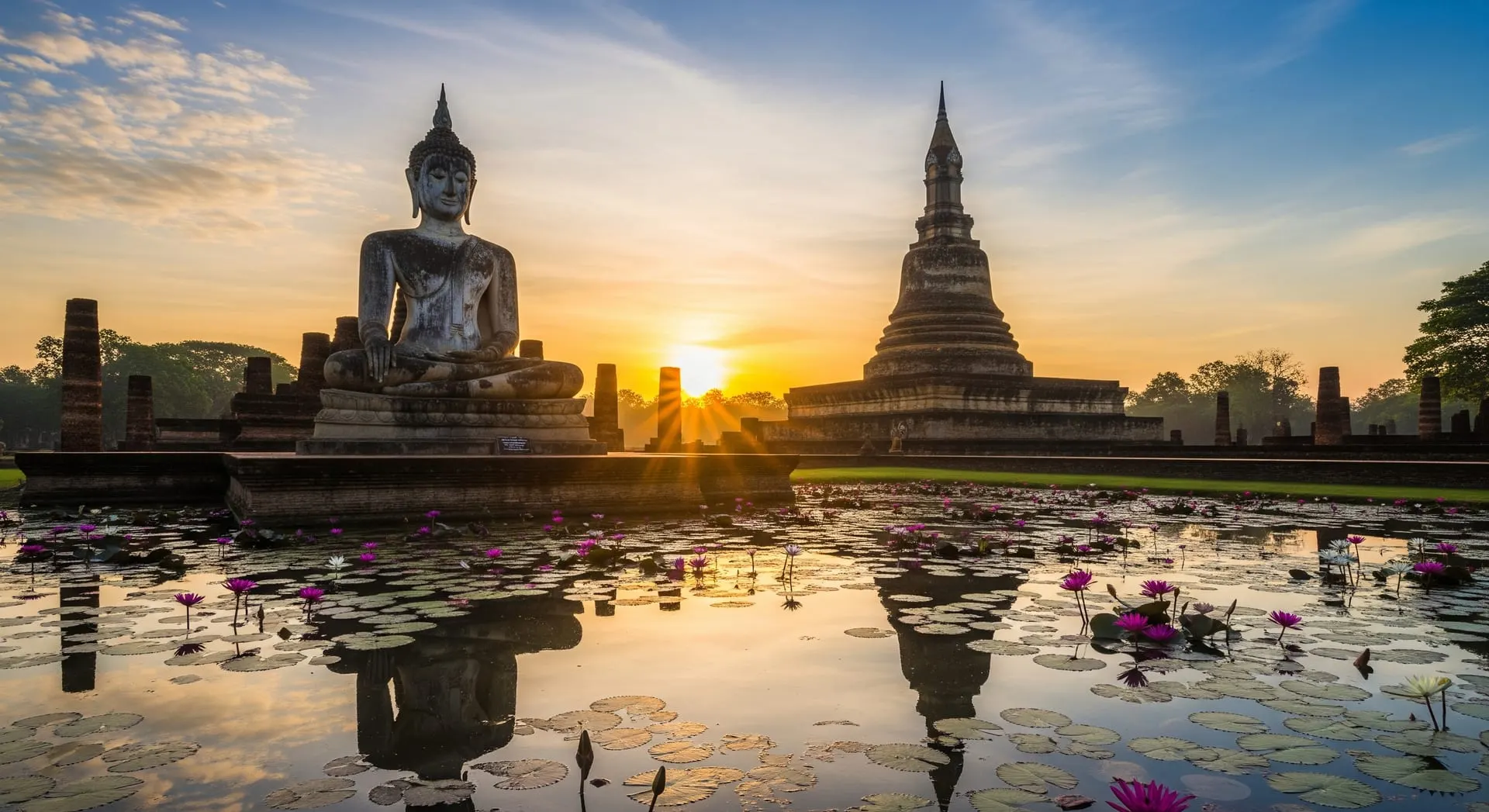
Imagine swapping the gridlock of Mumbai or Delhi for the beaches of Phuket, or trading Bengaluru's climbing rents for a smart condo in Bangkok, all while keeping your remote job and your salary. For Indian professionals, founders and digital nomads, Thailand is no longer just a holiday: it is becoming a second home. The Destination Thailand Visa (DTV) makes that move realistic, granting a 5-year stay with the freedom to live in Thailand and work for clients or an employer abroad. If you want an affordable, well-connected base with a deep-rooted Indian community, Thailand is one of the easiest leaps you can make.

Every Indian citizen is eligible to apply

5

Years validity

180

Days per entry

500k

THB proof of funds

$139

Service fee from

100%

Refund if denied*

Why Indian citizens choose Thailand

Living in Thailand from India

Section 01

Why Indians Are Moving to Thailand

Indians are increasingly drawn to Thailand for its blend of familiar tropical warmth and modern comfort. The lifestyle upgrade is real: cleaner air in the south and the islands, far less traffic than any Indian metro, reliable power and water, and world-class amenities at a fraction of what you pay in Mumbai or Gurugram. The cultural fit helps too. Thai food is spicy and rice-based, Buddhism and Hinduism share centuries of overlap (the Ramakien is Thailand's own Ramayana), and festivals like Diwali and Holi are openly celebrated in the big cities. For an Indian family or a solo founder, settling in feels less like emigrating and more like moving regions.

The DTV in Brief

The Destination Thailand Visa is a 5-year, multiple-entry visa. Each entry lets you stay up to 180 days, and you can extend that one time for a further 180 days, giving you nearly a year per visit. You apply from outside Thailand, and our team prepares and submits the entire application for you. Service starts from $139, with a 100% refund if you are denied when you add optional Denial Protection.

Section 02

Cost of Living: India vs Thailand

For many Indians the numbers are the headline. While rents in South Mumbai, central Delhi and prime Bengaluru have surged, a comfortable life in Bangkok often costs about the same or less, and Chiang Mai is cheaper still. Crucially, what you get for the money, fast fibre internet, modern condos with pools and gyms, clean public transport, is well above the Indian metro norm. Here is a realistic comparison for a remote worker:

  • Rent: A furnished one-bedroom condo in central Bangkok runs roughly 18,000-30,000 THB per month (about 45,000-75,000 INR), often with a pool and gym included. In Chiang Mai the same drops to 10,000-16,000 THB. That is competitive with, and frequently better value than, prime South Mumbai or central Delhi.
  • Food: A filling local Thai meal costs 50-80 THB, similar to a thali back home, while mid-range restaurants and groceries land lower than in India's top metros. Many nomads eat out daily and still spend under 12,000 THB a month.
  • Coworking and internet: A hot-desk membership is around 3,000-5,000 THB per month, usually with very fast, stable fibre, which is a noticeable step up from typical Indian broadband reliability.
  • Transport: A BTS or MRT ride in Bangkok is about 20-60 THB, the trains are clean and air-conditioned, and Grab (the regional Uber) is cheap and everywhere. No car needed in the city.

Insider Tip

To stretch your budget the local way, shop at fresh markets (talad sot), cook at home a few nights a week, and use the BTS or MRT plus Grab rather than owning a vehicle. Eating where Thai office workers eat, not in the tourist strips, easily halves your food bill.

Section 03

Getting to Thailand from India

Few destinations are as easy to reach from India. Bangkok's two airports, Suvarnabhumi (BKK) and Don Mueang (DMK), are served by direct flights from Delhi, Mumbai, Kolkata, Bengaluru, Chennai, Hyderabad and Ahmedabad, on carriers including Air India, IndiGo, Thai Airways, Thai AirAsia and Vietjet. From Delhi or Kolkata the non-stop hop is roughly 4 to 4.5 hours; from Mumbai about 4.5 hours; from Chennai or Bengaluru closer to 4 hours. Phuket and Chiang Mai also get direct and seasonal connections from major Indian hubs. On time zones, Thailand (UTC+7) is 1.5 hours ahead of India (IST, UTC+5:30), a tiny gap that keeps your working hours almost perfectly aligned with Indian clients and family.

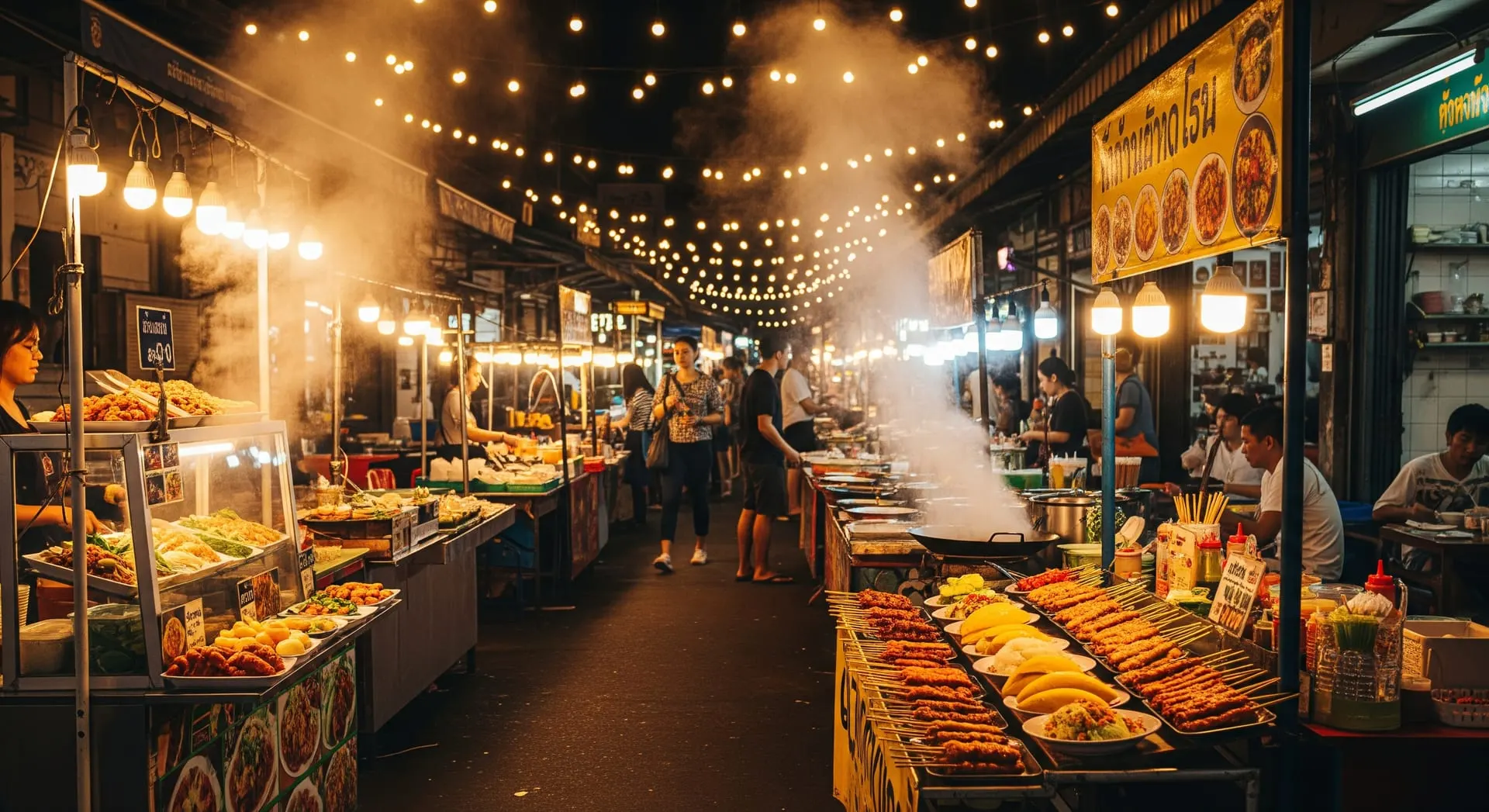
Daily life in Thailand — where Indian citizens settle on the DTV
Life in Thailand — your home base on the 5-year DTV
Section 04

Where Indian Expats and Nomads Settle

Indians in Thailand tend to cluster in a handful of areas, each with a distinct feel. Bangkok draws professionals and entrepreneurs with its cosmopolitan energy and established Indian neighbourhoods around Phahurat (the old "Little India" near the Sikh Gurdwara), Sukhumvit and Phra Khanong. Chiang Mai is the digital-nomad capital: cheap, green, mountain-fringed, with a tight freelancer and wellness scene. Phuket and Krabi suit those who want beach life, diving and family-friendly resorts, and both have solid Indian food options. The islands of Koh Samui and Koh Phangan pull younger nomads with co-living spaces and a laid-back pace.

Section 05

Money and Banking from India

Managing money across India and Thailand is straightforward. Many Indians open a Thai bank account after arriving on a long-term visa, which makes local payments and the ubiquitous PromptPay QR system simple. For moving funds, Wise and Remitly typically beat bank rates on INR to THB transfers; just remember India's LRS limits and keep records for tax. Indian debit and credit cards work widely, but tell your bank before you travel to avoid blocks, and note that Thai ATMs usually charge a foreign-card fee of around 220 THB per withdrawal on top of your home bank's charges. For the DTV's financial requirement you show proof of 500,000 THB (about $15,000) in personal funds, which can sit in your Indian account.

Smart Money Move

Carry a zero-markup forex or multi-currency card (popular Indian options include Niyo and similar fintech cards) to dodge dynamic currency conversion. Always choose to be charged in Thai baht, not rupees, when a card machine asks, the THB rate is almost always better.

Section 06

Documents and Translation

Here is one of the biggest advantages for Indian applicants: English is an official working language in India, and banks, employers and tax authorities issue most documents, bank statements, income proofs, ITRs, in English by default. That means your DTV paperwork is usually accepted as-is, with no translation step. Make sure statements are recent, clearly show your name and balance, and carry the bank's stamp or are downloaded as official PDFs. If a particular document only exists in a regional language such as Marathi, Tamil or Gujarati, get a certified English translation for that one item to avoid any hiccups. Our team reviews your full file before submission so nothing is missing.

Section 07

Daily Life and Community

Day-to-day life in Thailand is remarkably smooth for Indians. The country is famously easygoing and safe, with low violent crime, and many women report feeling comfortable out alone at night. Private healthcare is excellent and good value: JCI-accredited hospitals in Bangkok and Chiang Mai have English-speaking, often Hindi-friendly staff. Home fibre commonly delivers 300-1000 Mbps for a modest monthly fee, ideal for video calls and uploads. And you will not go hungry for home: from upscale North and South Indian restaurants in Bangkok to dosa and chaat joints run by Indian families, plus Indian grocers, temples, a Gurdwara, and busy Diwali and Holi gatherings, staying connected to your roots is easy.

  • Healthcare: International hospitals such as Bumrungrad and Bangkok Hospital are JCI-accredited, with English-speaking staff and quality on par with India's best private chains.
  • Connectivity: AIS, TrueMove and dtac offer cheap 5G mobile plans with generous data, alongside fast, reliable home fibre.
  • Community: Phahurat's Little India, the Sri Guru Singh Sabha Gurdwara, Hindu temples and active Indian associations make festivals and worship part of normal life.
  • Comfort food: Indian grocery stores, spice shops and restaurants across Bangkok, Phuket and Chiang Mai mean dal-chawal or a Gujarati thali is never far away.
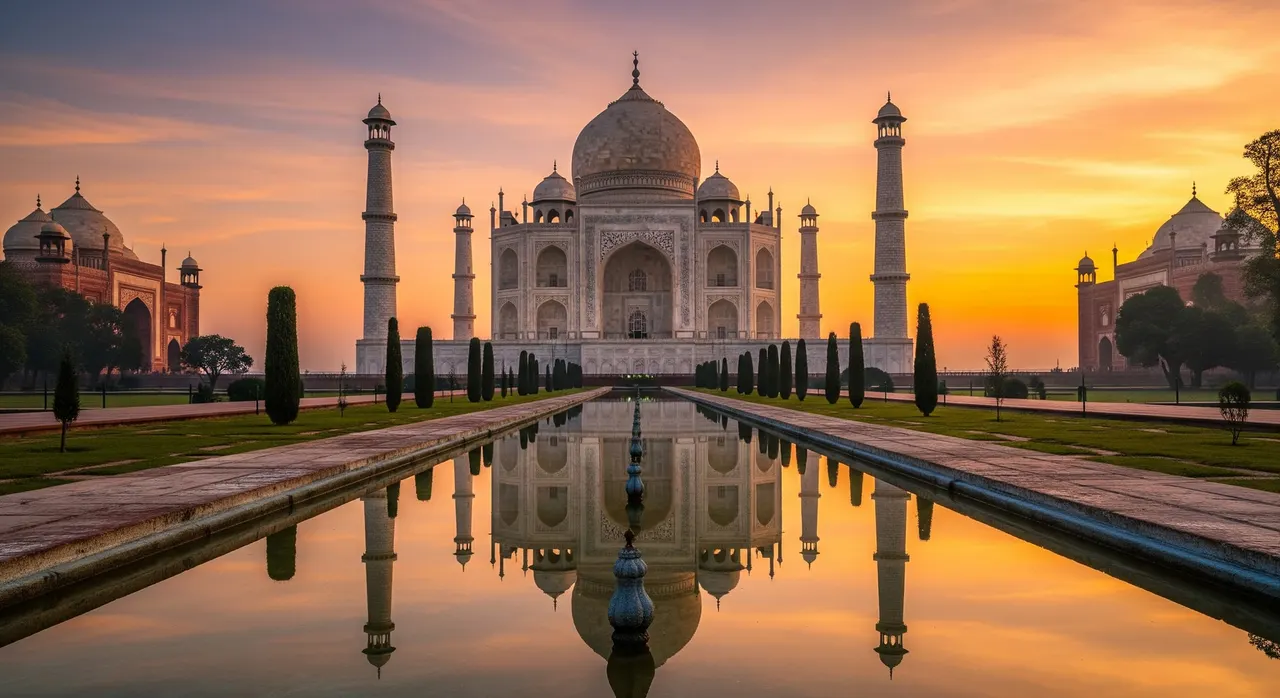
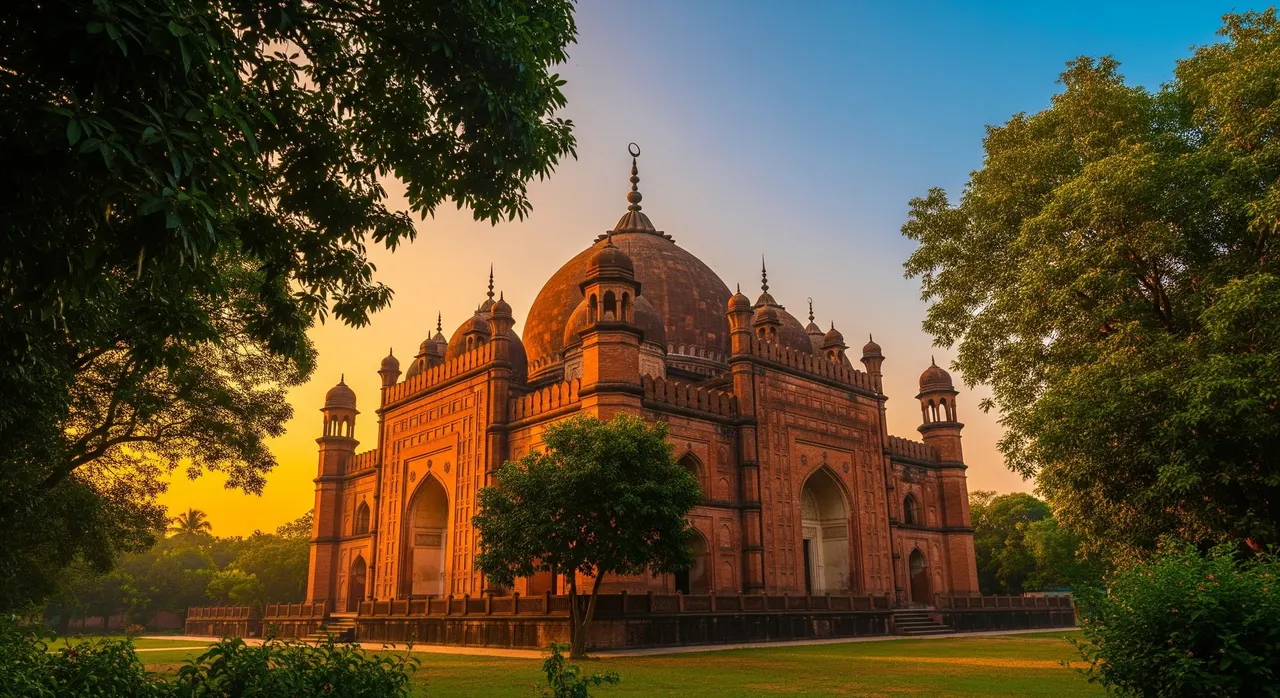
India — your starting point before relocating to ThailandIndia
From India to Thailand

Make the move from India

Trade India for up to five years in Thailand on the DTV. We prepare and submit your entire application from wherever you are — proof of funds, category evidence and passport — so you can focus on the move, not the paperwork.

Check eligibility
Step by step

How Indian citizens apply for the DTV

1

Check you qualify

Almost every nationality can apply. Take our free 60-second eligibility checker to confirm your route — remote work, soft power, medical or family.

2

We prepare everything

We assemble and review your documents: proof of 500,000 THB (~$15,000), your category evidence and passport — so nothing gets rejected.

3

We submit for you

You apply from outside Thailand. We file at a Thai embassy or consulate (such as Hanoi, Ho Chi Minh, Jakarta, Vientiane or London) within one business day.

4

Get approved & move

On approval you get the 5-year, multiple-entry DTV — up to 180 days per stay, extendable once. Then make Thailand home.

Questions

DTV FAQ for Indian citizens

What is the Destination Thailand Visa (DTV) for Indian citizens?

The DTV is a 5-year, multiple-entry visa that lets Indian nationals live in Thailand while working remotely for clients or an employer abroad. Each entry allows a stay of up to 180 days, extendable once by a further 180 days, so you can stay close to a full year before leaving and re-entering.

How does the 180-day stay work exactly?

On each arrival you receive a stay of up to 180 days. Before it expires you can extend once for another 180 days at a local immigration office inside Thailand. After that, you simply exit and re-enter on the same 5-year visa to start a fresh stay period.

How much money do I need to prove for the DTV?

You need to show proof of 500,000 THB (approximately $15,000) in personal funds. The funds can sit in your Indian bank account, and because Indian banks issue statements in English, they are normally accepted without translation.

Can Indians apply for the DTV while already in Thailand?

No. The DTV must be applied for from outside Thailand. The good news is you do not handle the bureaucracy yourself: our team prepares your entire application and submits everything on your behalf, so you can apply from India or another country where you have legal residency.

How much does your DTV service cost, and what if I get denied?

Our service starts from $139. If you add the optional Denial Protection, you receive a 100% refund of the service fee should your application be denied, making it a risk-free way to start the process.

What is the time difference between India and Thailand for remote work?

Thailand (UTC+7) is just 1.5 hours ahead of India (IST, UTC+5:30). The gap is small enough that your working day stays almost fully overlapped with Indian colleagues and clients, which is a major reason Thailand suits Indian remote workers.

How long are flights from India to Thailand, and which cities have direct routes?

Non-stop flights to Bangkok run roughly 4 to 4.5 hours from Delhi, Mumbai, Kolkata, Bengaluru, Chennai, Hyderabad and Ahmedabad, on airlines such as Air India, IndiGo, Thai Airways and Thai AirAsia. Phuket and Chiang Mai also receive direct and seasonal flights from major Indian hubs.

Is it really cheaper to live in Thailand than in Indian metros?

In most categories, yes, and you tend to get more for your money. Modern condos, clean transport and fast internet are standard, and total monthly costs in Chiang Mai or much of Bangkok are competitive with or below prime Mumbai, Delhi and Bengaluru. A single remote worker can live comfortably on a moderate budget while enjoying a noticeably higher quality of life.

Do my Indian bank statements need to be translated for the DTV?

Usually not. English is an official language in India and banks issue statements in English by default, so they are typically accepted as-is. If a supporting document happens to be in a regional language such as Marathi or Tamil, a certified English translation of that single item is recommended.

Can I bring my family on the DTV?

Yes. A spouse and dependent children can be included as dependents, receiving the same 5-year visa and entry terms as the main applicant, which makes Thailand a practical move for Indian families, not just solo nomads.

Do I need health insurance for the DTV?

Insurance is not strictly required for the visa, but it is strongly recommended. Thailand's private hospitals are excellent and far more affordable than equivalent care in the West, and many Indian expats hold an international plan covering both inpatient and outpatient treatment for peace of mind.

Where you apply

The Thai missions for India

You submit the DTV online via the Thai e-Visa portal — but the office below covers applicants in India and may review your file.

Ready to move to Thailand from India?

Check your eligibility in under a minute, or let our team prepare and submit everything — with a 100% refund if your application is denied (with the optional paid Denial Protection add-on).