Skip to content
Europe

DTV Visa for Hungarian Citizens
For many Hungarians, Thailand offers an irresistible mix of tropical warmth, deep culture and a cost of living that turns a modest budget into a genuinely upgraded lifestyle. Whether you are a remote worker escaping Budapest's grey winters, a freelancer chasing new horizons, or simply dreaming of palm-fringed beaches, the Destination Thailand Visa (DTV) opens the door to a five-year, multiple-entry adventure in the Land of Smiles.

Every Hungarian citizen is eligible to apply

5

Years validity

180

Days per entry

500k

THB proof of funds

$139

Service fee from

100%

Refund if denied*

Why Hungarian citizens choose Thailand

Living in Thailand from Hungary

Section 01

Why Hungarian Citizens Are Moving to Thailand

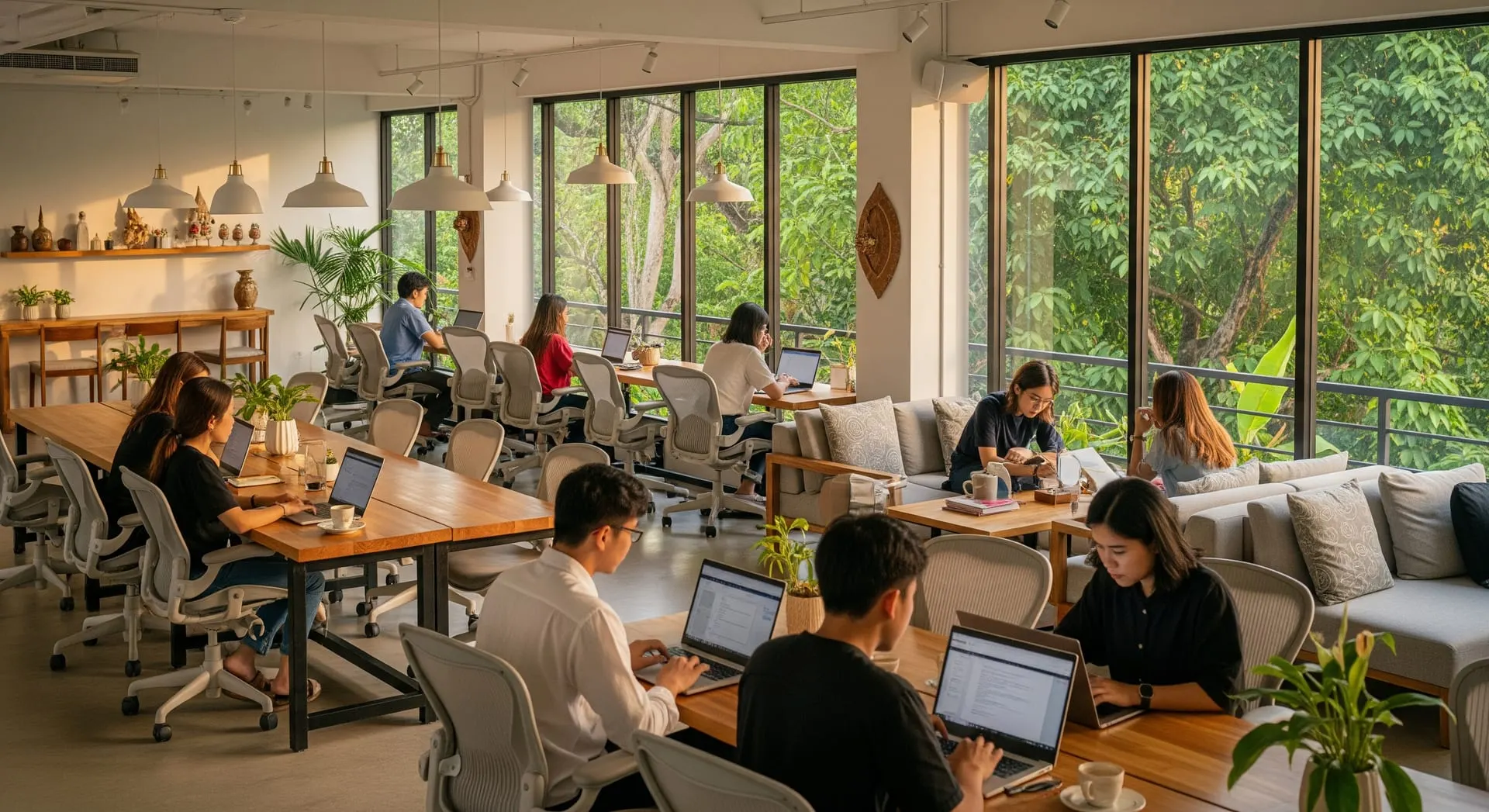
Hungary's long, often gloomy winters and rising prices are pushing many citizens to look for a warmer, more affordable life abroad. Thailand delivers exactly that: year-round sunshine, world-famous cuisine and a cultural heritage that fascinates Central Europeans. After the rigid routines of Budapest, Debrecen or Szeged, the relaxed, friendly Thai pace makes it far easier to balance work and downtime. A mature digital-nomad scene, reliable fibre internet and plentiful coworking spaces in cities like Chiang Mai make it especially attractive to Hungarian remote workers and freelancers. The DTV's five-year validity and 180-day stays per entry mean you can settle in properly without constant short-stay border runs.

DTV at a Glance for Hungarians

The Destination Thailand Visa is a 5-year, multiple-entry visa. Each entry allows a stay of up to 180 days, extendable once inside Thailand for a further 180 days. You apply from outside Thailand, show proof of 500,000 THB (~$15,000) in personal funds, and our team prepares and submits the entire application for you, with service from $139.

Embrace the Seasons

Thailand is warm year-round, but the climate varies. The cool, dry season from November to February is ideal; the rainy season (June–October) brings lush landscapes and fewer crowds. Pack light clothing and a sturdy umbrella, and budget a little extra for air conditioning in the hot April–May stretch.

Section 02

Cost of Living: Hungary vs Thailand

The lower cost of living is one of the biggest draws for Hungarians. In Budapest, a one-bedroom apartment in a decent district runs roughly 200,000–280,000 HUF (about €500–700) per month. In Chiang Mai, a modern condo with a pool and gym can cost just 12,000–18,000 THB (around €310–470). Eating out shows the gap most clearly: a sit-down lunch in Budapest is 3,000–4,500 HUF (€8–12), while a tasty, filling Thai street meal can be 60–100 THB (€1.50–2.50). Coworking memberships in Thailand start near 2,500 THB (about €65) a month, and local transport — buses, songthaews and the BTS/MRT in Bangkok — costs a fraction of a Budapest BKK pass. For anyone earning in euros or forint, the purchasing power in Thailand is transformative.

  • Rent (1-bed condo): ~12,000–18,000 THB/month in Chiang Mai; more in central Bangkok or on the islands.
  • Street meal: 60–100 THB; a Western restaurant dish: 250–450 THB.
  • Domestic SIM with generous data: roughly 300–600 THB/month from AIS, TrueMove or dtac.
  • ATM withdrawal fee on foreign cards: about 220 THB per transaction.
  • Monthly gym membership: often under 1,000 THB outside premium chains.
Section 03

Getting to Thailand from Hungary

There are no nonstop flights between Hungary and Thailand, but one-stop connections from Budapest Ferenc Liszt International Airport (BUD) to Bangkok Suvarnabhumi (BKK) are frequent and well-timed. The most common routings go via Istanbul (Turkish Airlines), Doha (Qatar Airways), Dubai (Emirates) or Abu Dhabi, with total travel time, including the layover, usually between 13 and 16 hours. Some travellers prefer a short hop to Vienna, Munich or Frankfurt to access wider long-haul options. Once you land, cheap domestic flights and comfortable overnight trains make the rest of the country easy to explore. The time difference is manageable: Hungary is on UTC+1 in winter and UTC+2 in summer, while Thailand stays on UTC+7 all year — a gap of 5 or 6 hours. When it is 9:00 AM in Budapest, it is already 2:00 or 3:00 PM in Bangkok, so a Thai afternoon overlaps neatly with the Hungarian working morning.

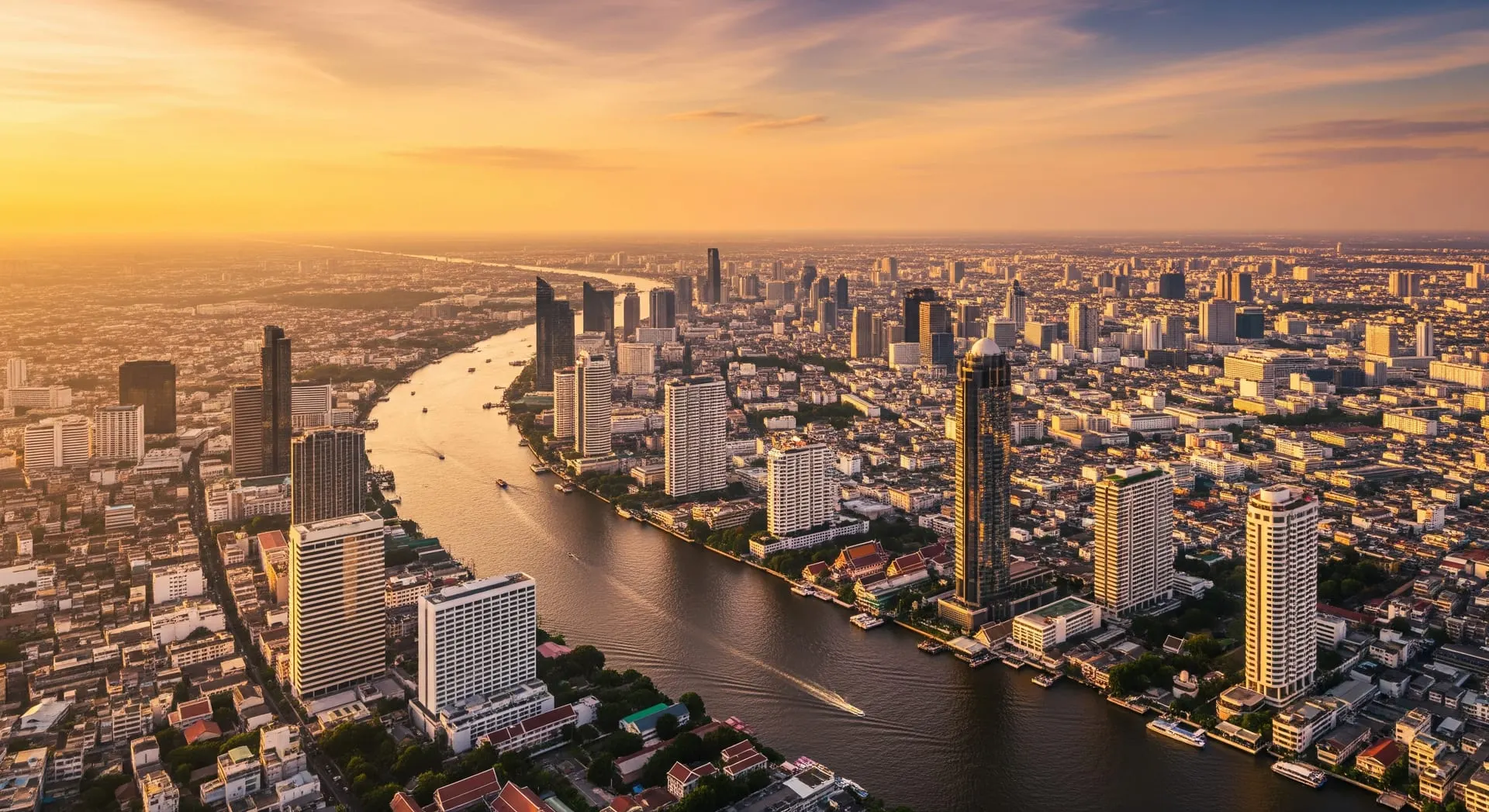
Daily life in Thailand — where Hungarian citizens settle on the DTV
Life in Thailand — your home base on the 5-year DTV
Section 04

Where Hungarian Expats & Nomads Settle in Thailand

Hungarians spread across Thailand's best-known expat hubs, each with its own character. Bangkok suits those who want a vibrant megacity with endless dining, nightlife and business connections. Chiang Mai is the digital-nomad capital, loved for mountain scenery, a relaxed pace and very low costs — ideal for freelancers and creatives. Phuket and the southern islands such as Koh Samui and Koh Phangan draw beach lovers and those in wellness or hospitality. Pattaya has a small but active European crowd, including a couple of Hungarian-run venues. Most Hungarians pick their base depending on whether they prioritise urban energy, nature or the ocean.

  • Bangkok: Urban hub with world-class transport, hospitals and international amenities.
  • Chiang Mai: Affordable cultural heart with the strongest coworking and nomad scene.
  • Phuket: Beach life, diving and a sizeable European expat population.
  • Koh Phangan: Laid-back island favoured by wellness seekers and remote workers.
Section 05

Money & Banking from Hungary

Managing money across continents is straightforward. The Hungarian forint (HUF) converts easily to Thai baht (THB) through multi-currency services like Wise and Revolut, or via your Hungarian bank's international transfer facility. To keep fees down, transfer larger sums periodically rather than many small amounts. Thai ATMs charge roughly 220 THB per withdrawal on foreign cards, so it pays to carry a backup card and withdraw close to the per-transaction maximum (often 20,000–30,000 THB) each time. Cash is still common, but card and QR-code mobile payments are now accepted almost everywhere. Once you hold a long-stay visa, opening a Thai bank account becomes much easier and simplifies paying rent and utilities.

Show Your 500,000 THB Cleanly

The DTV requires proof of 500,000 THB (~$15,000) in personal funds. You can hold this in a Hungarian account in HUF, euros or another currency, as long as the statement clearly shows the equivalent value. Keep the balance stable for a few weeks before applying so the funds look settled rather than freshly deposited.

Section 06

Documents & Translation for Hungarian Applicants

The DTV file is built around documents in English or Thai. Because Hungary's official language is Hungarian, your supporting paperwork — bank statements, employment or freelance contracts, company registration extracts and similar — will likely need a certified English (or Thai) translation. Use a sworn or recognised translator who provides a stamped, signed declaration of accuracy. This is often the most time-consuming step, so start it as soon as you decide to apply. The good news: our team reviews your full package, tells you exactly what needs translating, and prepares and submits everything for you from outside Thailand, so nothing gets lost in the bureaucracy.

Start Translations Early

Sworn Hungarian-to-English translations of bank statements and contracts can take several days to arrange. Lining them up early — digital copies are usually fine — keeps your application moving and avoids last-minute scrambles.

Section 07

Daily Life & Community in Thailand

Healthcare in Thailand

International hospitals in Bangkok, Chiang Mai and Phuket offer excellent care at a fraction of European prices. A routine doctor's consultation can cost as little as 500–1,000 THB (€13–26). Most expats carry private health insurance for serious events and self-pay for minor needs.

Connectivity is excellent: high-speed fibre is standard in condos and coworking spaces, with cheap unlimited mobile data from AIS, TrueMove and dtac. Food is a daily pleasure, from fiery street-side som tam to upscale international dining, so you will never run short of options. Safety is generally high — violent crime is rare and petty theft is lower than in many European cities. The Hungarian community is smaller than that of some larger European nations, but it is welcoming: Facebook groups such as «Magyarok Thaiföldön» help newcomers find meetups, Hungarian groceries and practical advice. In Bangkok and Pattaya you can even track down lángos and gulyás when homesickness strikes.

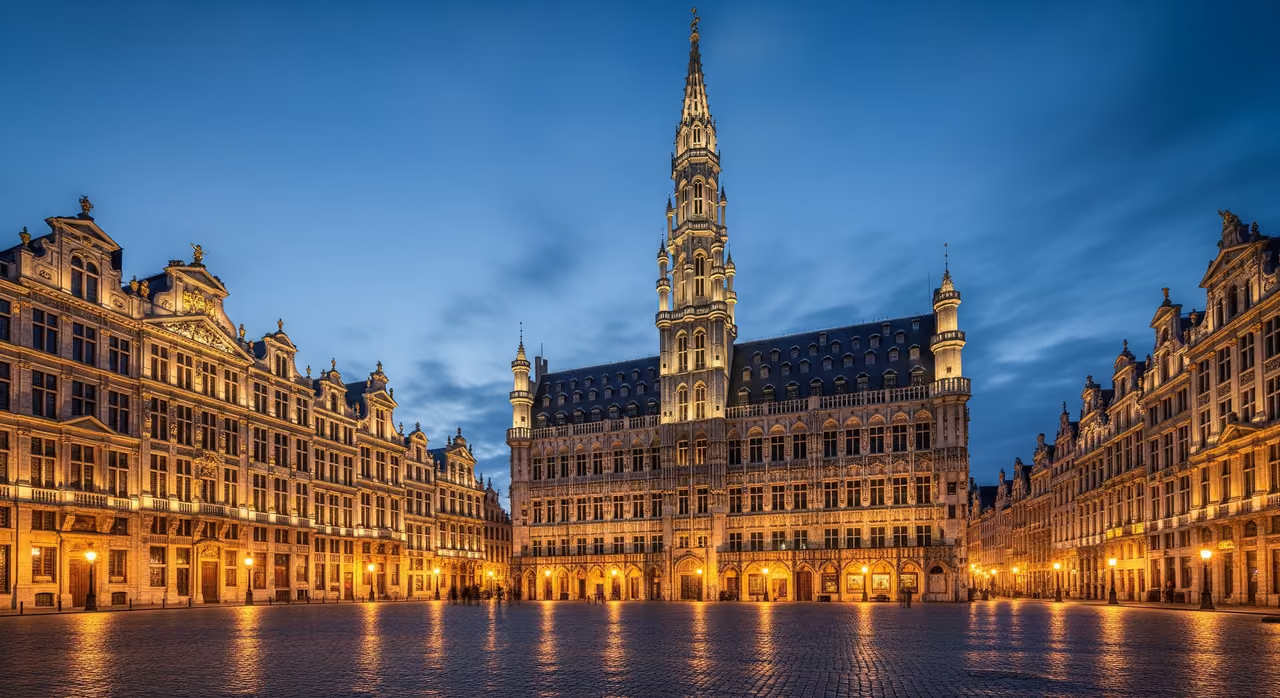
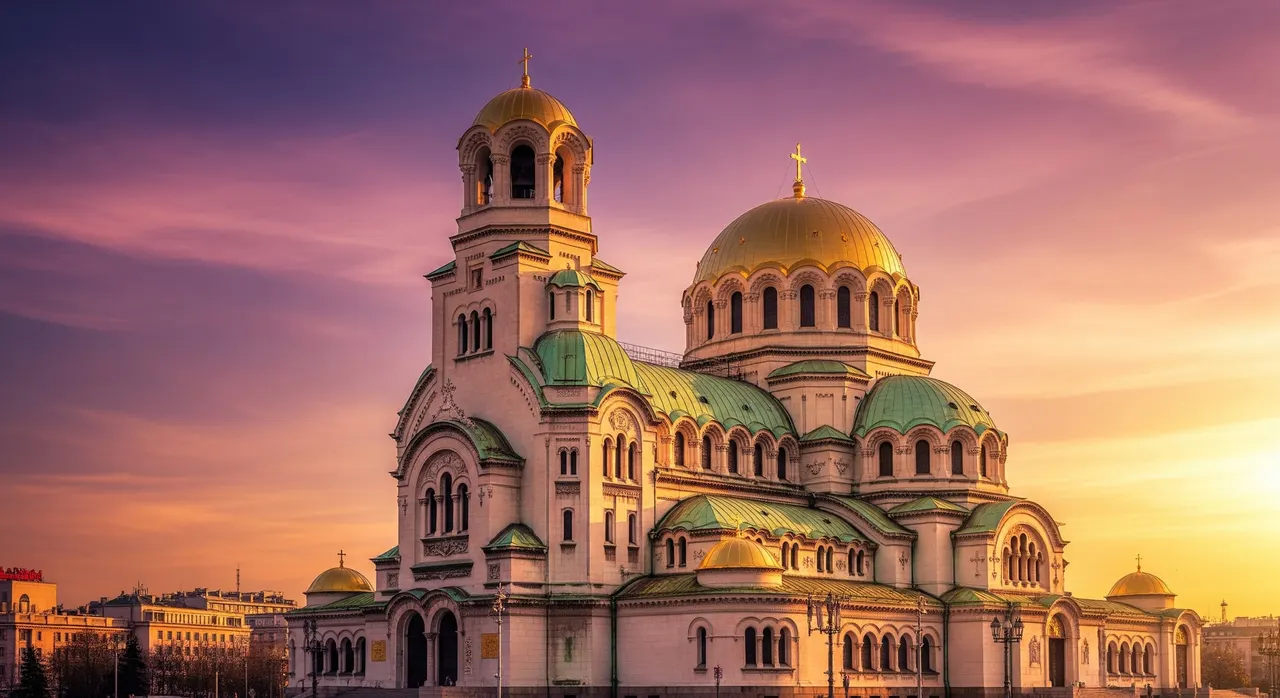
Hungary — your starting point before relocating to ThailandHungary
From Hungary to Thailand

Make the move from Hungary

Trade Hungary for up to five years in Thailand on the DTV. We prepare and submit your entire application from wherever you are — proof of funds, category evidence and passport — so you can focus on the move, not the paperwork.

Check eligibility
Step by step

How Hungarian citizens apply for the DTV

1

Check you qualify

Almost every nationality can apply. Take our free 60-second eligibility checker to confirm your route — remote work, soft power, medical or family.

2

We prepare everything

We assemble and review your documents: proof of 500,000 THB (~$15,000), your category evidence and passport — so nothing gets rejected.

3

We submit for you

You apply from outside Thailand. We file at a Thai embassy or consulate (such as Hanoi, Ho Chi Minh, Jakarta, Vientiane or London) within one business day.

4

Get approved & move

On approval you get the 5-year, multiple-entry DTV — up to 180 days per stay, extendable once. Then make Thailand home.

Questions

DTV FAQ for Hungarian citizens

Can Hungarian citizens apply for the Destination Thailand Visa?

Yes. Hungarian nationals are eligible for the DTV. You apply from outside Thailand, and our team prepares all the required documents and submits the complete application on your behalf, so you do not have to navigate the paperwork alone.

How long can I stay in Thailand with each entry?

Each DTV entry grants up to 180 days in Thailand, and you can extend that entry once for a further 180 days — a possible continuous stay of up to 360 days. Because it is a 5-year multiple-entry visa, you can also leave and re-enter to start a fresh 180-day period.

What financial proof do I need as a Hungarian applicant?

You must show proof of 500,000 THB (~$15,000) in personal funds. This can sit in a Hungarian bank account and be held in HUF, euros or another currency, as long as the statement shows the equivalent value.

How do I apply if I'm currently in Hungary?

The DTV is applied for from outside Thailand, which suits Hungary-based applicants perfectly. We prepare your complete application package remotely and handle the submission for you, so you can stay in Hungary while everything is arranged.

What are typical flight routes from Budapest to Thailand?

There are no nonstop flights, but one-stop connections via Istanbul, Doha, Dubai or Abu Dhabi take roughly 13–16 hours in total. From Budapest (BUD) you can expect a single layover before arriving at Bangkok's Suvarnabhumi Airport (BKK).

What is the time difference between Hungary and Thailand?

Thailand is 5 or 6 hours ahead of Hungary depending on daylight saving. When Hungary is on CET (UTC+1), Thailand is at UTC+7, a 6-hour gap; this drops to 5 hours when Hungary switches to CEST (UTC+2). Many remote workers overlap with the Hungarian morning from early afternoon Thai time.

Will my Hungarian documents need translation?

Most likely, yes. Since Hungary's official language is Hungarian, supporting documents such as bank statements and contracts will usually need a certified English or Thai translation. Our team reviews your file and tells you exactly what needs translating before submission.

How much does your service cost, and what if my application is denied?

Our document preparation and submission service starts from $139. With the optional Denial Protection add-on, you receive a 100% refund if your application is denied — giving you peace of mind before you commit.

Is there a Hungarian community in Thailand?

Yes. It is smaller than some other European communities, but active Hungarian expat groups exist, particularly around Bangkok and Pattaya. Facebook groups and occasional cultural events make it easy to meet fellow Hungarians and find familiar tastes from home.

How does the cost of living in Thailand really compare to Hungary?

For most people it is noticeably cheaper. Meals, transport and rent are generally lower than in Budapest, so a similar monthly budget buys a more spacious apartment, daily eating out and still leaves room to save, especially away from the most touristy spots.

Do I need to be in Thailand to extend my DTV stay?

Yes. The 180-day extension per entry is requested inside Thailand at a local immigration office. We can guide you through what to bring and how the extension works step by step.

Where you apply

The Thai mission for Hungary

You submit the DTV online via the Thai e-Visa portal — but the office below covers applicants in Hungary and may review your file.

Ready to move to Thailand from Hungary?

Check your eligibility in under a minute, or let our team prepare and submit everything — with a 100% refund if your application is denied (with the optional paid Denial Protection add-on).