Skip to content
Americas

DTV Visa for Haitian Citizens
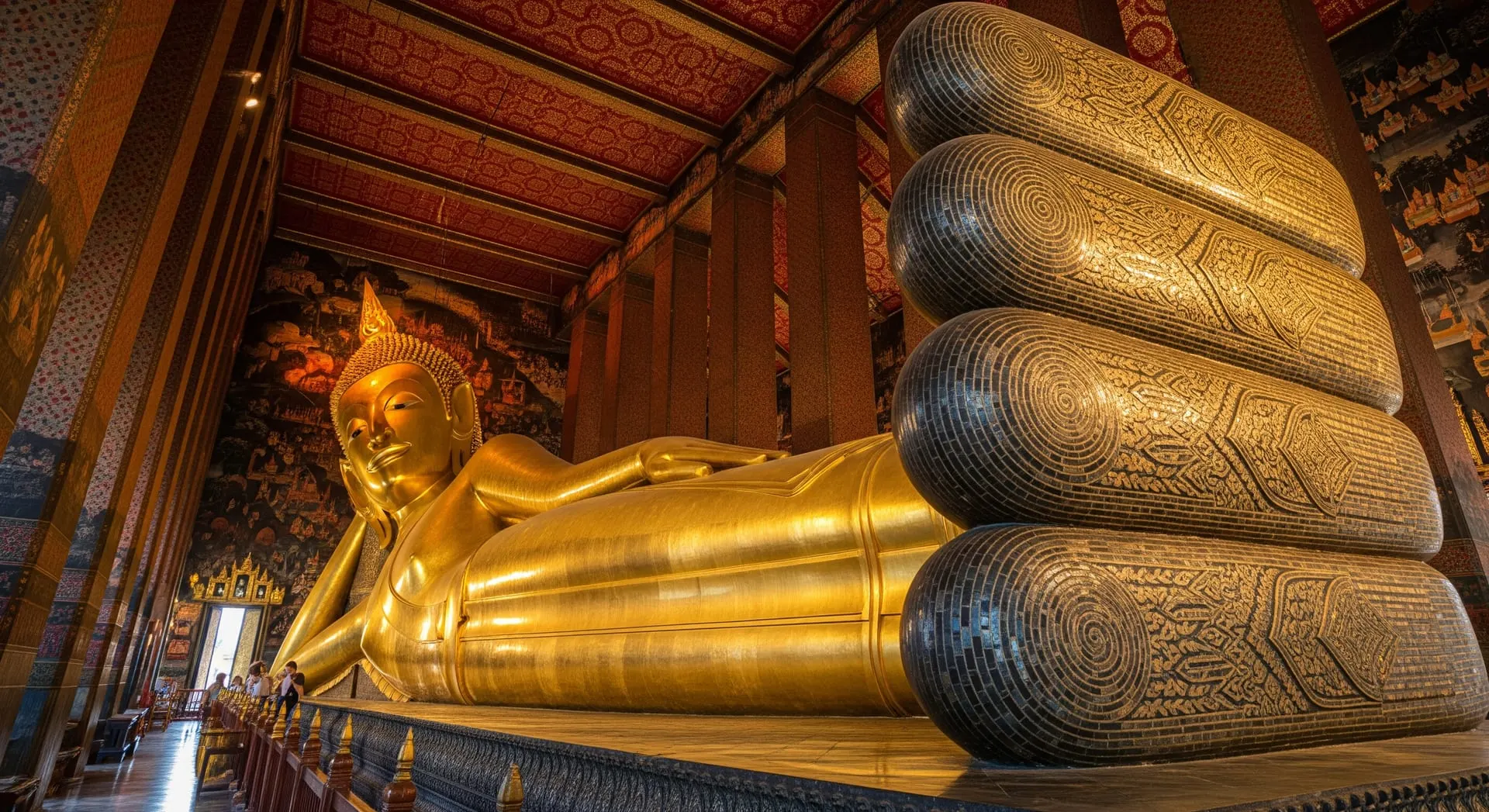
For many Haitian professionals, remote workers and entrepreneurs, Thailand has shifted from a far-off dream to a genuinely practical move. Picture swapping the daily strain of Port-au-Prince for a tropical base where your dollars stretch much further, fibre internet is everywhere, and a large, friendly international community is already settled in. The Destination Thailand Visa (DTV) makes the leap straightforward: a five-year, multiple-entry visa built for digital nomads, freelancers and long-stay explorers who want to live in Thailand legally without restarting the paperwork every few months.

Every Haitian citizen is eligible to apply

5

Years validity

180

Days per entry

500k

THB proof of funds

$139

Service fee from

100%

Refund if denied*

Why Haitian citizens choose Thailand

Living in Thailand from Haiti

Section 01

Why Haitian Citizens Are Moving to Thailand

Haiti's culture and warmth are unmatched, but everyday realities — strained infrastructure, security worries, frequent power cuts and a high cost of imported goods — push many Haitians to look abroad. Thailand offers a clear lifestyle upgrade: reliable utilities, modern amenities, excellent public safety and a cost of living that buys a far higher standard of comfort. The climate will feel familiar to anyone from the Caribbean — hot and humid with a distinct rainy season — but instead of hurricane season, the monsoon mostly means predictable afternoon downpours. For Haitian digital nomads, teachers, creatives and early retirees, the DTV grants up to five years of legal residence with access to world-class private healthcare, beautiful coastlines and a food scene that more than holds its own.

Section 02

Cost of Living: Haiti vs Thailand

The cost gap is one of the strongest pulls. In Port-au-Prince or Pétion-Ville, a secure, modern apartment can run $500–$900 a month, often with the added expense of a private generator and security. A comparable or nicer one-bedroom in Chiang Mai goes for roughly $250–$400, and in central Bangkok $400–$650 — typically with stable power, water and fibre included. A sit-down meal in Haiti might be $6–$10; in Thailand a fresh street-food plate is 40–60 THB (about $1.50–$2), and a mid-range restaurant dinner rarely tops $8. Local transport is cheap (the Bangkok BTS Skytrain costs roughly 17–62 THB a ride), and coworking memberships with unlimited fast internet run $50–$120 a month — options that barely exist back home.

What Your Money Gets You

On a budget of around $1,000 a month in Chiang Mai, a Haitian remote worker can comfortably cover a modern studio, eating out most days, a coworking membership, a gym, local transport and weekend trips — a standard of living that would cost far more in Port-au-Prince or Pétion-Ville.

Section 03

Getting to Thailand from Haiti

There are no direct flights, so the trip from Toussaint Louverture International Airport (PAP) in Port-au-Prince to Bangkok's Suvarnabhumi (BKK) usually takes 24–32 hours with one or two stops. The most common pattern is a short hop to a U.S. gateway — Miami (a roughly two-hour flight), Fort Lauderdale or New York (JFK) — then a single long-haul connection through a Gulf or European hub such as Doha, Dubai, Istanbul or Paris, and onward to Bangkok. Booking the U.S. leg and the long-haul leg together on one ticket usually saves money and smooths connections. Haiti runs on UTC-5 in winter and UTC-4 during daylight saving, while Thailand stays on UTC+7 all year, leaving an 11–12 hour difference.

Turn the Time Zone Into an Advantage

With Thailand 11–12 hours ahead of Haiti, the gap can work for you. Schedule calls with North American clients in your Bangkok evening, then keep your mornings and afternoons free to explore, exercise or do deep work while the Americas sleep.

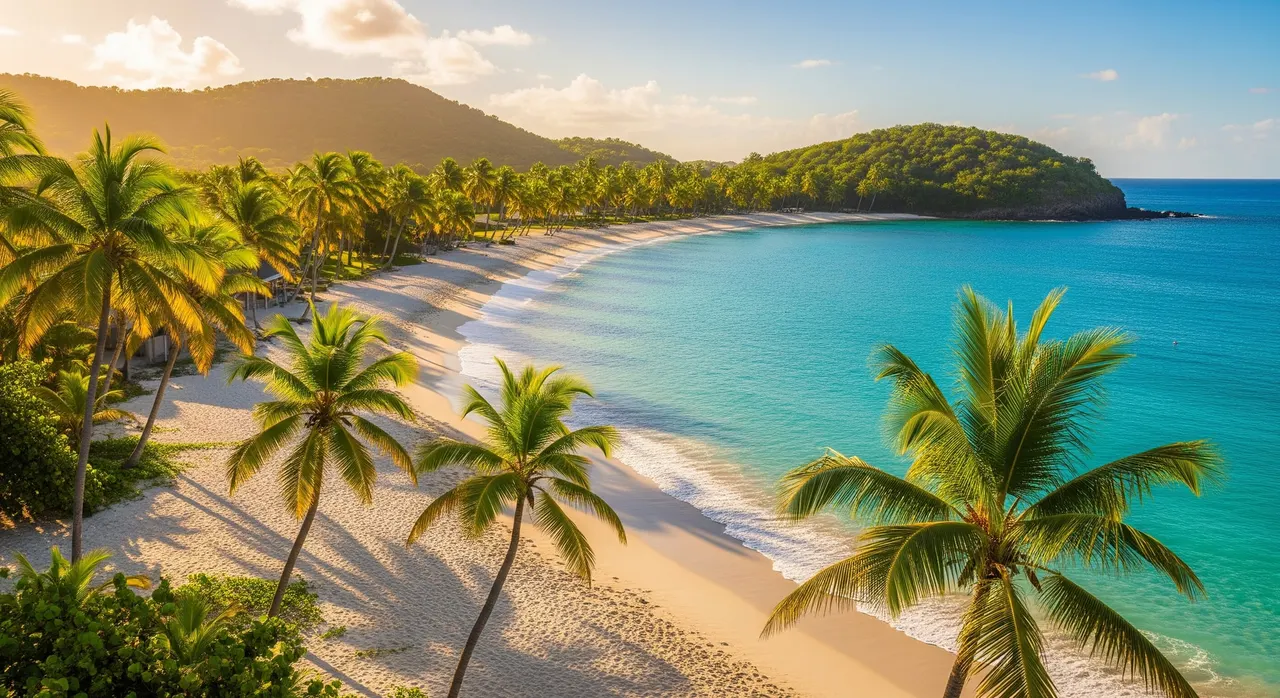
Daily life in Thailand — where Haitian citizens settle on the DTV
Life in Thailand — your home base on the 5-year DTV
Section 04

Where Haitian Expats & Nomads Settle in Thailand

  • Bangkok: The energetic capital, with endless dining, modern condos on the BTS/MRT lines, top hospitals and easy regional flights. Best for those who want big-city pace and connections.
  • Chiang Mai: A relaxed northern city ringed by mountains, with the country's most established digital-nomad scene, the lowest costs and cooler weather from November to February.
  • Phuket, Koh Samui & Krabi: For anyone who misses Haiti's coast, the southern islands deliver clear water, beaches and watersports alongside modern shops, clinics and coworking.
  • Pattaya & Hua Hin: Beach towns within easy reach of Bangkok, popular for their convenience, varied housing and lively expat communities.
Section 05

Money & Banking from Haiti

Cross-border money needs a little planning. The Haitian gourde (HTG) is not freely convertible abroad, so most Haitians abroad already hold funds in U.S. dollars — and that works well here, since the DTV savings proof can sit in any currency at any bank worldwide. Wise and Revolut are popular for low-cost transfers into Thai baht. Once you arrive, you can open a Thai bank account with your passport and visa, which unlocks a local debit card and PromptPay, Thailand's instant QR-payment system used almost everywhere. ATMs are abundant but charge foreign cards a 220 THB fee per withdrawal, so it pays to take out larger amounts less often. For the DTV itself you simply show savings of 500,000 THB (about $15,000) — there is no requirement to move that money to Thailand.

The DTV Financial Requirement, Simply Put

You need to demonstrate 500,000 THB (~$15,000) in personal funds. The money can be held in U.S. dollars, euros or any currency, in any bank in any country — it is proof of means, not a deposit you transfer to Thailand.

Section 06

Documents & Translation for Haitian Applicants

Haiti's official languages are French and Haitian Creole, so any supporting documents not already in English — bank statements, employment letters, contracts or professional portfolios — will likely need a certified English (or Thai) translation to be accepted for the DTV. This is a routine, low-stress step: certified translators are readily available online and in the U.S. cities many Haitians pass through. Our team tells you exactly which documents need translating and how to present them, so nothing is sent back for re-formatting. Crucially, you apply from outside Thailand, and we prepare and submit the entire application for you — you do not have to navigate the process alone.

Section 07

Daily Life & Community

Thailand shines in everyday convenience. Fibre broadband is widespread, with home plans often exceeding 300 Mbps, and mobile data is fast and cheap — a relief after Haiti's connectivity struggles. Healthcare is a highlight: internationally accredited private hospitals such as Bumrungrad and Bangkok Hospital have English-speaking doctors and prices far below those in the U.S. or Canada. Food safety is strong, and while Thai cooking differs from Haitian cuisine, both share a love of bold spice, rice, fresh produce and seafood. The country is notably safe, with violent crime rare and petty theft low. Haiti's community in Thailand is still small but growing, and broader Francophone, Caribbean and African diaspora groups in Bangkok and Chiang Mai make it easy to find familiar food, French conversation and a sense of home.

Ease the Transition

Before you move, join expat Facebook groups such as "Expats in Bangkok" or "Chiang Mai Digital Nomads" to ask questions and line up contacts. Book a short-term rental for your first month so you can test neighbourhoods before signing a longer lease.

Haiti — your starting point before relocating to ThailandHaiti
From Haiti to Thailand

Make the move from Haiti

Trade Haiti for up to five years in Thailand on the DTV. We prepare and submit your entire application from wherever you are — proof of funds, category evidence and passport — so you can focus on the move, not the paperwork.

Check eligibility
Step by step

How Haitian citizens apply for the DTV

1

Check you qualify

Almost every nationality can apply. Take our free 60-second eligibility checker to confirm your route — remote work, soft power, medical or family.

2

We prepare everything

We assemble and review your documents: proof of 500,000 THB (~$15,000), your category evidence and passport — so nothing gets rejected.

3

We submit for you

You apply from outside Thailand. We file at a Thai embassy or consulate (such as Hanoi, Ho Chi Minh, Jakarta, Vientiane or London) within one business day.

4

Get approved & move

On approval you get the 5-year, multiple-entry DTV — up to 180 days per stay, extendable once. Then make Thailand home.

Questions

DTV FAQ for Haitian citizens

What exactly is the Destination Thailand Visa (DTV) for Haitian citizens?

It is a 5-year, multiple-entry visa that lets you stay in Thailand for up to 180 days per entry, with the option to extend once for a further 180 days without leaving the country. It is designed for remote workers, digital nomads, freelancers and long-term visitors from Haiti.

How much money do I need to show for the DTV application?

You provide proof of 500,000 THB (approximately $15,000) in personal funds. It can be held in any currency at any bank worldwide and does not need to be transferred to Thailand.

Can I apply for the DTV from inside Thailand if I am already there?

No. The DTV must be applied for from outside Thailand. Our team handles everything for you — preparing all documents and submitting the application on your behalf — so you do not have to do it yourself.

What is the time difference between Haiti and Thailand, and how does it affect remote work?

Thailand is 11–12 hours ahead of Haiti (UTC+7 versus UTC-5 in winter / UTC-4 in summer). Many remote workers turn this into an advantage, taking client calls in the Bangkok evening and keeping their days free.

How do I get from Port-au-Prince to Bangkok?

There are no direct flights. You typically take a short flight to a U.S. gateway such as Miami or New York, then one long-haul connection via a hub like Doha, Dubai, Istanbul or Paris before reaching Bangkok. Total travel time is usually 24–32 hours.

Is Thailand really cheaper than Haiti for daily living?

Yes, significantly. Rent, street food, transport and coworking are all far more affordable, and you avoid extra costs common in Haiti like running a private generator. Many Haitians find their everyday budget stretches much further in Thailand.

Do I need to translate my documents from French or Creole for the visa?

Most likely, yes. Supporting documents that are not already in English — such as bank statements and employment letters — will usually need a certified English or Thai translation. Certified translators are easy to arrange, and we tell you exactly what is required.

Can my family come with me on the DTV?

Yes. The DTV includes a dependant option so your spouse and children can apply to join you in Thailand. We will confirm the current documentation needed for each family member as part of your application.

What happens if my application is denied?

With the optional Denial Protection add-on, you receive a 100% refund of our service fee if your application is denied. It is an easy way to apply with complete peace of mind.

How much does your DTV preparation service cost for Haitian applicants?

Our service starts from $139 and includes document review, translation guidance and full submission handling to make the process as smooth as possible.

Ready to move to Thailand from Haiti?

Check your eligibility in under a minute, or let our team prepare and submit everything — with a 100% refund if your application is denied (with the optional paid Denial Protection add-on).