Skip to content
Americas

DTV Visa for Guyanese Citizens
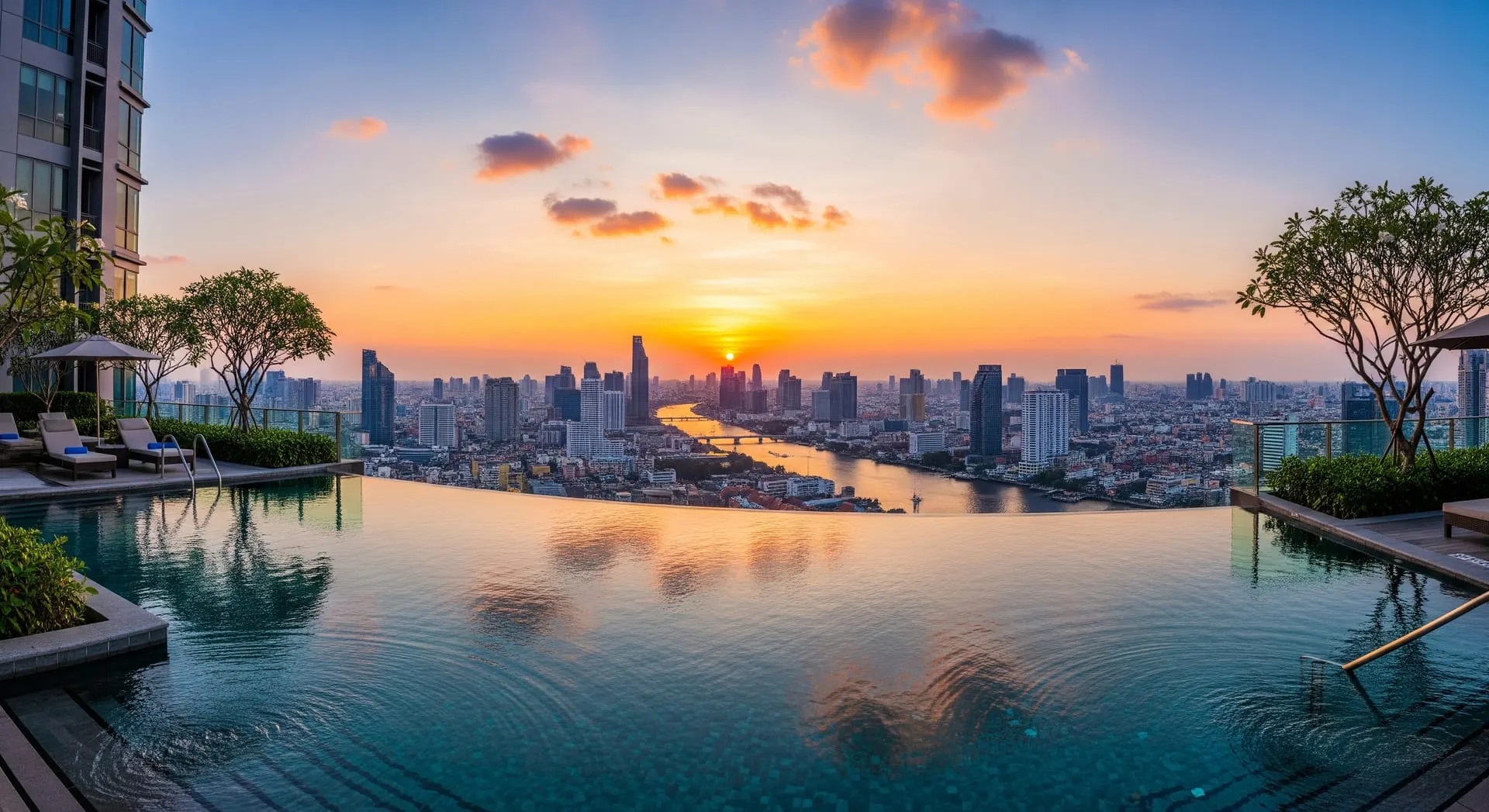
For ambitious Guyanese professionals, a vibrant Southeast Asian lifestyle is now genuinely within reach. Thailand's Destination Thailand Visa (DTV) opens the door to five years of living and working remotely in a country of stunning beaches, energetic cities and a cost of living that stretches your money far further than back home. If you're ready to trade the familiar rhythm of Georgetown and the Demerara coast for the buzz of Bangkok or the calm of Chiang Mai, the DTV is the long-stay route built exactly for people like you.

Every Guyanese citizen is eligible to apply

5

Years validity

180

Days per entry

500k

THB proof of funds

$139

Service fee from

100%

Refund if denied*

Why Guyanese citizens choose Thailand

Living in Thailand from Guyana

Section 01

Why Guyanese Citizens Are Moving to Thailand

Guyana's tropical heat and easy Caribbean pace may already feel a little like Thailand, but the Kingdom layers on infrastructure, world-class healthcare and global connectivity that are hard to match from the South American mainland. Many Guyanese are drawn by the unbeatable mix of low living costs, fast and reliable internet, and a deeply established digital-nomad scene. Whether you're a freelancer billing clients in Georgetown, a remote employee for a North American firm, or an entrepreneur building something new, Thailand is an ideal base to grow your career while exploring the wider region. The DTV makes the legal side simple: one application covers five years, so you are not stuck doing visa runs every few weeks.

The DTV in Brief

The Destination Thailand Visa is a 5-year, multiple-entry visa. Each entry lets you stay up to 180 days, and that stay can be extended once for a further 180 days, so you can remain close to a full year at a time. You apply from outside Thailand, show proof of 500,000 THB (~$15,000) in personal funds, and our team prepares and submits the whole application. Service starts from $139, with a 100% refund if you are denied when you add Denial Protection.

Section 02

Cost of Living: Guyana vs Thailand

Guyana is not a cheap country. Georgetown rents, imported groceries and a heavy reliance on the US dollar mean that mid-range living can cost more than newcomers expect. Thailand flips that equation: you get a higher standard of housing, food and services for noticeably less money. Here is a realistic side-by-side for one person.

  • Rent: A modern one-bedroom apartment in central Bangkok runs about 15,000–25,000 THB ($400–$700) a month, often with a pool and gym included; in Chiang Mai the same money goes even further.
  • Food: A tasty Thai street meal is 50–70 THB ($1.40–$2.00). A casual restaurant lunch in Georgetown easily costs several times that.
  • Coworking: A hot desk in a good Bangkok or Chiang Mai space is roughly 3,000–5,000 THB ($85–$140) a month, with far more choice than Guyana offers.
  • Transport: Bangkok's BTS Skytrain starts around 17 THB ($0.50) per ride, versus relying on minibuses and taxis in and around Georgetown.
  • Utilities and internet: Fast fibre runs about 600 THB ($17) a month, and power is reliable, sparing you the generator-and-outage routine some Guyanese households know well.

Price Reality Check

A fresh coconut on a Thai beach costs about 30 THB ($0.85). In Georgetown, imported bottled coconut water can cost many times that. It's a small symbol of how much further your money stretches once you swap the Guyanese dollar for the Thai baht.

Section 03

Getting to Thailand from Guyana

There are no direct flights between Guyana and Thailand, so every route involves connections. From Cheddi Jagan International Airport (GEO) near Georgetown, the most common patterns are a hop to a North American hub such as Miami, New York (JFK) or Toronto, then a long-haul leg to Bangkok's Suvarnabhumi (BKK) via the Middle East, East Asia or Europe. Caribbean Airlines, American Airlines and other carriers feed those hubs. Expect a total door-to-door journey of roughly 26–34 hours depending on connections. It's a long haul, but you only do it occasionally, and once you land Thailand's cheap, frequent domestic flights make exploring the rest of the country effortless.

Time zones matter for remote work: Thailand (UTC+7) is 11 hours ahead of Guyana (UTC-4). When it's noon in Georgetown, it's 11 PM in Bangkok. If your clients or team are back home, you'll be working their afternoon during your late evening.

Mastering the 11-Hour Gap

To overlap with Guyanese business hours, anchor a few hours of your day to late evening Bangkok time. Many nomads use the quiet local mornings for deep, focused work and keep their evenings free for live calls with the Americas. Set your calendar to show both time zones so you never miscount.

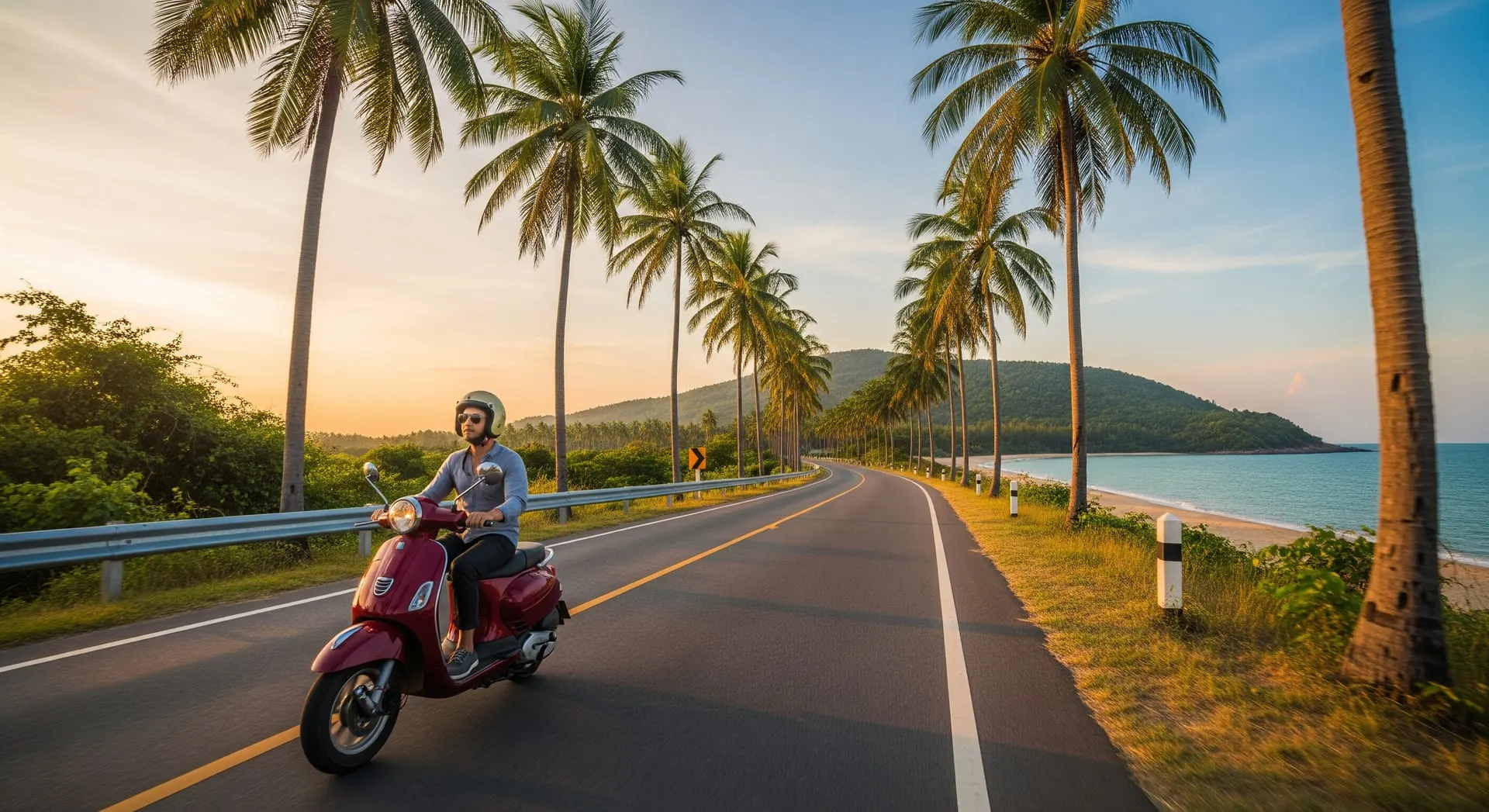
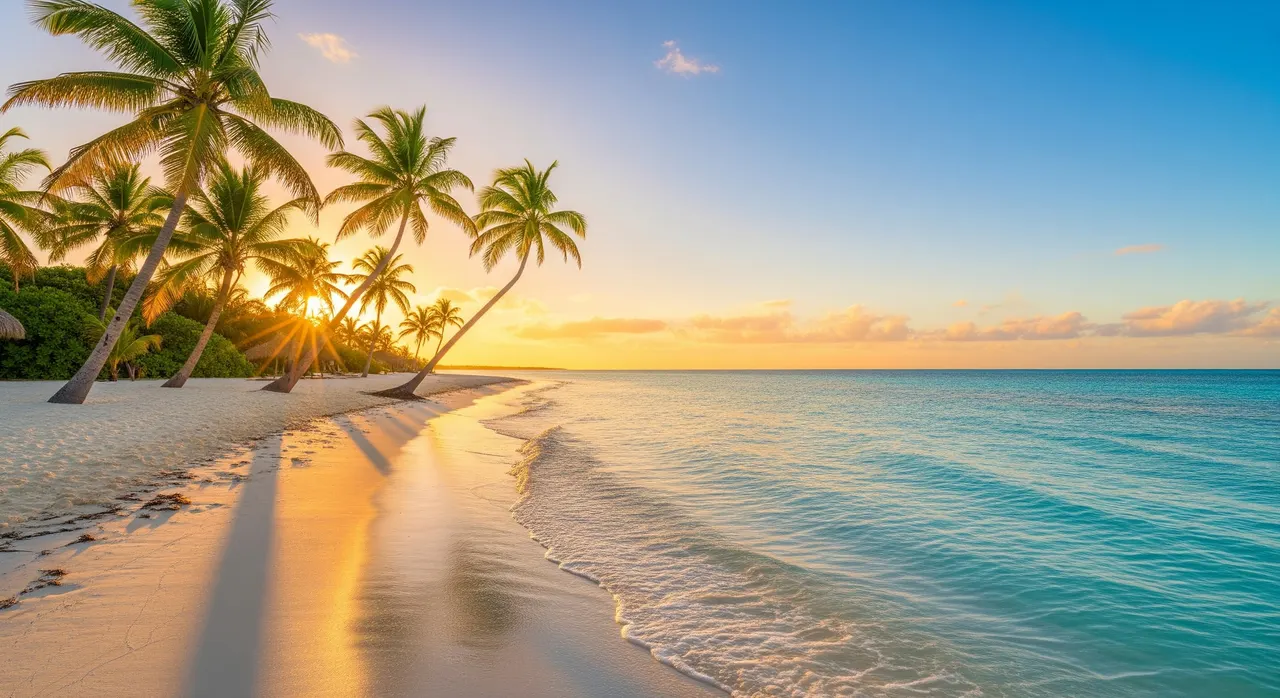
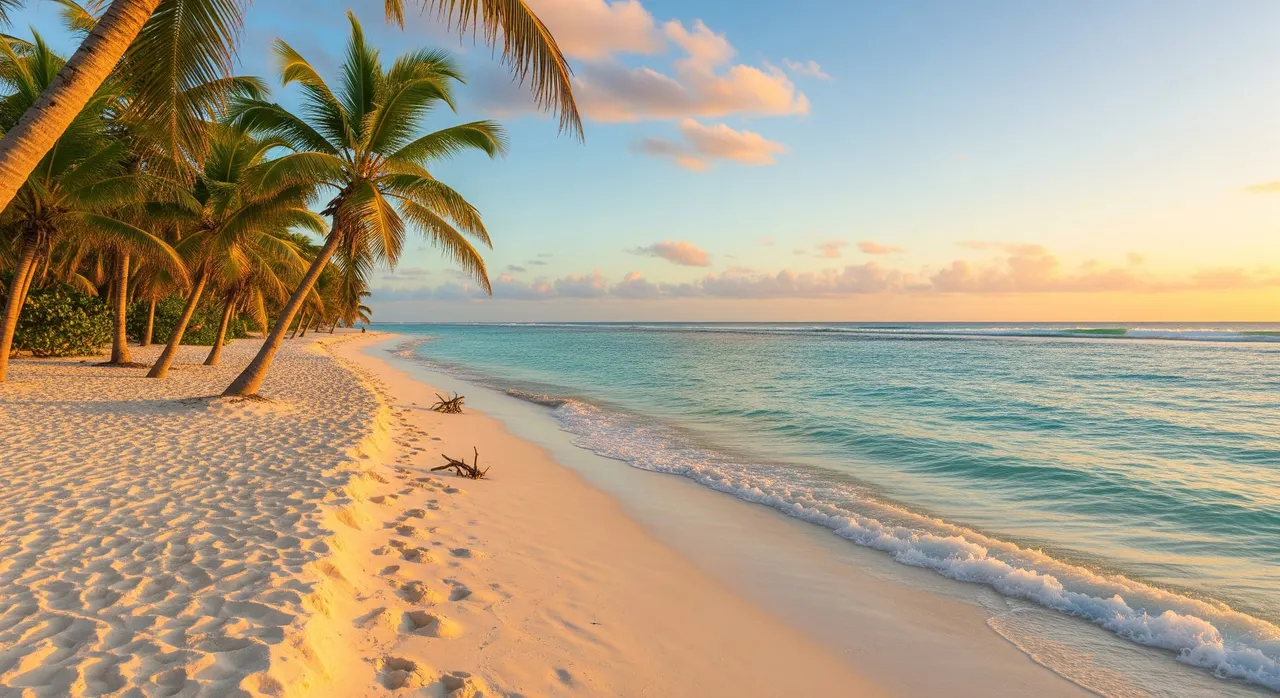
Daily life in Thailand — where Guyanese citizens settle on the DTV
Life in Thailand — your home base on the 5-year DTV
Section 04

Where Guyanese Expats and Nomads Settle

Most Guyanese newcomers gravitate to one of a few hubs, each with a different feel:

  • Bangkok: The capital delivers endless food, nightlife, international hospitals and a true cosmopolitan buzz. Best for those who want energy, convenience and the largest expat network.
  • Chiang Mai: Tucked into the northern hills, this is the classic digital-nomad base, known for low rents, friendly cafes, fast wifi and a relaxed pace that suits long-term work.
  • Phuket and the islands: If turquoise water and a permanent beach lifestyle are the dream, the south delivers, with a growing remote-work crowd in Phuket, Koh Samui and Koh Phangan.
  • Pattaya and Hua Hin: Coastal towns within easy reach of Bangkok, popular with those who want sea air without giving up big-city amenities.
Section 05

Money and Banking from Guyana

Moving money from Guyana to Thailand is straightforward. Services like Wise typically give better rates than a traditional bank wire, though some Guyanese banks can send direct international transfers if you prefer. ATMs are everywhere in Thailand, but foreign cards are charged a fixed fee of about 220 THB per withdrawal on top of your home bank's charges, so it pays to withdraw larger amounts less often. Cards are widely accepted in malls, hotels and restaurants, while street vendors and small shops still run on cash. Once settled, many residents open a Thai bank account for rent and day-to-day spending, keeping their foreign card for backup.

Smart Cash Strategy

Bring clean, newer US dollar bills for the best exchange rate at Thai money changers, which often beat the airport and the ATM. Tell your Guyanese bank you'll be travelling so your card isn't blocked, and keep a small cash buffer for your first few days while you find a money changer near your accommodation.

Section 06

Documents and Translation

Here's a real advantage for Guyanese applicants: English is Guyana's official language, so your bank statements, employment letters, contracts and other supporting documents are generally accepted as they are, with no certified translation required. That saves both time and money compared with applicants from non-English-speaking countries. Make sure everything is recent, clearly legible and supplied as clean PDFs. Our team reviews your full document set before submission, so you'll know it's complete and correctly formatted before anything is filed.

What You'll Typically Provide

A valid Guyanese passport, recent bank statements showing 500,000 THB (~$15,000) in personal funds, proof of your remote work or freelance activity, and a passport photo. Because these are already in English, you usually skip the translation step that slows applicants from other countries down.

Section 07

Daily Life and Community

Thailand delivers on the everyday details. Healthcare is internationally accredited and affordable, internet is genuinely fast with fibre and 5G widely available, and the food culture is world-famous, from fiery som tam to rich massaman curry. Thailand is also one of the safer countries in the region, with low violent crime, so most newcomers feel comfortable out and about even at night in the big cities. For Guyanese used to warm weather and friendly neighbours, the cultural adjustment is gentler than the long flight might suggest.

  • Healthcare: Leading private hospitals such as Bumrungrad and Bangkok Hospital offer excellent care at a fraction of North American prices.
  • Connectivity: 5G mobile and fibre broadband are standard, and coworking spaces are plentiful in Bangkok and Chiang Mai.
  • Food: Street eats are cheap, safe and delicious; basic monthly groceries for one person rarely exceed 6,000 THB ($170).
  • Getting around: Ride-hailing apps like Grab and Bolt work in most cities, and intercity buses and trains are cheap and frequent.
  • Safety: Exercise normal big-city caution; petty theft in tourist zones is the main thing to watch.
Finding Your Crew

The Guyanese community in Thailand is small, but you'll quickly find friendly faces through expat Facebook groups, InterNations meetups and the wider digital-nomad scene in Chiang Mai and Bangkok. Many Guyanese also connect with Caribbean and Commonwealth networks for cultural events and a taste of home.

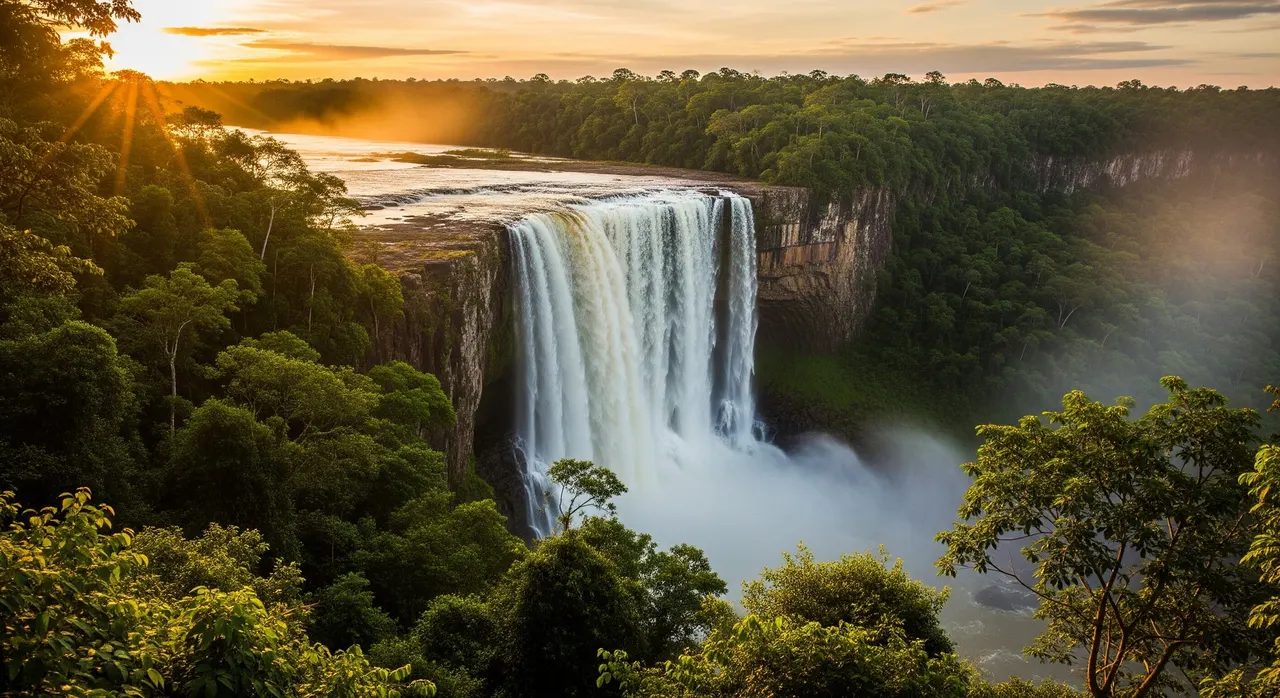
Guyana — your starting point before relocating to ThailandGuyana
From Guyana to Thailand

Make the move from Guyana

Trade Guyana for up to five years in Thailand on the DTV. We prepare and submit your entire application from wherever you are — proof of funds, category evidence and passport — so you can focus on the move, not the paperwork.

Check eligibility
Step by step

How Guyanese citizens apply for the DTV

1

Check you qualify

Almost every nationality can apply. Take our free 60-second eligibility checker to confirm your route — remote work, soft power, medical or family.

2

We prepare everything

We assemble and review your documents: proof of 500,000 THB (~$15,000), your category evidence and passport — so nothing gets rejected.

3

We submit for you

You apply from outside Thailand. We file at a Thai embassy or consulate (such as Hanoi, Ho Chi Minh, Jakarta, Vientiane or London) within one business day.

4

Get approved & move

On approval you get the 5-year, multiple-entry DTV — up to 180 days per stay, extendable once. Then make Thailand home.

Questions

DTV FAQ for Guyanese citizens

How long is the Destination Thailand Visa valid?

The DTV is a 5-year multiple-entry visa. You can stay up to 180 days per entry, and each entry can be extended once for a further 180 days without leaving the country. After that you simply leave and re-enter to start a fresh stay, and you can keep doing this for the full five years.

Can Guyanese citizens apply for the DTV from inside Thailand?

No, the DTV must be applied for from outside Thailand. That's not a problem: our team prepares and submits the entire application on your behalf, so you can apply from Georgetown or anywhere else before you travel. Once approved, you receive your visa ready for entry.

What proof of funds do I need for the DTV?

You need to show proof of at least 500,000 THB (approximately $15,000 USD) in personal funds. This can sit in your Guyanese bank account or another financial institution, and because Guyana's statements are in English they're accepted without translation.

How much does the DTV service cost?

Our professional service starts from $139. With the optional Denial Protection add-on you also get a 100% refund if your application is denied, giving you complete peace of mind before you commit to the move.

Do I need to get my documents translated?

Because English is Guyana's official language, your bank statements, employment records and supporting documents are usually accepted as they are, with no certified translation needed. Just make sure everything is recent, legible and supplied as clean PDFs.

How do I fly to Thailand from Guyana?

There are no direct flights, so you'll connect through a North American hub such as Miami, New York or Toronto and then take a long-haul leg to Bangkok via the Middle East, Asia or Europe. Carriers like Caribbean Airlines and American Airlines feed those hubs, and total travel time is usually around 26–34 hours.

Is the 11-hour time difference hard to manage for remote work?

It takes some adjustment but is very workable. Thailand is 11 hours ahead of Guyana, so many Guyanese nomads use their quiet local mornings for focused work and keep their late evenings free for live calls with clients back in the Americas.

Is there a Guyanese community in Thailand?

It's small but reachable. You can connect with fellow Guyanese and the wider Caribbean and Commonwealth crowd through expat Facebook groups, InterNations meetups and the large digital-nomad communities in Chiang Mai and Bangkok.

Can I bring my family on the DTV?

The DTV includes a dependent option so eligible spouses and children can join the main applicant on linked visas. Tell us about your family when you start, and we'll prepare the dependent applications alongside yours.

What happens if my DTV application is denied?

If you added Denial Protection, you receive a 100% refund of our service fee. We also help you understand the reason and can assist with reapplying. Our whole process is built around getting your application right the first time.

Ready to move to Thailand from Guyana?

Check your eligibility in under a minute, or let our team prepare and submit everything — with a 100% refund if your application is denied (with the optional paid Denial Protection add-on).