Skip to content
Africa

DTV Visa for Ghanaian Citizens

For Ghanaian professionals and remote workers, Thailand offers a rare blend of ancient culture, modern comforts, and a cost of living that lets you stretch your cedis far further than at home. Imagine swapping the heat and traffic of Accra for the cool, leafy highlands of Chiang Mai, or trading Makola Market for Bangkok's endless street-food lanes, all while working online for clients back in West Africa or beyond. With a welcoming international community and the 5-year Destination Thailand Visa (DTV), a flexible base in Southeast Asia is genuinely within reach for Ghanaians.

Every Ghanaian citizen is eligible to apply

5

Years validity

180

Days per entry

500k

THB proof of funds

$139

Service fee from

100%

Refund if denied*

Why Ghanaian citizens choose Thailand

Living in Thailand from Ghana

Section 01

Why Ghanaians Are Moving to Thailand

Thailand has become a magnet for Ghanaians looking for a higher quality of life without a higher price tag. Many day-to-day costs in Thai cities, especially rent and dining out, land below what you would pay in central Accra, so a comfortable apartment, regular travel, and good food feel attainable rather than aspirational. The tropical climate will feel familiar to anyone used to Ghana's coastal humidity, but with far more variety: you can escape the heat in the northern mountains around Chiang Mai or chase the dry season on the southern islands. Add reliable healthcare, fast internet, and one of the world's best-connected regional airports, and it is easy to see why Thailand keeps appearing on Ghanaian relocation shortlists.

  • Rent a modern one-bedroom apartment from roughly 10,000-18,000 THB per month
  • Eat a filling street-food meal for 50-70 THB
  • Access well-equipped private hospitals in Bangkok, Chiang Mai, and Phuket
  • Work on fast fibre and 5G mobile internet across the major cities
  • Reach beaches, mountains, and neighbouring countries on cheap regional flights

The Destination Thailand Visa at a Glance

The DTV is a 5-year, multiple-entry visa. Each entry lets you stay up to 180 days, and that stay can be extended once inside Thailand for a further 180 days. To qualify you show proof of 500,000 THB (about $15,000) in personal funds. You apply from outside Thailand, and we prepare and submit the entire application for you, with service starting from $139.

Section 02

Cost of Living: Thailand vs Ghana

The headline difference for most Ghanaians is housing. A furnished one-bedroom condo with a pool and gym in a good Bangkok or Chiang Mai neighbourhood often runs 10,000-18,000 THB a month, frequently less than an equivalent serviced apartment in East Legon or Cantonments once you factor in the generator, water, and security costs common in Accra. Everyday eating is where Thailand truly wins: a plate of pad krapow or noodles from a street stall costs 50-70 THB, while a sit-down meal at a mid-range restaurant rarely tops 300-400 THB. Local transport is cheap too, with metered taxis, the Bangkok BTS Skytrain, and ride-hailing apps like Grab keeping monthly travel costs low. Imported Western goods and alcohol are the main things that feel pricey, much as imported items do at home.

Rough Monthly Budget for One Person

A single remote worker living comfortably in Chiang Mai or outside central Bangkok can budget around 35,000-55,000 THB a month, covering a modern apartment, eating out most days, local transport, mobile data, and weekend trips. Couples sharing rent often spend proportionally less each. Bangkok's premium districts and Phuket's tourist zones sit at the higher end.

Section 03

Getting to Thailand from Ghana

There are no direct flights between Accra and Bangkok, so every route involves one connection, typically through a Gulf or East African hub. The most common options route through Doha (Qatar Airways), Dubai (Emirates), Addis Ababa (Ethiopian Airlines), or Istanbul (Turkish Airlines). Total journey time from Kotoka International Airport in Accra to Bangkok's Suvarnabhumi Airport usually falls in the 16-22 hour range including the layover, with the flying time alone roughly 6-7 hours to the Gulf and another 6-7 hours onward to Bangkok. Ethiopian's Addis Ababa connection is often the shortest overall hop from West Africa, while the Gulf carriers tend to offer the widest choice of departure times and onward connections within Thailand.

Booking Smarter Flights

Fares from Accra swing widely with season and how far ahead you book. Compare the Gulf hubs against Ethiopian's Addis route, stay flexible by a day or two, and watch for connections that land at Suvarnabhumi in the morning so you arrive rested. If you plan to base yourself in Chiang Mai or Phuket, book the cheap domestic onward leg separately rather than as part of the long-haul ticket.

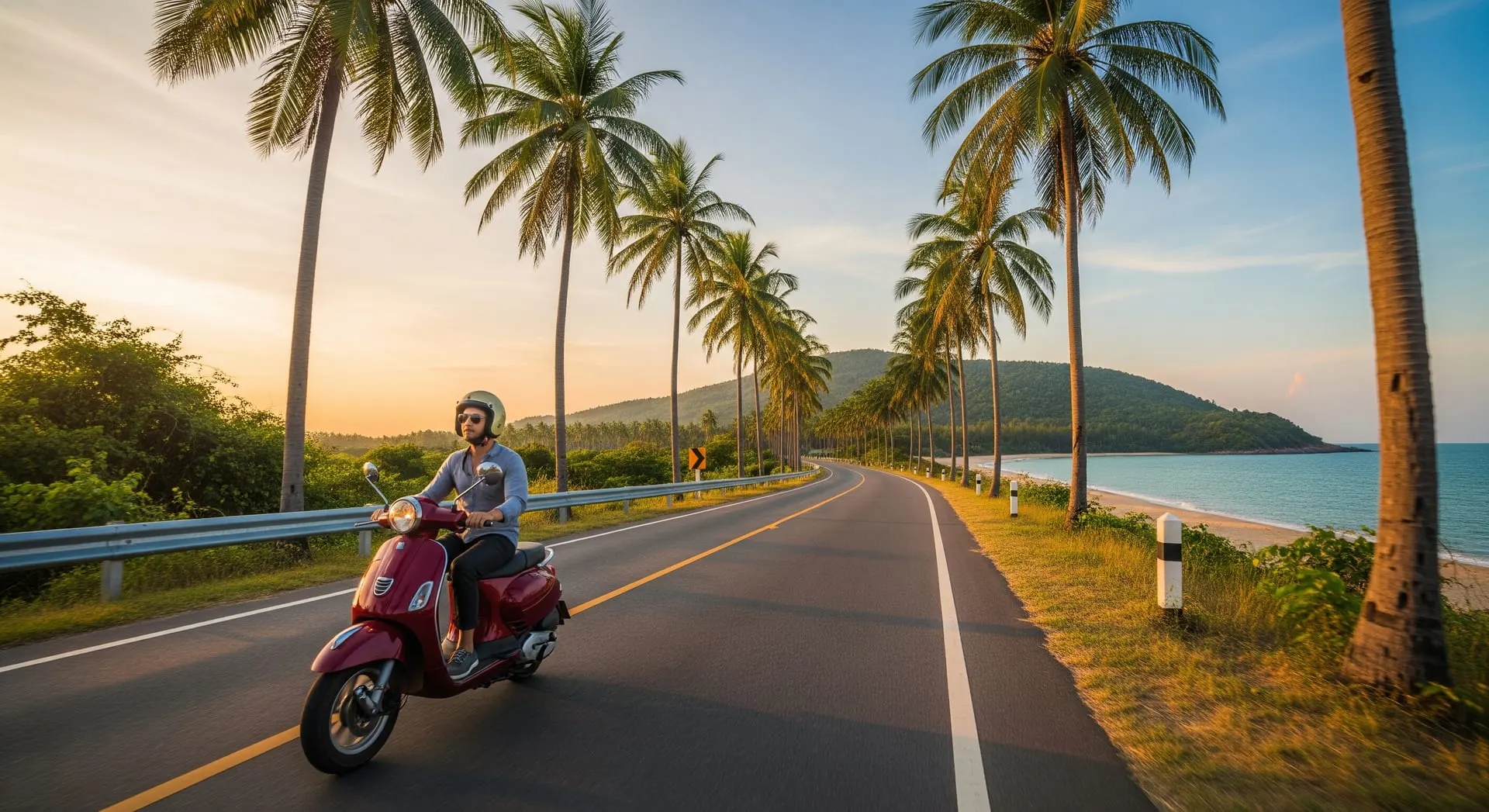
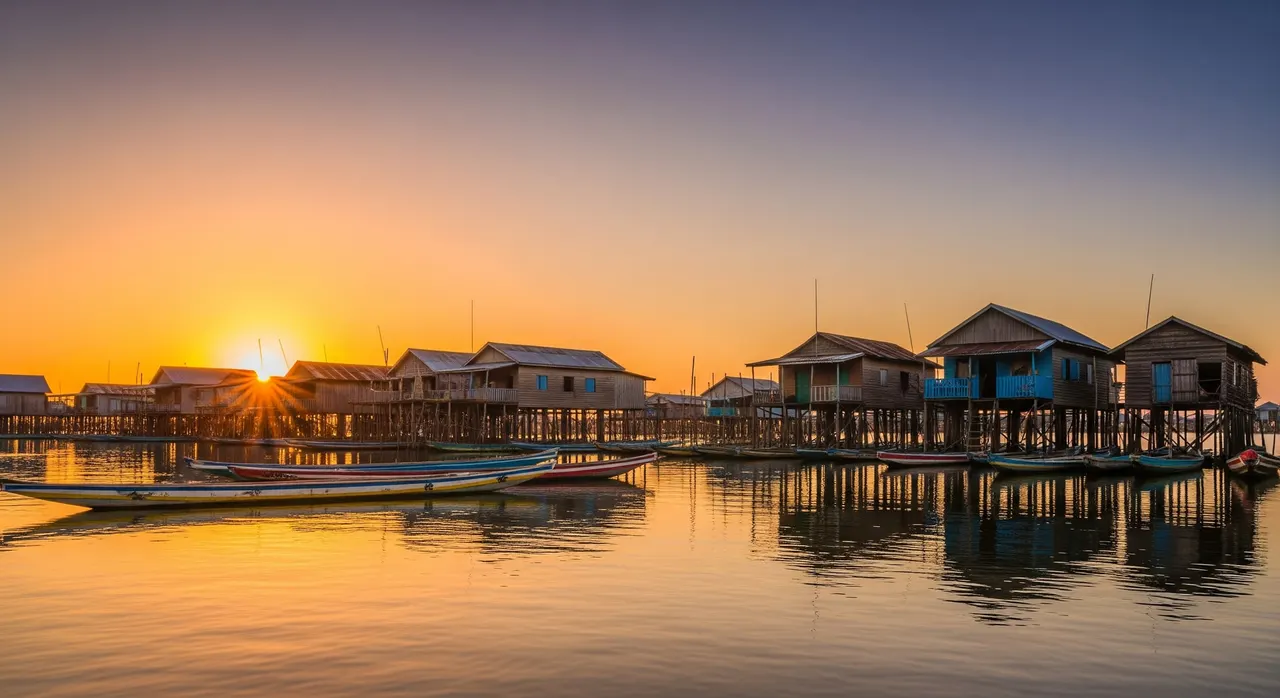
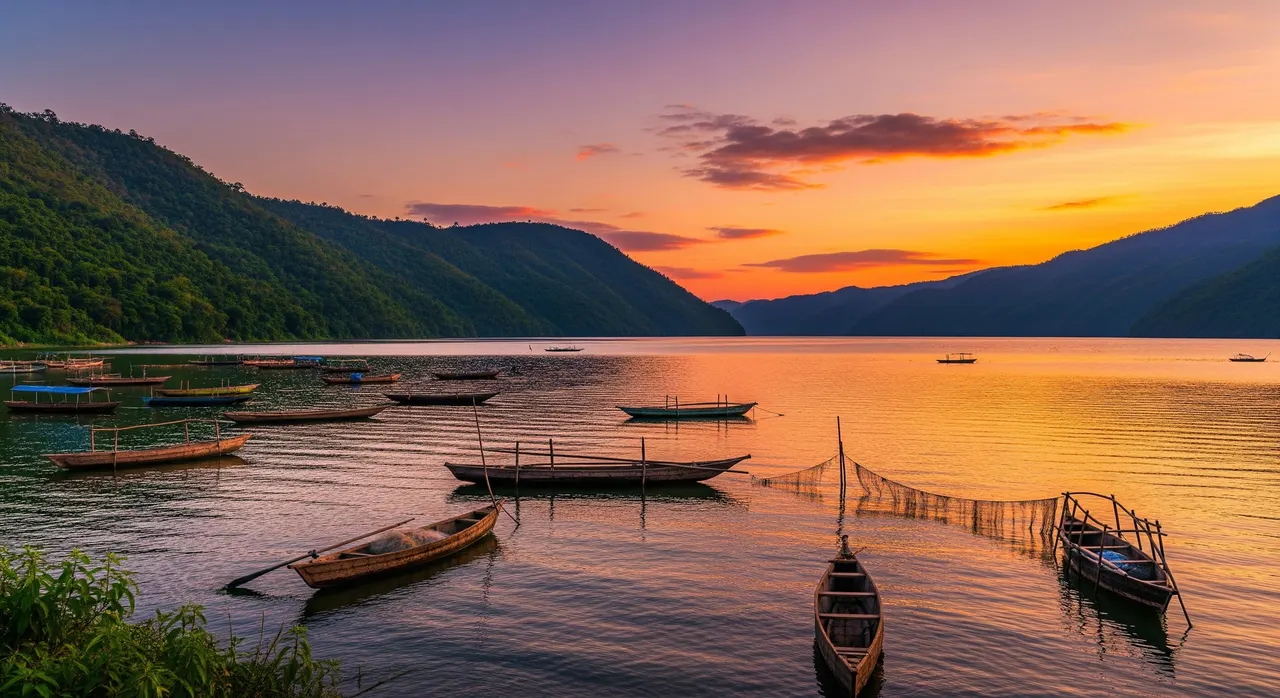
Daily life in Thailand — where Ghanaian citizens settle on the DTV
Life in Thailand — your home base on the 5-year DTV
Section 04

Where Ghanaians Settle in Thailand

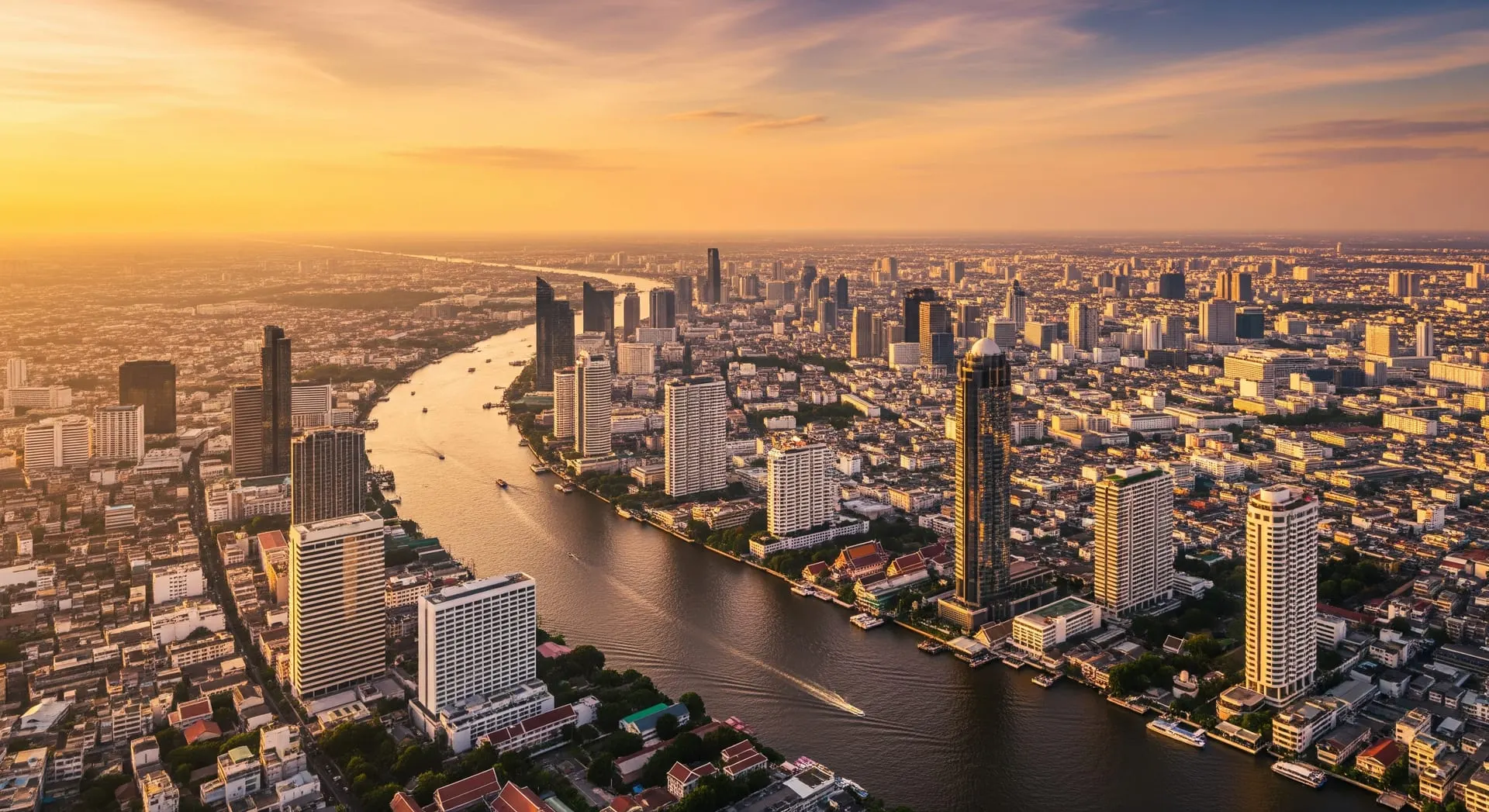
Most newcomers gravitate to one of three hubs. Bangkok pulses with energy and offers the broadest mix of jobs, international schools, hospitals, and a genuine African community, with Nigerian, Ghanaian, and other West African residents concentrated around areas like Pratunam and Huai Khwang. Chiang Mai , in the cooler northern hills, is the digital-nomad favourite, packed with coworking spaces, organic cafes, and a slower, cheaper pace that suits focused remote work. Phuket and nearby islands appeal to those who want beaches, watersports, and a resort lifestyle on the doorstep. Wherever you choose, you will find reliable internet, clean private clinics, and a warm welcome that makes settling in smoother than many expect.

Section 05

Money and Banking

Thailand runs largely on the baht (THB), and while card payments are everywhere in cities, cash still rules at markets and small eateries. Ghanaian debit and credit cards work at Thai ATMs, but local machines typically charge a withdrawal fee of around 220 THB per transaction on top of anything your bank in Ghana adds, so withdrawing larger amounts less often saves money. Many longer-stay residents use multi-currency apps such as Wise or Revolut to move funds and dodge poor exchange rates on cedi-to-baht conversions. Opening a Thai bank account as a DTV holder is possible but can vary by branch; many Ghanaians manage comfortably for months on international cards and transfer apps before pursuing one.

Proving Your Funds

The 500,000 THB (about $15,000) requirement is shown through your own bank statements or financial documents. Keep recent statements tidy and consistent, and make sure the account clearly belongs to you. Our team reviews your paperwork before submission so nothing is missing or ambiguous.

Section 06

Documents and Translation

Ghana's official language is English, which is a real advantage for the DTV. Your bank statements, employment letters, and supporting documents are typically issued in English already, so they are generally accepted as-is without certified translation, unlike applicants from non-English-speaking countries who often need a certified English or Thai version of their financials. That said, every document should be clear, current, and consistent across your application. We tell you exactly which documents are needed, check them against the requirements, and submit the complete file on your behalf so you are not guessing about formatting or completeness.

Section 07

Daily Life and Community

Settling into Thai life as a Ghanaian is easier than many first assume. English is widely understood in tourist and business areas, and learning a few words of Thai goes a long way with locals. The food culture is endlessly social, the cost of an active lifestyle is low, and there is always something to explore, from temples and night markets to islands a short flight away. West African groceries and restaurants exist in Bangkok if you crave jollof or banku, and online communities help newcomers find housing, sort SIM cards, and meet people quickly. The pace can feel relaxed compared with hustling Accra, but that is precisely the appeal for many remote workers building a calmer, more affordable routine.

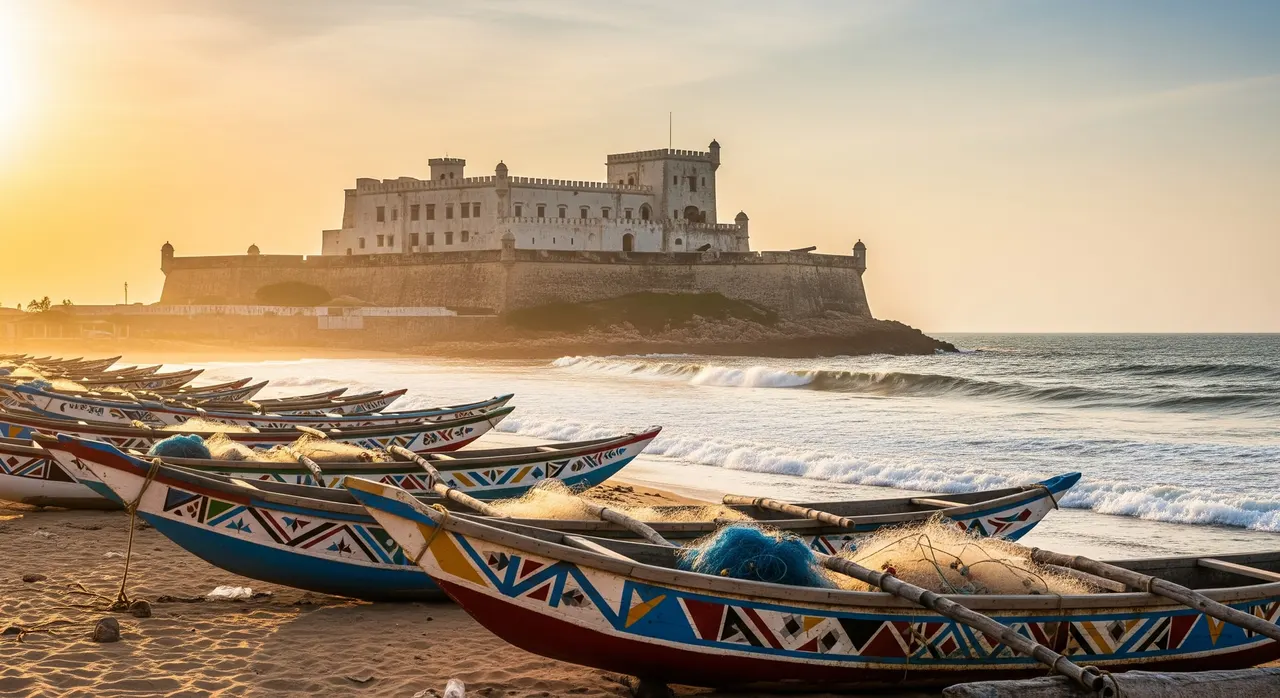
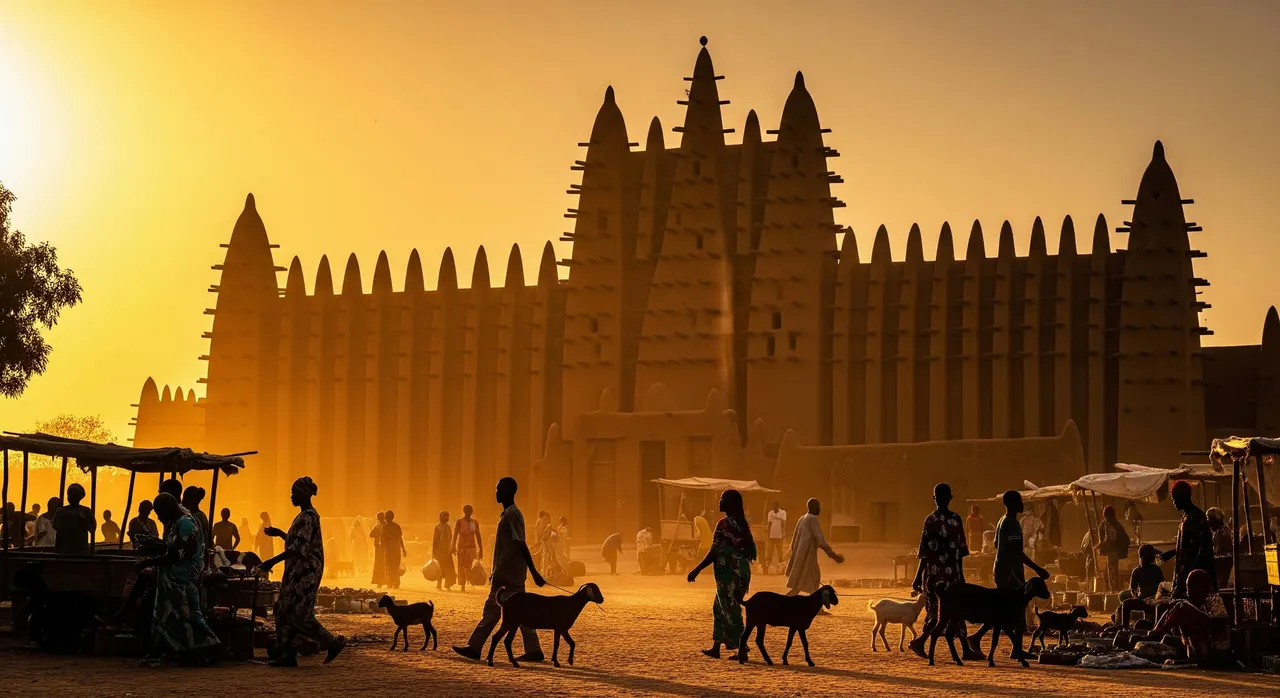
Ghana — your starting point before relocating to ThailandGhana
From Ghana to Thailand

Make the move from Ghana

Trade Ghana for up to five years in Thailand on the DTV. We prepare and submit your entire application from wherever you are — proof of funds, category evidence and passport — so you can focus on the move, not the paperwork.

Check eligibility
Step by step

How Ghanaian citizens apply for the DTV

1

Check you qualify

Almost every nationality can apply. Take our free 60-second eligibility checker to confirm your route — remote work, soft power, medical or family.

2

We prepare everything

We assemble and review your documents: proof of 500,000 THB (~$15,000), your category evidence and passport — so nothing gets rejected.

3

We submit for you

You apply from outside Thailand. We file at a Thai embassy or consulate (such as Hanoi, Ho Chi Minh, Jakarta, Vientiane or London) within one business day.

4

Get approved & move

On approval you get the 5-year, multiple-entry DTV — up to 180 days per stay, extendable once. Then make Thailand home.

Questions

DTV FAQ for Ghanaian citizens

What exactly does the 5-year Destination Thailand Visa offer?

It is a multiple-entry visa valid for 5 years. Each entry lets you stay up to 180 days, and that stay can be extended once inside Thailand for a further 180 days, so you can remain close to a year at a time. You apply from outside Thailand, and we prepare and submit all the paperwork for you, with service starting from $139. If your application is denied, our optional Denial Protection add-on means you receive a 100% refund.

How much money do I need to show to qualify?

You need to prove you hold 500,000 THB (around $15,000) in personal funds. This is shown through your own bank statements or financial documents and demonstrates you can support yourself while living in Thailand. We review everything before submission to make sure your evidence is clear and complete.

Do my Ghanaian bank statements need to be translated?

Because Ghana's official language is English, your bank statements and supporting documents are usually issued in English already and are generally accepted as-is. This spares Ghanaians the certified-translation step that applicants from non-English-speaking countries often face. We still check every document against the requirements before submitting.

Can I work for a company in Ghana while living in Thailand on this visa?

Yes. The DTV is built for remote workers, so you can legally work online for your current Ghanaian employer or run your own internet-based business while based in Thailand. You cannot take a job with a Thai employer on this visa, as that would require a separate Thai work permit.

How does the time difference between Ghana and Thailand affect remote work?

Thailand (UTC+7) is 7 hours ahead of Ghana (UTC+0), so when it is noon in Accra it is 7 PM in Bangkok. If you serve clients in West Africa or Europe, you can handle your core tasks in the morning and early afternoon Thai time and finish by evening, leaving your nights free to explore. Many Ghanaian nomads find this overlap works well.

How do I get from Accra to Thailand?

There are no direct flights, but there are convenient one-stop connections from Kotoka International Airport via Doha, Dubai, Addis Ababa, or Istanbul. Total travel time is usually around 16-22 hours including the layover. Ethiopian Airlines via Addis Ababa is often the shortest overall routing from West Africa, while the Gulf carriers offer the most departure times and onward links within Thailand.

Is there a Ghanaian or West African community in Thailand?

Yes, and it is growing. Bangkok has the largest African presence, with West African residents and businesses concentrated around districts like Pratunam and Huai Khwang, plus active Facebook and WhatsApp groups for newcomers. Phuket and Chiang Mai have smaller but friendly communities. Thailand's large international population means you are never far from people who can help you settle in.

How does the cost of living in Thailand compare to Accra?

For most Ghanaians the biggest savings come from housing and eating out. A modern furnished one-bedroom condo often runs 10,000-18,000 THB a month, and a street-food meal costs 50-70 THB. A single remote worker can live comfortably on roughly 35,000-55,000 THB a month outside the most premium districts. Imported Western goods are the main thing that feels expensive, much like at home.

Can I use my Ghanaian bank cards and access money in Thailand?

Yes. Ghanaian debit and credit cards work at Thai ATMs and card terminals across the cities. Thai ATMs usually charge a withdrawal fee of about 220 THB per transaction, so withdrawing larger amounts less frequently helps. Many residents also use Wise or Revolut to move funds and get better cedi-to-baht rates than at the counter.

Where should I base myself in Thailand?

Bangkok suits those who want the widest choice of work, schools, hospitals, and an established African community. Chiang Mai is the affordable, laid-back favourite for digital nomads and focused remote work. Phuket and the southern islands are best if a beach lifestyle matters most. All three offer fast internet, good private healthcare, and easy onward travel.

Ready to move to Thailand from Ghana?

Check your eligibility in under a minute, or let our team prepare and submit everything — with a 100% refund if your application is denied (with the optional paid Denial Protection add-on).