Skip to content
Europe

DTV Visa for German Citizens
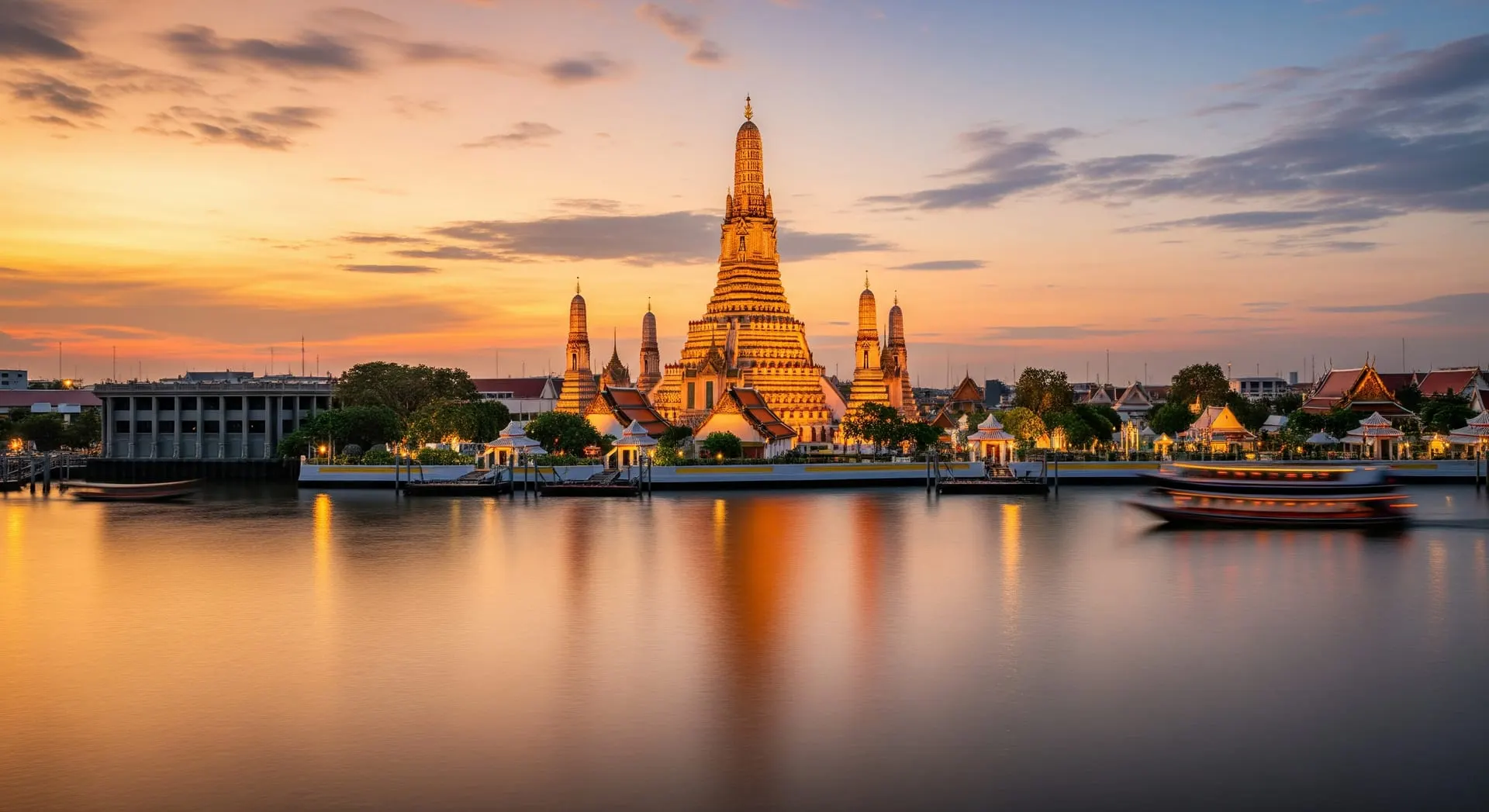
Imagine swapping chilly German winters for year-round tropical warmth without putting your career on hold. For German citizens , the Destination Thailand Visa (DTV) opens the door to a life where your euro stretches further, the culture captivates, and a thriving expat community awaits. Whether you're a freelancer in Berlin, a digital nomad from Munich, or a remote employee in Hamburg, Thailand offers a rare blend of modern infrastructure and tropical adventure on a single five-year visa.

Every German citizen is eligible to apply

5

Years validity

180

Days per entry

500k

THB proof of funds

$139

Service fee from

100%

Refund if denied*

Why German citizens choose Thailand

Living in Thailand from Germany

Section 01

Why German Citizens Are Moving to Thailand

Germans are known for their love of travel and their high standards for quality of life, and Thailand delivers on both. The appeal is clear: trading long, grey winters for a sunny climate, enjoying a far lower cost of living without lowering your standard of living, and embracing a culture that genuinely values rest and hospitality. From freelancers tired of rising Berlin rents to remote employees who simply want more sun, the DTV lets you experience Thailand as more than a tourist.

The visa itself is generous: it is a five-year, multiple-entry visa, so once it is granted you can come and go freely for half a decade. The German work ethic meets Thai serenity here, creating a balance that is hard to find at home. Coworking spaces in Chiang Mai and Bangkok hum with German entrepreneurs, while the islands of the south offer a weekend escape like no other.

The DTV in a Nutshell

The Destination Thailand Visa is a 5-year, multiple-entry visa. Each entry lets you stay up to 180 days, and you can extend that once for another 180 days, so nearly a full year at a time. You apply from outside Thailand, and our team prepares and submits the whole application for you. Service starts from $139.

Section 02

Cost of Living: Germany vs. Thailand

The financial advantages are striking. In Germany, a one-bedroom apartment in a city centre can easily cost €800–1,200 per month; in Thailand, you can rent a modern, fully furnished condo in a prime location for roughly €300–500. Dining is where the gap really shows. A meal at a mid-range restaurant in Berlin might set you back €15–25 per person, while a delicious local dish from a Thai street stall costs around €1.50–2.50, and even a Western-style dinner rarely exceeds €5–10.

Coworking memberships in Germany average €150–300 monthly; in Chiang Mai or Bangkok you will pay €30–80 for a hot-desk pass with excellent facilities. Public transport is efficient and cheap too: a single BTS Skytrain ride in Bangkok costs about €0.50–1.70, far less than a comparable trip in Munich. Your euro simply buys more, letting you save, invest, or upgrade your lifestyle on the same budget.

What You Can Get for Under €10 in Thailand

A hearty pad Thai from a street vendor: €1.50. A one-hour Thai massage: €5–8. A month of unlimited mobile data: €6–10. A fresh coconut on the beach: €0.50. Your everyday spending in Thailand can rival the price of a single coffee in Stuttgart.

Section 03

Getting to Thailand from Germany

Direct flights from major German hubs such as Frankfurt and Munich to Bangkok take around 10–11 hours, making the journey surprisingly manageable. Thai Airways and Lufthansa run non-stop services, while one-stop connections via the Gulf hubs of Dubai, Doha and Abu Dhabi are plentiful and often cheaper. You will usually arrive at Suvarnabhumi Airport (BKK), Bangkok's main international gateway.

The time zone matters for remote workers: Thailand runs on Indochina Time (ICT, UTC+7), which is 5–6 hours ahead of Germany (CET in winter, CEST in summer). When it is 9:00 in Berlin, it is already 14:00 or 15:00 in Bangkok. Many German nomads use this gap to enjoy a relaxed morning, explore, and then start work as colleagues back home come online, or simply structure their day to overlap a few core hours.

Travel Tip for Long-Haul Flights

Book a flight that lands in Bangkok in the late morning or early afternoon. This helps you adjust to the time difference faster and gives you daylight to reach your accommodation safely. Lufthansa, Thai Airways and the major Gulf carriers all offer strong connections from Germany.

Daily life in Thailand — where German citizens settle on the DTV
Life in Thailand — your home base on the 5-year DTV
Section 04

Where German Expats and Nomads Settle in Thailand

  • Bangkok: The bustling capital is a magnet for urban professionals. Areas like Sukhumvit and Silom are packed with coworking spaces, international restaurants and lively nightlife, and the BTS Skytrain makes commuting a breeze.
  • Chiang Mai: Tucked into the northern mountains, it is a haven for digital nomads and creatives. The relaxed pace, low costs and strong expat community remind many Germans of a tropical Heidelberg, only without the cold.
  • Phuket: If you crave island life, Phuket offers stunning beaches, accommodation ranging from luxury villas to simple bungalows, and a well-established German community around Rawai and Nai Harn.
  • Koh Samui and Koh Phangan: These southern islands draw those seeking a laid-back lifestyle. Koh Phangan is famous for its wellness and yoga scene, perfect for recharging away from the corporate world.
  • Hua Hin: A quieter coastal town popular with families and older expats, known for clean beaches and a calm atmosphere, often compared to a German Kurort but with year-round sun.
Section 05

Money and Banking from Germany

Transferring funds from your German bank account to Thailand is straightforward. Many expats use international services like Wise or Revolut for competitive exchange rates and lower costs than traditional banks. Opening a local Thai bank account is possible on a long-term visa and makes everyday transactions easier, though cash is still widely used across the country.

For the visa, you simply need to show proof of 500,000 THB (around $15,000) in personal funds, typically via a recent bank statement. ATMs are everywhere, but they charge roughly 220 THB (about €6) per withdrawal for foreign cards, so it is smarter to withdraw larger amounts less often. Credit cards are accepted in malls and upscale venues, while local markets and street vendors prefer cash, so always keep some baht on hand.

Section 06

Documents and Translation for German Citizens

Because the official language of Germany is German, supporting documents such as bank statements or employment letters will likely need to be accompanied by a certified English (or Thai) translation, since Thai authorities work in English and Thai. It is a small extra step, and many certified translation services in Germany and online handle it quickly and affordably. The good news is that you do not have to manage the paperwork alone: you apply from outside Thailand and our team prepares and submits the full application for you, so you know exactly which documents are needed and how they should be presented.

Keep Your Paperwork Tidy

Scan everything before you leave Germany. Keep clear PDF copies of your passport, bank statements and any certified translations in cloud storage so you can supply or re-send a document instantly from anywhere, even from a beach café in Krabi.

Section 07

Daily Life and the German Community in Thailand

Healthcare in Thailand is excellent and affordable. Private hospitals in Bangkok and Chiang Mai rival those in Europe, and many doctors speak English. Comprehensive health insurance is recommended but costs a fraction of what you would pay in Germany. Internet connectivity is outstanding too, with high-speed fibre widely available and reliable 4G and 5G mobile networks, both essential for remote work.

You will never feel too far from home. German bakeries, restaurants and the Stammtisch tradition can be found across the main expat hubs. In Bangkok the Goethe-Institut hosts cultural events, and German-language community groups keep people connected. Safety is generally high and violent crime rare, though normal big-city precautions still apply. The community is welcoming, and you will quickly make friends through Facebook groups like "Germans in Thailand" or at regular meet-ups.

German Footprint in Thailand

Thailand hosts an estimated 30,000–50,000 German expats and long-term visitors. The German Embassy in Bangkok is one of the largest in Southeast Asia, reflecting strong ties between the two countries, and many German firms operate locally, creating real networking opportunities.

Germany — your starting point before relocating to ThailandGermany
From Germany to Thailand

Make the move from Germany

Trade Germany for up to five years in Thailand on the DTV. We prepare and submit your entire application from wherever you are — proof of funds, category evidence and passport — so you can focus on the move, not the paperwork.

Check eligibility
Step by step

How German citizens apply for the DTV

1

Check you qualify

Almost every nationality can apply. Take our free 60-second eligibility checker to confirm your route — remote work, soft power, medical or family.

2

We prepare everything

We assemble and review your documents: proof of 500,000 THB (~$15,000), your category evidence and passport — so nothing gets rejected.

3

We submit for you

You apply from outside Thailand. We file at a Thai embassy or consulate (such as Hanoi, Ho Chi Minh, Jakarta, Vientiane or London) within one business day.

4

Get approved & move

On approval you get the 5-year, multiple-entry DTV — up to 180 days per stay, extendable once. Then make Thailand home.

Questions

DTV FAQ for German citizens

How long is the Destination Thailand Visa valid for German citizens?

The DTV is a 5-year, multiple-entry visa. Once granted, you can enter and leave Thailand as often as you like for five years, with each stay lasting up to 180 days.

Can German citizens apply for the DTV from within Thailand?

No. German citizens must apply for the Destination Thailand Visa from outside Thailand. Our team handles the entire preparation and submission, making sure your application is complete before you travel.

How long can I stay in Thailand per entry with the DTV?

You can stay up to 180 days per entry, and you can extend that once for an additional 180 days, allowing continuous stays of nearly a year at a time while the 5-year visa remains valid.

How much financial proof do I need as a German citizen?

You need to show proof of 500,000 THB (approximately $15,000) in personal funds, typically through a bank statement, to satisfy the visa requirement.

Is the time difference between Germany and Thailand manageable for remote work?

Yes. Thailand is 5–6 hours ahead of Germany depending on daylight saving, so you can enjoy your mornings and then work when German business hours begin. Many people find this creates a productive afternoon and evening workflow with free mornings.

How long does it take to fly from Germany to Thailand?

Non-stop flights from Frankfurt or Munich to Bangkok take roughly 10–11 hours. One-stop routes via Gulf hubs like Dubai, Doha or Abu Dhabi take longer but are often cheaper, so it is worth comparing both.

Will my German-language documents be accepted for the DTV application?

Thai authorities work in English and Thai, so German-language documents such as bank statements will likely need a certified English or Thai translation. We will tell you exactly what is needed and help you prepare it.

Can I open a Thai bank account as a German on the DTV?

Yes, holding a long-term visa like the DTV makes it possible to open a local Thai bank account, which simplifies everyday payments. In the meantime, services like Wise or Revolut work well for moving euros to Thailand.

What if my DTV application is denied?

With our optional Denial Protection add-on, you receive a 100% refund if your visa is not approved. It gives you complete peace of mind throughout the process.

How much does your DTV preparation service cost for German citizens?

Our service starts from $139 and covers everything from document checks to final submission, so you have expert support from start to finish.

Where you apply

The Thai mission for Germany

You submit the DTV online via the Thai e-Visa portal — but the office below covers applicants in Germany and may review your file.

Ready to move to Thailand from Germany?

Check your eligibility in under a minute, or let our team prepare and submit everything — with a 100% refund if your application is denied (with the optional paid Denial Protection add-on).