Skip to content
Africa

DTV Visa for Gambian Citizens
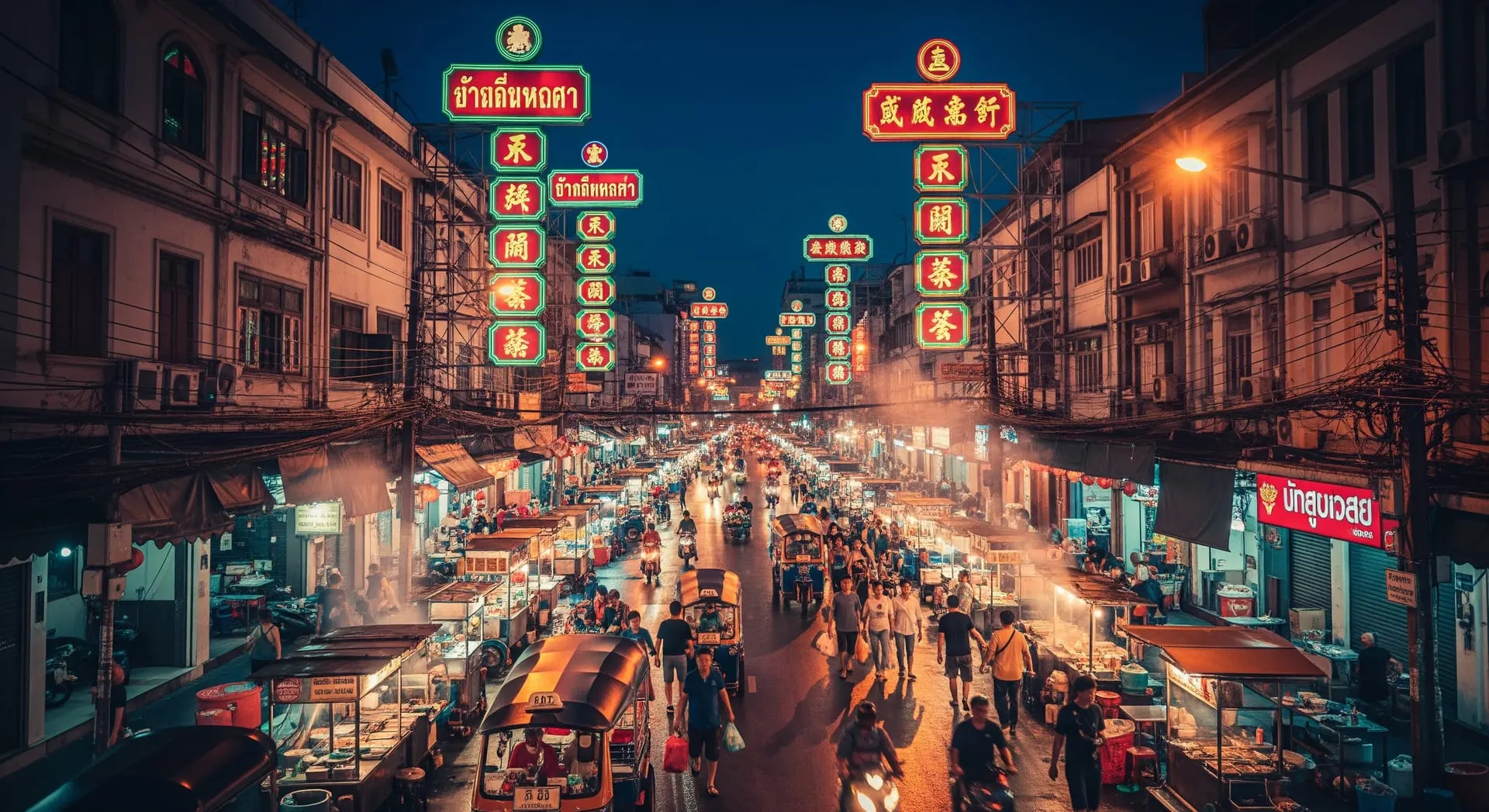
For ambitious Gambians who want tropical living paired with modern opportunity, Thailand has become a genuinely realistic move. From Banjul to Bangkok, a growing number of Gambians are trading the Atlantic shores of the Smiling Coast for the Land of Smiles, drawn by a five-year flexible visa, a vibrant culture, and a cost of living that lets you live well while still saving. Whether you are a remote worker, a digital entrepreneur, or simply ready for a fresh start, the Destination Thailand Visa (DTV) opens the door to Southeast Asia, and our team prepares and submits the whole application for you from $139 while you stay home in The Gambia.

Every Gambian citizen is eligible to apply

5

Years validity

180

Days per entry

500k

THB proof of funds

$139

Service fee from

100%

Refund if denied*

Why Gambian citizens choose Thailand

Living in Thailand from Gambia

Section 01

Why Gambians Are Moving to Thailand

Lifestyle and climate: The Gambia knows heat, humidity, and a long dry season swept by the harmattan, so Thailand's tropical climate will feel familiar rather than foreign. What it adds is variety: cool, green mountains around Chiang Mai, world-famous beaches in Phuket and Krabi, and the round-the-clock energy of Bangkok. For many Gambians the real draw is the blend of affordable comfort and modern infrastructure: fast internet almost everywhere, internationally accredited hospitals, reliable electricity, and a street-food scene that rewards a tight budget.

Stability and a long horizon: The DTV is a five-year, multiple-entry visa, so you are not stuck on the short tourist stamps that used to make a longer stay so stressful. You can base yourself in Thailand, travel the region, and return without losing your status. For a remote worker or freelancer leaving Kanifing or Serrekunda, that five-year runway is what turns a holiday idea into a real relocation plan.

Section 02

Cost of Living: Stretching Your Dalasi Further in Thailand

The Gambian dalasi does not travel far against most hard currencies, which is exactly why Thailand feels generous. Day-to-day spending is dominated by cheap, excellent food: a plate of rice with chicken or a bowl of noodles from a street vendor runs about 50 to 70 THB (roughly $1.50 to $2), and a sit-down meal at a casual local restaurant rarely tops 150 THB. A modern studio in Chiang Mai with a pool and gym can be found from around 8,000 to 12,000 THB a month, while a comparable furnished condo in central Bangkok sits closer to 15,000 to 25,000 THB. Set that against the Greater Banjul Area, where decent furnished housing, a generator for the power cuts, and imported goods quickly add up, and your money simply does more in Thailand.

Budget Comparison Snapshot

A comfortable monthly budget for one person in Chiang Mai, covering a modern studio, eating out daily, a coworking desk, and transport, often lands between $600 and $900. Reaching the same standard of living in the Greater Banjul Area typically costs noticeably more once you factor in imported goods, fuel for backup power, and reliable internet.

Section 03

Getting to Thailand from The Gambia: Flights and Time Zones

There are no direct flights between The Gambia and Thailand, so every journey from Banjul International Airport (BJL) to Bangkok's Suvarnabhumi (BKK) runs through a hub. The most practical routings connect via the Gulf carriers or North Africa: Banjul to Casablanca, Dubai, Doha, or Istanbul, then onward to Bangkok. Many Gambians first hop to Dakar or take a connection through a European hub such as Brussels or London. Expect total travel time of roughly 18 to 26 hours depending on the layover, with the smoothest single-stop options usually coming through Istanbul or the Gulf. It is a long trip, but you only make it occasionally, since the DTV lets you stay up to 180 days at a time.

Remote Work Advantage

Thailand runs 7 hours ahead of The Gambia (ICT is GMT+7; The Gambia keeps GMT all year). An early start in Banjul overlaps neatly with a Thai afternoon, so you can wrap up calls with West African or European clients and still have the rest of the day to enjoy Thailand. The gap is large enough to make asynchronous work comfortable rather than disruptive.

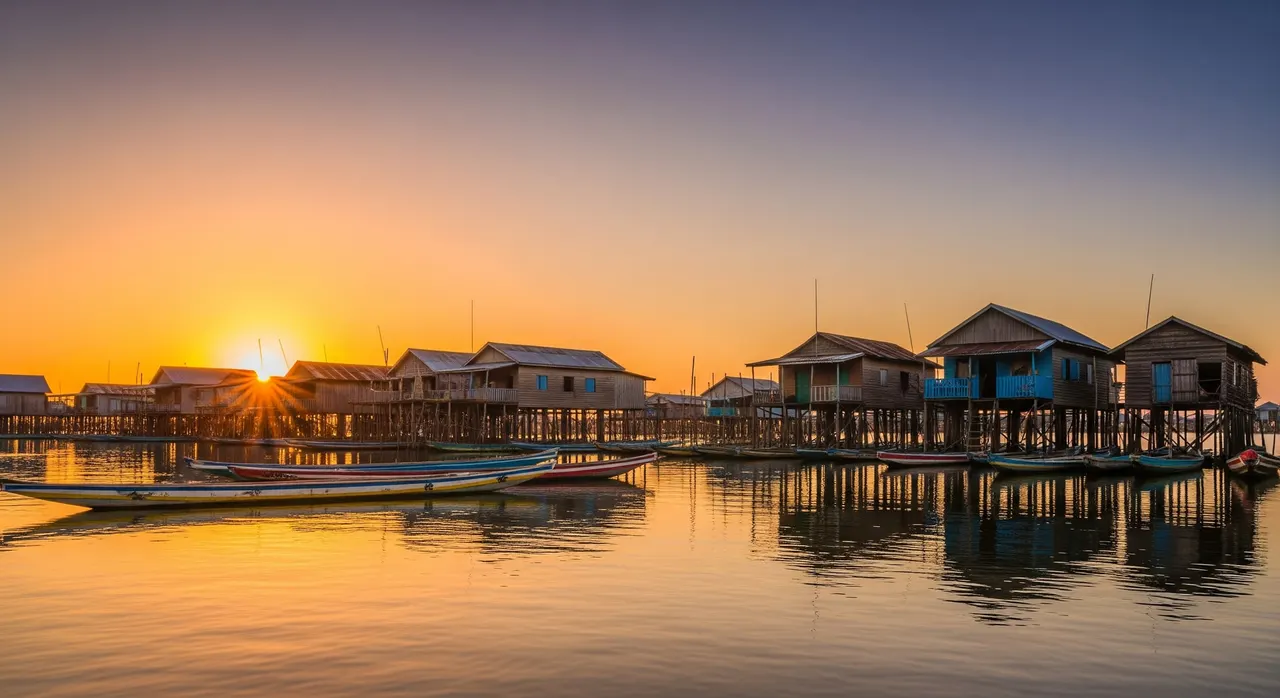
Daily life in Thailand — where Gambian citizens settle on the DTV
Life in Thailand — your home base on the 5-year DTV
Section 04

Where Gambian Expats and Nomads Settle in Thailand

  • Bangkok: The capital for those who want city energy, international cuisine, the biggest job and networking scene, and the easiest onward flights back toward West Africa.
  • Chiang Mai: Thailand's digital-nomad heartland, loved for its low costs, mountain temples, friendly cafe-and-coworking culture, and large established expat community.
  • Phuket and Koh Samui: Island bases for beach lovers who still need fast, reliable internet and an international standard of living.
  • Pattaya: A coastal city with a big, mixed expat population and a quick two-hour drive back to Bangkok and its airport.
  • Hua Hin: A calmer seaside town popular with families and longer-stay residents who want the beach without the party crowd.
Section 05

Banking, Money Transfers and Spending for Gambians

Moving money from The Gambia to Thailand is most easily done through international transfer services such as Wise, Remitly, or WorldRemit, which usually beat the rates on direct wires from local banks like GTBank, Trust Bank, or Access Bank. Many Gambians fund their stay from a dalasi or US-dollar account at first and open a Thai bank account once they have settled, which makes paying rent and bills far simpler. ATMs are everywhere in Thai cities and accept international cards, though local machines charge a withdrawal fee of about 220 THB per transaction, so it pays to draw larger amounts less often. Cards work in malls, supermarkets, and hotels, but cash is still king at street stalls, fresh markets, and in smaller towns, so keep some baht on hand.

Section 06

Documents and Translation: What Gambians Need to Know

The core of a DTV application is straightforward: a passport valid for the duration of your stay, recent passport-style photos, and clear proof that you hold at least 500,000 THB (about $15,000) in personal funds, usually shown through bank statements or a fixed deposit. You also include simple evidence of why you qualify, such as a remote-work contract, proof of freelance clients, or your business details. Because you apply from outside Thailand, our team reviews every document first, arranges it correctly, and submits the application on your behalf, so you are not navigating an unfamiliar process alone.

English Advantage

English is the official language of The Gambia, so your bank statements, employment or client letters, and other supporting documents are generally accepted in English without a certified translation. That removes a common cost and delay that applicants from non-English-speaking countries often face, and it keeps your DTV paperwork simple.

Section 07

Daily Life and Community for Gambians in Thailand

  • Healthcare: Thailand's private hospitals are internationally accredited and far cheaper than equivalent care in Europe or North America, with English-speaking doctors and short waiting times.
  • Internet and connectivity: Widespread fiber broadband and strong 4G/5G mean stable video calls whether you are in a Bangkok condo or a Koh Phangan beach cafe, a real upgrade for anyone used to patchy West African connections.
  • Food and faith: Thai cuisine is endlessly varied, and Bangkok and Chiang Mai both have established halal restaurants, mosques, and Muslim neighbourhoods, so observant Gambians can eat and worship comfortably.
  • Community: The Gambian and broader West African community in Thailand is small but friendly, gathering through Facebook and WhatsApp groups, football meet-ups, and African restaurants in Bangkok where you can find familiar flavours close to domoda or benachin.
  • Safety: Thailand is consistently rated among the safer destinations in the region for solo travellers and families, with low rates of violent crime and a culture that values calm and courtesy.
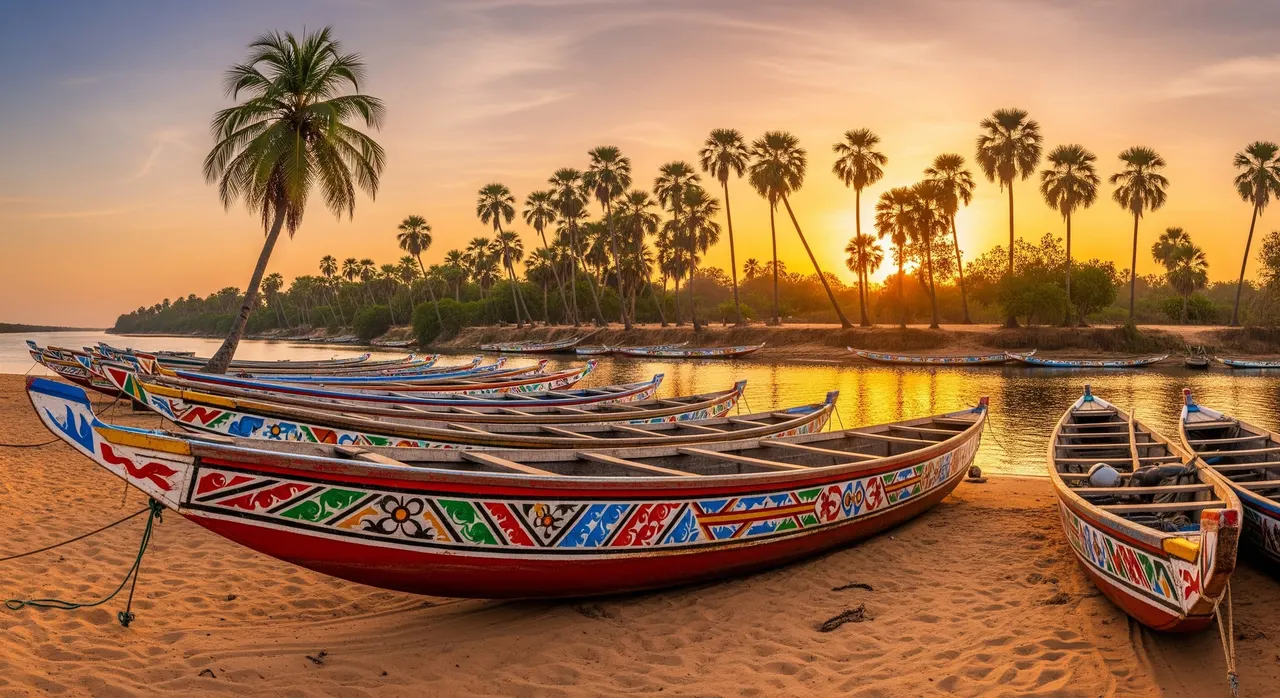
Gambia — your starting point before relocating to ThailandGambia
From Gambia to Thailand

Make the move from Gambia

Trade Gambia for up to five years in Thailand on the DTV. We prepare and submit your entire application from wherever you are — proof of funds, category evidence and passport — so you can focus on the move, not the paperwork.

Check eligibility
Step by step

How Gambian citizens apply for the DTV

1

Check you qualify

Almost every nationality can apply. Take our free 60-second eligibility checker to confirm your route — remote work, soft power, medical or family.

2

We prepare everything

We assemble and review your documents: proof of 500,000 THB (~$15,000), your category evidence and passport — so nothing gets rejected.

3

We submit for you

You apply from outside Thailand. We file at a Thai embassy or consulate (such as Hanoi, Ho Chi Minh, Jakarta, Vientiane or London) within one business day.

4

Get approved & move

On approval you get the 5-year, multiple-entry DTV — up to 180 days per stay, extendable once. Then make Thailand home.

Questions

DTV FAQ for Gambian citizens

What exactly is the Destination Thailand Visa (DTV) and how long does it last?

The DTV is a multiple-entry visa valid for five years. Each entry lets you stay in Thailand for up to 180 days, and you can extend that once per entry for another 180 days at a local immigration office, so a single entry can cover close to a full year before you need to leave and re-enter.

As a Gambian citizen, what financial proof do I need for the DTV?

You need to show at least 500,000 THB (approximately $15,000) in personal funds, typically as a bank balance or fixed deposit. The equivalent amount in dalasi, US dollars, or another currency is fine, and it can sit in a Gambian or international account. It is there to demonstrate that you can support yourself in Thailand.

Can I work in Thailand on this visa?

Yes. The DTV is designed for remote work, so you can work for employers or clients based outside Thailand, run your own online business, or freelance. What it does not allow is taking a local job with a Thai company, which still requires a separate work permit. For most digital nomads and remote professionals, that is exactly the right fit.

How do I apply for the DTV from The Gambia?

You apply from outside Thailand, and our service handles the heavy lifting: we review and prepare your documents, complete the application, and submit everything for you. The service starts from $139, and you can add optional Denial Protection that guarantees a 100% refund of our service fee if your application is rejected.

Are there direct flights from The Gambia to Thailand?

No, there are no direct flights. The usual routes from Banjul (BJL) to Bangkok (BKK) involve one or two stops through hubs such as Casablanca, Dubai, Doha, or Istanbul, sometimes with an initial hop via Dakar or a European city. Total travel time generally runs from about 18 to 26 hours depending on the connection.

What is the time difference between The Gambia and Thailand, and does it affect remote work?

Thailand is 7 hours ahead of The Gambia (GMT+7 versus GMT, with no daylight saving on either side). Your Banjul morning lines up with a Thai afternoon, which is convenient for scheduling calls with West African or European clients while still leaving most of the Thai day free. It is a comfortable gap for asynchronous work.

How much cheaper is the cost of living in Thailand compared to The Gambia?

Most Gambians find their money goes much further. A tasty local meal can cost just 50 to 70 THB (around $1.50 to $2), and a modern studio with a pool and gym in Chiang Mai often starts near 8,000 to 12,000 THB a month. Once you account for imported goods, backup power, and reliable internet in the Greater Banjul Area, comparable comfort in Thailand usually costs less.

Do my Gambian documents need to be translated for the DTV?

Usually not. English is The Gambia's official language, so bank statements, work or client letters, and other supporting papers are generally accepted in English as they are. That saves you the certified-translation step and the cost that applicants from non-English-speaking countries often have to manage.

Is there a Gambian community in Thailand?

Yes, though it is modest in size. Gambians and other West Africans connect mainly through Facebook groups, WhatsApp chats, football meet-ups, and African restaurants in Bangkok, with Chiang Mai also hosting a friendly mix of long-stay expats. It is small enough to feel personal and welcoming when you arrive.

Can I bring my family with me on the DTV?

Yes. Your spouse and children under 20 can apply for dependent DTVs linked to your application, so the whole family can live in Thailand together under the same five-year framework. We can prepare and submit the dependents' applications alongside yours to keep the process simple.

What is the Denial Protection add-on?

Denial Protection is an optional extra you can add to your service. If you include it and your DTV application is rejected, we refund 100% of our service fee, so there is no financial downside to applying. It is a straightforward way to apply with complete peace of mind.

Ready to move to Thailand from Gambia?

Check your eligibility in under a minute, or let our team prepare and submit everything — with a 100% refund if your application is denied (with the optional paid Denial Protection add-on).