Skip to content
Europe

DTV Visa for French Citizens
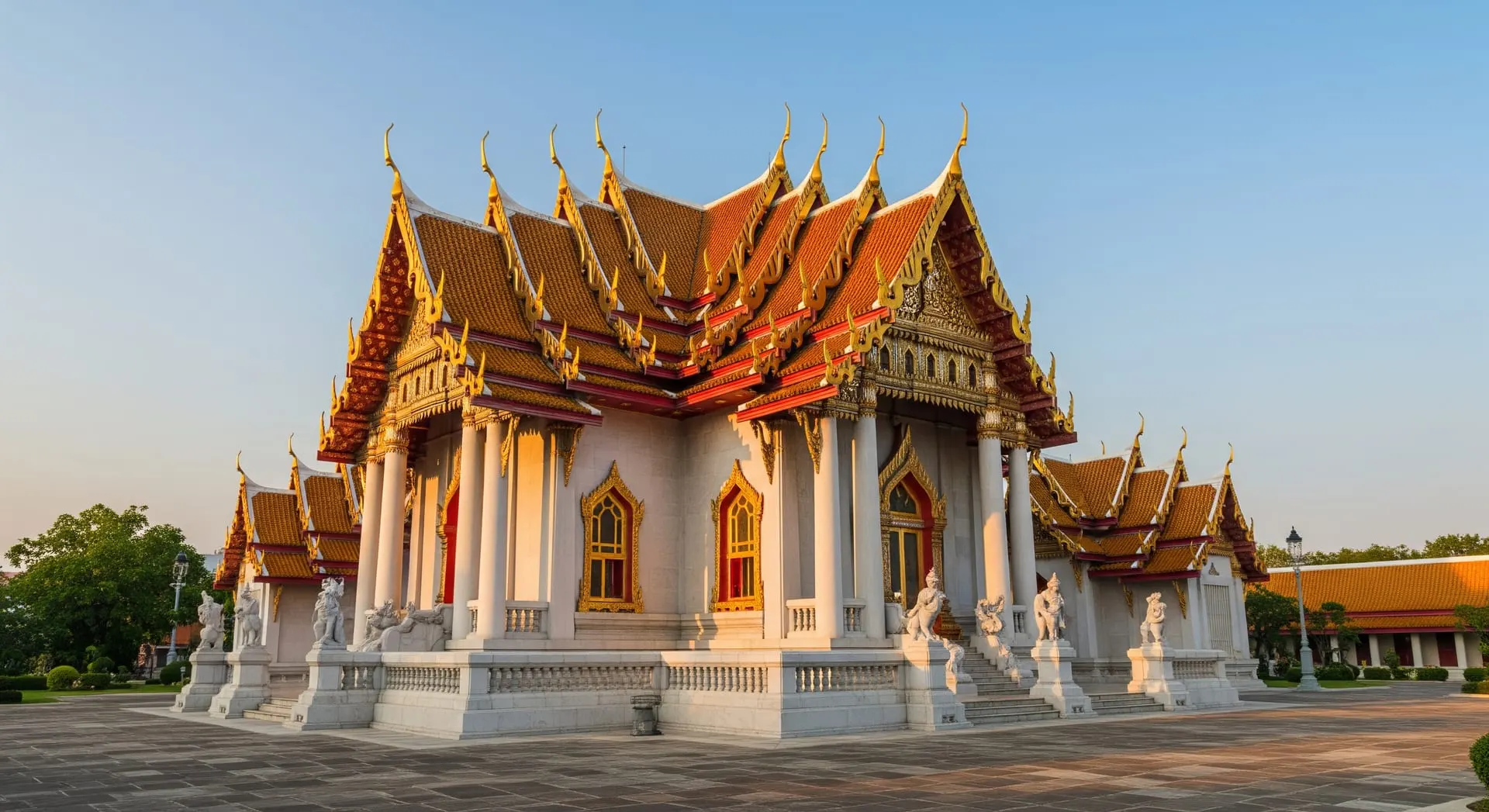
For French citizens dreaming of a life that blends rich culture with tropical beaches, Thailand is one of the most rewarding places to relocate. The Destination Thailand Visa (DTV) is a 5-year, multiple-entry visa that lets you live, work remotely, and travel across the Land of Smiles without endless border runs. Whether you are escaping the grey Parisian winter, stretching a freelance income further than you ever could in Lyon, or simply craving warmth, temples and street markets, the DTV opens the door. You apply from outside Thailand and keep your French roots firmly in place, while building a new rhythm in Bangkok, Chiang Mai or Phuket.

Every French citizen is eligible to apply

5

Years validity

180

Days per entry

500k

THB proof of funds

$139

Service fee from

100%

Refund if denied*

Why French citizens choose Thailand

Living in Thailand from France

Section 01

Why French Citizens Are Moving to Thailand

Thailand offers a lifestyle that feels worlds away from France, yet it is surprisingly accessible. The lower cost of living buys a quality of life that is hard to match in Paris, Lyon or Marseille: spacious air-conditioned apartments, eating out daily, and affordable domestic travel, all on a modest budget. The climate is a major draw too. While France endures damp, dark winters, Thailand stays tropical and sunny for much of the year, with a hot season, a cooler season around December and January, and a green monsoon between roughly June and October. Add a large, established French-speaking community and you have a destination where you can feel at home within weeks rather than years.

DTV at a glance

The Destination Thailand Visa is a 5-year multiple-entry visa allowing stays of up to 180 days per entry, extendable once for a further 180 days. You need to show proof of 500,000 THB (~$15,000) in personal funds, and you apply from outside Thailand. Our service starts from $139, with an optional Denial Protection add-on that gives you a 100% refund if your application is denied.

Section 02

Cost of Living: Thailand vs France

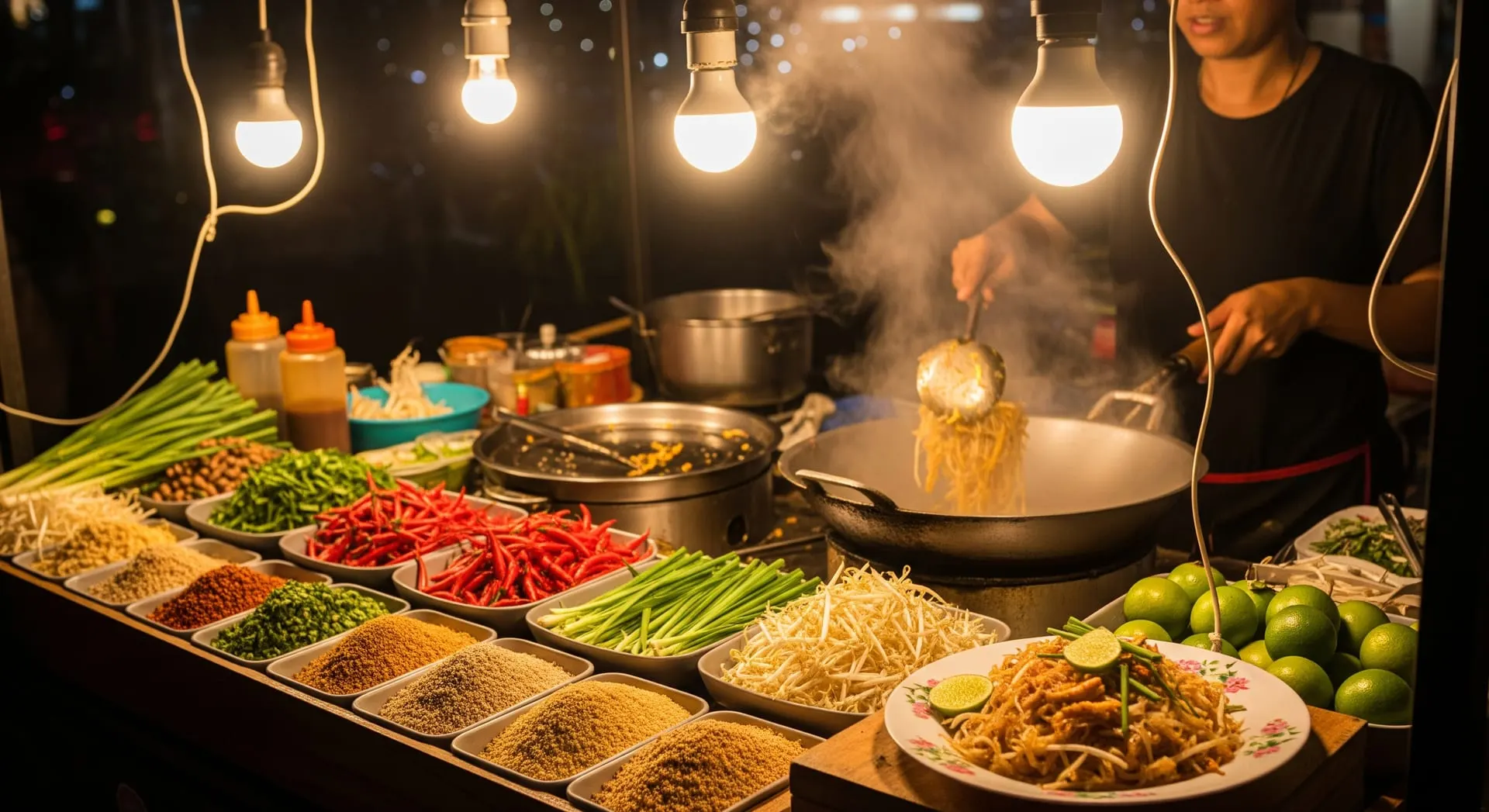
The biggest shock for most French arrivals is how far the euro stretches. Thailand uses the baht (THB), and at the time of writing one euro is worth roughly 38 THB. A comfortable one-bedroom apartment in central Chiang Mai can cost a fraction of an equivalent flat in central Paris, and even Bangkok's modern condos with pools and gyms undercut French city rents dramatically. Everyday spending follows the same pattern: a plate of pad Thai or a rice dish from a street vendor runs around 50 to 70 THB, a sit-down meal in a mid-range restaurant is far cheaper than its Parisian equivalent, and a local SIM with generous data costs a few hundred baht per month.

  • Rent: a central one-bed apartment in Chiang Mai often costs roughly 10,000 to 18,000 THB per month; Bangkok condos with a pool typically run 15,000 to 30,000 THB, well below Paris or Lyon rents.
  • Street food: a single dish is usually 50 to 70 THB, so eating out three times a day can cost less than cooking at home in France.
  • Coffee: a flat white in a stylish Bangkok or Chiang Mai cafe is around 70 to 120 THB, less than a Paris terrace.
  • Transport: the Bangkok BTS Skytrain, metered taxis and Grab rides are inexpensive; a Skytrain hop is often under 50 THB.
  • ATM withdrawals: expect a local fee of about 220 THB per cash withdrawal on top of your French bank's foreign charges, so withdraw larger amounts less often.
Section 03

Getting to Thailand from France

Reaching Thailand from France is straightforward. Direct flights from Paris-Charles de Gaulle (CDG) to Bangkok's Suvarnabhumi Airport (BKK) take roughly 11 hours, operated by Thai Airways and Air France among others. From regional cities such as Lyon, Nice, Marseille, Bordeaux or Toulouse, you will usually connect through Paris or a Gulf or European hub like Doha, Dubai, Istanbul or Frankfurt, adding a few hours to the journey. Because flights are frequent and competitive, returning to France for family events or business is rarely a hassle. As a DTV holder you can re-enter Thailand as many times as you like over the five years, so weekend trips to neighbouring Vietnam, Laos or Cambodia are easy to fit in.

Working across the time gap

Thailand runs on Indochina Time (ICT, UTC+7), about 5 to 6 hours ahead of France depending on French daylight saving. Start work early in Thailand and you will overlap neatly with the French morning and afternoon, then finish in time to enjoy the evening. Many French nomads work roughly 7am to 3pm local time and keep the rest of the day for the beach, the pool or exploring.

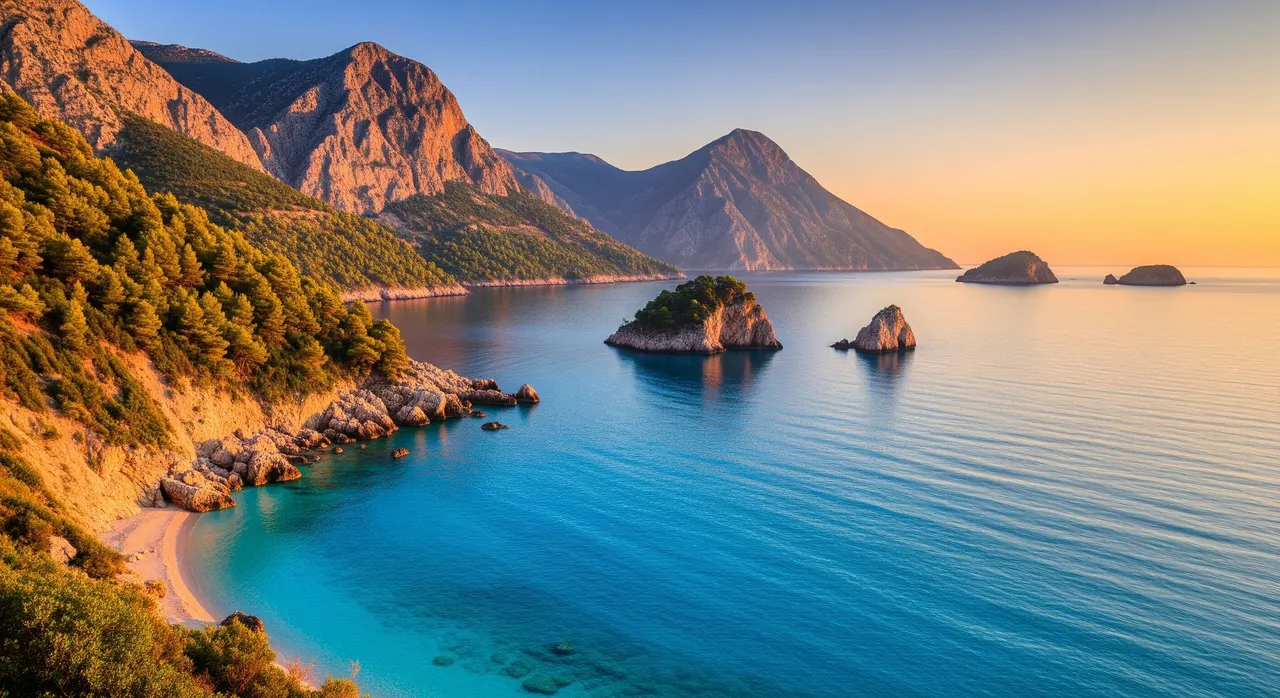
Daily life in Thailand — where French citizens settle on the DTV
Life in Thailand — your home base on the 5-year DTV
Section 04

Where French Nomads Settle in Thailand

  • Bangkok: a buzzing capital with world-class coworking spaces, modern condos and an electric food scene; ideal if you crave a big-city pace not unlike Paris, plus French bakeries and bistros dotted around Thonglor and the riverside.
  • Chiang Mai: a relaxed northern city famous for low living costs, a huge digital-nomad community, leafy cafes and mountain views; perfect for laid-back creatives and freelancers.
  • Phuket: if you miss the Cote d'Azur, this island delivers beaches, a cosmopolitan crowd and a particularly active French community, with sailing, diving and a buzzing expat social calendar.
  • Koh Samui and Hua Hin: quieter coastal alternatives with good amenities, popular with French families and couples seeking a calmer base.
Section 05

Money and Banking

For the DTV application you simply need to evidence 500,000 THB (~$15,000) in personal funds, typically through recent bank statements. Day to day, most French expats keep their main account in France and spend in Thailand using a low-fee multi-currency card such as Wise or Revolut to avoid heavy conversion charges. Thai ATMs almost always apply a fixed fee of around 220 THB per foreign-card withdrawal, so it pays to take out larger sums at once. Card payment is widely accepted in cities, malls and supermarkets, but cash remains essential at street stalls, local markets and in smaller towns, so always carry some baht.

Smarter spending in baht

Always choose to be charged in Thai baht, not euros, when a card terminal or ATM offers the choice. Dynamic currency conversion almost always gives you a worse exchange rate than letting your own bank or Wise card handle it.

Section 06

Documents and Translation

Because French is France's official language, your bank statements and any supporting financial documents will most likely be issued in French. For the DTV application these will usually need to be accompanied by a certified English (or Thai) translation so they can be assessed smoothly. The good news is that you do not have to navigate this alone: our team reviews your paperwork, tells you exactly what is needed, and prepares and submits the entire application on your behalf from outside Thailand. That removes the guesswork around formatting, proof of funds and translation, which is where most do-it-yourself applications stumble.

Section 07

Daily Life and the French Community

Day-to-day life is remarkably easy. Thailand has fast, reliable internet built for remote work, modern private hospitals at a fraction of French prices, and a food scene where you can switch from a bowl of khao soi to a perfect pain au chocolat in the same afternoon. French expat associations, Alliance Francaise centres in Bangkok, Chiang Mai and Phuket, and active online groups make it simple to find friends, schools and advice. Whether you work from a cafe with sea views, study Thai cooking on a weekend, or hop a short flight to explore the region, the blend of comfort, affordability and adventure is hard to beat.

A taste of home in Thailand

From authentic French bakeries and cheese shops in Bangkok to wine bars in Chiang Mai and a thriving French circle in Phuket, you will find little corners of France wherever you settle. Regular meetups, cultural events and Alliance Francaise activities keep the language and the apero very much alive.

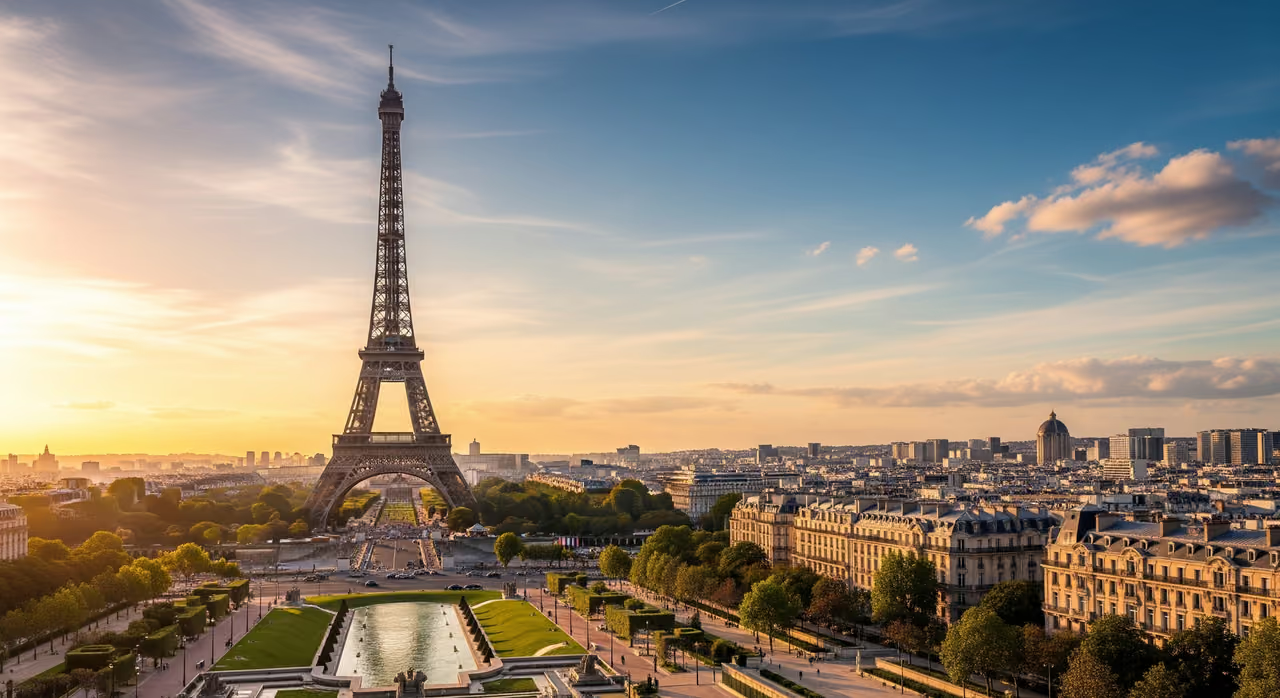
France — your starting point before relocating to ThailandFrance
From France to Thailand

Make the move from France

Trade France for up to five years in Thailand on the DTV. We prepare and submit your entire application from wherever you are — proof of funds, category evidence and passport — so you can focus on the move, not the paperwork.

Check eligibility
Step by step

How French citizens apply for the DTV

1

Check you qualify

Almost every nationality can apply. Take our free 60-second eligibility checker to confirm your route — remote work, soft power, medical or family.

2

We prepare everything

We assemble and review your documents: proof of 500,000 THB (~$15,000), your category evidence and passport — so nothing gets rejected.

3

We submit for you

You apply from outside Thailand. We file at a Thai embassy or consulate (such as Hanoi, Ho Chi Minh, Jakarta, Vientiane or London) within one business day.

4

Get approved & move

On approval you get the 5-year, multiple-entry DTV — up to 180 days per stay, extendable once. Then make Thailand home.

Questions

DTV FAQ for French citizens

What exactly is the Destination Thailand Visa (DTV) for French citizens?

The DTV is a 5-year, multiple-entry visa that lets French nationals stay in Thailand for up to 180 days per entry, with the option to extend once for a further 180 days while in-country. It is designed for remote workers, digital nomads and long-stay visitors who want to immerse themselves in Thai life without constant border runs.

Can I work remotely for a French company from Thailand on the DTV?

Yes. The DTV is built for people who earn their income from outside Thailand, such as remote employees and freelancers. Thailand's time zone (UTC+7) is 5 to 6 hours ahead of France, so starting your day early lets you overlap comfortably with French working hours while keeping your afternoons and evenings free.

How much money do I need to show for the DTV?

You need to demonstrate proof of 500,000 THB (approximately $15,000) in personal funds, usually via recent bank statements. This shows you can support yourself during your stay and is the standard financial requirement for the visa.

Do I apply from France or from inside Thailand?

You apply from outside Thailand. Our service prepares and submits the entire application for you from the appropriate jurisdiction, and once it is approved you travel to Thailand and enter on your DTV. If you add the optional Denial Protection, you receive a 100% refund in the event your application is denied.

Do my French bank statements need to be translated?

Most likely yes. Because French is France's official language, your statements and financial documents will usually be in French and will generally need a certified English or Thai translation so they can be assessed. Our team tells you exactly what is required and handles the preparation, so nothing gets lost in translation.

How long is the flight from France to Thailand?

Direct flights from Paris-Charles de Gaulle to Bangkok take around 11 hours. From regional cities such as Lyon, Nice, Marseille or Bordeaux you will typically connect through Paris or a Gulf or European hub, adding a few hours. Flights are frequent, so visiting France during your stay is easy.

How much does it cost to live in Thailand compared with France?

Considerably less. Rent, eating out and transport are all dramatically cheaper than in Paris or Lyon: a central Chiang Mai apartment can cost a fraction of a French city flat, street meals are often 50 to 70 THB, and public transport is inexpensive. Many French expats find they live more comfortably in Thailand on the same or a smaller budget.

Where do most French expats live in Thailand?

Bangkok suits those who want a fast-paced capital with great coworking and French bistros; Chiang Mai is the favourite for budget-conscious nomads and creatives; and Phuket has a large, active French community drawn to its beaches and island lifestyle. Hua Hin and Koh Samui are popular quieter alternatives.

Can I leave and re-enter Thailand on the DTV?

Yes. The DTV is a multiple-entry visa valid for five years, so you can come and go as often as you like. Each entry gives you up to 180 days, which makes weekend or week-long trips to Vietnam, Laos, Cambodia or back home to France simple to arrange.

How much does the DTV service cost?

Our service starts from $139. You can also add optional Denial Protection, which gives you a 100% refund if your application is denied, for extra peace of mind while we prepare and submit everything on your behalf.

Where you apply

The Thai mission for France

You submit the DTV online via the Thai e-Visa portal — but the office below covers applicants in France and may review your file.

Ready to move to Thailand from France?

Check your eligibility in under a minute, or let our team prepare and submit everything — with a 100% refund if your application is denied (with the optional paid Denial Protection add-on).