Skip to content
Oceania

DTV Visa for Micronesian Citizens
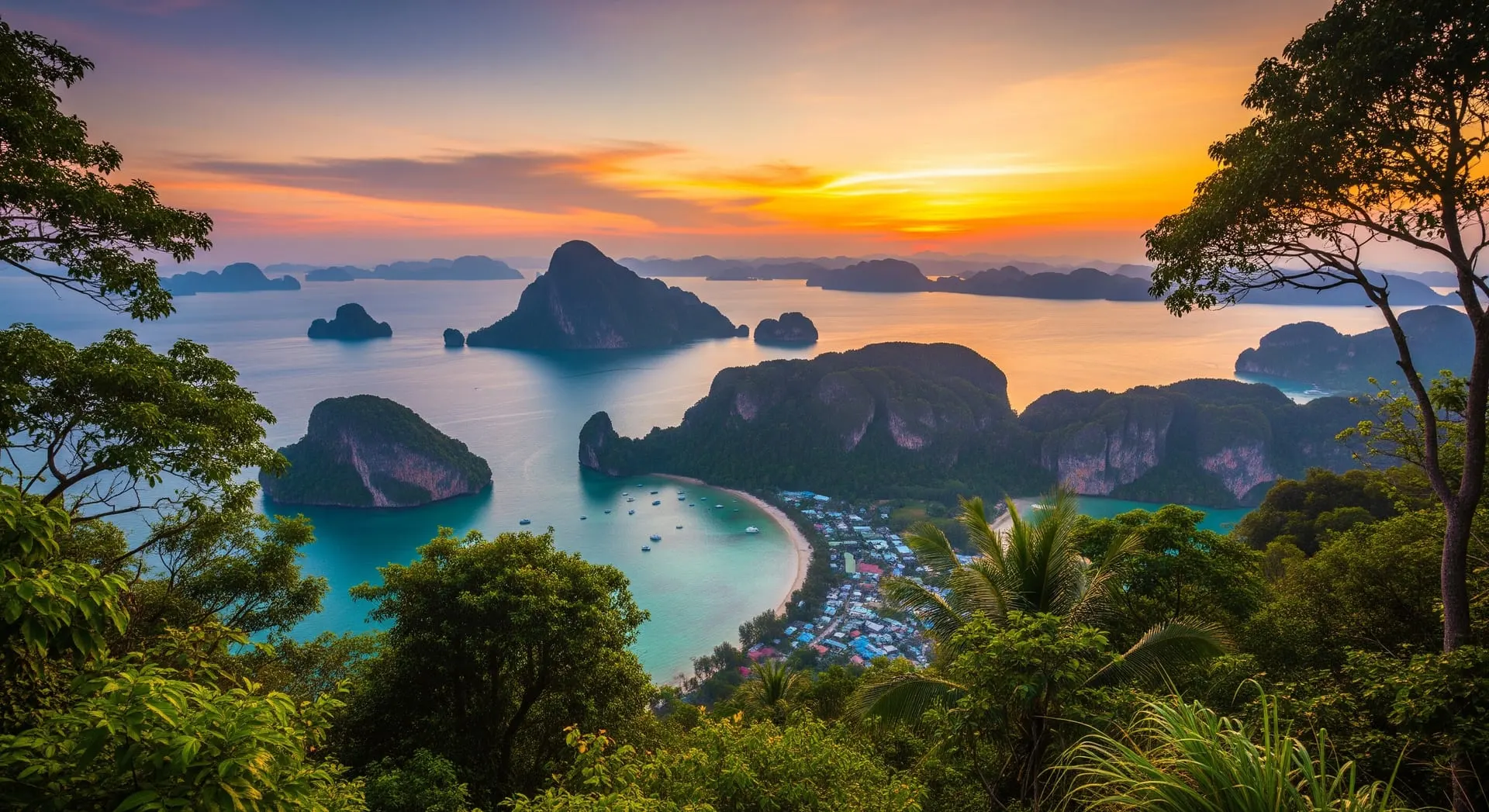
Dreaming of swapping the Pacific island calm of Pohnpei, Chuuk or Yap for the buzz of Bangkok or the laid-back beaches of Phuket? As a Micronesian citizen , the Destination Thailand Visa (DTV) opens a five-year gateway to live, work and explore the Land of Smiles. With Thailand's affordable comfort, modern infrastructure and welcoming culture, it is an ideal base for digital nomads, remote workers and anyone craving a lifestyle upgrade without the eye-watering import prices of island life back home.

Every Micronesian citizen is eligible to apply

5

Years validity

180

Days per entry

500k

THB proof of funds

$139

Service fee from

100%

Refund if denied*

Why Micronesian citizens choose Thailand

Living in Thailand from Federated States of Micronesia

Section 01

Why Micronesian Citizens Are Moving to Thailand

For many people from the Federated States of Micronesia, the appeal of Thailand goes well beyond beaches. The FSM offers a serene island lifestyle, but options for work, healthcare and services can be limited, and almost everything beyond local fish and breadfruit is imported, which keeps daily costs stubbornly high. Thailand combines a far lower cost of living with world-class hospitals, fast internet, international schools and a large, established expat community. Remote workers can settle into cosmopolitan cities, eat extraordinarily well for a few dollars and still bank meaningful savings each month.

The DTV is built precisely for this kind of move. Instead of stitching together short tourist stamps, you get a single long-term visa that lets you treat Thailand as a genuine home base while you keep earning from clients and employers outside the country.

The DTV at a Glance

The Destination Thailand Visa is a 5-year multiple-entry visa. Each entry lets you stay up to 180 days, and you can extend once for a further 180 days, giving you nearly a full year per visit. You show proof of 500,000 THB (~$15,000) in personal funds, and you apply from outside Thailand. Our team prepares and submits the entire application for you, with service from $139 and a 100% refund if your visa is denied when you add optional Denial Protection.

Section 02

Cost of Living: Federated States of Micronesia vs Thailand

Because the FSM uses the US dollar, comparing budgets with Thailand is refreshingly simple, and the gap is dramatic. A modest one-bedroom in Kolonia or Weno can run $500-$900 a month, while a comfortable furnished studio or one-bedroom in Chiang Mai or Bangkok often sits at $250-$450. Imported groceries that feel like a small luxury in Pohnpei are everyday items in any Thai supermarket, and fresh produce is abundant and cheap.

Eating out shows the same pattern. A simple meal in the FSM can cost $5-$12 once shipping is priced in; in Thailand a plate of street food or a café lunch is often 50-100 THB (around $1.50-$3). Coworking spaces, essentially unavailable in Micronesia, are everywhere in Thailand, with monthly hot-desk passes from roughly $50-$90. Add cheap public transport and reliable utilities, and most Micronesians find their money simply goes much further.

  • Rent (1-bed, city centre): ~$250-$450/month in Thailand vs ~$500-$900 in the FSM
  • Local meal out: ~$1.50-$3 in Thailand vs ~$5-$12 in the FSM
  • Monthly coworking hot-desk: ~$50-$90, an option that barely exists at home
  • Fast home fibre internet: ~$15-$25/month, far more reliable than most island connections
Section 03

Getting to Thailand from the Federated States of Micronesia
There are no direct flights from the FSM to Thailand, so plan on a long but manageable journey of roughly 18-24 hours including layovers. Most routes start with United's famous "Island Hopper" service out of Pohnpei or Chuuk to Guam, then continue via a major Asian hub such as Manila, Tokyo or Seoul before landing at Bangkok's Suvarnabhumi Airport (BKK).

The time difference works in your favour day to day. Chuuk and Yap sit at UTC+10 and Pohnpei and Kosrae at UTC+11, putting you just 3-4 hours ahead of Thailand (UTC+7). That makes it easy to keep overlapping hours with the Pacific and Asia, and to schedule calls with US or European clients without wrecking your sleep.

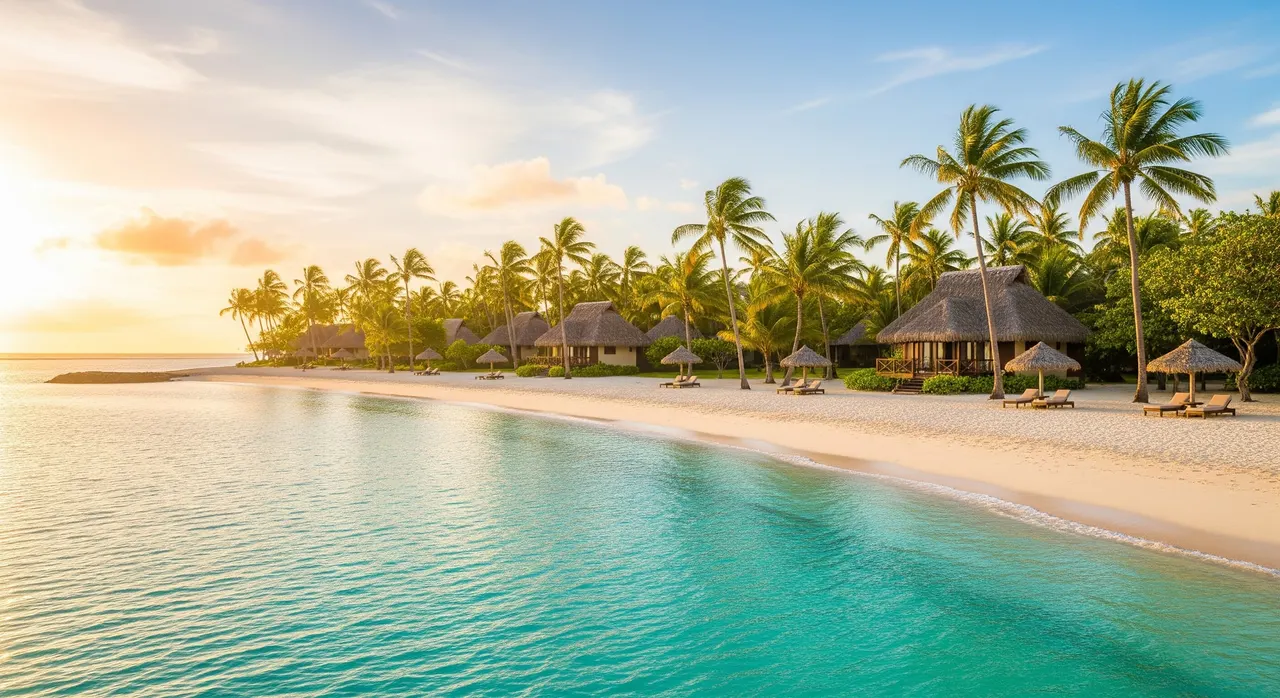
Daily life in Thailand — where Micronesian citizens settle on the DTV
Life in Thailand — your home base on the 5-year DTV
Section 04

Where Micronesian Expats & Nomads Settle in Thailand

One of the best things about the DTV is the freedom to move around and try different bases before you commit. Most newcomers from the FSM gravitate to a handful of well-served destinations, each with its own personality.

  • Bangkok - the electric capital, with the deepest pool of coworking hubs, international hospitals, direct global flights and endless dining.
  • Chiang Mai - the long-standing digital-nomad favourite, with a relaxed pace, cool northern climate, beautiful temples and the lowest cost of living of the major hubs.
  • Phuket - island living with world-class beaches and a large international community, the most natural fit for those used to Pacific island life.
  • Koh Samui & Koh Phangan - quieter tropical islands with growing remote-work scenes, good for a calmer rhythm without giving up reliable internet.
Section 05

Money & Banking from Micronesia

Since the FSM already uses the US dollar, you avoid the double currency conversion that trips up many newcomers, and you can think in dollars while spending in baht. Thailand still leans heavily on cash for small purchases, although QR-code payments are now common in cities. Carry some baht for markets, taxis and street food, and keep a card for malls, hospitals and online services.

ATMs and Everyday Money in Thailand

ATMs are everywhere and accept major international cards, but most charge a fixed foreign-card fee of around 220 THB per withdrawal on top of your home bank's fees. Minimise this by withdrawing larger amounts less often. Multi-currency travel cards (such as Wise or Revolut) usually beat airport exchange counters on rates. If you stay long-term, ask about opening a Thai bank account, which makes paying rent and bills far easier.

Keep Your Home Account Open

You do not need to move your savings to Thailand to qualify for the DTV - the 500,000 THB (~$15,000) can stay in your existing US-dollar account. Keep your FSM or US bank relationship active so you have a clean, well-documented account to show, and so international transfers remain simple while you are abroad.

Section 06

Documents & Translation for Micronesia

Here Micronesian citizens have a real advantage: English is an official language of the Federated States of Micronesia, and most personal and financial documents, including bank statements, passports and certificates, are already issued in English. Because DTV supporting documents need to be in English or Thai, you usually will not need any certified translation at all - your records can typically be submitted as-is.

The practical job, then, is simply preparation. Make sure your passport has plenty of validity, gather recent bank statements that clearly show the required funds, and have proof of your remote work or freelance activity ready. Our team reviews everything before submission so nothing is missing or out of date.

Section 07

Daily Life & Community in Thailand

Settling into Thailand is genuinely easy. English is widely spoken in tourist and expat areas, healthcare is excellent and affordable, and there is a large, friendly international community of remote workers who share tips on housing, visas and the best local food. Whether you want the round-the-clock energy of Bangkok or a slower beach life closer to what you know from Micronesia, you can shape daily life to fit your work and budget.

Stay Connected with a Local SIM

Right after landing, grab a Thai SIM from AIS, TrueMove or dtac. Tourist data packs cost a few hundred baht, and you can switch to a cheap long-term monthly plan once you settle. High-speed fibre is standard in most apartments and coworking spaces, so your remote-work setup will be reliable from day one - a real upgrade on island connectivity.

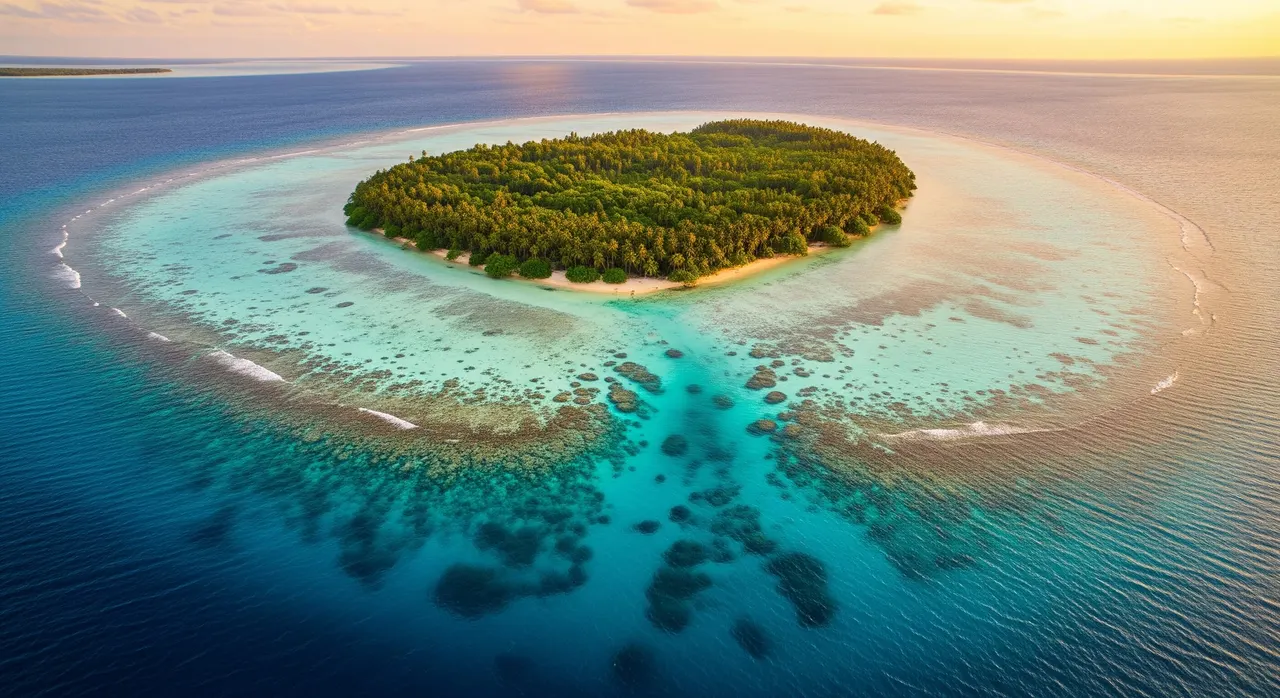
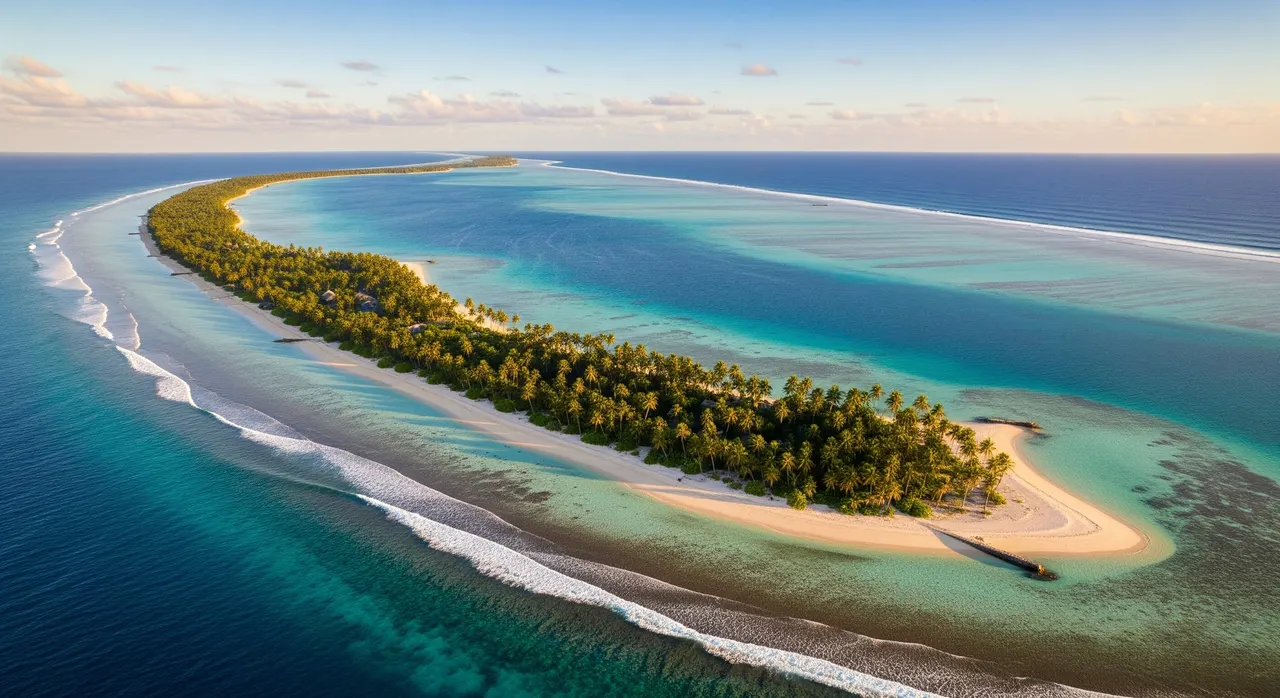
Federated States of Micronesia — your starting point before relocating to ThailandFederated States of Micronesia
From Federated States of Micronesia to Thailand

Make the move from Federated States of Micronesia

Trade Federated States of Micronesia for up to five years in Thailand on the DTV. We prepare and submit your entire application from wherever you are — proof of funds, category evidence and passport — so you can focus on the move, not the paperwork.

Check eligibility
Step by step

How Micronesian citizens apply for the DTV

1

Check you qualify

Almost every nationality can apply. Take our free 60-second eligibility checker to confirm your route — remote work, soft power, medical or family.

2

We prepare everything

We assemble and review your documents: proof of 500,000 THB (~$15,000), your category evidence and passport — so nothing gets rejected.

3

We submit for you

You apply from outside Thailand. We file at a Thai embassy or consulate (such as Hanoi, Ho Chi Minh, Jakarta, Vientiane or London) within one business day.

4

Get approved & move

On approval you get the 5-year, multiple-entry DTV — up to 180 days per stay, extendable once. Then make Thailand home.

Questions

DTV FAQ for Micronesian citizens

What exactly is the Destination Thailand Visa (DTV)?

The DTV is a 5-year multiple-entry visa that allows digital nomads, remote workers, freelancers and other qualifying individuals to stay in Thailand for up to 180 days per entry, extendable once for another 180 days. It is designed for long-term visitors who work online but do not have a Thai employer.

Who can apply for the DTV?

Anyone who can show they work remotely for clients or companies outside Thailand, or run their own location-independent business, can qualify. This includes freelancers, online entrepreneurs and remote employees. Proof of remote income or professional activity is typically required alongside the financial evidence.

How much money do I need to show in my bank account?

You need to demonstrate proof of 500,000 THB (approximately $15,000) in personal funds. Because the Federated States of Micronesia uses the US dollar, this can stay in your existing account - it does not need to be transferred to a Thai bank.

How much does your DTV service cost?

Our service starts from $139. We prepare and submit your entire application for you, and with the optional Denial Protection add-on you receive a 100% refund if your visa is denied, so there is no financial risk.

Can I apply for the DTV from inside Thailand?

No. Applications must be submitted from outside Thailand. Our team prepares and submits your entire application on your behalf, so you simply need to be abroad - for example still in the FSM, or anywhere else outside Thailand - at the time of submission.

How long are flights from the Federated States of Micronesia to Thailand?

There are no direct flights, so expect a total travel time of roughly 18-24 hours depending on layovers. Most itineraries route via Guam (often on United's Island Hopper) and then through Manila, Tokyo or Seoul before arriving at Bangkok's Suvarnabhumi Airport.

Is Thailand really cheaper than the Federated States of Micronesia?

Yes, substantially. Housing, food, transport and coworking are all far more affordable in Thailand, and you avoid the import mark-ups that inflate prices across the FSM. Many Micronesians find a comfortable monthly budget in Chiang Mai or Bangkok is half or less of what they spent at home on Pohnpei or Chuuk.

What is the time difference between the FSM and Thailand, and does it help with remote work?

Chuuk and Yap are at UTC+10 and Pohnpei and Kosrae at UTC+11, putting you 3-4 hours ahead of Thailand (UTC+7). This makes it easy to overlap with Pacific and Asian clients during the Thai workday while keeping your evenings free, or to line up calls with the US and Europe.

Do Micronesian citizens need to translate their documents for the visa application?

Usually not. English is an official language of the Federated States of Micronesia, so bank statements, certificates and identification are already issued in English. As DTV documents must be in English or Thai, your records can typically be submitted as-is, without a certified translation.

Can I keep working for my FSM or US clients while on the DTV?

Yes. The DTV is built for people who earn from outside Thailand, so you can continue serving your existing clients and employers in Micronesia, the US or anywhere else while living in Thailand. The visa simply gives you a long-term, lawful base to do it from.

Ready to move to Thailand from Federated States of Micronesia?

Check your eligibility in under a minute, or let our team prepare and submit everything — with a 100% refund if your application is denied (with the optional paid Denial Protection add-on).