Skip to content
Africa

DTV Visa for Ethiopian Citizens
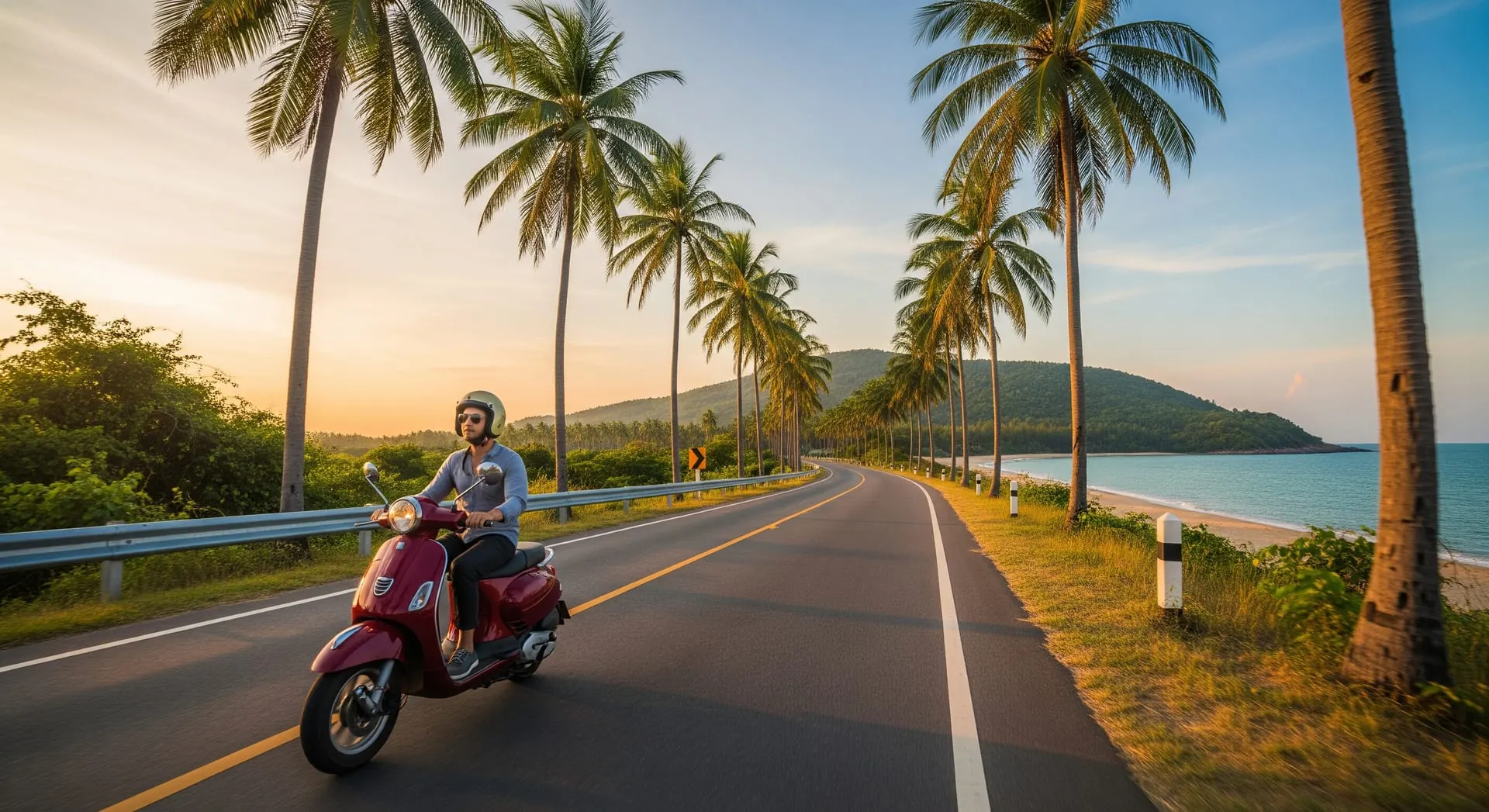
For ambitious Ethiopian professionals, digital nomads, and families seeking a fresh start, Thailand offers an extraordinary blend of tropical modernity and rich culture. The Destination Thailand Visa (DTV) makes it simpler than ever to relocate from Addis Ababa, Dire Dawa, Hawassa, or anywhere in Ethiopia and build your dream life in the Land of Smiles —with a lifestyle upgrade that is surprisingly affordable, safe, and welcoming.

Every Ethiopian citizen is eligible to apply

5

Years validity

180

Days per entry

500k

THB proof of funds

$139

Service fee from

100%

Refund if denied*

Why Ethiopian citizens choose Thailand

Living in Thailand from Ethiopia

Section 01

Why Ethiopian Citizens Are Embracing Life in Thailand

Thailand's appeal to Ethiopians goes far beyond postcard beaches. Many are drawn by the sharp contrast in cost of living, the year-round tropical climate, and the country's reputation for safety and hospitality. Unlike the cool, drizzly stretch of Addis Ababa's kiremt rainy season at 2,355 metres of altitude, much of Thailand delivers warm sunshine, palm-fringed streets, and a pace of life that encourages genuine work-life balance.

For remote workers frustrated by patchy connectivity or limited local coworking options, Thailand's digital infrastructure is a game changer—fast, affordable, and available almost everywhere, from a Bangkok high-rise to a beach bungalow on Koh Lanta. The DTV lets Ethiopian citizens stay for up to 5 years, making it a true long-term relocation solution rather than a tourist stopover. Whether you are a freelancer serving international clients, an online entrepreneur, or a family looking for quality international schools, Thailand opens doors that once felt out of reach.

DTV at a glance for Ethiopians

The Destination Thailand Visa is a 5-year multiple-entry visa allowing up to 180 days per entry, extendable once inside Thailand for a further 180 days. You apply from outside Thailand, you show proof of 500,000 THB (~$15,000) in personal funds, and our team prepares and submits the entire application for you. Service starts from $139, with an optional Denial Protection add-on that gives a 100% refund if your application is denied.

Section 02

Cost of Living: Ethiopia vs Thailand

One of the biggest surprises for new arrivals from Addis is how predictable and transparent Thailand's prices are. The Ethiopian birr (ETB) has weakened sharply against the dollar in recent years, so a fixed-income or dollar-earning Ethiopian often finds the Thai baht (THB) easier to budget around. Day-to-day, your money simply stretches further for a higher standard of living.

Your money goes further in Thailand

A modern one-bedroom condo with a pool and gym in a central Bangkok or Chiang Mai neighbourhood typically rents for roughly 15,000–25,000 THB per month, while comparable serviced apartments in Addis Ababa's Bole district often cost more for less space and far less reliable utilities. Outside the big cities you can find clean, furnished studios from around 7,000–10,000 THB.

When you compare typical monthly expenses side by side, the savings add up quickly:

  • A filling street-food meal in Bangkok (pad thai, rice and curry, or som tam): 50–70 THB, often cheaper and more varied than an equivalent restaurant plate in Addis.
  • Monthly unlimited coworking membership: from about 2,000 THB in Chiang Mai, with fast fibre internet included.
  • Gym membership: roughly 1,000–1,500 THB per month at a well-equipped fitness centre.
  • Local transport: a Bangkok BTS Skytrain ride starts around 17 THB, and a metered taxi flag-fall is just 35 THB.
  • A single-origin specialty coffee: 60–90 THB—a small luxury for Ethiopians who know their beans.

Even allowing for one or two flights home each year, most DTV holders find they maintain a noticeably better quality of life in Thailand while spending considerably less on rent, food, and transport than the equivalent comfortable lifestyle would cost in Addis Ababa.

Section 03

Getting to Thailand from Ethiopia

The time-zone shift works in your favour

Ethiopia runs on UTC+3 and Thailand on UTC+7, a 4-hour gap. Start your day early in Bangkok and you can still catch the morning in Addis Ababa—handy for keeping up with family, Ethiopian clients, or a team back home before your own day fully begins.

The journey from Addis Ababa Bole International Airport (ADD) to Bangkok's Suvarnabhumi Airport (BKK) generally takes from around 8 hours on a direct flight to roughly 14–18 hours with a connection. Ethiopian Airlines connects Addis Ababa and Bangkok, and Addis is a major continental hub, so you also have plentiful one-stop options via Gulf carriers through Dubai, Doha, or Abu Dhabi. For families and first-time movers this means flexible scheduling, competitive fares, and onward connections deeper into Asia once you are settled.

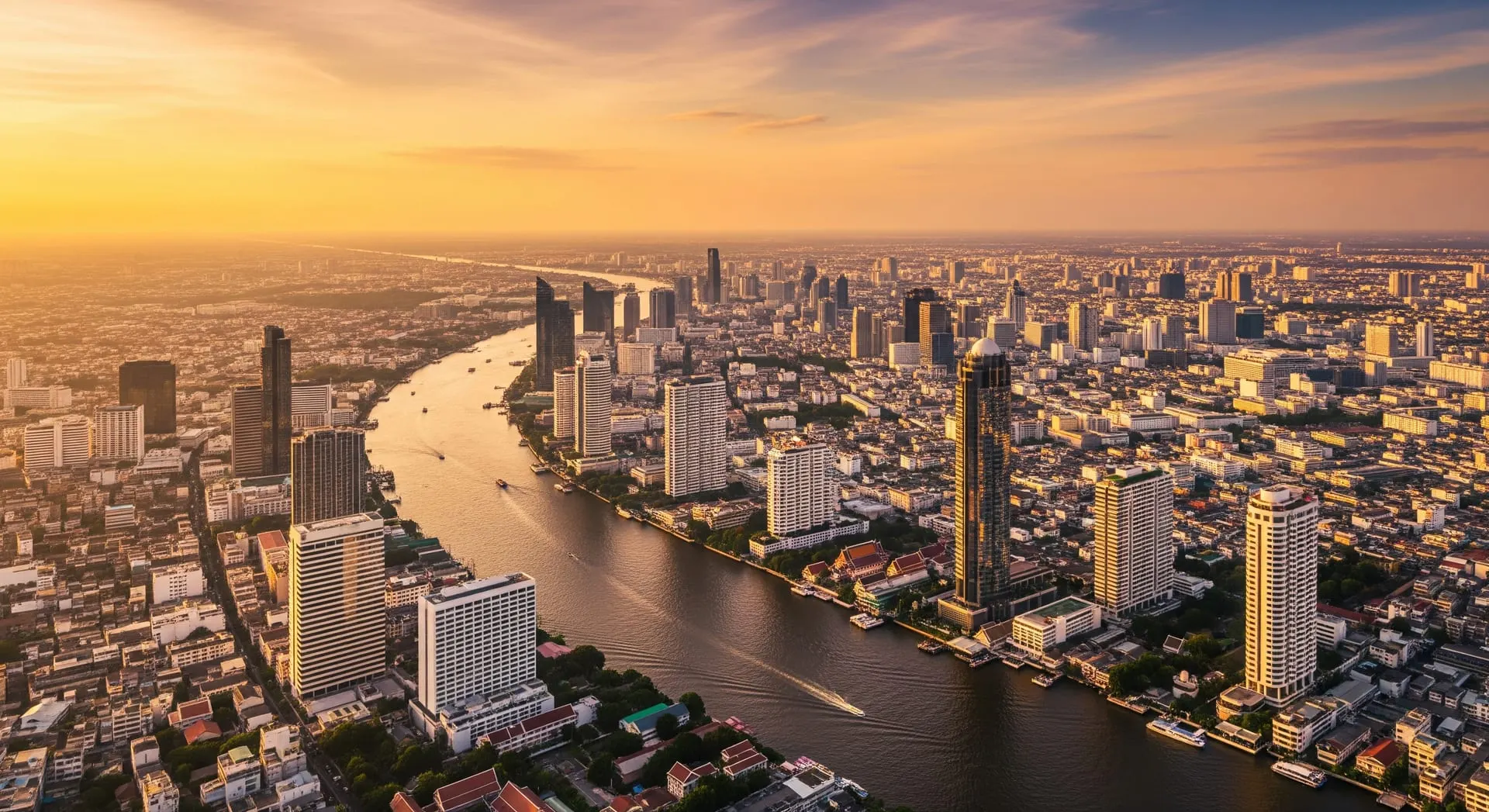
Daily life in Thailand — where Ethiopian citizens settle on the DTV
Life in Thailand — your home base on the 5-year DTV
Section 04

Where Ethiopian Expats and Nomads Settle

Thailand offers very different lifestyles depending on where you base yourself, and many Ethiopians try a couple of cities before committing. Here are the most popular landing spots:

  • Bangkok – The capital and obvious first base: the widest range of international food (including a handful of Ethiopian restaurants around Sukhumvit and Pratunam), world-class private hospitals, the largest expat network, and direct flights home.
  • Chiang Mai – Northern Thailand's digital-nomad capital. Cooler mornings, mountain views, very low rents, and a tight-knit, affordable community of remote workers make it ideal for focused living and saving money.
  • Phuket, Koh Samui and Krabi – For those who dream of beachside life, the southern islands offer warm seas, stunning scenery, and a relaxed, resort-style pace, with growing coworking scenes.
  • Hua Hin and Pattaya – Quieter coastal towns within easy reach of Bangkok, popular with families and those who want the beach without island isolation.
Section 05

Money and Banking: From Ethiopia to Thailand

Moving funds out of Ethiopia takes a little planning because of local foreign-exchange controls, so it pays to organise transfers before you travel. Many movers fund their relocation through bank-to-bank SWIFT transfers from institutions such as the Commercial Bank of Ethiopia, or via regulated remittance services. Bring a mix of cash plus an international debit or credit card to cover your first few weeks comfortably.

Once you are settled with a long-stay visa, you can look into opening a local Thai bank account, which unlocks the country's excellent cashless ecosystem—nationwide PromptPay QR payments accepted everywhere from malls to street stalls, and ATMs on practically every corner. Be aware that Thai ATMs charge a foreign-card withdrawal fee of about 220 THB per transaction, so withdraw larger amounts less often to keep costs down.

Plan your first transfer early

Because Ethiopian forex availability can be tight, arrange your main relocation transfer well ahead of your departure rather than relying on moving large sums quickly once you land. Keeping the bulk of your funds in a multi-currency account or international card gives you flexibility while you set up banking in Thailand.

Section 06

Documents and Translation for Ethiopian Applicants

Documents submitted for your DTV application should be in English or Thai. Ethiopia's official working language is Amharic, and much of your domestic paperwork—bank statements, employment letters, or business records—will be issued in Amharic script. You will therefore typically need certified English translations of these key documents so the reviewing officers can read them clearly.

We strongly recommend using a recognised, certified translation service rather than an informal one, as clean, professionally translated paperwork helps your application proceed smoothly. Our team reviews your full document set, tells you exactly what needs translating, and can connect you with trusted providers so nothing is missed.

Section 07

Daily Life and Community in Thailand

Thailand's healthcare system is a major draw. Internationally accredited private hospitals such as Bumrungrad and Bangkok Hospital offer excellent care at a fraction of European or North American prices, and English-speaking doctors are the norm in major facilities. Internet speeds routinely exceed 100 Mbps in cities and on many islands, making video calls and large file transfers effortless for remote work.

As a largely Buddhist country with a significant Muslim minority, Thailand has abundant halal food, especially in the south and around areas like Bangkok's Sukhumvit Soi 3. Ethiopian coffee lovers will feel right at home too—Thailand's café culture is thriving, with single-origin beans and slow drip brews that hold their own against Addis Ababa's best. The Ethiopian community here is still small but steadily growing, centred mainly on Bangkok, where a few restaurants serve injera and traditional stews. Most long-term Ethiopian residents connect through social-media groups, church communities, and pan-African expat networks, so you never feel far from home.

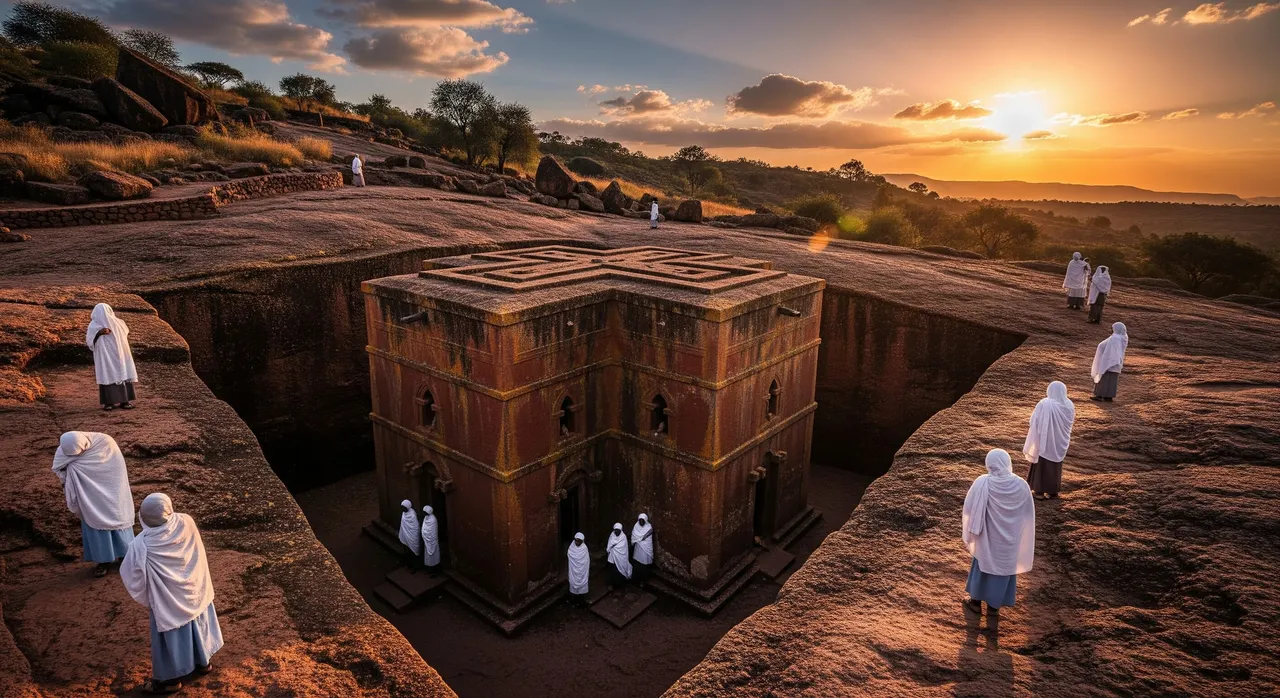
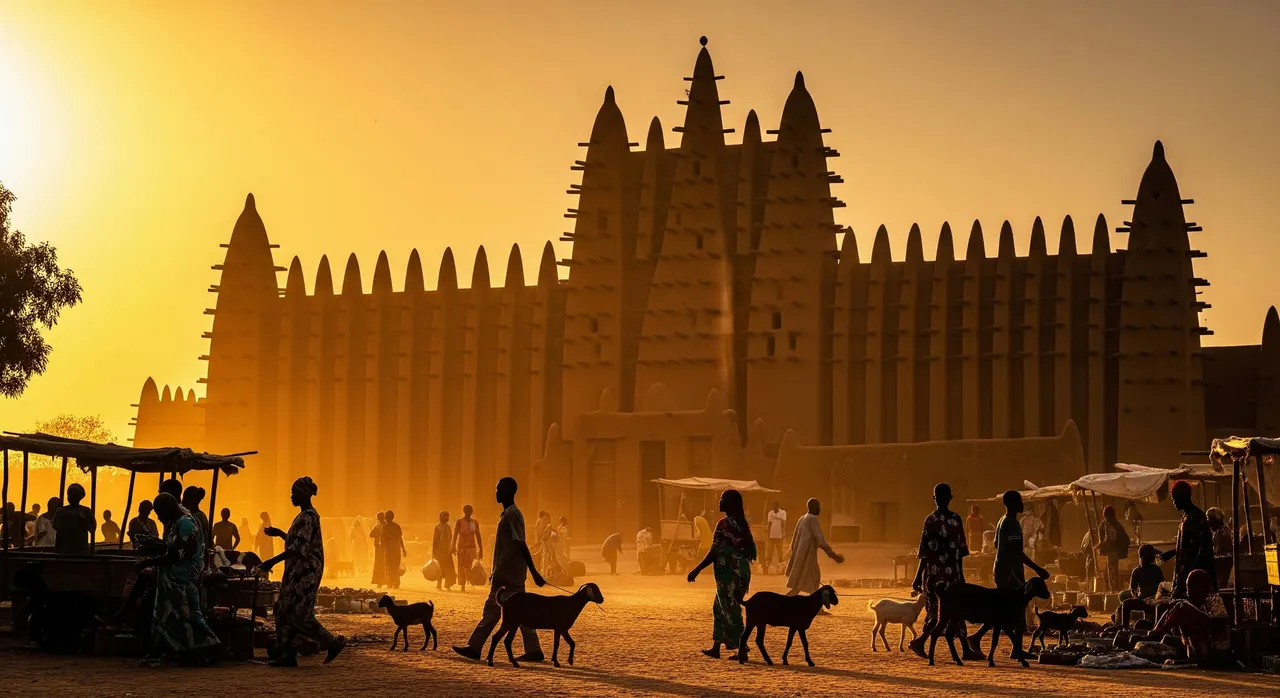
Ethiopia — your starting point before relocating to ThailandEthiopia
From Ethiopia to Thailand

Make the move from Ethiopia

Trade Ethiopia for up to five years in Thailand on the DTV. We prepare and submit your entire application from wherever you are — proof of funds, category evidence and passport — so you can focus on the move, not the paperwork.

Check eligibility
Step by step

How Ethiopian citizens apply for the DTV

1

Check you qualify

Almost every nationality can apply. Take our free 60-second eligibility checker to confirm your route — remote work, soft power, medical or family.

2

We prepare everything

We assemble and review your documents: proof of 500,000 THB (~$15,000), your category evidence and passport — so nothing gets rejected.

3

We submit for you

You apply from outside Thailand. We file at a Thai embassy or consulate (such as Hanoi, Ho Chi Minh, Jakarta, Vientiane or London) within one business day.

4

Get approved & move

On approval you get the 5-year, multiple-entry DTV — up to 180 days per stay, extendable once. Then make Thailand home.

Questions

DTV FAQ for Ethiopian citizens

What exactly is the Destination Thailand Visa (DTV)?

The DTV is a 5-year multiple-entry visa that lets you stay in Thailand for up to 180 days per entry, extendable once for a further 180 days without leaving the country. It is designed for remote workers, digital nomads, freelancers, and those seeking long-term stays.

Can I really work online while living in Thailand on this visa?

Yes. The DTV is explicitly intended for remote work and freelancing for overseas clients. You cannot take a job with a Thai employer, but you can legally live in Thailand while working for clients or businesses based outside the country.

How much money do I need to show to apply for the DTV?

You need to show proof of 500,000 THB (approximately $15,000) in personal funds. This demonstrates that you can comfortably support yourself during your stay in Thailand.

Where do I apply—can I do it from inside Thailand?

No. The DTV application must be submitted from outside Thailand, so you would typically apply while still in Ethiopia or another country. Our team prepares and submits the entire application on your behalf before you travel.

What does your service include and how much does it cost?

Our DTV service starts from $139. We handle your whole application package, from document checks and certified-translation guidance to final submission. With the optional Denial Protection add-on, you receive a 100% refund if your application is denied.

How long does it take to fly from Ethiopia to Thailand?

Flying from Addis Ababa to Bangkok takes around 8 hours nonstop, or roughly 14–18 hours with a connection. Ethiopian Airlines connects the two cities, and Addis's hub status also gives you plenty of one-stop options via Dubai, Doha, or Abu Dhabi.

What is the time difference between Ethiopia and Thailand?

Thailand is 4 hours ahead of Ethiopia year-round (UTC+7 versus UTC+3). For remote workers this is an advantage—you can start early in Bangkok and still overlap with the working morning back in Addis Ababa.

Do my Amharic documents need to be translated?

Most likely, yes. Because Ethiopia's official language is Amharic, your bank statements and supporting paperwork will usually need certified English translations so they can be reviewed clearly. Our team tells you exactly what to translate and can point you to trusted providers.

Is there an Ethiopian community or Ethiopian food in Thailand?

The Ethiopian community is small but growing, centred mostly on Bangkok, where a few restaurants serve injera and traditional stews. Church groups, social-media communities, and pan-African expat networks make it easy for newcomers to connect and settle in.

Can I bring my family under the same visa?

Yes. The DTV lets you include your spouse and dependent children in the application, so your whole family can relocate to Thailand together.

Do I need to speak Thai to live comfortably?

Not at all. In Bangkok, Chiang Mai, and the main expat hubs, English is widely used in business, healthcare, and tourism. Learning a few basic Thai phrases is appreciated, but it is not essential for everyday life.

Ready to move to Thailand from Ethiopia?

Check your eligibility in under a minute, or let our team prepare and submit everything — with a 100% refund if your application is denied (with the optional paid Denial Protection add-on).