Skip to content
Africa

DTV Visa for Swazi Citizens
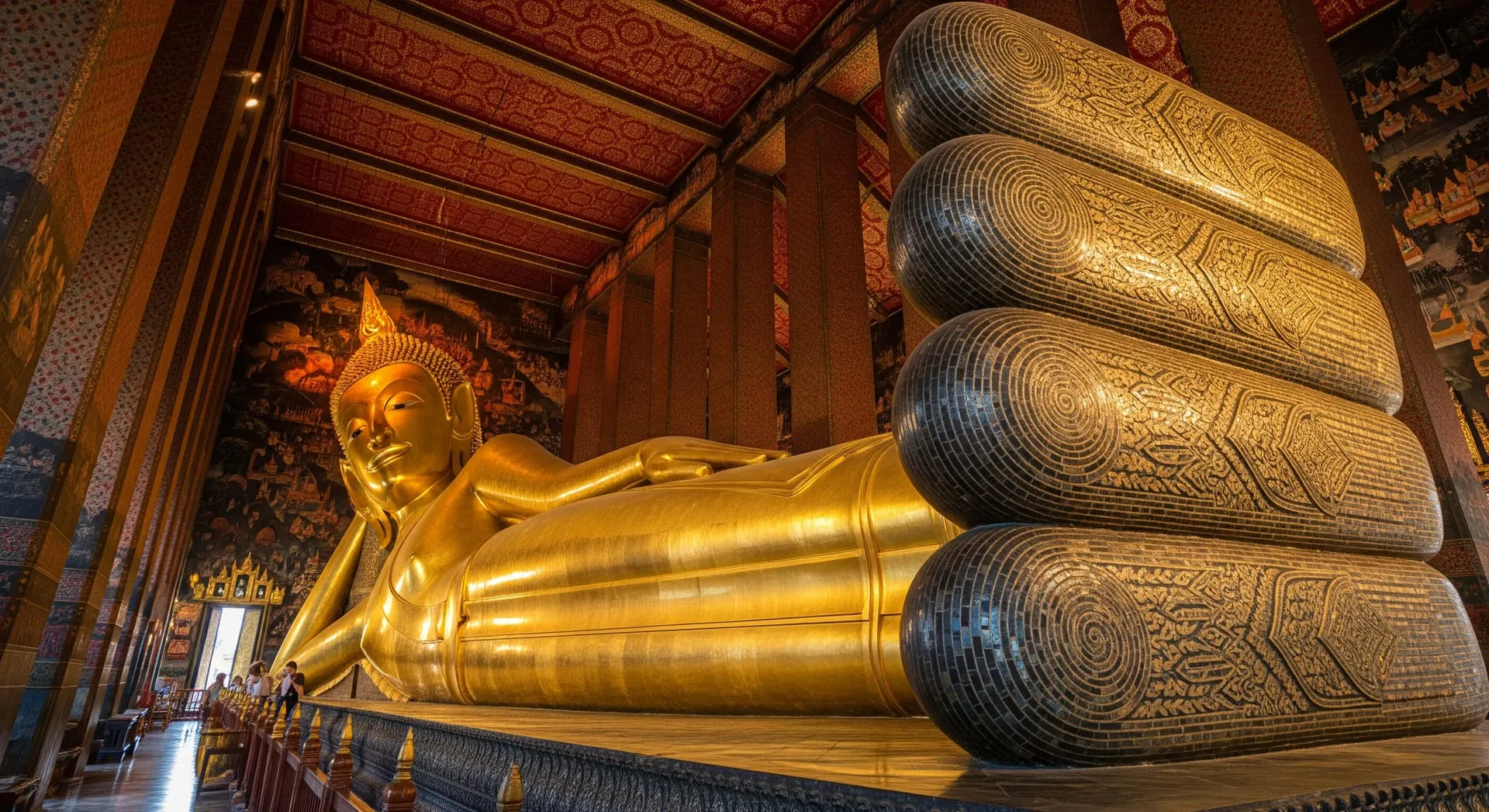
For Swazi professionals, remote workers, and families dreaming of a fresh start, Thailand pairs genuine affordability with safety, fast internet, and tropical beauty. Many everyday costs run well below what you would pay in Mbabane or Manzini, so a foreign income stretches further while you enjoy world-class private healthcare and some of the best street food on the planet. The 5-year Destination Thailand Visa (DTV) lets you swap the rolling highveld and lowveld of Eswatini for Bangkok's energy, Chiang Mai's calm, or Phuket's beaches — all while keeping your overseas career intact. You apply from outside Thailand, and a specialist company prepares and submits the entire application for you, with service from $139.

Every Swazi citizen is eligible to apply

5

Years validity

180

Days per entry

500k

THB proof of funds

$139

Service fee from

100%

Refund if denied*

Why Swazi citizens choose Thailand

Living in Thailand from Eswatini

Section 01

Why Swazi Citizens Are Choosing Thailand

Day-to-day life in Thailand is remarkably good value compared with Eswatini. A filling local meal can cost around 50-70 THB (roughly $1.50-2), and a modern one-bedroom apartment in a good neighbourhood often starts near 9,000-12,000 THB ($250-350) a month — far less than the rent you would pay for an equivalent place in Mbabane or Ezulwini. That gap means you can keep a comfortable lifestyle while raising your savings rate, whether you are a freelancer, business owner, or remote employee paid in Emalangeni, Rand, dollars, or euros.

Beyond the maths, Thailand offers a buzzing expat scene, year-round warmth, and the kind of 24/7 convenience that is hard to find back home. It is one of Southeast Asia's safest and most welcoming countries, with excellent hospitals, efficient transport, and a culture that blends deep Buddhist tradition with modern city life.

DTV at a Glance

The Destination Thailand Visa is a 5-year, multiple-entry visa. Each entry lets you stay up to 180 days, extendable once for another 180 days. You show proof of 500,000 THB (~$15,000) in personal funds, apply from outside Thailand, and the company prepares and submits everything for you. Service starts from $139, with a 100% refund if your application is denied (with the optional Denial Protection add-on).

Section 02

Cost of Living: Thailand vs Eswatini

For most Swazi remote workers, the headline draw is how much further their money goes. A single person can live comfortably in Chiang Mai on around $900-1,200 a month, while $1,300-1,800 supports a very good lifestyle in Bangkok or Phuket — covering rent, food, transport, and entertainment. A similar standard of living in Eswatini's larger towns, especially once you factor in imported goods, eating out, and reliable utilities, often costs noticeably more.

  • Local restaurant meal: around 50-80 THB ($1.50-2.30); a Western-style meal out, 200-400 THB.
  • Monthly one-bedroom rent: 9,000-15,000 THB in Chiang Mai, more in central Bangkok or beachfront Phuket.
  • Domestic SIM with generous data: roughly 300-500 THB per month.
  • Local transport: city buses and trains a few baht to ~60 THB; metered taxis and ride-hailing are inexpensive.
  • Fresh produce from a wet market is cheap and abundant; imported African staples are harder to find but available in Bangkok.
Section 03

Getting to Thailand from Eswatini

There are no direct flights from King Mswati III International Airport (SHO) near Manzini to Bangkok. The most practical route is a short hop or road transfer to OR Tambo International in Johannesburg, then a one-stop long-haul to Bangkok's Suvarnabhumi (BKK). Gulf carriers such as Emirates (via Dubai), Qatar Airways (via Doha), and Etihad (via Abu Dhabi) offer smooth connections, while Ethiopian Airlines routes via Addis Ababa. Counting the Johannesburg leg, total door-to-door travel time typically runs from about 18 to 24 hours depending on layovers.

Beat the Jet Lag

Thailand (UTC+7) is 5 hours ahead of Eswatini (UTC+2). Nudge your sleep schedule an hour or two earlier in the days before you fly, stay hydrated on the long-haul leg, and try to book an arrival in Bangkok in the late afternoon — you'll find it easier to stay awake until a local bedtime and reset faster.

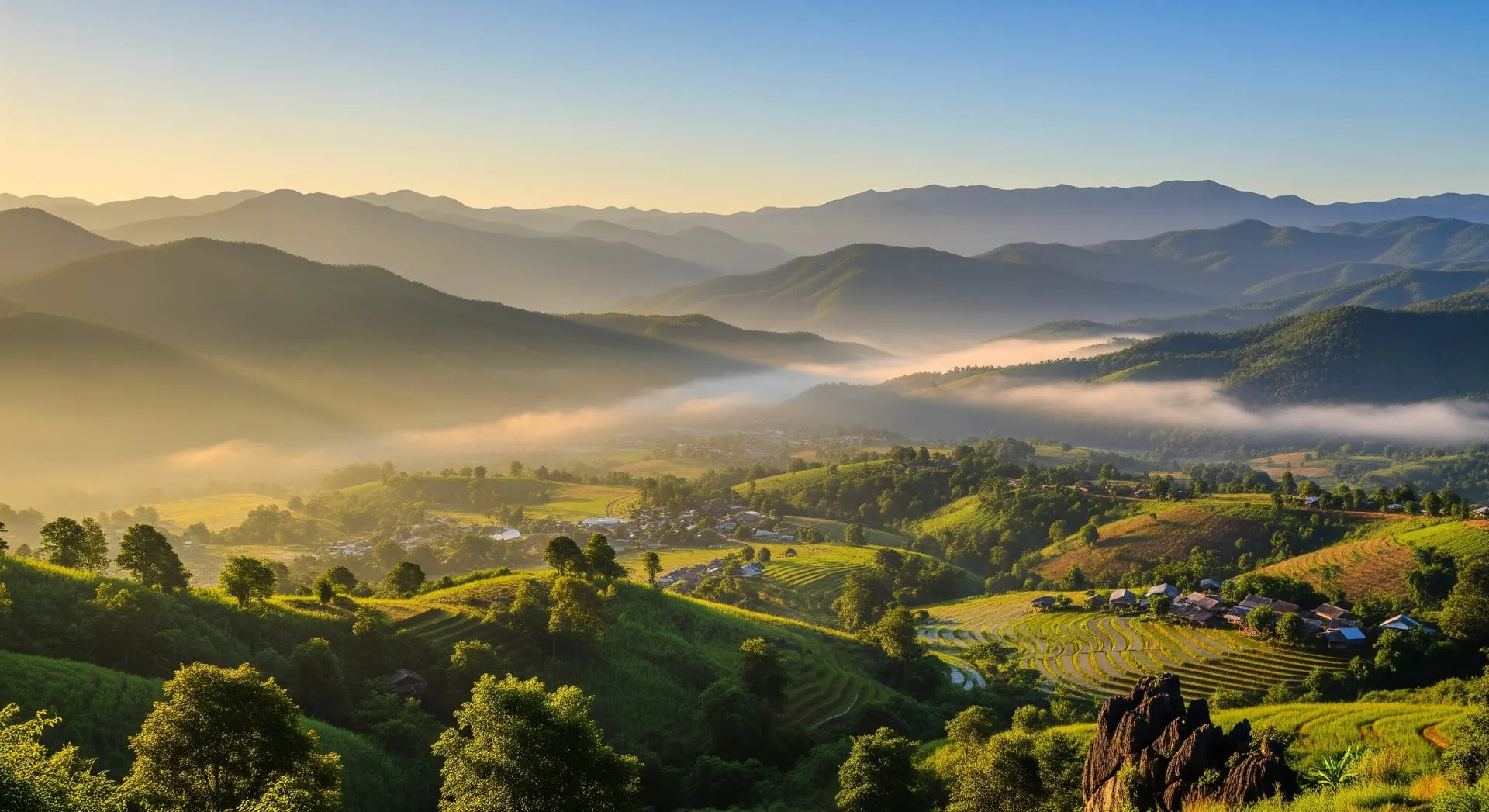
Daily life in Thailand — where Swazi citizens settle on the DTV
Life in Thailand — your home base on the 5-year DTV
Section 04

Where Swazi Expats Settle

  • Bangkok: The capital and economic heart — big-city energy, the widest choice of housing and food, international schools, top private hospitals, and easy onward flights.
  • Chiang Mai: A laid-back northern city ringed by mountains, famous for its huge digital-nomad community, cafe culture, and some of the lowest living costs in the country.
  • Phuket: Thailand's largest island, with beaches, marinas, international schools, and a resort-town lifestyle that still has modern malls and good healthcare.
  • Pattaya & Hua Hin: Coastal options within easy reach of Bangkok, popular with families and longer-stay expats who want the sea without island prices.

Wherever you land, expect reliable fibre internet, modern shopping centres, and restaurants serving everything from fiery som tam to familiar international comfort food. The African expat community in Thailand is small but growing and friendly, and locals are famously hospitable, which makes settling in easier than many newcomers expect.

Section 05

Money & Banking

Thailand is increasingly cashless in the cities, but cash still matters at markets, street stalls, and in rural areas. ATMs are everywhere and accept international cards, though local banks usually charge a fixed fee of around 220 THB per foreign-card withdrawal — so take out larger amounts less often to save on fees. The local currency is the Thai baht (THB); the Eswatini lilangeni (plural Emalangeni, SZL) is not exchanged in Thailand, so plan to move money via a major currency such as Rand, US dollars, or euros.

Smart Transfers

For day-to-day spending, multi-currency cards and transfer apps such as Wise or Revolut usually beat traditional bank wires on both exchange rate and fees. Keep a buffer in your home account and top up your Thai spending as needed, rather than moving everything at once.

Section 06

Documents & Translation

Because Eswatini is officially bilingual in English and siSwati, your English-language paperwork — bank statements, passport, and supporting financial documents — is generally accepted as-is, which removes a common hurdle Swazi applicants might otherwise expect. If any document you submit is in siSwati only, arrange a certified English translation to be safe. Make sure your passport has plenty of validity and blank pages, keep your proof of 500,000 THB (~$15,000) clearly presented, and have digital copies of everything backed up before you travel.

Get the Paperwork Right

The visa specialist prepares and submits your full DTV application from outside Thailand, so you don't navigate forms alone. Your job is mainly to provide clean, legible documents and proof of funds. With the optional Denial Protection add-on, you're covered by a 100% refund if the application is denied.

Section 07

Daily Life & Community

Life in Thailand quickly settles into an easy rhythm. Mornings might mean coffee in an air-conditioned cafe with strong Wi-Fi, afternoons a swim or a workout, and evenings a 60-baht plate of pad krapow from a street vendor. Public transport in Bangkok — the BTS Skytrain and MRT metro — is clean, cheap, and beats the traffic, while Grab (Southeast Asia's ride-hailing app) covers everywhere else. Weekends open up temples, night markets, mountain treks in the north, and quick island getaways. For Swazi expats used to a tight-knit community back home, Thailand's friendliness and the growing network of fellow Africans and global nomads make it surprisingly easy to build a social circle.

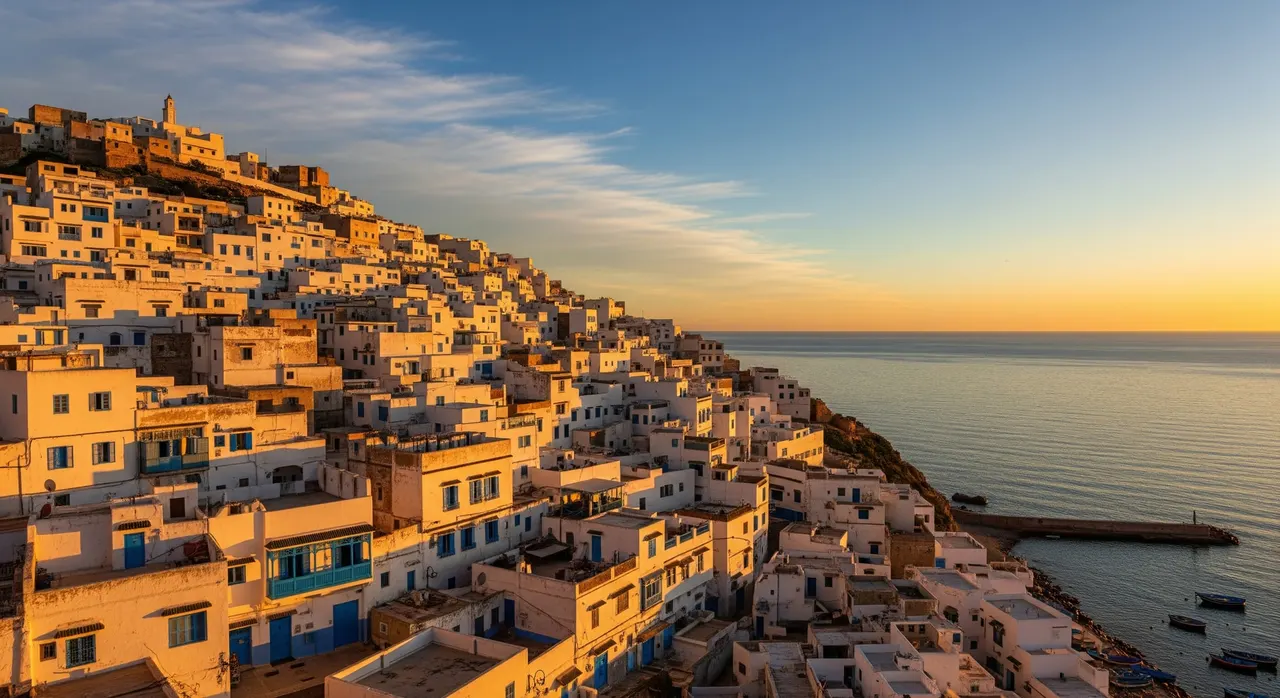
Eswatini — your starting point before relocating to ThailandEswatini
From Eswatini to Thailand

Make the move from Eswatini

Trade Eswatini for up to five years in Thailand on the DTV. We prepare and submit your entire application from wherever you are — proof of funds, category evidence and passport — so you can focus on the move, not the paperwork.

Check eligibility
Step by step

How Swazi citizens apply for the DTV

1

Check you qualify

Almost every nationality can apply. Take our free 60-second eligibility checker to confirm your route — remote work, soft power, medical or family.

2

We prepare everything

We assemble and review your documents: proof of 500,000 THB (~$15,000), your category evidence and passport — so nothing gets rejected.

3

We submit for you

You apply from outside Thailand. We file at a Thai embassy or consulate (such as Hanoi, Ho Chi Minh, Jakarta, Vientiane or London) within one business day.

4

Get approved & move

On approval you get the 5-year, multiple-entry DTV — up to 180 days per stay, extendable once. Then make Thailand home.

Questions

DTV FAQ for Swazi citizens

Can I work remotely for my Eswatini employer on the DTV?

Yes. The Destination Thailand Visa is designed for remote workers, freelancers, and digital nomads. As long as your employer or clients are based outside Thailand, you can live here and earn your income without needing a local Thai work permit.

How long can I stay in Thailand on the DTV?

The DTV is a 5-year multiple-entry visa. Each entry lets you stay up to 180 days, and you can extend that once per entry for a further 180 days — so up to 360 days at a time before leaving and re-entering.

What proof of funds do I need to apply?

You need to show evidence of 500,000 THB (approximately $15,000) in personal funds, such as savings. This demonstrates you can support yourself during your stay in Thailand.

How much does the DTV service cost, and what if I'm denied?

Service starts from $139, with the company preparing and submitting the whole application for you. If you add the optional Denial Protection, you're covered by a 100% refund should your application be denied.

Do I apply for the DTV from inside Thailand?

No — you apply from outside Thailand. That's exactly why using a specialist helps: they prepare and submit everything for you before you travel, so you arrive with your visa already in hand.

Do my Swazi documents need translating for the application?

Usually not. Eswatini's official languages are English and siSwati, and English-language documents like bank statements are generally accepted as-is. If any document is in siSwati only, get a certified English translation to be safe.

How do I get from Eswatini to Thailand?

There are no direct flights. Most Swazi travellers route through Johannesburg's OR Tambo, then take a one-stop long-haul to Bangkok via a Gulf hub such as Dubai, Doha, or Abu Dhabi, or via Addis Ababa. Total travel time is usually around 18-24 hours.

Is the cost of living in Thailand really lower than in Eswatini?

For most things, yes. Local food, rent, transport, and entertainment generally cost less in Thai cities than an equivalent lifestyle in Eswatini's larger towns. For someone earning a foreign salary, the difference can mean a higher standard of living and faster savings.

What currency is used, and can I exchange Emalangeni in Thailand?

Thailand uses the Thai baht (THB). The Eswatini lilangeni (SZL) is not traded in Thailand, so plan to move money through a major currency like South African Rand, US dollars, or euros, ideally via a transfer service such as Wise for better rates.

Can my family come with me on the DTV?

Yes. The DTV allows eligible dependants — spouse and children — to join the main applicant, which makes it a practical option for Swazi families planning a longer stay in Thailand.

Ready to move to Thailand from Eswatini?

Check your eligibility in under a minute, or let our team prepare and submit everything — with a 100% refund if your application is denied (with the optional paid Denial Protection add-on).