
Skip to content
Europe

DTV Visa for Estonian Citizens
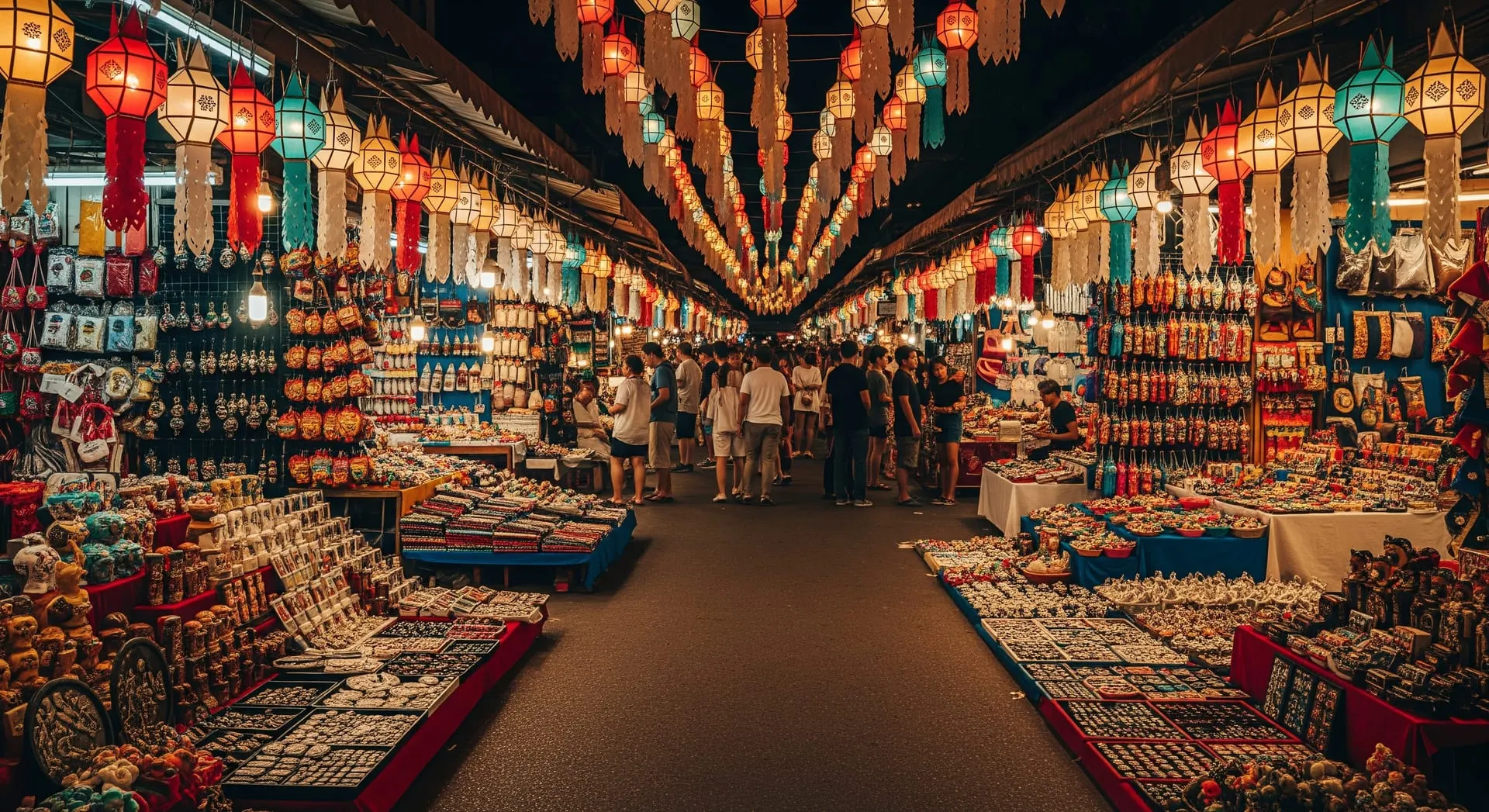
Are you an Estonian citizen ready to trade long Baltic winters for tropical warmth and a far lower cost of living without putting your career on hold? Thailand is calling, and the Destination Thailand Visa (DTV) is your flexible pathway to a 5-year adventure: working remotely from a Chiang Mai coworking space, island-hopping at weekends, or simply living at a pace that Estonia's brief summers only hint at. Plenty of Estonians have already made the leap. Here is why, and how you can join them.

Every Estonian citizen is eligible to apply

5

Years validity

180

Days per entry

500k

THB proof of funds

$139

Service fee from

100%

Refund if denied*

Why Estonian citizens choose Thailand

Living in Thailand from Estonia

Section 01

Why Estonians Are Choosing Thailand

Estonia's digital-first society and remote-work culture make its citizens natural candidates for the DTV. Many Estonian freelancers, software developers, and founders are drawn to Thailand for the same reasons they cherish 'e-Estonia': fast internet and an easy environment for location-independent work, but with a far warmer climate and dramatically lower daily costs. The DTV is a 5-year multiple-entry visa that lets you stay up to 180 days per entry, so you can build a real life in Thailand rather than rushing a short holiday.

Estonia's summers are beautiful, but the dark, drawn-out winters wear people down. Thailand offers year-round sunshine, vibrant street life, and a genuinely welcoming culture. For Estonians raised on sauna ritual, Thailand's wellness scene of steam rooms, traditional massage, and yoga feels like a natural extension. It is not just a change of scenery; it is a move toward a healthier, more balanced routine.

Section 02

Cost of Living: Estonia vs. Thailand

One of the biggest draws for Estonians is how far the euro stretches in Thailand. A modern one-bedroom apartment in central Bangkok runs roughly €400–€600 per month , while a comparable place in Tallinn's city centre easily tops €700–€900 . In Chiang Mai you can find a comfortable, well-equipped condo from as little as €250–€350 , often with a pool and gym in the building.

  • A street-food meal: €1.50–€2.50 in Thailand vs. €8–€12 for a comparable quick lunch in Tallinn.
  • Coworking hot-desk: €50–€80/month in Chiang Mai; expect €150–€250 in Tallinn.
  • Gym membership: €20–€40/month in most Thai cities, versus €40–€70 back home.
  • Local transport: a motorbike-taxi hop across Bangkok costs about €1.50; a similar Bolt ride in Tallinn is €5–€7.

Budgeting Tip for Estonians

Even with regular travel and eating out, many single Estonian remote workers live well on €800–€1,200 per month in Thailand, roughly half of what the same lifestyle costs in Tallinn or Tartu. That gap goes straight into savings or experiences.

Section 03

Getting to Thailand from Estonia

Flying from Tallinn (TLL) to Bangkok (BKK) is straightforward, though there are no direct flights. Most Estonians connect through Helsinki, Frankfurt, Istanbul, or Riga, with total travel time of roughly 13 to 16 hours depending on the layover. A typical itinerary is Tallinn–Helsinki–Bangkok with Finnair, or Tallinn–Istanbul–Bangkok with Turkish Airlines. From Tartu or Pärnu, a short bus or drive to Tallinn is all you need to reach the airport.

Thailand runs on Indochina Time (UTC+7), which is 5 hours ahead of Estonia in winter (EET) and 4 hours ahead in summer (EEST) . So when it is 09:00 on a Monday in Tallinn, it is already 13:00 or 14:00 in Bangkok. Many Estonian remote workers enjoy the overlap: a Thai morning lines up with the European workday, leaving afternoons and evenings free to explore.

Jet-Lag Advantage

With only a 4–5 hour difference, Estonians typically adjust within a couple of days, and the manageable gap makes occasional trips home to the Baltics far easier than for nomads coming from the Americas.

Daily life in Thailand — where Estonian citizens settle on the DTV
Life in Thailand — your home base on the 5-year DTV
Section 04

Where Estonians Settle in Thailand

Estonian expats and digital nomads spread across Thailand's most popular hubs. Chiang Mai is a firm favourite for its laid-back pace, mountain backdrop, and huge nomad community; many gravitate to the Nimmanhaemin district for its cafes and coworking spaces. Bangkok appeals to those who want big-city energy, world-class dining, and fast fibre internet, with neighbourhoods like Sukhumvit and Ari offering a modern, walkable lifestyle.

For sun-seekers, Phuket and the Gulf islands of Koh Samui and Koh Phangan deliver beachside living. Even in smaller island towns you will find dependable coworking spots and a steady stream of remote workers, Estonians among them, who extend their stays for the surf, sand, and slower rhythm.

Section 05

Money & Banking for Estonians

Managing money across borders is simple for tech-savvy Estonians. Wise (formerly TransferWise) and Revolut offer strong exchange rates and low fees when converting euros to Thai baht. Most Estonian and EU cards work fine across Thailand, and you can withdraw baht from ATMs nationwide, though a local fee of about 220 THB per withdrawal is standard, so larger, less frequent withdrawals save money.

For bigger outgoings such as rent, a Wise multi-currency account or a standard SEPA/IBAN transfer works smoothly. Carry a backup debit or credit card and let your Estonian bank know you are travelling so payments are not blocked. Cash is still king at local markets and street stalls, so keep a few thousand baht on hand at all times.

Proof of Funds at a Glance

The DTV requires proof of 500,000 THB (~$15,000) in personal funds. There is no need to move this money to Thailand; it simply demonstrates you can support yourself during your stay.

Section 06

Documents & Translation

Because Estonia's official language is Estonian and most official paperwork is issued in that language, your bank statements and proof of funds will likely need a certified English (or Thai) translation for the DTV application. Use a sworn translator or a reputable agency so your documents are accepted without back-and-forth. Even if your bank can issue a bilingual statement, double-check that the balance, account holder name, and dates all read clearly in English.

The good news for Estonians: you do not have to navigate any of this alone. You apply from outside Thailand , and the company prepares and submits everything on your behalf, with service available from $139 , so your job is mostly gathering clean, translated paperwork.

Document Preparation

Gather your financial documents early and send them to a certified translation service in Tallinn or Tartu. Many deliver digitally within a couple of business days, leaving plenty of time before submission.

Section 07

Daily Life & Community

Thailand's healthcare is a pleasant surprise for Estonians: private hospitals such as Bumrungrad in Bangkok or Chiang Mai Ram meet Western standards at a fraction of European prices. Connectivity is excellent too; fibre is common in the cities, and even on the islands you will generally find reliable 4G and increasingly 5G, making remote work seamless.

Food is a daily highlight, from fiery som tam (papaya salad) to comforting khao soi noodle curry in the north, all diverse and cheap. Safety is high; violent crime is rare and petty theft is uncommon with basic precautions. Estonia's small but growing expat community keeps in touch through Facebook groups and informal meetups in Chiang Mai and Bangkok, so you will never feel entirely cut off from home.

  • Healthcare: comprehensive travel or expat insurance is recommended; a routine private GP visit runs about €20–€30 without it.
  • Internet: AIS, True, and dtac offer mobile data plans from around €10/month, with home fibre from about €15/month.
  • Food scene: night markets, organic cafes, and international groceries are everywhere in expat areas.
  • Community: the Estonian crowd is small but tight-knit, a comfortable blend of independence and Nordic solidarity.
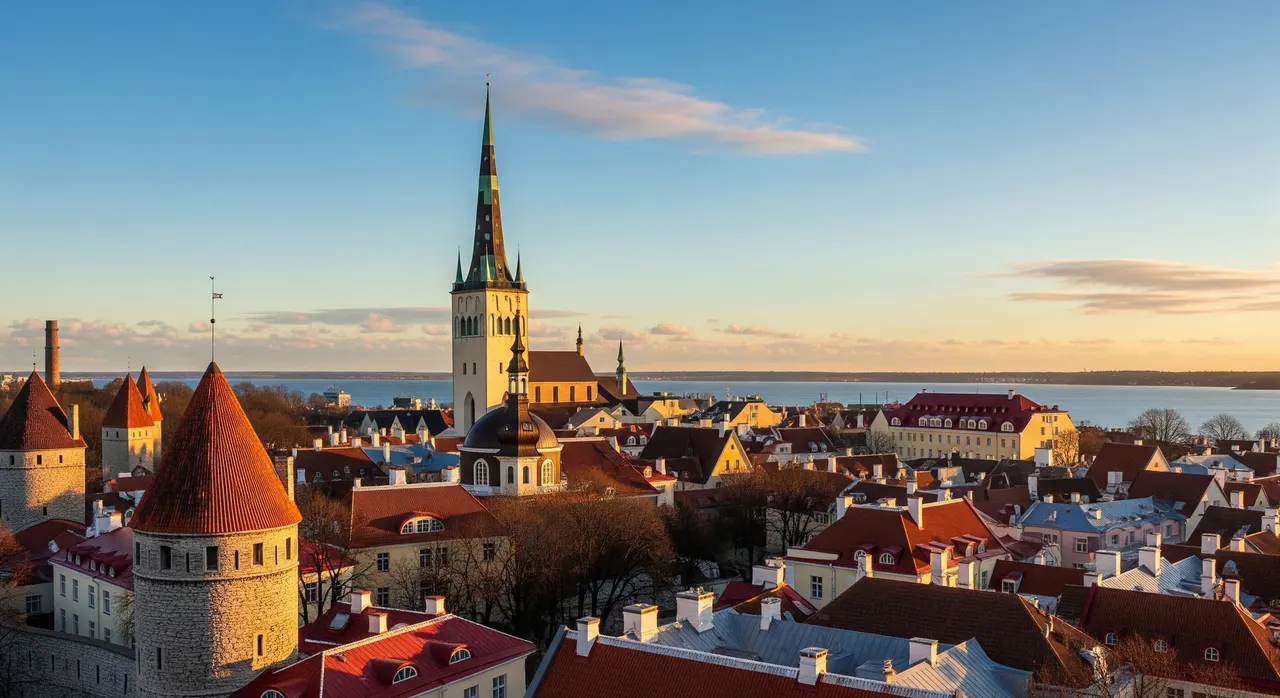
Estonia — your starting point before relocating to ThailandEstonia
From Estonia to Thailand

Make the move from Estonia

Trade Estonia for up to five years in Thailand on the DTV. We prepare and submit your entire application from wherever you are — proof of funds, category evidence and passport — so you can focus on the move, not the paperwork.

Check eligibility
Step by step

How Estonian citizens apply for the DTV

1

Check you qualify

Almost every nationality can apply. Take our free 60-second eligibility checker to confirm your route — remote work, soft power, medical or family.

2

We prepare everything

We assemble and review your documents: proof of 500,000 THB (~$15,000), your category evidence and passport — so nothing gets rejected.

3

We submit for you

You apply from outside Thailand. We file at a Thai embassy or consulate (such as Hanoi, Ho Chi Minh, Jakarta, Vientiane or London) within one business day.

4

Get approved & move

On approval you get the 5-year, multiple-entry DTV — up to 180 days per stay, extendable once. Then make Thailand home.

Questions

DTV FAQ for Estonian citizens

What is the Destination Thailand Visa (DTV) for Estonian citizens?

The DTV is a 5-year multiple-entry visa that lets Estonian citizens live in Thailand while working remotely for overseas employers or clients. You can stay up to 180 days per entry, extendable once for another 180 days.

How long can I stay in Thailand with the DTV?

Each entry allows up to 180 days, and you can extend that once for a further 180 days. As a 5-year multiple-entry visa, it lets you come and go and effectively base yourself in Thailand for the full validity period.

What are the financial requirements for the DTV?

You must show proof of 500,000 THB (~$15,000) in personal funds, demonstrating you can support yourself during your stay. The money does not need to be transferred to Thailand.

Can I apply for the DTV from Estonia or inside Thailand?

You apply from outside Thailand. The company prepares and submits the entire application on your behalf while you remain in Estonia or anywhere else abroad, so there is no need to travel for the process.

How much does the DTV service cost?

Service starts from $139, and the company handles preparation and submission of your application. If your application is denied, you receive a 100% refund with the optional Denial Protection add-on.

Do my Estonian bank statements need to be translated?

Most likely yes. Since Estonia's official language is Estonian, your bank statements and proof of funds will usually need a certified English or Thai translation. A sworn translator or reputable agency in Tallinn or Tartu can handle this quickly.

How long does it take to fly to Thailand from Tallinn?

The journey typically takes 13–16 hours with one or two stops. Common routings go via Helsinki, Istanbul, Frankfurt, or Riga, with Bangkok's Suvarnabhumi Airport as the main gateway.

What is the time difference between Estonia and Thailand?

Thailand is 5 hours ahead of Estonia in winter (EET) and 4 hours ahead in summer (EEST). When it is noon in Tallinn, it is 16:00 or 17:00 in Bangkok.

Is there an Estonian community in Thailand?

Yes, a small but active Estonian expat presence exists, particularly in Chiang Mai and Bangkok. Facebook groups and occasional meetups make it easy to connect, swap tips, and feel a bit of home.

How does the cost of living in Thailand compare to Estonia?

Thailand is generally far cheaper. Many Estonians cut monthly living costs by 30–50%, especially on rent, eating out, and transport, while keeping or improving their quality of life.

What if my DTV application is denied?

With the optional Denial Protection add-on, you receive a 100% refund of the service fee if your application is not approved, giving you complete peace of mind.

Ready to move to Thailand from Estonia?

Check your eligibility in under a minute, or let our team prepare and submit everything — with a 100% refund if your application is denied (with the optional paid Denial Protection add-on).