Skip to content
Africa

DTV Visa for Eritrean Citizens

Are you an Eritrean professional looking for greater freedom, lower costs, and year-round warmth? Thailand is fast becoming a favourite for African expats, offering a secure, well-connected base where your money stretches further than it does in Asmara. With the Destination Thailand Visa (DTV), you can make that move a 5-year reality—working remotely, exploring world-class beaches, and settling into a comfortable new standard of living.

Every Eritrean citizen is eligible to apply

5

Years validity

180

Days per entry

500k

THB proof of funds

$139

Service fee from

100%

Refund if denied*

Why Eritrean citizens choose Thailand

Living in Thailand from Eritrea

Section 01

Why Eritreans Are Choosing Thailand

For many Eritreans, Thailand offers an appealing mix of modern convenience, cultural depth, and financial ease. Everyday costs in cities like Bangkok or Chiang Mai are noticeably lower than what you would budget for imported goods and quality housing back in Asmara, while the infrastructure—reliable electricity, fast internet, modern transport—is a clear step up. That combination is exactly why a growing number of remote workers and freelancers from across Africa are heading East.

The climate is another draw. Thailand is tropical and warm all year, a sharp contrast with the cool highland evenings of Asmara, which sits at over 2,300 metres above sea level. Add Thai hospitality, a legendary street-food culture, and a genuinely cosmopolitan atmosphere, and settling in feels straightforward even if you arrive on your own.

The DTV at a Glance

The Destination Thailand Visa is a 5-year multiple-entry visa allowing stays of up to 180 days per entry, extendable once by a further 180 days. You need to show proof of 500,000 THB (~$15,000) in personal funds, and you apply from outside Thailand. Our team prepares and submits the whole application for you, with service starting from $139.

Section 02

Cost of Living: Eritrea vs Thailand

Eritrea's economy runs largely in cash on the nakfa (ERN), and the real challenge there is less the headline price of local produce and more the cost and scarcity of imported goods, quality housing, and reliable services. Thailand flips that equation: a wide range of goods is available, supply is consistent, and quality-of-life essentials are affordable. A furnished one-bedroom apartment in central Bangkok typically runs 15,000–25,000 THB (~$415–$690) per month, and you can pay considerably less in Chiang Mai or outside the city centre.

Eating out is where the savings feel dramatic. A filling plate of Thai food from a local shop costs 50–80 THB (around $1.40–$2.20), and a month of groceries for one person is very manageable. Local transport—the BTS Skytrain, MRT metro, buses, and metered taxis in Bangkok—is clean, efficient, and inexpensive compared with getting around Asmara.

  • Local Thai meal at a casual restaurant: 50–80 THB (~$1.40–$2.20)
  • Furnished 1-bedroom apartment, central Bangkok: 15,000–25,000 THB/month (~$415–$690)
  • Monthly unlimited mobile data (5G): around 500 THB (~$14)
  • Single BTS/MRT ride in Bangkok: roughly 20–60 THB
  • Cappuccino at a city café: 60–90 THB (~$1.70–$2.50)
Section 03

Getting to Thailand from Eritrea

There are no direct flights between Eritrea and Thailand, so the journey involves at least one connection. The most natural route is via Addis Ababa (ADD) on Ethiopian Airlines, with onward service to Bangkok's Suvarnabhumi Airport (BKK). Gulf hubs such as Dubai (DXB) with Emirates or Doha (DOH) with Qatar Airways are strong alternatives, especially if you can route to a Gulf city first. Door-to-door, plan for roughly 14–20 hours including layovers, depending on the connection you choose.

Eritrea runs on East Africa Time (UTC+3), while Thailand is on Indochina Time (UTC+7), a 4-hour difference. When it is 9 AM in Asmara, it is 1 PM in Bangkok. For remote workers this is convenient: you can do focused deep work through the Thai morning and still overlap comfortably with Eritrean colleagues or African clients in their working hours.

Plan the Connection Early

Routing through Addis Ababa keeps the trip simple, and a layover long enough for a proper rest or shower can make a real difference on a long-haul day. Book early for the best fares and to lock in convenient connection times, and keep digital and printed copies of your documents handy for the journey.

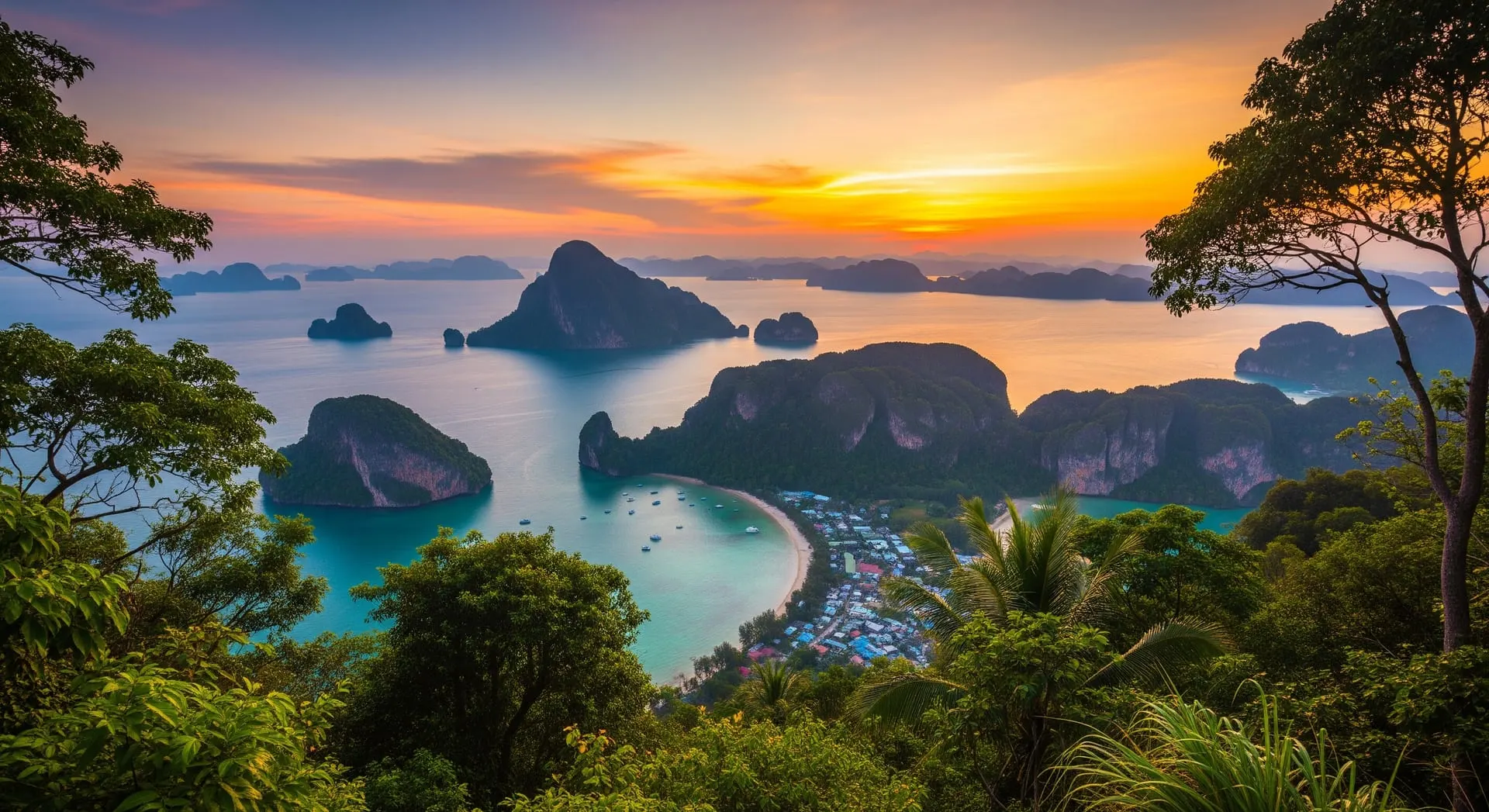
Daily life in Thailand — where Eritrean citizens settle on the DTV
Life in Thailand — your home base on the 5-year DTV
Section 04

Where to Settle in Thailand

Most newcomers begin in Bangkok —busy, international, and packed with co-working spaces, modern condos, and every amenity you could need. Chiang Mai in the north is the classic choice for remote workers who want a calmer pace, lower rents, mountain scenery, and a famously friendly community. Down south, Phuket delivers island living with beaches and a long-established expat network, while Pattaya on the eastern Gulf coast offers a beach lifestyle within easy reach of the capital.

The Eritrean community in Thailand is still small, but the wider African and international expat scene is welcoming and easy to plug into. If you miss home cooking, Bangkok has Habesha and Ethiopian-Eritrean restaurants where you can find injera, zigni, and a friendly face.

Section 05

Money and Banking

Thailand is far more card- and app-friendly than Eritrea's predominantly cash economy. International debit and credit cards work widely, and contactless payment is common in cities. ATMs are everywhere, though most charge a fixed fee of around 220 THB per foreign-card withdrawal, so it is usually cheaper to take out larger amounts less often. The PromptPay QR system is used everywhere from malls to street stalls once you are set up locally.

For the DTV's financial requirement, you simply need to show proof of 500,000 THB (~$15,000) in personal funds; the money stays yours, it just needs to be evidenced in your statements. We will walk you through exactly which documents work and how to present them, so nothing slows down your application.

Section 06

Documents and Translation

Because Eritrea's working languages are Tigrinya, Arabic, and English, your paperwork may come in a mix of scripts. Documents already issued in English are generally accepted as they are. Bank statements, civil documents, or any paperwork issued in Tigrinya or Arabic will likely need a certified English translation to be ready for submission. Sorting this out early prevents last-minute delays.

Documents to Prepare

A passport valid for the duration of your stay, recent bank statements evidencing 500,000 THB (~$15,000) in personal funds, proof of your remote work or freelance activity, and a passport-style photo. Any document not already in English should have a certified English translation. We review everything before submission so it is correct the first time.

Section 07

Daily Life and Community

Day-to-day life in Thailand is comfortable and well served. Healthcare is a standout: private hospitals such as Bumrungrad and Bangkok Hospital are internationally accredited, with English-speaking staff and modern facilities at prices well below Western equivalents. Internet is fast and reliable, with affordable fibre widely available—a genuine relief if you have wrestled with connectivity at home.

Getting around, finding housing, opening accounts, and meeting people are all easier in Thailand's big cities than many newcomers expect, thanks to large expat communities and a service culture built around hospitality. Between the food, the beaches, the temples, and the weekend trips you can take across the region, the lifestyle on offer is hard to match anywhere else in Asia.

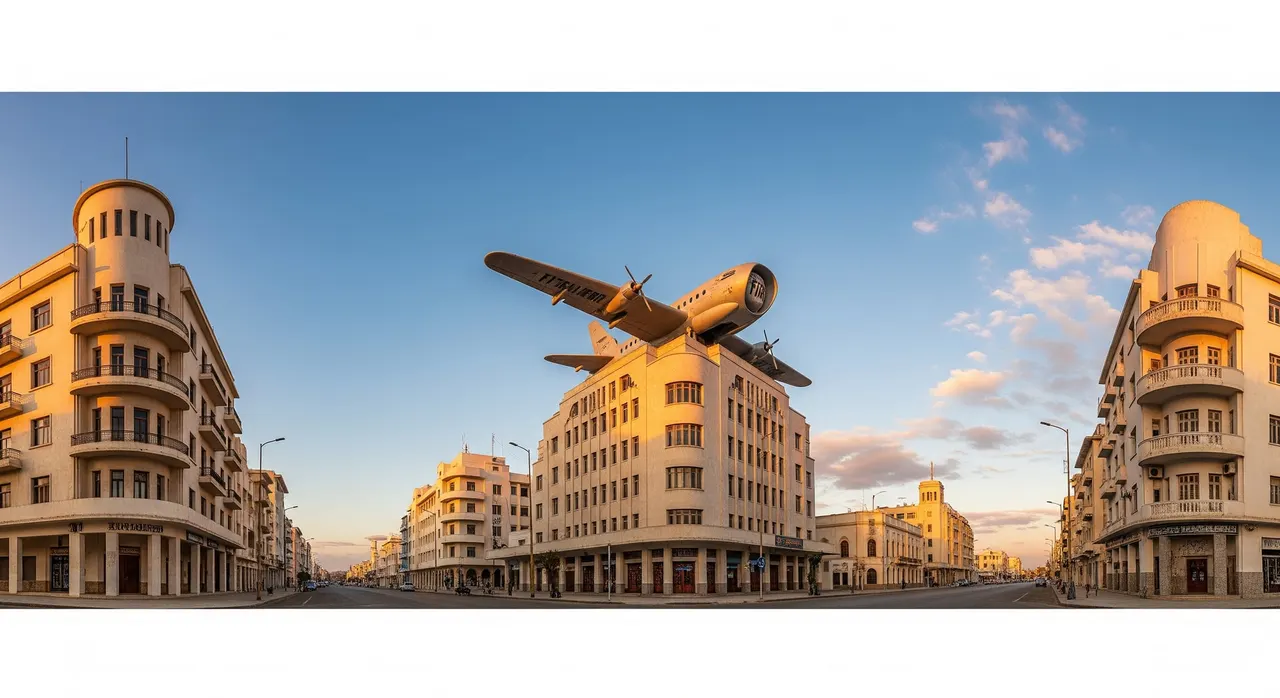
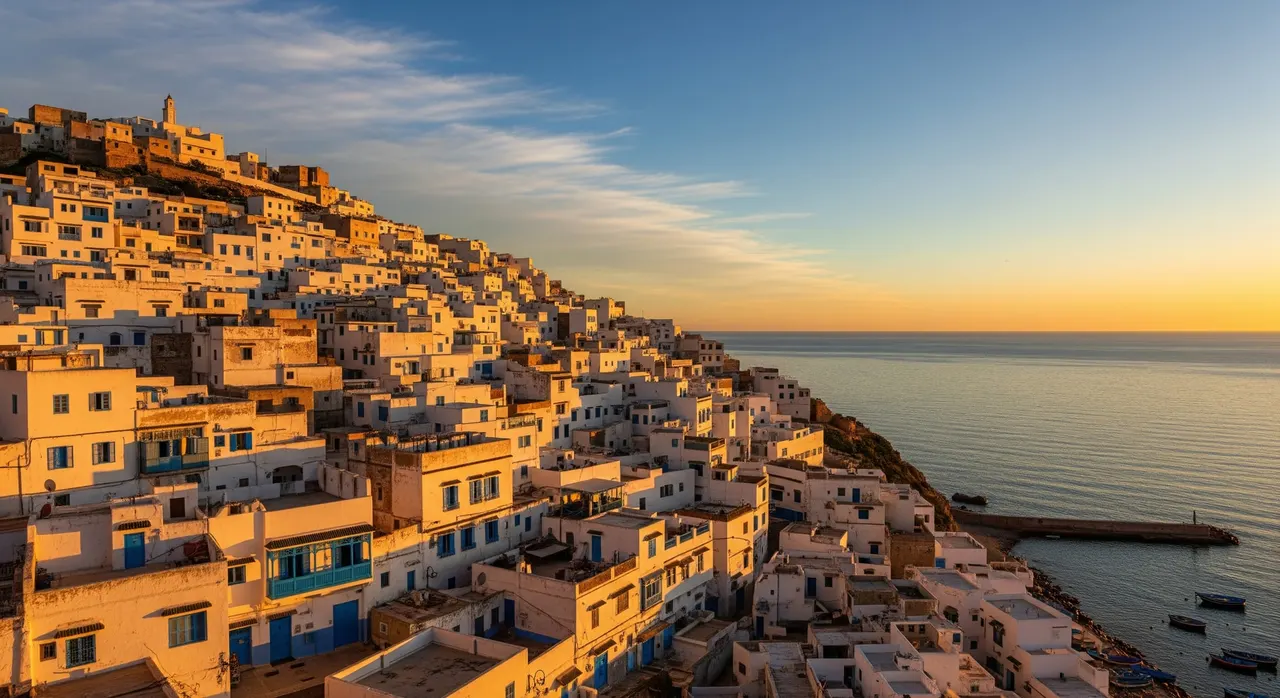
Eritrea — your starting point before relocating to ThailandEritrea
From Eritrea to Thailand

Make the move from Eritrea

Trade Eritrea for up to five years in Thailand on the DTV. We prepare and submit your entire application from wherever you are — proof of funds, category evidence and passport — so you can focus on the move, not the paperwork.

Check eligibility
Step by step

How Eritrean citizens apply for the DTV

1

Check you qualify

Almost every nationality can apply. Take our free 60-second eligibility checker to confirm your route — remote work, soft power, medical or family.

2

We prepare everything

We assemble and review your documents: proof of 500,000 THB (~$15,000), your category evidence and passport — so nothing gets rejected.

3

We submit for you

You apply from outside Thailand. We file at a Thai embassy or consulate (such as Hanoi, Ho Chi Minh, Jakarta, Vientiane or London) within one business day.

4

Get approved & move

On approval you get the 5-year, multiple-entry DTV — up to 180 days per stay, extendable once. Then make Thailand home.

Questions

DTV FAQ for Eritrean citizens

What exactly is the Destination Thailand Visa (DTV)?

The DTV is a 5-year multiple-entry visa that lets you stay in Thailand for up to 180 days per entry , extendable once for a further 180 days. It is designed for remote workers, freelancers, and those who want a long-term base in Thailand without the constraints of traditional visas.

How much money do I need to show for the DTV application?

You need to demonstrate 500,000 THB (approximately $15,000 USD) in personal funds. This can be held in any major currency and simply serves as proof that you can comfortably support yourself while living in Thailand. The funds remain yours.

Where can Eritrean citizens apply for the DTV?

You must apply from outside Thailand . There is no need to attend any specific embassy or consulate in person—our team prepares your full application and submits everything on your behalf, with service starting from $139 .

Do my Eritrean documents need to be translated?

Documents already issued in English are generally accepted as they are. Anything issued in Tigrinya or Arabic—such as bank statements or civil documents—will likely need a certified English translation before submission. We will tell you exactly what is required for your situation.

How do I get from Eritrea to Thailand?

There are no direct flights, so you will connect at least once. The most natural routing is via Addis Ababa (ADD) on Ethiopian Airlines to Bangkok (BKK), with Gulf hubs like Dubai or Doha as alternatives. Plan for roughly 14–20 hours door to door, depending on your connection.

Will the time zone difference affect my remote work?

Thailand is 4 hours ahead of Eritrea (UTC+7 vs UTC+3). In practice this works well: you can complete focused work through the Thai morning and still overlap with Eritrean colleagues or African clients during their working hours. Many remote workers find the rhythm very productive.

Where do most newcomers choose to live?

Bangkok is the usual first stop for its convenience and international feel. Chiang Mai is popular for a calmer, more affordable pace, while Phuket and Pattaya offer beach lifestyles. Each has solid internet, healthcare, and an established expat community to help you settle in.

Is healthcare in Thailand good and affordable?

Yes. Thailand is well known for high-quality, affordable medical care. Internationally accredited private hospitals such as Bumrungrad and Bangkok Hospital offer modern facilities and English-speaking staff at a fraction of Western prices, which is one reason so many expats feel comfortable relocating long term.

Can I use my bank cards and ATMs easily in Thailand?

Thailand is much more card- and app-friendly than Eritrea's cash-based economy. International cards work widely and ATMs are everywhere, though most charge around 220 THB per foreign-card withdrawal, so larger, less frequent withdrawals tend to be more economical.

What happens if my DTV application is denied?

With the optional Denial Protection add-on , you receive a 100% refund if your application is denied. We are confident in our preparation process and want to remove any financial risk from your move to Thailand.

Ready to move to Thailand from Eritrea?

Check your eligibility in under a minute, or let our team prepare and submit everything — with a 100% refund if your application is denied (with the optional paid Denial Protection add-on).