Skip to content
Africa

DTV Visa for Equatoguinean Citizens
Imagine swapping the humid equatorial air of Malabo or Bata for the tropical beaches, world-class street food, and dynamic city life of Thailand. A growing number of Equatoguinean professionals, remote workers, and families are making this move, drawn by Thailand's affordability, safety, and connectivity. Whether you are a freelancer craving a co-working hub in Chiang Mai, an entrepreneur eyeing Southeast Asian markets, or simply seeking a higher quality of life, the Destination Thailand Visa (DTV) opens the door to a new chapter in the Land of Smiles. As a five-year, multiple-entry visa, it gives you the time and freedom to settle in properly.

Every Equatoguinean citizen is eligible to apply

5

Years validity

180

Days per entry

500k

THB proof of funds

$139

Service fee from

100%

Refund if denied*

Why Equatoguinean citizens choose Thailand

Living in Thailand from Equatorial Guinea

Section 01

Why Equatoguineans Are Choosing Thailand

Equatorial Guinea's oil-driven economy and heavy reliance on imports mean everyday life can be surprisingly expensive, especially in Malabo on Bioko Island and Bata on the mainland. Thailand offers a different equation: modern infrastructure, excellent food, and a much lower cost of living. Beyond money, many Equatoguineans are drawn to Thailand's warm, tropical climate that feels familiar to home, and to its reputation as a safe, welcoming destination. The DTV lets you base yourself here for up to five years while working remotely for Equatorial Guinea-based or international employers and clients.

DTV at a Glance

The Destination Thailand Visa is a 5-year, multiple-entry visa. Each entry allows a stay of up to 180 days, extendable once inside Thailand for a further 180 days. You apply from outside Thailand, and our team prepares and submits the entire application for you, with service starting from $139.

Pro Tip: Embrace the Seasons

Thailand is tropical, but the north around Chiang Mai enjoys a refreshing cool season from November to February, perfect for escaping Malabo's year-round heat. Pack a light jacket for the highlands.

Section 02

Cost of Living: Malabo vs. Bangkok

Living in Equatorial Guinea, particularly in Malabo or Bata, can rival many European capitals for price. A one-bedroom apartment in a central district often exceeds 1,000,000 XAF (about $1,600) per month. In Thailand, a modern studio in Bangkok's trendy Sukhumvit area starts around 10,000-15,000 THB (about $300-$450) , and in Chiang Mai you can find comfortable apartments for even less. Meals tell the same story: a sit-down dinner in Malabo easily costs 15,000-20,000 XAF ($25-$33) , while a delicious Thai street-food plate is just 50-80 THB ($1.50-$2.40) . Even imported goods, which dominate shelves at home, tend to be cheaper in Thailand.

  • Monthly rent (1-bed, central): roughly 1,000,000 XAF in Malabo vs. around 12,000 THB in Chiang Mai
  • Restaurant dinner for two: about 35,000 XAF in Bata vs. roughly 400-600 THB in Bangkok
  • Monthly co-working pass: hard to find in Equatorial Guinea, but around 3,000 THB in Thailand
  • Local transport: about 2,000 XAF for a short taxi in Malabo vs. roughly 20-50 THB on Bangkok's BTS Skytrain
Section 03

Getting to Thailand from Equatorial Guinea
There are no direct flights between Equatorial Guinea and Thailand, so the trip from Malabo International Airport (SSG) or Bata Airport (BSG) to Bangkok's Suvarnabhumi (BKK) always involves at least one connection. Popular routings go via Addis Ababa, Casablanca, Istanbul, or a European hub such as Paris, with total travel time typically running 17-24 hours depending on layovers. Equatorial Guinea runs on West Africa Time (UTC+1), while Thailand uses Indochina Time (UTC+7), a 6-hour difference . When it is 9:00 AM in Malabo, it is already 3:00 PM in Bangkok, a useful thing to keep in mind when scheduling calls with clients back home.

Connectivity Fact

Carriers such as Ethiopian Airlines, Royal Air Maroc, Turkish Airlines, and Air France serve Malabo or nearby hubs. Many travellers split the long journey with a stopover in Addis Ababa, Istanbul, or Paris to arrive in Bangkok more rested. Booking well ahead usually secures smoother, shorter connections.

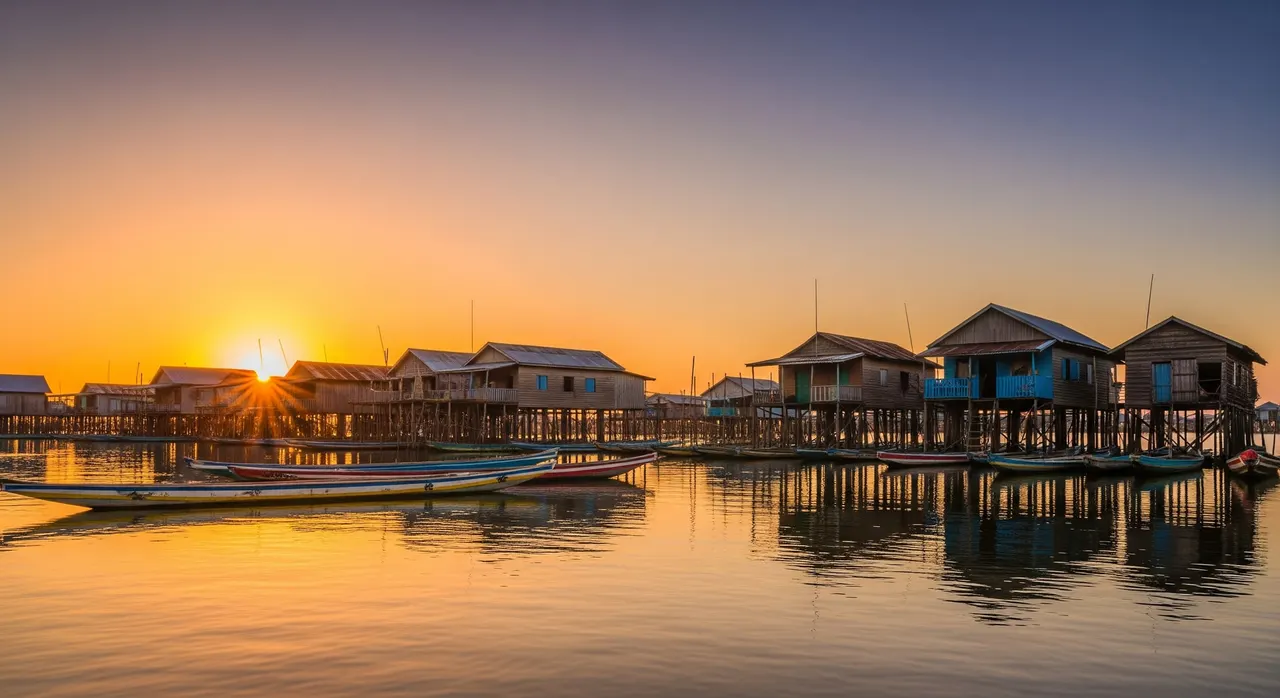
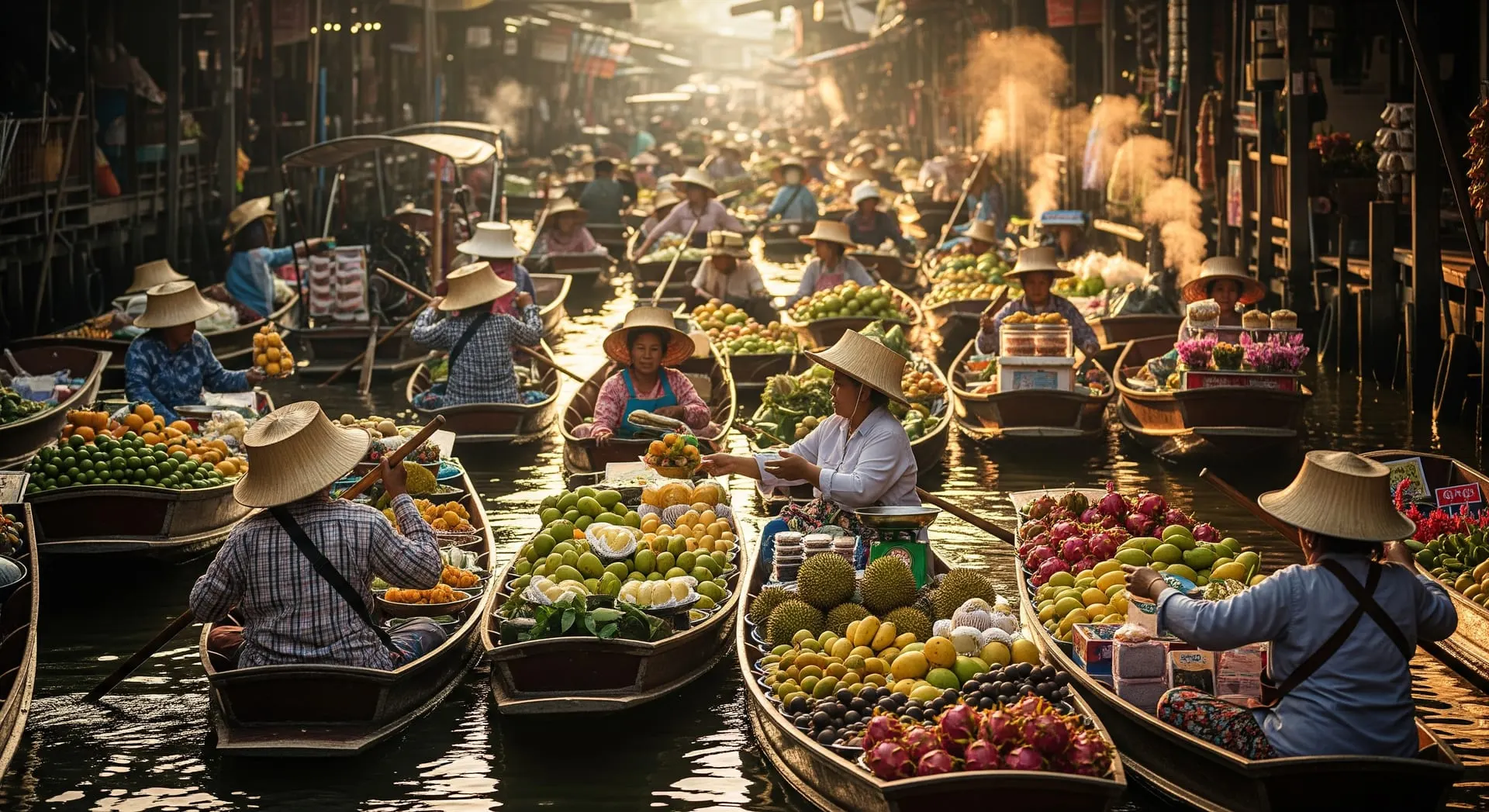
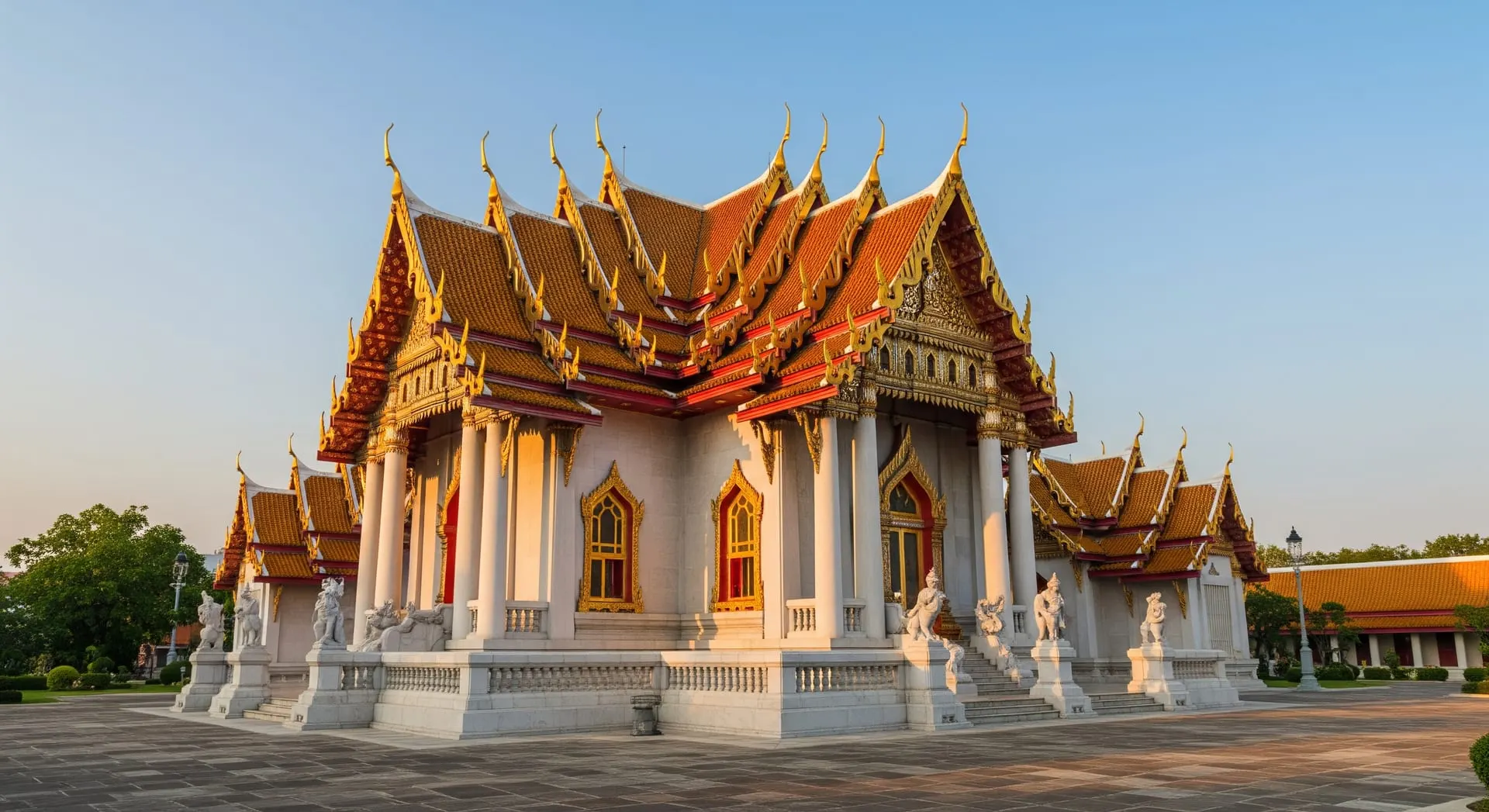
Daily life in Thailand — where Equatoguinean citizens settle on the DTV
Life in Thailand — your home base on the 5-year DTV
Section 04

Where Equatoguineans Settle in Thailand

Your ideal base depends on your lifestyle. Bangkok is the energetic capital, perfect for those who want urban buzz, international cuisine, top hospitals, and the widest flight connections. Chiang Mai in the mountainous north offers a relaxed, creative atmosphere, a large digital-nomad community, and very low living costs. Phuket and the southern islands appeal to beach lovers, divers, and anyone wanting a resort-style setting. Smaller spots like Krabi and Koh Samui are increasingly popular for their natural beauty paired with reliable internet.

  • Bangkok: best for business, networking, and world-class hospitals
  • Chiang Mai: most affordable, great for long stays, and a cultural hub
  • Phuket: tropical island lifestyle with international infrastructure
  • Krabi and Koh Samui: quieter, scenic, and increasingly well-connected
Section 05

Money, Banking, and Payments

Equatorial Guinea uses the Central African CFA franc (XAF) , which is pegged to the euro. Moving to Thailand means converting funds into Thai baht (THB). Traditional international bank transfers can carry steep fees and poor rates, so many expats rely on services like Wise or Revolut for better value. In urban Thailand, credit and debit cards are widely accepted, but cash still rules at local markets and small vendors. ATMs are everywhere, though a foreign-card fee of around 220 THB usually applies per withdrawal. To meet the DTV financial requirement, you will need to show proof of 500,000 THB (~$15,000) in personal funds.

Banking Tip

Once you are settled, opening a Thai bank account helps you avoid repeated foreign-withdrawal fees and makes local payments far easier. You will typically need your passport and your DTV documentation, and we can point you in the right direction.

Section 06

Documents & Translation Essentials

The official working languages of Equatorial Guinea are Spanish and French , with Spanish the most widely used in official and financial paperwork. Because DTV supporting documents should be in English (or Thai), your bank statements, proof of income, and similar paperwork issued in Spanish or French will most likely need certified English translations . This is a routine, straightforward step. Our team reviews your full document set in advance, flags anything that needs translating, and helps you avoid the small errors that cause delays.

  • Valid passport with at least six months' validity remaining
  • Proof of 500,000 THB (~$15,000) in personal funds, typically via bank statements
  • Certified English translations of any Spanish or French financial documents
  • Supporting evidence of remote work, freelance activity, or your qualifying purpose
Section 07

Daily Life: Healthcare, Connectivity & Community

Thailand's private healthcare is internationally accredited and far more affordable than comparable care in Equatorial Guinea or the West, with a routine doctor's consultation often under 1,000 THB. Internet is fast and dependable, with fibre available even in smaller towns and 5G across the cities, a welcome contrast to the connectivity hiccups common in parts of Equatorial Guinea. The food alone is a draw: aromatic curries, fresh tropical fruit, and endless street-food options at unbeatable prices. The Equatoguinean diaspora in Thailand is still small, but you will find a warm welcome among broader African expat groups and a steadily growing Spanish-speaking community that makes settling in feel less daunting.

  • Healthcare: world-class private hospitals such as Bumrungrad in Bangkok
  • Internet: 5G in the cities and fibre-optic connections widely available
  • Community: African expat networks and Spanish-speaking groups ease the transition
  • Safety: Thailand ranks among the more secure destinations in Southeast Asia

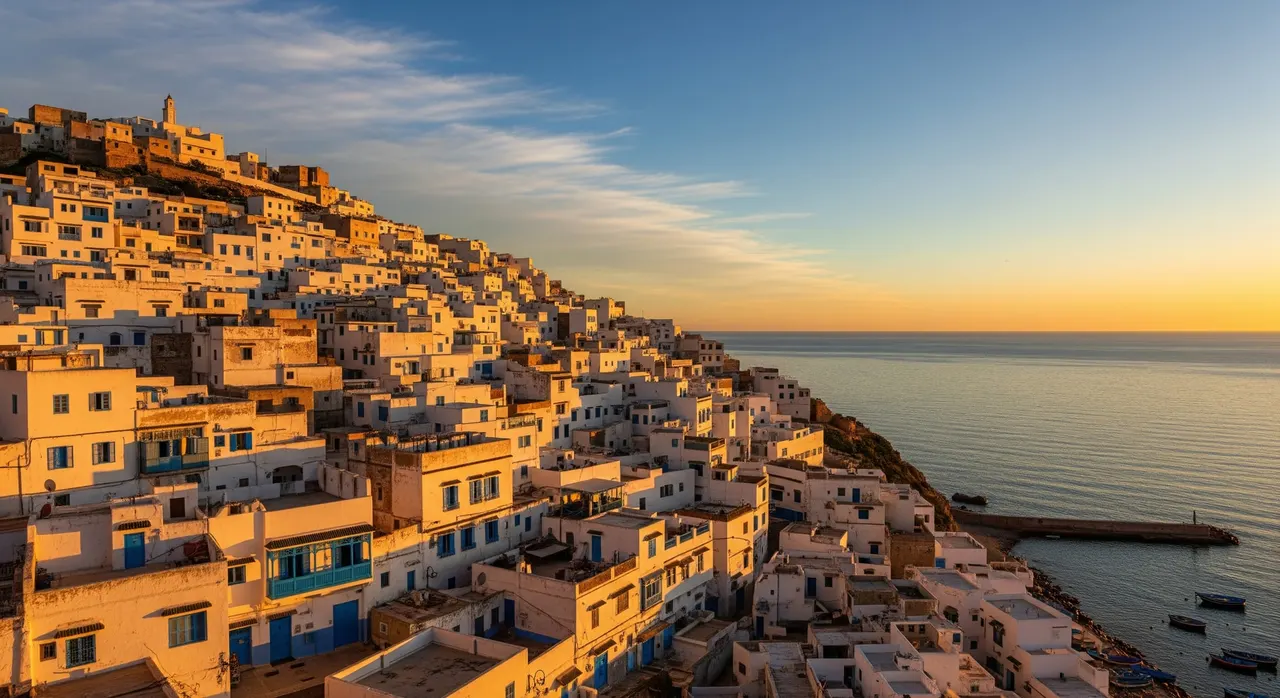
Equatorial Guinea — your starting point before relocating to ThailandEquatorial Guinea
From Equatorial Guinea to Thailand

Make the move from Equatorial Guinea

Trade Equatorial Guinea for up to five years in Thailand on the DTV. We prepare and submit your entire application from wherever you are — proof of funds, category evidence and passport — so you can focus on the move, not the paperwork.

Check eligibility
Step by step

How Equatoguinean citizens apply for the DTV

1

Check you qualify

Almost every nationality can apply. Take our free 60-second eligibility checker to confirm your route — remote work, soft power, medical or family.

2

We prepare everything

We assemble and review your documents: proof of 500,000 THB (~$15,000), your category evidence and passport — so nothing gets rejected.

3

We submit for you

You apply from outside Thailand. We file at a Thai embassy or consulate (such as Hanoi, Ho Chi Minh, Jakarta, Vientiane or London) within one business day.

4

Get approved & move

On approval you get the 5-year, multiple-entry DTV — up to 180 days per stay, extendable once. Then make Thailand home.

Questions

DTV FAQ for Equatoguinean citizens

How long is the DTV visa valid for Equatoguinean citizens?

The Destination Thailand Visa is valid for 5 years. It is a multiple-entry visa, so you can enter and leave Thailand as often as you like throughout that period.

How many days can I stay per entry?

You can stay up to 180 days per entry. Each 180-day stay can be extended once for another 180 days inside Thailand, allowing up to 360 consecutive days before you need to exit and re-enter.

What financial proof do I need as an Equatoguinean applicant?

You must show proof of 500,000 THB (~$15,000) in personal funds. This standard requirement demonstrates that you can comfortably support yourself while living in Thailand.

Can I apply for the DTV from within Thailand?

No. You must apply from outside Thailand. Our team prepares and submits the entire application on your behalf, so you do not have to navigate the paperwork alone.

Will my Spanish or French documents need to be translated?

Most likely, yes. Because Equatorial Guinea's official languages are Spanish and French, your financial and supporting documents will usually need certified English translations for the DTV application. We review everything in advance and tell you exactly what needs translating.

How long is the flight from Malabo to Bangkok?

Total travel time is typically 17-24 hours with at least one stopover, depending on the route. Common connections run via Addis Ababa, Casablanca, Istanbul, or Paris. There are no direct flights.

Is Thailand's time zone suitable for remote work with Equatorial Guinea?

Thailand (UTC+7) is 6 hours ahead of Equatorial Guinea (UTC+1). Your mornings in Thailand line up with the early hours back home, so with a little planning, late-afternoon and evening work in Thailand overlaps nicely with the Equatoguinean business day.

Are there any Equatoguinean communities in Thailand?

The Equatoguinean community is small, but there is a growing presence of expats from across Africa and from Spanish-speaking countries. Social-media groups and cultural events make it easy to connect with fellow Africans and Spanish speakers in Thailand.

What happens if my visa application is denied?

With our optional Denial Protection add-on, you receive a 100% refund of our service fee if your DTV application is not approved. It is designed to make your relocation worry-free.

How much does your DTV application service cost?

Our service for preparing and submitting your DTV application starts from $139, covering document review, form preparation, and submission handled entirely by our team.

Can I bring my family with me on the DTV visa?

Yes. Eligible dependents, such as a spouse and dependent children, can be included so your household can relocate together. We will outline the documents each family member needs.

Ready to move to Thailand from Equatorial Guinea?

Check your eligibility in under a minute, or let our team prepare and submit everything — with a 100% refund if your application is denied (with the optional paid Denial Protection add-on).