Skip to content
Africa

DTV Visa for Congolese Citizens
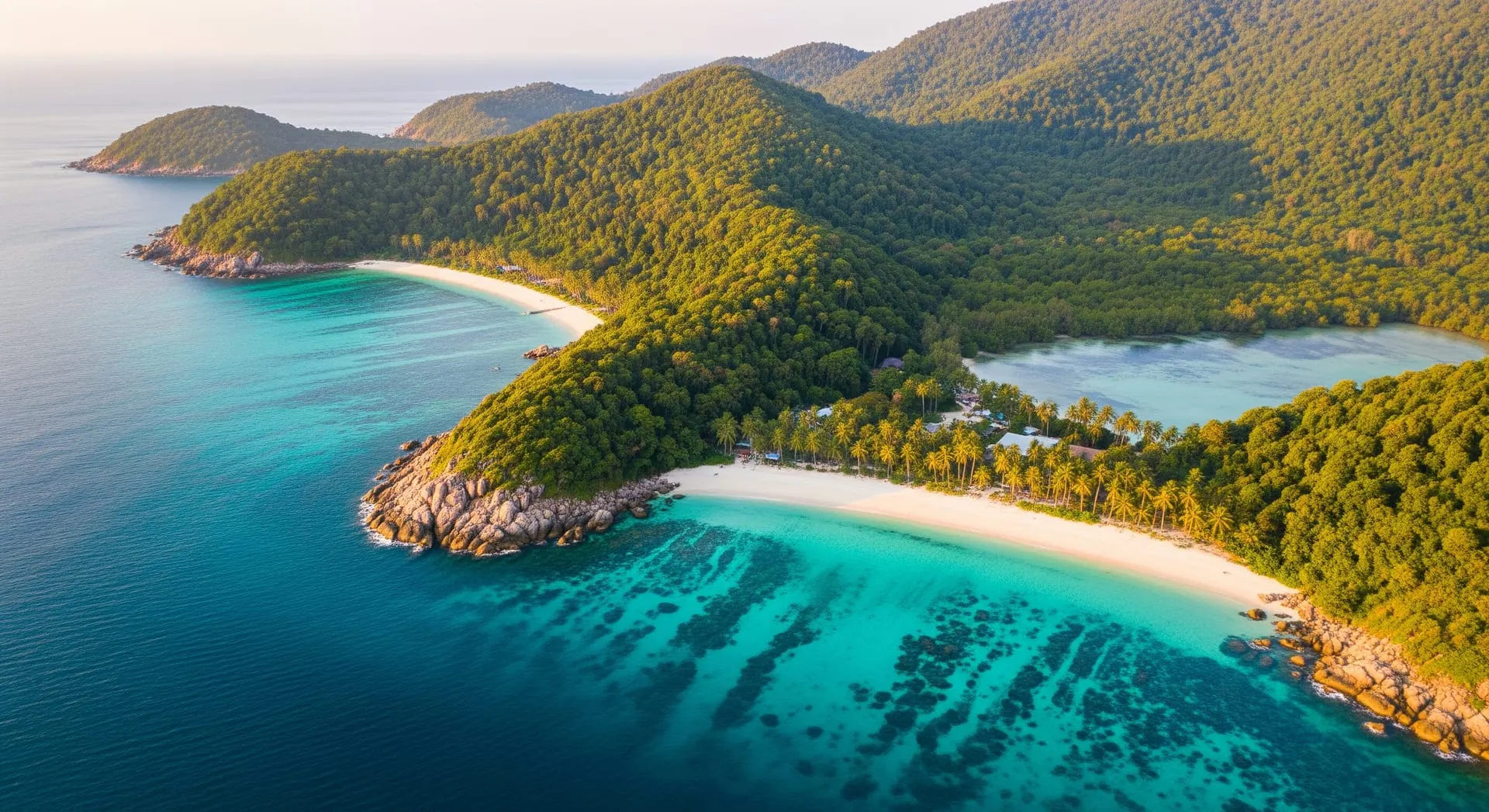
Imagine swapping the relentless buzz of Kinshasa or the mining hub of Lubumbashi for the calm beaches of Krabi or the temple-lined streets of Chiang Mai, all while keeping your career remote. For Congolese professionals, entrepreneurs, and families, Thailand is no longer just a faraway dream; it is a genuine path to a more affordable, secure, and comfortable life. The Destination Thailand Visa (DTV) is a 5-year multiple-entry visa that lets you settle into the Land of Smiles on your own terms, enjoying world-class healthcare, low daily costs, fast internet, and a friendly international community. Best of all, you apply from outside Thailand and our team prepares and submits everything for you.

Every Congolese citizen is eligible to apply

5

Years validity

180

Days per entry

500k

THB proof of funds

$139

Service fee from

100%

Refund if denied*

Why Congolese citizens choose Thailand

Living in Thailand from DR Congo

Section 01

Why Thailand Is Calling Congolese Citizens

More Congolese are looking east, and Thailand stands out as safe, affordable, and welcoming. The contrast with day-to-day life in DR Congo is striking: reliable electricity, fast fibre internet, modern hospitals, smooth roads, and a public-transport network that actually runs on time. The DTV lets you stay for long stretches and work remotely for a company or clients based outside Thailand, all while your cost of living often drops below what you pay back home. The tropical climate will feel familiar to anyone used to Kinshasa's equatorial heat, though Thailand's distinct hot, rainy, and cool seasons add welcome variety. For Congolese who want adventure without giving up comfort and stability, it is a compelling move.

DTV at a glance

The Destination Thailand Visa is a 5-year multiple-entry visa. Each entry allows a stay of up to 180 days, extendable once for a further 180 days (up to 360 days per visit). You need to show proof of 500,000 THB (~$15,000) in personal funds. You apply from outside Thailand, our team prepares and submits everything, and our service starts from $139.

Section 02

Cost of Living: DR Congo vs Thailand

You Could Save Thousands Annually

A modern one-bedroom apartment in central Kinshasa often runs $800-$1,200 per month, while a comparable condo in Bangkok costs $400-$700, and in Chiang Mai $250-$450. A restaurant meal in Kinshasa can cost $15-$25; in Thailand a tasty street-food plate is often $1.50-$3. Across a year, the gap easily adds up to thousands of dollars saved.

Even after meeting the DTV's savings requirement, your everyday spending in Thailand is dramatically lower than in DRC's major cities. Rent in popular expat areas such as Chiang Mai starts around $250-$300 per month for a serviced studio, often a third of what an equivalent place costs in Kinshasa or Gombe. Coworking spaces with fast, stable internet run $50-$120 per month. Getting around is cheap too: a short motorbike-taxi or tuk-tuk hop costs roughly 60-80 THB, and a monthly Bangkok BTS Skytrain pass is around 1,000-1,100 THB. Fresh produce at local markets, mobile data, and dining out are all a fraction of what Congolese expats are used to paying.

Section 03

Getting to Thailand from DR Congo

Thailand is more reachable than many Congolese assume. There are no direct flights, but one- or two-stop journeys from Kinshasa's N'Djili International Airport (FIH) to Bangkok's Suvarnabhumi Airport (BKK) typically run 16-22 hours including layovers. The most convenient routings connect through Addis Ababa on Ethiopian Airlines, Doha on Qatar Airways, Istanbul on Turkish Airlines, or via Nairobi. From Lubumbashi (FBM), most travellers route via Addis Ababa, Nairobi, or Johannesburg before the long-haul leg to Bangkok. Once you land, Suvarnabhumi's modern terminals and the Airport Rail Link make onward travel into the city quick and easy.

Tip for Your Journey

Book flights a few weeks ahead for the best fares and pick a routing with a single, longer layover rather than two tight connections. Thailand is GMT+7, so it sits about 6 hours ahead of Kinshasa (GMT+1) and 5 hours ahead of Lubumbashi (GMT+2) - a small enough gap that jet lag fades within a day or two.

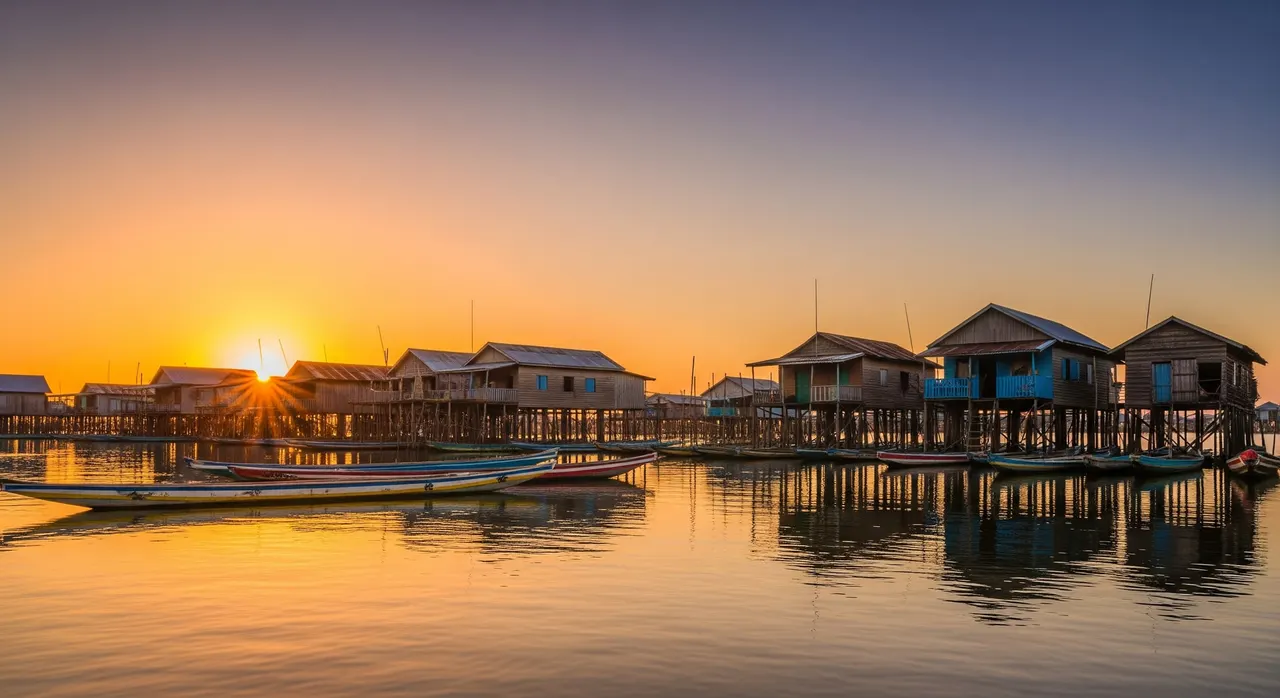
Daily life in Thailand — where Congolese citizens settle on the DTV
Life in Thailand — your home base on the 5-year DTV
Section 04

Where Congolese Expats & Nomads Settle in Thailand

  • Bangkok - The capital offers endless networking, international cuisine, top hospitals, and a cosmopolitan vibe. Sukhumvit and Phrom Phong are popular for their central location and amenities.
  • Chiang Mai - A favourite for remote workers, with a relaxed pace, mountain scenery, strong coworking scene, and noticeably lower costs than Bangkok.
  • Phuket - Best for beach lovers, with coastal living and a growing remote-work infrastructure; Kata, Rawai, and Chalong are common bases.
  • Pattaya - A lively coastal city with great-value condos and a large, diverse expat community, only about two hours from Bangkok.
Section 05

Money & Banking: Transferring Funds from DR Congo

Managing money across continents is manageable with a little planning. Most Congolese expats fund their stay through international wire transfers from a bank in Kinshasa or Lubumbashi, or via fintech apps such as Wise or Revolut for lower fees and better rates. The Congolese franc (CDF) is not easily exchanged for Thai baht (THB), so it is best to hold US dollars or euros and convert them in Thailand, where rates are competitive. ATMs are everywhere, though local machines charge a withdrawal fee of about 220 THB per transaction, so larger, less frequent withdrawals make sense. Once settled, many expats eventually open a local Thai account to simplify rent, bills, and everyday spending.

Smart Money Move

Carry a mix of USD cash and an international card, and tell your Congolese bank you are travelling so transactions are not blocked. Withdraw larger amounts less often to spread out the ~220 THB ATM fee, and time bigger transfers for when the baht rate is favourable.

Section 06

Documents & Translation: Preparing Your Application

DR Congo's official language is French, so your supporting documents will most likely need certified English (or Thai) translations for the DTV application. Bank statements proving your funds, proof of remote employment or self-employment, and any other paperwork should be translated by a sworn or certified translator to keep everything clear and consistent. The good news is you do not have to figure this out alone: our team tells you exactly which documents are needed and how they should be presented, then prepares and submits the full application on your behalf while you remain outside Thailand.

  • A passport valid for the duration of your intended stay.
  • Proof of personal funds of 500,000 THB (~$15,000), typically via recent bank statements.
  • Evidence of remote work, freelancing, or another qualifying DTV activity.
  • Certified English or Thai translations of any French-language documents.
Section 07

Daily Life & Community in Thailand

Thailand makes settling in easy. Private healthcare is excellent and far cheaper than comparable care in DRC, and many doctors and hospital staff speak English. Internet is fast and reliable, with widespread 5G and fibre that comfortably support video calls and remote work. There is a small but growing community of Congolese and other African expats, especially in Bangkok and Phuket, where cultural meetups and online groups help newcomers find their feet. Congolese cuisine is not widely available, but you can cook at home with imported ingredients or dive into Thailand's endless Thai and international food scene. Above all, day-to-day life feels safe: violent crime is rare and walking around in the evening is normal in most neighbourhoods.

Community Connection

Search Facebook for groups like 'Congolese in Thailand' or 'Africans in Bangkok' before you fly out. Members share practical tips on housing, SIM cards, schools, and even where to find a good barber or braiding salon.

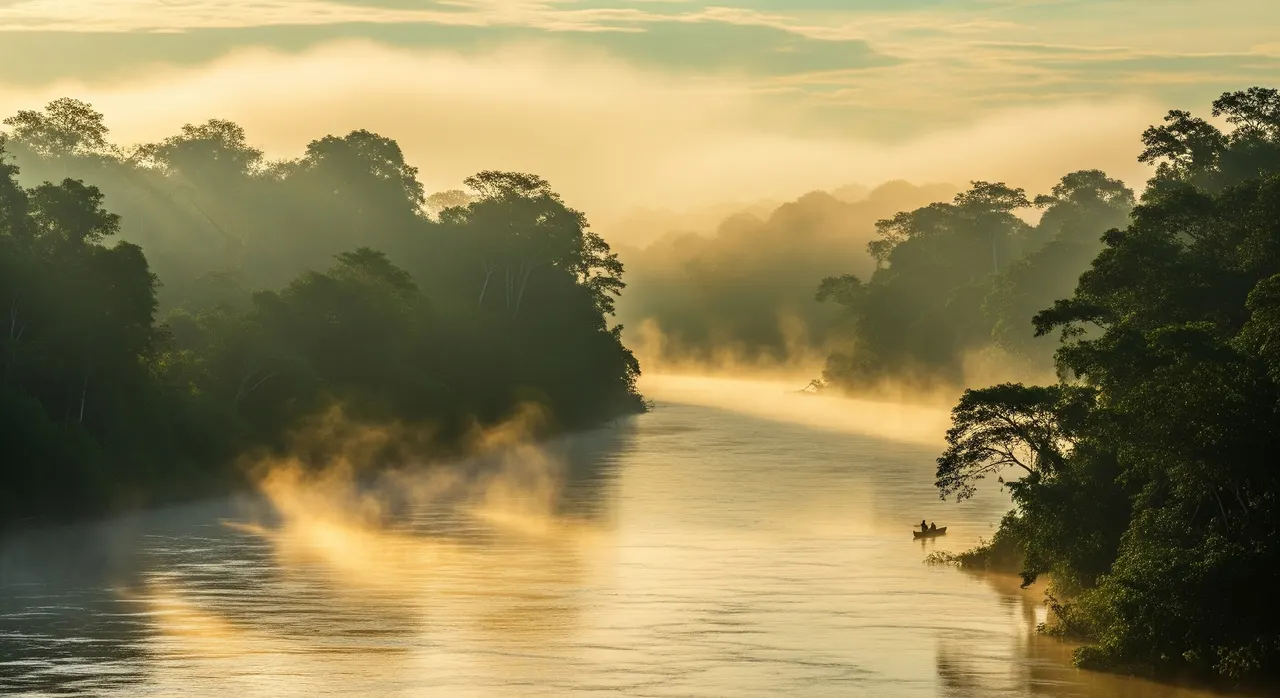
DR Congo — your starting point before relocating to ThailandDR Congo
From DR Congo to Thailand

Make the move from DR Congo

Trade DR Congo for up to five years in Thailand on the DTV. We prepare and submit your entire application from wherever you are — proof of funds, category evidence and passport — so you can focus on the move, not the paperwork.

Check eligibility
Step by step

How Congolese citizens apply for the DTV

1

Check you qualify

Almost every nationality can apply. Take our free 60-second eligibility checker to confirm your route — remote work, soft power, medical or family.

2

We prepare everything

We assemble and review your documents: proof of 500,000 THB (~$15,000), your category evidence and passport — so nothing gets rejected.

3

We submit for you

You apply from outside Thailand. We file at a Thai embassy or consulate (such as Hanoi, Ho Chi Minh, Jakarta, Vientiane or London) within one business day.

4

Get approved & move

On approval you get the 5-year, multiple-entry DTV — up to 180 days per stay, extendable once. Then make Thailand home.

Questions

DTV FAQ for Congolese citizens

How long is the flight from DR Congo to Thailand?

There are no direct flights, but one-stop journeys from Kinshasa to Bangkok typically take 16-22 hours including the layover. Common routings connect via Addis Ababa, Doha, Istanbul, or Nairobi. With Thailand only about 6 hours ahead of Kinshasa, jet lag is mild and most travellers adjust within a day or two.

Can I work remotely for my Congolese employer while on the DTV?

Yes. The Destination Thailand Visa is built for remote workers, letting you live in Thailand while working for a company or clients based outside the country. Each entry allows a stay of up to 180 days, extendable once for a further 180 days.

Is there a Congolese community in Thailand?

Yes, a small but growing network of Congolese and broader African expats lives in Bangkok, Phuket, and other major hubs. Online groups and cultural associations make it easy to connect, swap advice, and settle in faster.

Do I need to prove financial means to apply for the DTV?

Yes. You must show proof of personal funds of 500,000 THB (approximately $15,000), usually through recent bank statements. We guide you on exactly how to prepare and present this so it meets the requirement.

Can I apply for the DTV from inside Thailand?

No. Applications must be submitted while you are outside Thailand. Our service prepares and submits everything on your behalf, so the process runs smoothly from your home country.

What happens if my DTV application is refused?

With our optional Denial Protection add-on, you receive a 100% refund if your application is not approved. It is an easy way to apply with complete peace of mind.

How long is the Destination Thailand Visa valid for?

The DTV is a 5-year multiple-entry visa. Each time you enter Thailand you are granted a stay of up to 180 days, which can be extended once for a further 180 days per visit.

Do my documents from DR Congo need to be translated?

Most likely, yes. Because DR Congo's official language is French, your bank statements and other supporting documents will usually need certified English or Thai translations. We can point you to trusted translation services.

How much does your DTV service cost?

Our full DTV preparation and submission service starts from $139, depending on the package you choose. We handle the paperwork so you can focus on planning your move to Thailand.

Can my family come with me on the DTV?

Yes. Eligible dependants, such as a spouse and children under 20, can apply for accompanying DTV dependant visas tied to your application. Our team can prepare the family's documents together so everyone is covered for the move.

Ready to move to Thailand from DR Congo?

Check your eligibility in under a minute, or let our team prepare and submit everything — with a 100% refund if your application is denied (with the optional paid Denial Protection add-on).