Skip to content
Africa

DTV Visa for Djiboutian Citizens
For citizens of Djibouti weary of searing Gulf of Tadjoura heat, heavy import mark-ups and one of the highest costs of living in the Horn of Africa, Thailand offers a genuinely refreshing alternative. With the Destination Thailand Visa (DTV) — a five-year, multiple-entry visa built for remote workers, freelancers and digital nomads — you can swap Djibouti City for the markets of Bangkok, the cool hills of Chiang Mai or the beaches of Phuket, all while keeping your overseas income. Best of all, you apply from outside Thailand and a specialist team prepares and submits the entire application for you.

Every Djiboutian citizen is eligible to apply

5

Years validity

180

Days per entry

500k

THB proof of funds

$139

Service fee from

100%

Refund if denied*

Why Djiboutian citizens choose Thailand

Living in Thailand from Djibouti

Section 01

Why Djiboutians Are Choosing Thailand

Thailand's appeal to Djiboutian nationals comes down to one thing above all: value for money . Djibouti runs an import-dependent economy where almost everything — electronics, fresh produce, fuel, furnishings — arrives by ship and carries steep mark-ups, leaving the capital surprisingly expensive for the region. Thailand flips that equation. Local wet markets, street kitchens and modern condos mean a comfortable lifestyle costs a fraction of what it does back home, freeing up your income for travel and savings.

Beyond the budget, there is the climate variety, the world-class private hospitals, fibre-fast internet in every city, and a deeply welcoming culture. Add a large, established expat community and a thriving network of coworking spaces, and it is easy to see why Djiboutian remote workers and entrepreneurs are making Thailand their base.

The DTV at a Glance

The Destination Thailand Visa is a 5-year, multiple-entry visa. Each entry allows a stay of up to 180 days, extendable once for a further 180 days, so you can structure up to roughly a year in Thailand per cycle. You must show proof of 500,000 THB (~$15,000) in personal funds. You apply from outside Thailand, and the company prepares and submits everything on your behalf. Service starts from $139, with a 100% refund if you are denied (with the optional Denial Protection add-on).

Section 02

Cost of Living: Djibouti vs. Thailand

Djibouti City is notoriously pricey for the Horn of Africa, largely because so little is produced domestically. A furnished one-bedroom apartment in a desirable central district can run well over 250,000–400,000 Djiboutian francs (roughly 1,400–2,200 USD) a month, and imported groceries pile on the cost. In Bangkok, a comparable modern one-bedroom condo with a pool and gym typically starts around 18,000–28,000 THB (500–800 USD), and in Chiang Mai you can find excellent apartments for even less.

Day-to-day spending follows the same pattern. A filling meal at a local Thai restaurant often costs 60–80 THB, a fraction of dining out in Djibouti, and fresh fruit and vegetables are abundant and cheap year-round rather than shipped in. Your remote-work income simply stretches much further.

  • Rent – A central one-bedroom in Bangkok from ~18,000 THB/month; in Chiang Mai often 10,000–15,000 THB — well below central Djibouti City rents.
  • Eating out – Local Thai meals from 60–80 THB; even mid-range Western restaurants undercut imported dining in Djibouti.
  • Internet – Reliable home fibre (300–500 Mbps) typically runs around 500–700 THB/month, comfortably under 20 USD.
  • Cash – Thai ATMs are everywhere; expect a fixed foreign-card withdrawal fee of about 220 THB per transaction, so withdraw larger amounts at once.
Section 03

Getting to Thailand from Djibouti

There are no direct flights from Djibouti–Ambouli International Airport (JIB) to Thailand, so you will connect through a hub. The most reliable routings are via Addis Ababa on Ethiopian Airlines — a short hop north before the long-haul leg east — or via Dubai on Emirates or flydubai . Total journey time is usually around 13–18 hours including the layover, depending on connection length. Most Djiboutian travellers land at Bangkok's Suvarnabhumi Airport (BKK), then take a quick domestic flight or comfortable VIP bus onward to Chiang Mai, Phuket or wherever they are settling.

Time Zone & Working Hours

Thailand (UTC+7) is 4 hours ahead of Djibouti (UTC+3). For remote workers this is convenient: a 9-to-5 day in Djibouti City lines up with roughly 1 PM to 9 PM in Thailand, leaving your Thai mornings free for the gym, errands or exploring before your overlap hours with home begin.

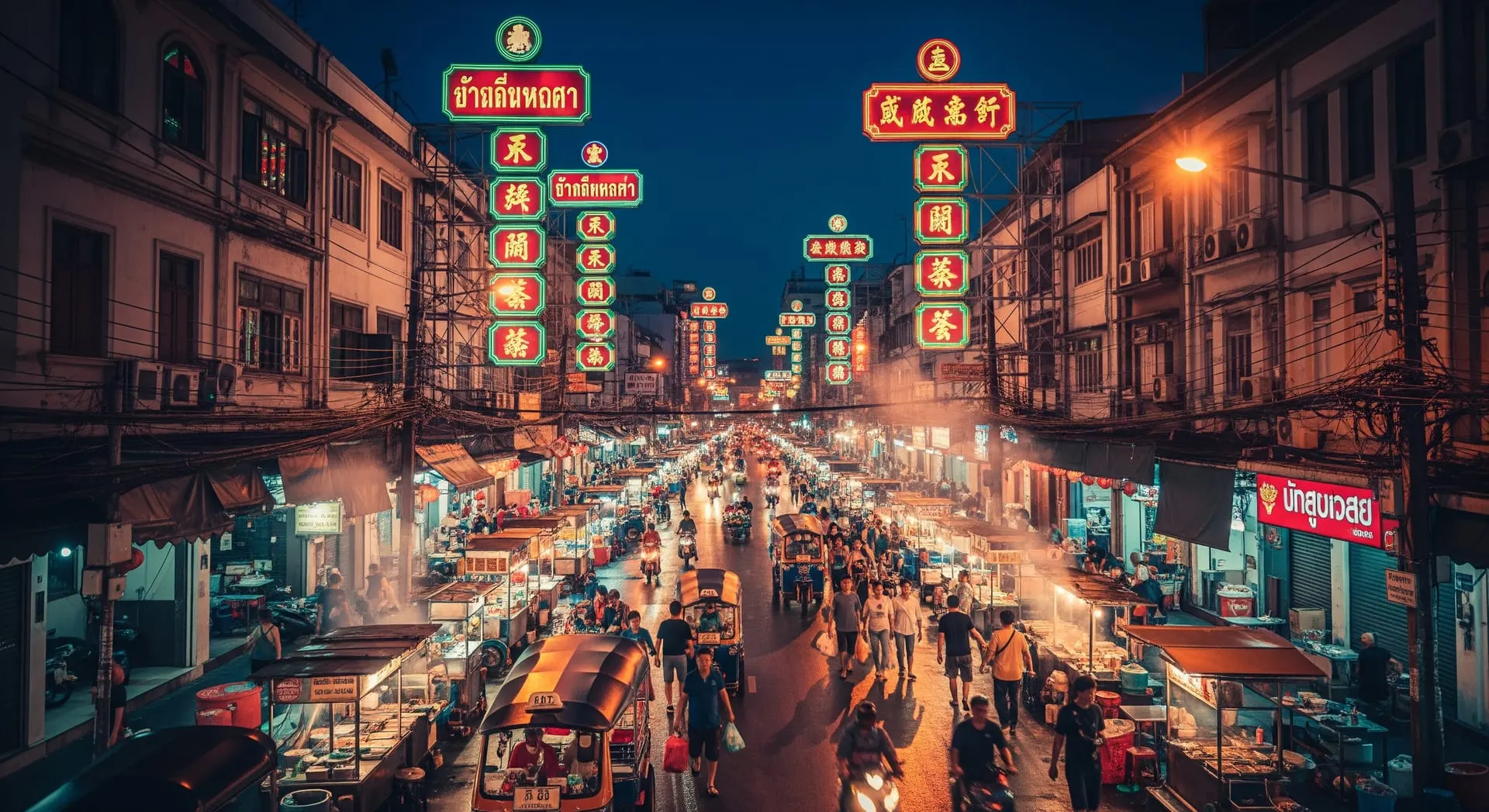
Daily life in Thailand — where Djiboutian citizens settle on the DTV
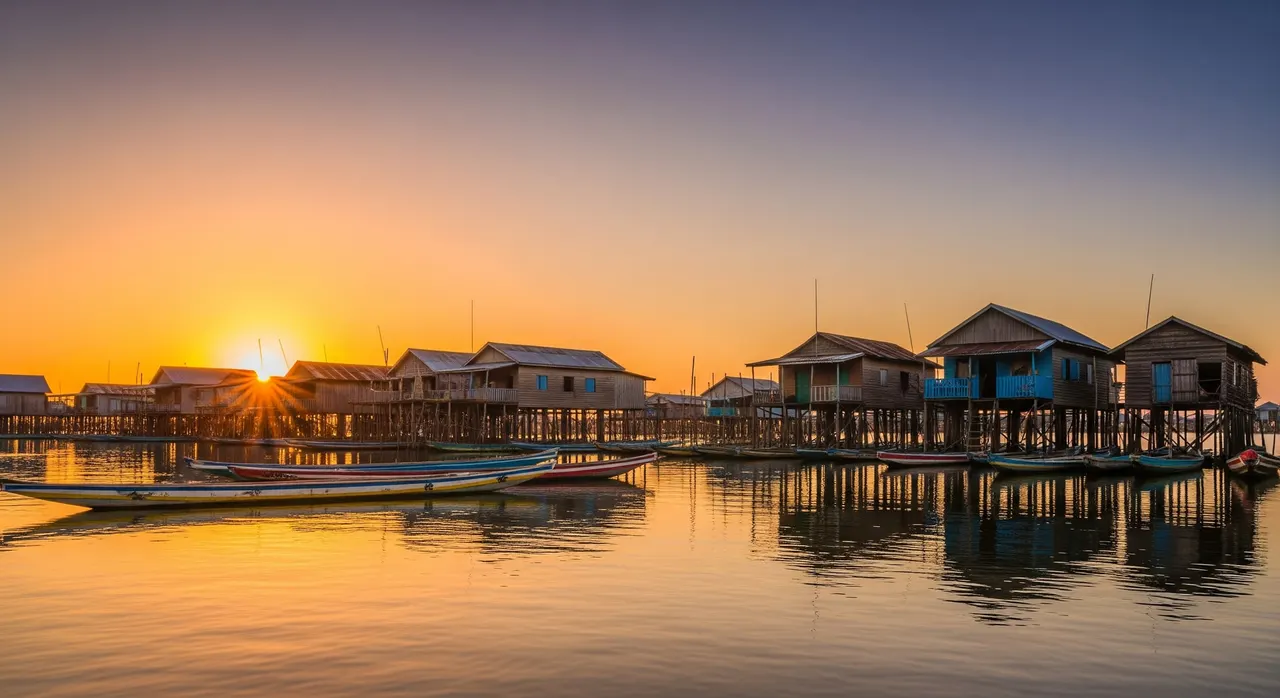
Life in Thailand — your home base on the 5-year DTV
Section 04

Where Djiboutian Nomads Settle

  • Bangkok – The fast-paced capital for those who want big-city energy, polished coworking spaces (The Hive, JustCo, WeWork) and an international food scene that includes Middle Eastern, African and halal grocery imports.
  • Chiang Mai – Northern Thailand's classic digital-nomad hub: low rents, a cooler dry-season climate, leafy old-city cafes and a tight-knit community of location-independent professionals.
  • Phuket – Island living with beaches, a relaxed pace and a growing crop of beachfront cafes set up for remote work — ideal if you want a permanent-vacation feel without sacrificing connectivity.

Wherever you land, you will find internationally accredited (JCI) hospitals with English-speaking staff, 5G mobile coverage, and food to suit most tastes — including plentiful halal dining and dedicated halal-certified restaurants in Bangkok and the tourist islands, a familiar comfort for many Djiboutian residents.

Section 05

Money & Banking

The Djiboutian franc (DJF) is pegged to the US dollar, which makes budgeting in Thai baht straightforward — you can think largely in dollar terms when planning. Day to day, Thailand runs heavily on the cashless PromptPay/QR system, but international Visa and Mastercard cards work widely, and ATMs are on virtually every street. Expect that fixed ~220 THB fee per foreign-card withdrawal, so take out larger sums less often.

The DTV does not grant the right to open a Thai bank account by itself, and rules vary by branch. Many newcomers manage perfectly well in the early months with a multi-currency or travel card (such as Wise or Revolut) for low-fee spending, then explore a local account once they have a longer-term lease and address.

Section 06

Documents & Translation

The DTV is a paperwork-driven application, and getting your documents in order is where most of the effort goes — which is exactly what the service handles for you. The core requirement is proof of 500,000 THB (~$15,000) in personal funds, typically shown via recent bank statements, alongside your passport and supporting evidence of your remote work, freelance activity or relevant background.

Because Djibouti's official languages are French and Arabic rather than English, bank statements and other supporting paperwork will usually need a certified English (or Thai) translation to be accepted. Plan for this early: arranging certified translations of your financial documents before you submit avoids last-minute delays.

Keep Funds Visible Early

Have the 500,000 THB (~$15,000) sitting clearly in an accessible personal account well before you apply, and keep statements consistent. A clean, well-documented financial trail — properly translated from French or Arabic — makes the whole process smoother.

Section 07

Daily Life & Community

Life in Thailand will feel both familiar and refreshingly new for Djiboutians. The warmth and hospitality echo home, and the strong Muslim communities in Bangkok, Phuket and the south mean mosques, halal food and a respectful environment are easy to find. What changes is the abundance: lush greenery instead of desert, cool mountain air a short flight away, and a cost base that lets you actually enjoy it all.

French speakers will find pockets of Francophone community and travellers across the expat scene, while English is the everyday lingua franca among nomads and in coworking spaces, making it easy to build a network fast. Between weekend trips to islands and temples, active online groups, and regular meetups, most newcomers settle into a routine within their first few weeks.

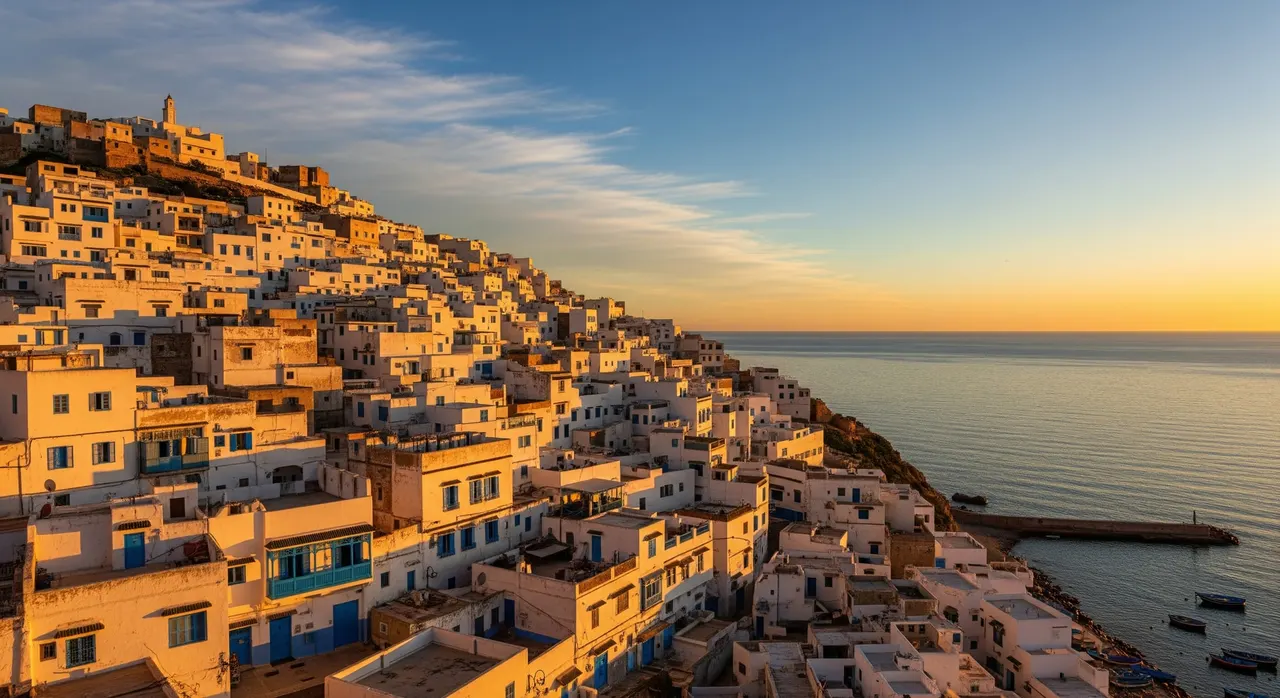
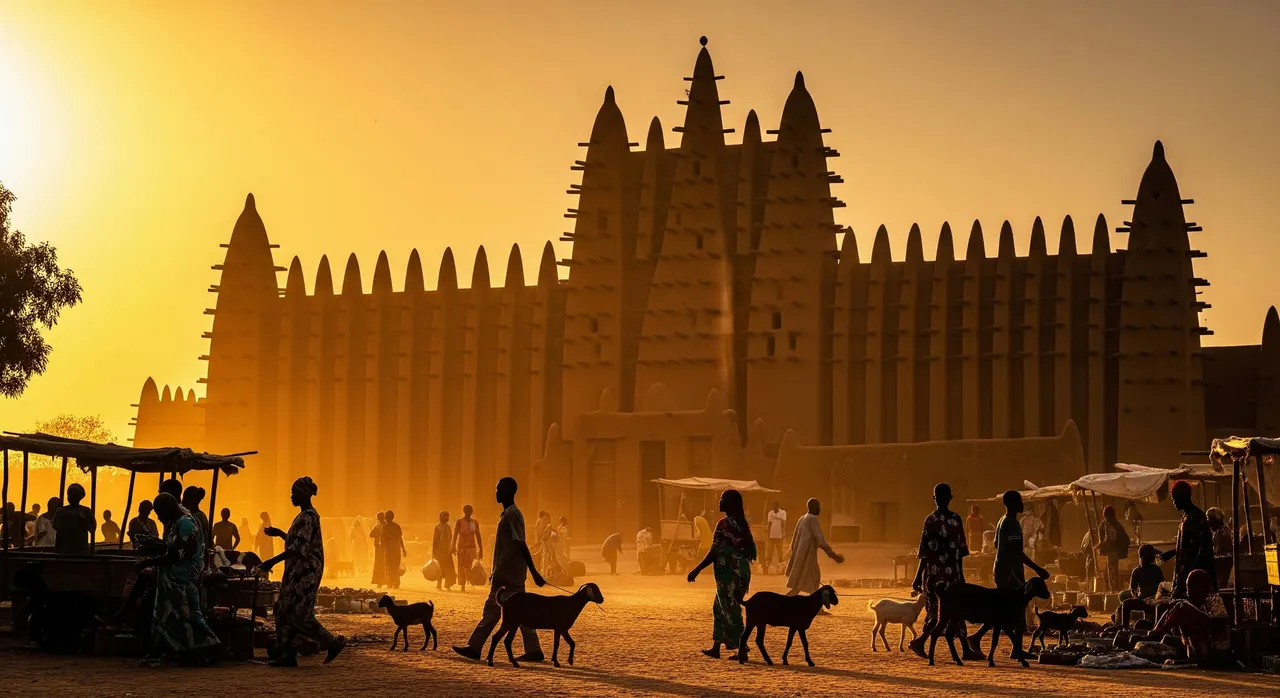
Djibouti — your starting point before relocating to ThailandDjibouti
From Djibouti to Thailand

Make the move from Djibouti

Trade Djibouti for up to five years in Thailand on the DTV. We prepare and submit your entire application from wherever you are — proof of funds, category evidence and passport — so you can focus on the move, not the paperwork.

Check eligibility
Step by step

How Djiboutian citizens apply for the DTV

1

Check you qualify

Almost every nationality can apply. Take our free 60-second eligibility checker to confirm your route — remote work, soft power, medical or family.

2

We prepare everything

We assemble and review your documents: proof of 500,000 THB (~$15,000), your category evidence and passport — so nothing gets rejected.

3

We submit for you

You apply from outside Thailand. We file at a Thai embassy or consulate (such as Hanoi, Ho Chi Minh, Jakarta, Vientiane or London) within one business day.

4

Get approved & move

On approval you get the 5-year, multiple-entry DTV — up to 180 days per stay, extendable once. Then make Thailand home.

Questions

DTV FAQ for Djiboutian citizens

What exactly is the Destination Thailand Visa for Djiboutian citizens?

It is a 5-year, multiple-entry visa that lets you stay in Thailand for up to 180 days per entry, extendable once per visit for a further 180 days. You can leave and re-enter to begin a new stay, making it an excellent long-term base for remote workers, freelancers and digital nomads from Djibouti.

How much money do I need to show for the DTV?

You must provide evidence of at least 500,000 THB (approximately $15,000) in personal funds. This is usually shown with recent bank statements, and the figure is the same for every nationality.

Do I apply from inside Thailand?

No. You apply from outside Thailand, and the company prepares and submits the entire application on your behalf. Service starts from $139, and with the optional Denial Protection add-on you receive a 100% refund if your application is denied.

Will my Djiboutian bank statements need to be translated?

Most likely yes. Djibouti's official languages are French and Arabic, so your bank statements and supporting documents will generally need a certified English or Thai translation to be accepted. It is best to arrange these translations before you submit.

Can I fly directly from Djibouti City to Thailand?

No direct route exists. Most Djiboutians connect through Addis Ababa on Ethiopian Airlines or through Dubai on Emirates or flydubai, with a total journey of roughly 13–18 hours including the layover. Bangkok's Suvarnabhumi Airport is the usual entry point, with onward domestic flights to Chiang Mai, Phuket and beyond.

How does the time difference affect working with clients back in Djibouti?

Thailand is 4 hours ahead of Djibouti (UTC+7 vs UTC+3). A 9:00 AM start in Djibouti City is 1:00 PM in Thailand, so a typical Djiboutian workday overlaps with your Thai afternoon and evening — leaving your mornings free.

Is it easy to find halal food in Thailand?

Yes. Thailand has long-established Muslim communities, and halal restaurants, mosques and halal-certified products are easy to find in Bangkok, Phuket and across the south, which many Djiboutian residents find reassuring.

How does the cost of living compare to Djibouti City?

Generally much cheaper. Because Djibouti imports most goods, day-to-day costs there are high; in Thailand, rent, food and transport are typically far lower. A central one-bedroom condo in Bangkok often starts around 18,000–28,000 THB a month, with local meals from 60–80 THB.

Can I open a Thai bank account on the DTV?

It is not guaranteed — policies vary by bank and branch, and the DTV does not automatically grant account access. Many newcomers use a multi-currency card such as Wise or Revolut at first, then look into a local account once they have a longer lease and address.

What happens if my application is refused?

With the optional Denial Protection add-on, you receive a 100% refund of the service fee if your application is not approved. The team prepares and submits everything for you to keep the process as smooth and low-stress as possible.

Ready to move to Thailand from Djibouti?

Check your eligibility in under a minute, or let our team prepare and submit everything — with a 100% refund if your application is denied (with the optional paid Denial Protection add-on).