Skip to content
Americas

DTV Visa for Costa Rican Citizens

If you’re a Costa Rican citizen dreaming of a life where your colones stretch further without giving up tropical beauty, you’re in good company. A growing number of Ticos are trading the rising costs of the Central Valley and the Pacific coast for the affordable, vibrant pace of Thailand. With the Destination Thailand Visa (DTV) , you can live in Thailand for up to five years, work remotely for clients back home, and immerse yourself in a culture that pairs the spirit of pura vida with ancient temples, world-class street food, and one of Asia’s busiest digital-nomad scenes. Here’s a clear, practical guide to making the move.

Every Costa Rican citizen is eligible to apply

5

Years validity

180

Days per entry

500k

THB proof of funds

$139

Service fee from

100%

Refund if denied*

Why Costa Rican citizens choose Thailand

Living in Thailand from Costa Rica

Section 01

Why Costa Ricans Are Moving to Thailand

Costa Rica has long been a magnet for nature lovers and expats, but life in San José, Escazú, Tamarindo and the Nicoya Peninsula now carries North-American price tags. Thailand offers a strikingly similar tropical draw — lush jungle, world-class beaches and warm, easygoing people — at a fraction of the cost. Its remote-work infrastructure is also far deeper: affordable coworking spaces, fast fibre internet almost everywhere, and an established expat community that makes the landing soft. The pura vida rhythm you love is here too, layered with 24-hour street food, centuries of history and a genuinely international crowd. For Ticos worn down by Central Valley rents, import-taxed cars and pricey groceries, Thailand’s low cost of living and a five-year visa can be genuinely life-changing.

Climate Match

Like Costa Rica, Thailand sits in the tropics with distinct wet and dry seasons. The difference is variety: you can chase cool, green mountains in Chiang Mai, dry heat in the northeast, or full island sun in Phuket and Koh Samui — three climates in one country.

Section 02

Cost of Living: Costa Rica vs Thailand

Your money goes dramatically further in Thailand. A comfortable middle-class lifestyle that runs roughly $2,500–$3,500 a month in Costa Rica often costs just $1,200–$1,800 in Thailand — and frequently buys a higher standard of living. Here’s how the everyday numbers compare:

  • Rent: A modern one-bedroom condo in central Bangkok runs about $500–$700 a month, while a comparable place in San José or Escazú easily tops $1,000–$1,400.
  • Dining: A tasty Thai street meal costs around $2, versus $7–$10 for a sit-down Costa Rican casado .
  • Coworking: A monthly desk in Chiang Mai is roughly $60–$120, compared with $150–$250 in San José’s remote-work hubs.
  • Transport: Bangkok’s BTS Skytrain, MRT metro and cheap ride-hailing beat the cost of owning a car in Costa Rica, where import duties push vehicle prices sky-high.
  • Groceries: A bag of fresh mangoes at a Thai wet market can cost less than a single mango at AutoMercado.

Live Like a Local

Skip the tourist zones and shop the neighbourhood fresh markets. Eating where locals eat — and renting a few BTS stops outside the centre — is the single fastest way to cut your monthly spend well below your Costa Rica budget.

Section 03

Getting to Thailand from Costa Rica

There are no direct flights between Costa Rica and Thailand, so expect one or two stops. From Juan Santamaría International (SJO) in San José, the most common routings to Bangkok (BKK) connect through a US hub such as Los Angeles, Houston or New York, then on via Tokyo, Doha or Dubai; European routings through Madrid, Frankfurt or Amsterdam also work well. Total door-to-door travel time is usually 24 to 30 hours depending on layovers. Daniel Oduber Quirós (LIR) in Liberia offers some international connections too, though San José typically has the better fares.

Time Zone Reality

Costa Rica runs on UTC-6 (no daylight saving), while Thailand is UTC+7 — a fixed 13-hour gap. When it’s noon in San José it’s 1 AM the next day in Bangkok. For remote workers serving US clients, this means early starts or late evenings, leaving long, distraction-free daytime hours for focused work or exploring.

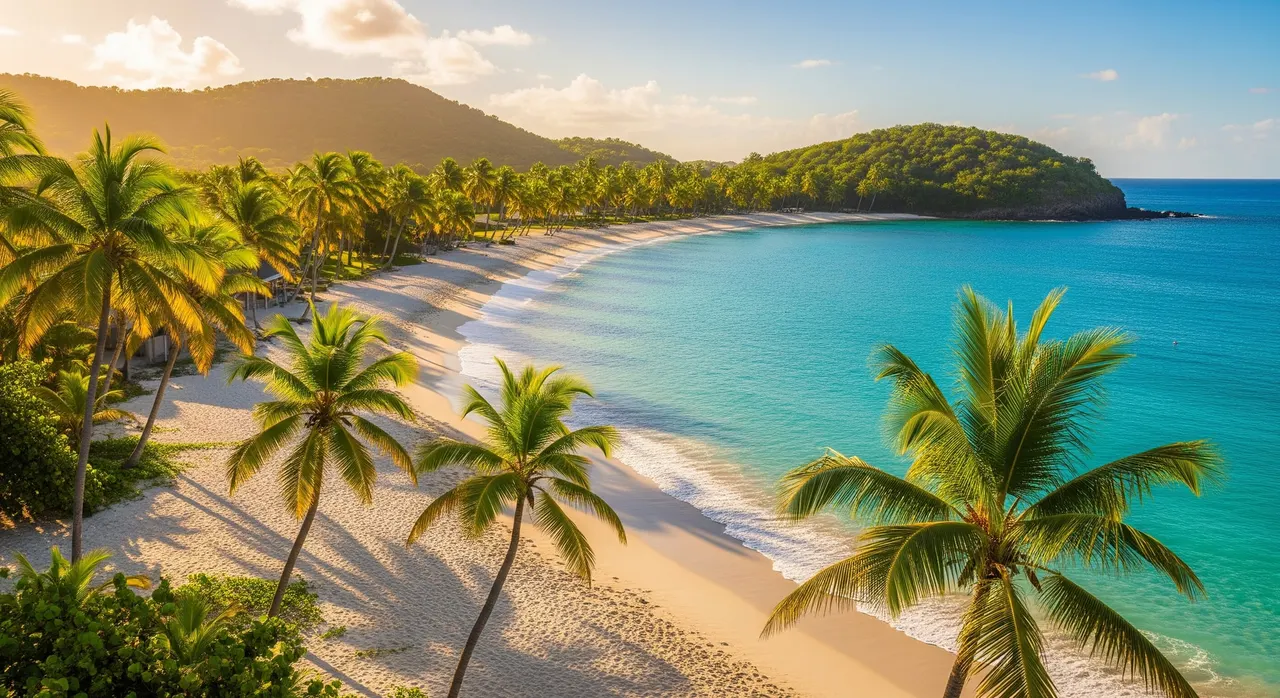
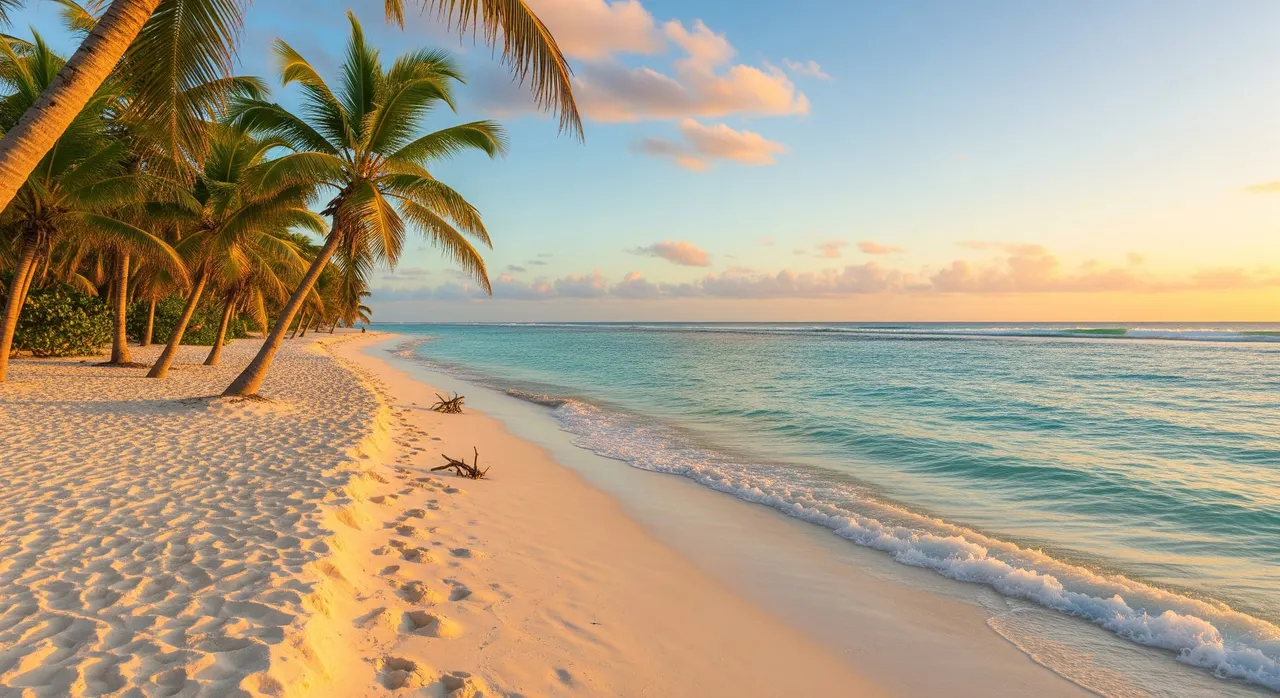
Daily life in Thailand — where Costa Rican citizens settle on the DTV
Life in Thailand — your home base on the 5-year DTV
Section 04

Where Costa Rican Expats & Nomads Settle

  • Bangkok: The dynamic capital for big-city energy, endless dining and top coworking spaces. The Sukhumvit and Thonglor corridors are perennial expat favourites.
  • Chiang Mai: A laid-back mountain city with cheap living and a huge digital-nomad community — think Monteverde’s cool green hills, but with hundreds of temples and a fraction of the rent.
  • Phuket: For beach lovers who want island life with modern amenities and an international flavour, much like a more developed Guanacaste coast.
  • Koh Phangan: Beyond the Full Moon Party, the island has a thriving wellness, yoga and retreat scene that resonates with Costa Rica’s holistic-minded crowd.
Section 05

Money & Banking from Costa Rica

Moving funds from Costa Rica to Thailand is straightforward. Services like Wise and Revolut convert colones (or US dollars) to Thai baht at near-market rates and far cheaper than a traditional wire. Thai ATMs are everywhere but charge a fixed foreign-card fee of about 220 THB per withdrawal , so plan larger, less frequent withdrawals. Many Ticos bring some clean US-dollar notes to exchange on arrival. Once you’re settled with your DTV, opening a Thai bank account removes those recurring ATM fees — you’ll typically need your passport, your visa and a residence certificate from your local immigration office.

Carry Cash for Arrival

Cards are widely accepted in malls, hotels and city restaurants, but markets, taxis and small eateries are often cash-only. Exchange US dollars (not colones, which get poor rates in Thailand) for baht so you have cash in hand from day one.

Section 06

Documents & Translation: Costa Rican Spanish

Costa Rica’s official language is Spanish, so any Spanish-language paperwork supporting your DTV — bank statements, proof of remote employment or contracts, and similar documents — will likely need a certified English translation to be accepted. Use a reputable certified translator and keep both the original and the translation together. It’s a simple, inexpensive step, but skipping it is one of the most common avoidable hold-ups, so sort it early.

What the company handles

You apply from outside Thailand, and the company prepares and submits the entire application for you — reviewing your documents, flagging anything that needs translating, and lodging everything on your behalf. Service starts from $139, with an optional Denial Protection add-on that provides a 100% refund if your application is denied.

Section 07

Daily Life & Community for Costa Ricans

Thailand is welcoming and generally very safe, with a strong public health system and private hospitals that deliver excellent care at a fraction of Costa Rican private-clinic prices. Fast fibre internet and coworking spaces make remote work effortless, and the food is a constant highlight — fiery curries, fresh fruit shakes and night-market grilling. International supermarkets in the cities stock the basics for the days you miss gallo pinto , and a quick weekend hop to islands or mountains is cheaper and faster than most domestic trips back home.

Costa Rican Community

The Tico community in Thailand is still small but growing, concentrated in Bangkok and Chiang Mai. Facebook groups and WhatsApp chats keep Costa Ricans connected, with informal meetups for sharing café chorreado , trading apartment leads and comparing notes on the 13-hour time gap with home.

Costa Rica — your starting point before relocating to ThailandCosta Rica
From Costa Rica to Thailand

Make the move from Costa Rica

Trade Costa Rica for up to five years in Thailand on the DTV. We prepare and submit your entire application from wherever you are — proof of funds, category evidence and passport — so you can focus on the move, not the paperwork.

Check eligibility
Step by step

How Costa Rican citizens apply for the DTV

1

Check you qualify

Almost every nationality can apply. Take our free 60-second eligibility checker to confirm your route — remote work, soft power, medical or family.

2

We prepare everything

We assemble and review your documents: proof of 500,000 THB (~$15,000), your category evidence and passport — so nothing gets rejected.

3

We submit for you

You apply from outside Thailand. We file at a Thai embassy or consulate (such as Hanoi, Ho Chi Minh, Jakarta, Vientiane or London) within one business day.

4

Get approved & move

On approval you get the 5-year, multiple-entry DTV — up to 180 days per stay, extendable once. Then make Thailand home.

Questions

DTV FAQ for Costa Rican citizens

What exactly is the Destination Thailand Visa (DTV) for Costa Rican citizens?

The DTV is a 5-year multiple-entry visa that lets Costa Rican nationals live in Thailand and work remotely for overseas employers or their own non-Thai business. Each entry allows a stay of up to 180 days, which can be extended once by a further 180 days.

Can I really stay in Thailand for 5 years on the DTV?

Yes. The visa is valid for 5 years. Each time you enter you can stay up to 180 days, then extend once for another 180 days. After that you can leave and re-enter to start a fresh 180-day period, for as long as the visa remains valid.

How much money do I need to show as proof of funds for the DTV?

You need to show 500,000 THB (approximately $15,000) in personal funds. This can sit in a Costa Rican or international account and simply demonstrates you can support yourself during your stay in Thailand.

Do I apply for the DTV in Costa Rica or in Thailand?

You apply from outside Thailand — typically your home country or a nearby country. The company prepares and submits the entire application on your behalf, so you don’t have to navigate the process or attend any appointment yourself.

Can I work for my Costa Rican company while on the DTV?

Yes. The DTV is built for digital nomads and remote workers. You can work for any overseas employer or run your own non-Thai business, as long as your income is not earned from a Thai company.

How long are flights from Costa Rica to Thailand, and what’s the time difference?

There are no direct flights, so expect 24–30 hours from San José (SJO) to Bangkok (BKK) with one or two stops, usually via a US or European hub. Thailand is 13 hours ahead of Costa Rica (UTC+7 vs UTC-6), so noon in San José is 1 AM the next day in Bangkok.

Is Thailand really cheaper than Costa Rica?

Significantly. Many Ticos see their monthly costs drop by 30–50% while living better — lower rent, far cheaper dining, affordable healthcare and inexpensive transport all mean your colones go much further in Thailand.

Will I need to translate my Spanish documents for the visa?

Most likely, yes. Because Costa Rica’s official language is Spanish, supporting documents such as bank statements and proof of employment will generally need a certified English translation to be accepted.

Where do most Costa Ricans choose to live in Thailand?

Bangkok suits those who want big-city energy and the best coworking; Chiang Mai is the favourite for affordable, laid-back mountain living and a large nomad community; and Phuket or Koh Phangan appeal to beach and wellness lovers used to Costa Rica’s coast.

How much does the DTV service cost for Costa Rican applicants?

Service starts from $139 and covers the full process — document review, preparation and submission. An optional Denial Protection add-on provides a 100% refund if your application is denied, for extra peace of mind.

Ready to move to Thailand from Costa Rica?

Check your eligibility in under a minute, or let our team prepare and submit everything — with a 100% refund if your application is denied (with the optional paid Denial Protection add-on).