
Skip to content
Africa

DTV Visa for Cameroonian Citizens

For Cameroonians dreaming of a vibrant tropical lifestyle with modern infrastructure at a fraction of the cost, Thailand has become a genuinely realistic destination. Whether you are a remote worker, freelancer, or digital nomad, the Destination Thailand Visa (DTV) unlocks five years of flexible living in the Land of Smiles. This guide walks you through everything that matters — from flights and finances to finding your community — so you can plan the move from Douala, Yaoundé, or anywhere else in Cameroon with confidence.

Every Cameroonian citizen is eligible to apply

5

Years validity

180

Days per entry

500k

THB proof of funds

$139

Service fee from

100%

Refund if denied*

Why Cameroonian citizens choose Thailand

Living in Thailand from Cameroon

Section 01

Why Thailand? The Cameroonian Perspective

More and more Cameroonian professionals are setting their sights on Thailand, and the appeal is easy to understand: a lower cost of living, fast and dependable internet, and a safe, welcoming environment that makes remote work straightforward. Compared with the humid, traffic-heavy rhythm of Douala or Yaoundé, Thai cities offer modern condos, clean co-working spaces, and excellent public transport without losing the buzz of urban life. The DTV is built for exactly this: a five-year, multiple-entry visa that lets you stay up to 180 days at a time, extendable once for another 180 days, so you can settle into a real routine rather than rushing border runs.

The DTV at a glance

Five-year multiple-entry visa

  • up to 180 days per entry, extendable once for another 180 days
  • proof of 500,000 THB (~$15,000) in personal funds
  • apply from outside Thailand while our team prepares and submits everything
  • service from $139, with a 100% refund if denied (with the optional Denial Protection add-on).
Section 02

Cost of Living: Stretching Your CFA Franc in Thailand

Thailand offers exceptional value compared with Cameroon’s major cities. A decent one-bedroom apartment in central Douala or Yaoundé can run 300,000–500,000 XAF per month, while in Bangkok you will find modern, furnished studios for around 8,000–15,000 THB (roughly 150,000–280,000 XAF), often with a pool, gym, and 24-hour security included. In the northern city of Chiang Mai, rent falls lower still. Everyday costs shrink too: a filling Thai street-food meal is 50–70 THB, a litre of bottled water under 15 THB, and a local SIM with generous data just a few hundred baht a month. Co-working desks — scarce and pricey back home — are everywhere and start around 1,500–3,000 THB per month.

Quick cost comparison

What rents a basic studio in Douala (around 300,000 XAF) can secure a stylish Chiang Mai condo with a rooftop pool and gym. A coffee-and-lunch outing that costs 2,500 XAF in Yaoundé drops to roughly 150–250 THB in a Thai food court.

Section 03

Getting to Thailand from Cameroon

There are no direct flights between Cameroon and Thailand, but one-stop connections are plentiful. From Douala International (DLA) or Yaoundé Nsimalen (NSI), carriers such as Ethiopian Airlines (via Addis Ababa), Turkish Airlines (via Istanbul), and Qatar Airways or other Gulf carriers (via Doha) connect through to Bangkok’s Suvarnabhumi (BKK). Total journey time is typically 16–22 hours depending on the routing and layover. The shortest connections usually run through Addis Ababa or the Gulf hubs, while European routings via Istanbul or Paris tend to add hours but offer more daily options. Once you land, Thailand runs on Indochina Time (ICT, UTC+7), six hours ahead of Cameroon (WAT, UTC+1).

Time-zone advantage

Being six hours ahead of Cameroon is a quiet superpower for freelancers: you can clear morning tasks for clients back home or in Europe and still have your Thai afternoons and evenings free to explore.

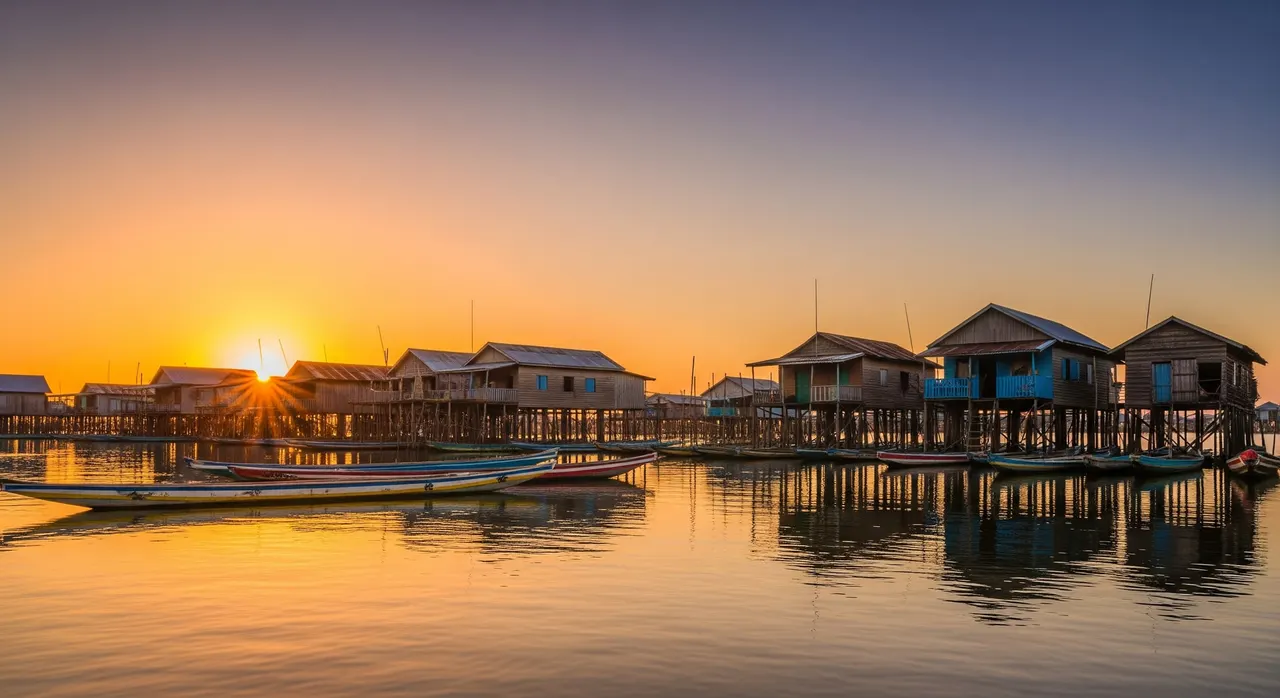
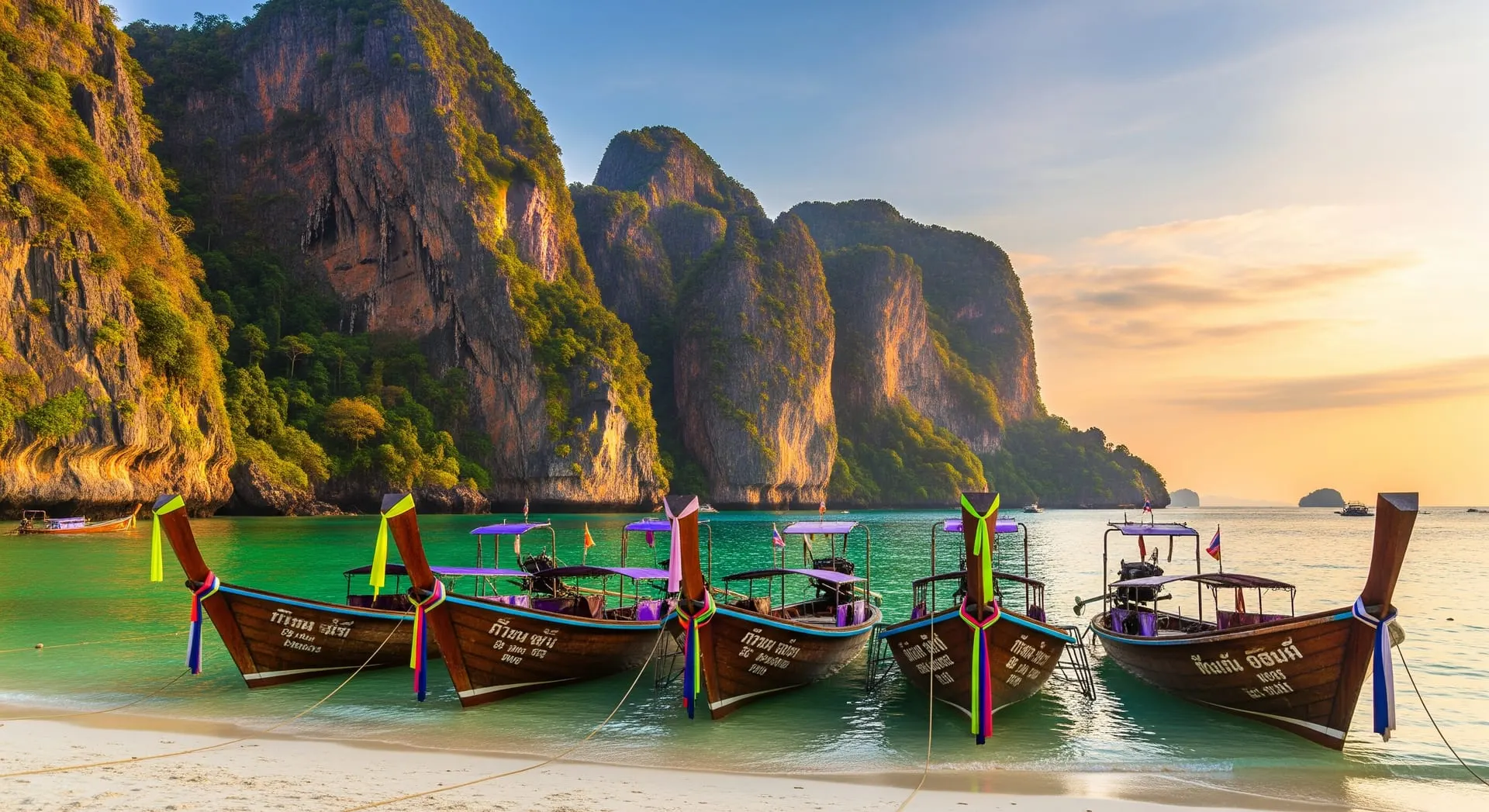
Daily life in Thailand — where Cameroonian citizens settle on the DTV
Life in Thailand — your home base on the 5-year DTV
Section 04

Where to Settle: Top Destinations for Cameroonians

Where you base yourself depends on your lifestyle and budget. Bangkok is the natural choice for career-focused expats: endless networking, an excellent BTS/MRT transit system, top hospitals, and direct flights across Asia. Chiang Mai , in the cooler mountainous north, is the heart of the digital-nomad scene — affordable, relaxed, and packed with co-working cafes. Beach lovers gravitate to Phuket and the islands of Koh Samui and Koh Phangan , where coastal living now comes with reliable fibre internet. The Cameroonian presence is still small but most visible in Bangkok and Chiang Mai, where online groups and occasional meetups make it easy to find familiar faces.

  • Bangkok: urban energy, the best transport and hospitals, and a handful of African restaurants.
  • Chiang Mai: lowest costs, mountain air, and the largest nomad community.
  • Phuket, Koh Samui & Koh Phangan: beach living with solid connectivity.
  • Pattaya or Hua Hin: coastal towns near Bangkok, easy for weekend escapes and longer stays.
Section 05

Money & Banking: From XAF to THB

Moving money from Cameroon to Thailand is simpler than it used to be. Services like Wise and WorldRemit convert your Central African CFA franc (XAF) to Thai baht (THB) at close to the mid-market rate, avoiding the heavy margins traditional banks add. Once settled, many DTV holders open a Thai bank account — usually possible with a long-stay visa, passport, and proof of address — which lets you sidestep the 220 THB fee that local ATMs charge on each foreign-card withdrawal. Cash still rules in markets, but Thailand’s PromptPay QR system and apps make day-to-day spending nearly cashless in cities. Keep your DTV proof-of-funds documents organised, since the same statements may help when opening accounts.

What a monthly budget buys

A budget of about 50,000 THB (roughly 900,000 XAF) supports a comfortable Bangkok lifestyle, while in Chiang Mai many expats live well on 30,000 THB (around 550,000 XAF), including rent, food, and transport.

Section 06

Documents & Translation for Cameroonians

Cameroon is officially bilingual, so your paperwork may be in English or French depending on which region you are from. For the DTV, supporting documents should be in English (or Thai). English-language bank statements, employment contracts, and reference letters are generally accepted as-is. Anything issued in French — a French bank statement, a notarised contract, or a civil-status document — will likely need a certified English translation. Using a sworn or reputable certified translator keeps your file clean and consistent, which is exactly what a smooth submission depends on. Our team reviews every document and tells you precisely what needs translating before anything is filed.

Translation checklist

Gather bank statements covering recent months, proof of remote work or freelance income, and your passport bio page early. If any are in French, request certified English translations well ahead of time so nothing holds up your application.

Section 07

Daily Life & Community

Thailand is known for being safe and remarkably easy for foreigners to navigate. Private hospitals in Bangkok, Chiang Mai, and Phuket offer English-speaking, internationally accredited care at a fraction of Western prices. Internet is fast and cheap — fibre is standard in most condos and co-working spaces, which matters enormously for remote work. The food scene runs from aromatic street noodles to global cuisine, and for a taste of home, African and international grocers in Bangkok stock staples like plantains, cassava, and familiar spices. The small but growing Cameroonian diaspora often connects through Facebook groups and church gatherings, giving newcomers an instant network.

  • Pick up a local SIM (AIS, TrueMove, or dtac) for cheap, fast data the moment you arrive.
  • Learn a few basic Thai phrases — locals genuinely appreciate the effort.
  • Shop fresh markets for produce and affordable, authentic meals.
  • Join ‘Cameroonians in Thailand’ and broader African-diaspora groups on social media before you fly.
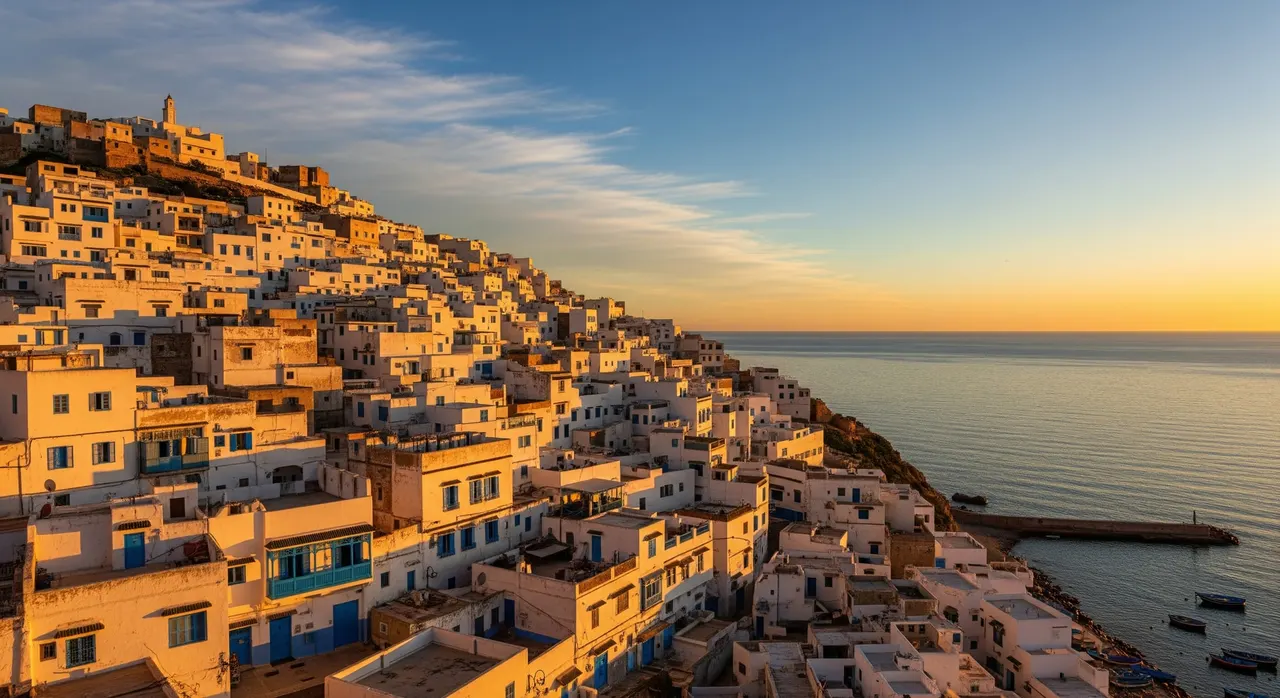
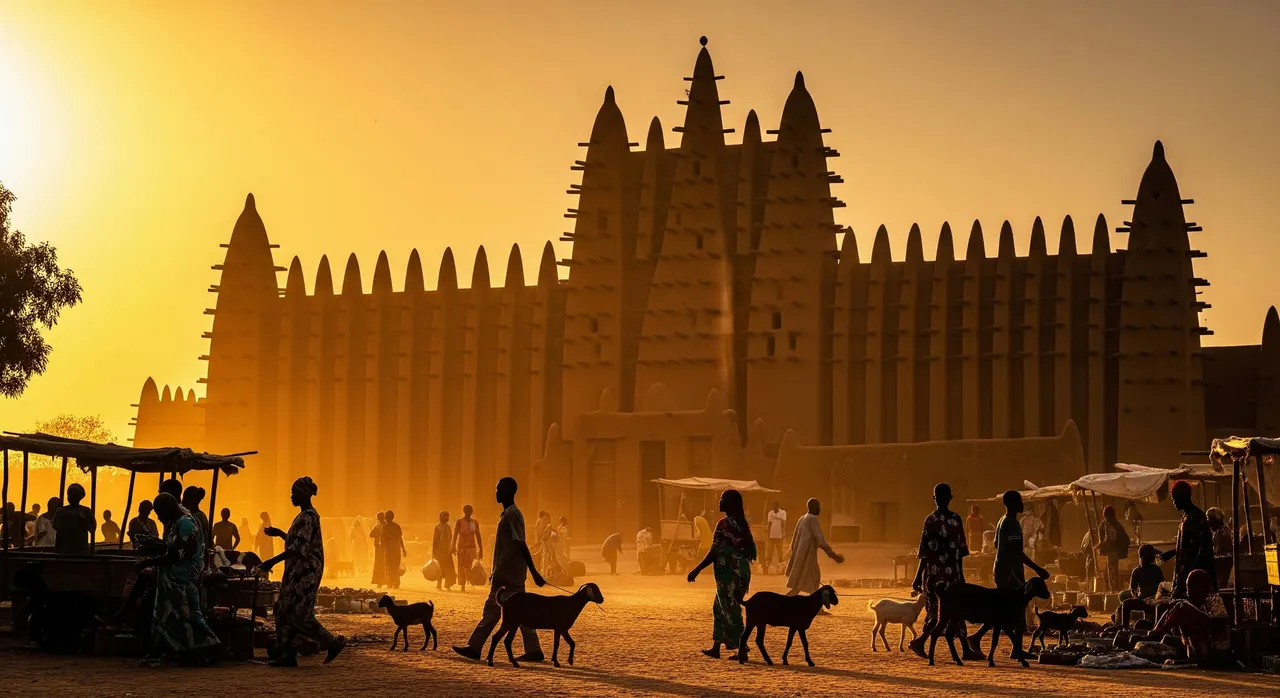
Cameroon — your starting point before relocating to ThailandCameroon
From Cameroon to Thailand

Make the move from Cameroon

Trade Cameroon for up to five years in Thailand on the DTV. We prepare and submit your entire application from wherever you are — proof of funds, category evidence and passport — so you can focus on the move, not the paperwork.

Check eligibility
Step by step

How Cameroonian citizens apply for the DTV

1

Check you qualify

Almost every nationality can apply. Take our free 60-second eligibility checker to confirm your route — remote work, soft power, medical or family.

2

We prepare everything

We assemble and review your documents: proof of 500,000 THB (~$15,000), your category evidence and passport — so nothing gets rejected.

3

We submit for you

You apply from outside Thailand. We file at a Thai embassy or consulate (such as Hanoi, Ho Chi Minh, Jakarta, Vientiane or London) within one business day.

4

Get approved & move

On approval you get the 5-year, multiple-entry DTV — up to 180 days per stay, extendable once. Then make Thailand home.

Questions

DTV FAQ for Cameroonian citizens

What is the Destination Thailand Visa (DTV) and how long is it valid?

The DTV is a 5-year multiple-entry visa that lets you stay in Thailand up to 180 days per entry, extendable once for a further 180 days without leaving the country. It is ideal for Cameroonians who want genuine long-term flexibility.

Can I work remotely for a Cameroonian company while on the DTV?

Yes. The DTV is designed for remote workers, freelancers, and digital nomads. You can legally work online for clients or employers in Cameroon or anywhere else, as long as you are not taking a job in the Thai local labour market.

Do I need to be in Cameroon to apply for the DTV?

You must apply from outside Thailand, but not necessarily from Cameroon. You can apply from any country where you are legally present, and our team prepares and submits your entire application on your behalf.

What are the financial requirements for the DTV?

You need to show proof of at least 500,000 THB (approximately $15,000) in personal funds. This can be evidenced through bank statements or similar records, demonstrating you can support yourself during your stays in Thailand.

How much does your DTV preparation service cost?

Our service starts from $139. We handle all the paperwork, make sure your documents meet the requirements, and submit the application on your behalf so you do not have to navigate the process alone.

What happens if my DTV application is denied?

With our optional Denial Protection add-on, you receive a 100% refund of our service fee if your application is denied. We prepare every file carefully to keep that risk as low as possible.

How long is the flight from Cameroon to Thailand?

There are no direct flights, but one-stop routes from Douala or Yaoundé to Bangkok typically take 16–22 hours including the layover. Common connections transit through Addis Ababa, Doha, or Istanbul.

Do my French documents need to be translated for the DTV?

Likely yes. Supporting documents should be in English or Thai, so French bank statements, contracts, or civil-status papers will usually need a certified English translation. English-language documents are generally accepted as they are.

Is there a Cameroonian community in Thailand?

Yes, though it is small. The Cameroonian presence is most visible in Bangkok and Chiang Mai, where you can connect through social-media groups, African cultural events, and church gatherings.

Can my spouse and children join me in Thailand on the DTV?

Yes. Spouses and dependent children can apply as accompanying family members, each receiving their own DTV linked to your application, with the same entry and stay privileges. We can prepare the whole family’s paperwork together.

Ready to move to Thailand from Cameroon?

Check your eligibility in under a minute, or let our team prepare and submit everything — with a 100% refund if your application is denied (with the optional paid Denial Protection add-on).