Skip to content
Asia

DTV Visa for Cambodian Citizens

For many Cambodians, Thailand represents a compelling blend of the familiar and the new. It is a neighbour you can reach in barely an hour by air, yet it offers more developed infrastructure, a deeper job and freelance market, and a cost of living that often surprises first-time movers. Whether you are a remote worker, an entrepreneur, or simply ready for a change of scene, the 5-year Destination Thailand Visa (DTV) lets you base yourself in the Land of Smiles while keeping your roots, family, and business ties in Cambodia.

Every Cambodian citizen is eligible to apply

5

Years validity

180

Days per entry

500k

THB proof of funds

$139

Service fee from

100%

Refund if denied*

Why Cambodian citizens choose Thailand

Living in Thailand from Cambodia

Section 01

Why Cambodian Citizens Are Moving to Thailand

The move from Cambodia to Thailand is rarely a culture shock and more often an upgrade. The two countries share Theravada Buddhist traditions, a love of bold, spicy food, and a tropical rhythm of hot season, rainy season, and cooler months. What changes is the level of everyday infrastructure: faster and more reliable internet, modern hospitals, a sprawling public-transport network in Bangkok, and a far larger market for everything from groceries to coworking desks.

The variety of places to live is just as appealing. From the relentless energy of Bangkok to the temple-dotted calm of Chiang Mai and the beaches of Phuket and the southern islands, you can match your home to your mood and your work. Because the DTV runs for five years on a multiple-entry basis, you are not tied to a single base — you can settle in slowly, travel widely, and pop back to Phnom Penh or Siem Reap whenever you need to.

Section 02

Cost of Living: Cambodia vs. Thailand

Many Cambodians assume Thailand will be more expensive, but in several categories it offers better value than central Phnom Penh. Both countries are budget-friendly by Western standards, yet Thailand's larger, more competitive market keeps everyday prices keen — especially outside Bangkok.

A modern one-bedroom apartment in a desirable Bangkok neighbourhood typically runs 15,000–25,000 THB per month, comparable to or cheaper than an equivalent expat-standard place in BKK1, Phnom Penh, where rents have climbed. Move to Chiang Mai and a comfortable condo can be found for 8,000–15,000 THB. Street food remains gloriously cheap: a plate of pad thai or a som tam papaya salad costs 40–60 THB, often less than a tourist-area meal in Siem Reap. Chiang Mai's famous coworking spaces charge roughly 2,000–3,500 THB a month for a desk with fast Wi-Fi and free coffee, while Bangkok's BTS Skytrain starts at about 16 THB a ride — far more reliable than negotiating tuk-tuks or PassApp rides in Phnom Penh.

  • Rent: A comfortable one-bedroom condo in Chiang Mai runs 8,000–15,000 THB; an expat-standard place in central Phnom Penh often costs USD 400–600.
  • Meals: Street-food mains are 40–60 THB; a sit-down dinner for two at a mid-range Thai restaurant averages 500–800 THB, frequently less than an equivalent night out in Phnom Penh.
  • Coworking: Monthly hot-desk memberships in Thailand start around 2,000 THB, versus the fewer Cambodian options that may charge USD 50–100 for basic facilities.
  • Transport: A 30-day unlimited BTS pass in Bangkok is about 1,500 THB; in Phnom Penh, daily tuk-tuk or ride-app commutes can easily add up to more.
  • Coffee & utilities: A cafe latte is 60–90 THB and a one-bedroom's electricity, water, and fast fibre internet usually land around 1,500–2,500 THB a month combined.

Shopping & Entertainment

Thailand's megamalls — ICONSIAM and CentralWorld in Bangkok, Central in Chiang Mai — stock everything from luxury labels to local designers. Electronics, clothing, and imported goods are often cheaper than in Cambodia thanks to a far larger domestic market and broader retail competition.

Section 03

Getting to Thailand from Cambodia

Reaching Thailand from Cambodia could hardly be easier. Direct flights from Phnom Penh International Airport (PNH) and Siem Reap–Angkor International Airport (SAI) to Bangkok's Suvarnabhumi (BKK) or Don Mueang (DMK) take only about 1 hour to 1 hour 20 minutes. Carriers such as AirAsia, Cambodia Angkor Air, and Bangkok Airways operate frequently, so a relocation flight — or a quick trip home — is a short and inexpensive hop. Overland travellers can also cross at Poipet (toward Bangkok) or Koh Kong (toward Trat and the coast), though flying is far quicker for a move.

Crucially, Cambodia and Thailand share the same clock. Both run on Indochina Time (ICT, UTC+7), so there is zero time difference. For remote workers this is a major advantage: your day stays perfectly in sync with clients, teammates, or family in Phnom Penh or Siem Reap, with no jet lag and no scheduling juggling.

Keep Your Cambodian Base Active

Because the DTV is multiple-entry and there is no time-zone gap, many Cambodians keep a foot in both countries — running a Phnom Penh business or serving local clients while living in Chiang Mai or Bangkok. Hold on to a Cambodian SIM and bank account for an easy split life.

Daily life in Thailand — where Cambodian citizens settle on the DTV
Life in Thailand — your home base on the 5-year DTV
Section 04

Where Cambodian Expats & Nomads Settle in Thailand

Bangkok is the natural first base for those chasing career opportunities, a busy social scene, and the quickest links back to Cambodia. The Phra Khanong and On Nut districts along the BTS line are popular for blending affordability with connectivity. Chiang Mai, with its relaxed pace, mountain air, and mature digital-nomad infrastructure, draws freelancers, creatives, and families looking for a lower cost of living. Down south, Phuket suits beach lovers and anyone working in tourism or hospitality, while Pattaya and Koh Samui host smaller but established communities. Across these hubs you will find Khmer restaurants, Asian grocery stores, and active online groups that make the transition feel gentle rather than abrupt.

Section 05

Money & Banking from Cambodia

Moving money between Cambodia and Thailand is straightforward. The Thai baht (THB) is stable, and you will usually get better value by transferring funds from your Cambodian account into a Thai account using services like Wise or standard SWIFT transfers, rather than relying on cash exchange. Many Cambodians keep a US-dollar account at home — dollars circulate widely in Cambodia — and convert to baht as needed, often at lower fees than over-the-counter rates.

ATMs are everywhere in Thailand, but foreign cards are charged a flat fee of around 220 THB per withdrawal, so large, infrequent withdrawals beat lots of small ones. Once you are settled, a local Thai bank account is worth opening; Bangkok Bank and Kasikornbank are among the more foreigner-friendly. For day-to-day spending, cash still rules in fresh markets, but mobile payment via PromptPay QR is near-universal — even at street stalls — which many movers find a noticeable step up in convenience.

Open a Thai Bank Account Early

To dodge repeat ATM fees and lock in better rates, open a Thai bank account once you have settled in. Bring your passport, your visa, and a certificate of residence (obtainable from your local immigration office), as branches differ in what they ask for.

Section 06

Documents & Translation for Cambodian Applicants

Cambodia's official language is Khmer, while supporting documents for the DTV need to be in English or Thai. That means key paperwork issued in Khmer — bank statements, proof of income, and any marriage or civil records — will likely need a certified English (or Thai) translation. Most Cambodian banks issue statements in Khmer, so plan for this in advance; documents already in English are generally accepted as they are. A professional translation that carries a certification stamp keeps your file clean and consistent. Our team reviews your documents up front, tells you exactly what needs translating, and prepares and submits the complete application on your behalf — so nothing is missed.

How the DTV Application Works

The DTV is applied for from outside Thailand. You gather your documents (with certified translations where needed), and our team prepares and submits everything for you. Service starts from $139, and with the optional Denial Protection add-on you receive a 100% refund if your application is denied.

Section 07

Daily Life & Community for Cambodians in Thailand

Thailand's healthcare is a major draw. Internationally accredited hospitals such as Bumrungrad and Bangkok Hospital in the capital, and Chiang Mai Ram and Bangkok Hospital Chiang Mai up north, offer high standards with many English-speaking doctors. Private care costs more than a public hospital in Cambodia, but is typically faster and better equipped for the price than comparable private options. Connectivity is excellent and cheap: home fibre plans of 300 Mbps to 1 Gbps run roughly 600–1,000 THB a month, ideal for video calls and streaming.

Day-to-day life feels safe and welcoming. Thailand ranks among the calmer countries in the region for violent crime, though ordinary caution against petty theft in tourist zones still applies. Culturally, Khmer and Thai roots run deep together, so familiar dishes like amok and nom banh chok turn up in Cambodian-owned eateries, especially around Bangkok's Pratunam and Bang Kapi areas. Active Facebook groups and local temples often mark Khmer New Year and other festivals, so you are never far from a taste of home.

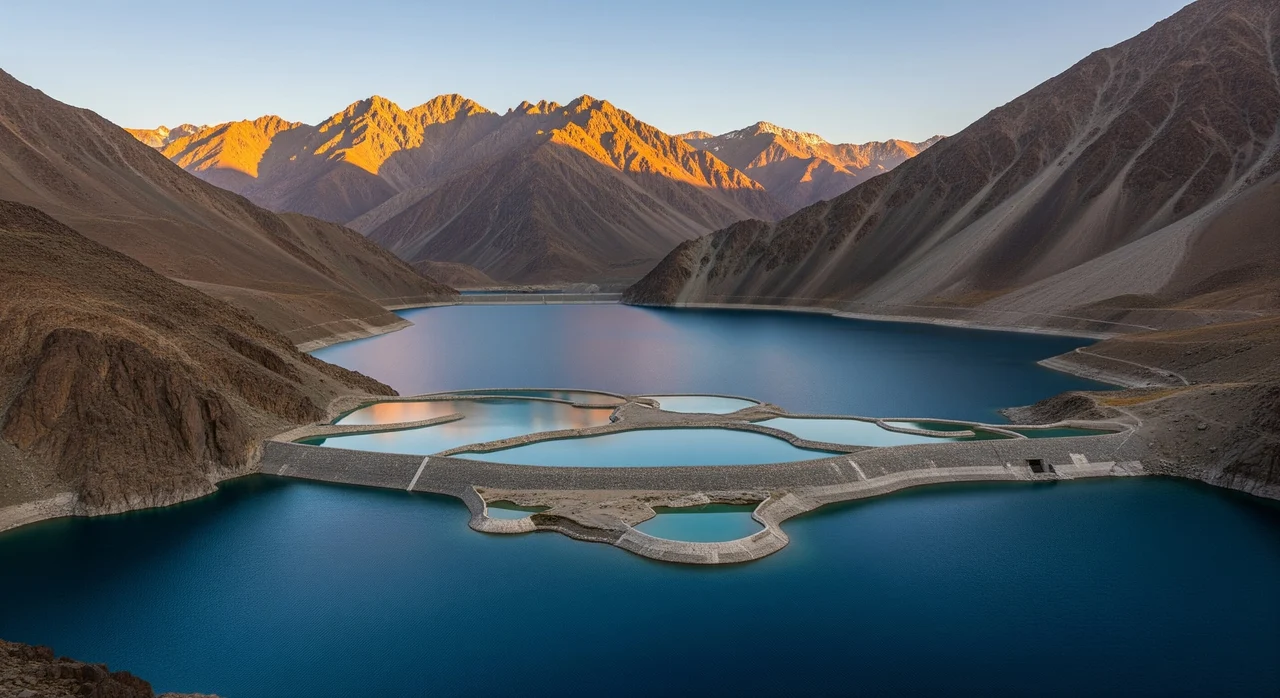
Cambodia — your starting point before relocating to ThailandCambodia
From Cambodia to Thailand

Make the move from Cambodia

Trade Cambodia for up to five years in Thailand on the DTV. We prepare and submit your entire application from wherever you are — proof of funds, category evidence and passport — so you can focus on the move, not the paperwork.

Check eligibility
Step by step

How Cambodian citizens apply for the DTV

1

Check you qualify

Almost every nationality can apply. Take our free 60-second eligibility checker to confirm your route — remote work, soft power, medical or family.

2

We prepare everything

We assemble and review your documents: proof of 500,000 THB (~$15,000), your category evidence and passport — so nothing gets rejected.

3

We submit for you

You apply from outside Thailand. We file at a Thai embassy or consulate (such as Hanoi, Ho Chi Minh, Jakarta, Vientiane or London) within one business day.

4

Get approved & move

On approval you get the 5-year, multiple-entry DTV — up to 180 days per stay, extendable once. Then make Thailand home.

Questions

DTV FAQ for Cambodian citizens

How long is the Destination Thailand Visa valid for Cambodian citizens?

The DTV is a 5-year multiple-entry visa. Each entry allows a stay of up to 180 days, and that stay can be extended once for a further 180 days, giving you up to a year per visit. Because it is multiple-entry, you can keep re-entering throughout the five years.

What is the required proof of funds, and can I show Cambodian bank statements?

You must show proof of at least 500,000 THB (about USD 15,000) in personal funds. Cambodian bank statements issued in Khmer will need a certified English or Thai translation; statements already in English are accepted as-is. Since most Cambodian banks issue documents in Khmer, plan for translation in advance.

Do I apply from Cambodia or after arriving in Thailand?

You apply from outside Thailand — you cannot apply once you are already inside the country. Our team prepares and submits the entire application on your behalf, so you simply provide your documents and we handle the process from there.

Is there a time difference between Cambodia and Thailand, and how does it affect remote work?

There is no time difference. Both countries run on Indochina Time (UTC+7), so your schedule stays identical to Phnom Penh or Siem Reap. You can keep working for Cambodian clients or employers with zero adjustment to your hours.

How much does your service cost, and is there a refund if my visa is denied?

Our preparation and submission service starts from $139. We also offer an optional Denial Protection add-on: with it, you receive a 100% refund of the service fee if your application is denied, so you can apply with confidence.

Can I travel freely between Cambodia and Thailand on the DTV?

Yes. The DTV is multiple-entry, so you can come and go as often as you like during its five years. With short, frequent flights between Phnom Penh or Siem Reap and Bangkok, many Cambodians split their time easily between the two countries for family or business.

What is the typical flight duration from Phnom Penh or Siem Reap to Bangkok?

Direct flights take only about 1 hour to 1 hour 20 minutes. Several airlines fly the routes daily, so popping home or returning to Thailand is quick and inexpensive.

Will my money go further in Thailand than in Cambodia?

In several categories, yes. Rent outside central Bangkok — especially in Chiang Mai — street food, transport, and coworking are often comparable to or cheaper than expat-level options in Phnom Penh. Imported goods and electronics also tend to be cheaper thanks to Thailand's larger market.

Will I find other Cambodians living in Thailand, and where?

Yes. There are growing Cambodian communities in Bangkok — particularly around Pratunam, Bang Kapi, and Phra Khanong — and in hubs like Pattaya and Phuket. You will find Khmer restaurants, Asian grocers, and online groups that celebrate festivals such as Khmer New Year, making it easy to stay connected.

Is healthcare in Thailand accessible for Cambodians, and how does it compare?

Thailand's private hospitals are well equipped and many hold international accreditation, with English-speaking staff. Care costs more than a public hospital in Cambodia but is generally faster and better resourced than comparable private clinics, which is why many movers value the upgrade.

Where you apply

The Thai mission for Cambodia

You submit the DTV online via the Thai e-Visa portal — but the office below covers applicants in Cambodia and may review your file.

Ready to move to Thailand from Cambodia?

Check your eligibility in under a minute, or let our team prepare and submit everything — with a 100% refund if your application is denied (with the optional paid Denial Protection add-on).