Skip to content
Africa

DTV Visa for Burundian Citizens
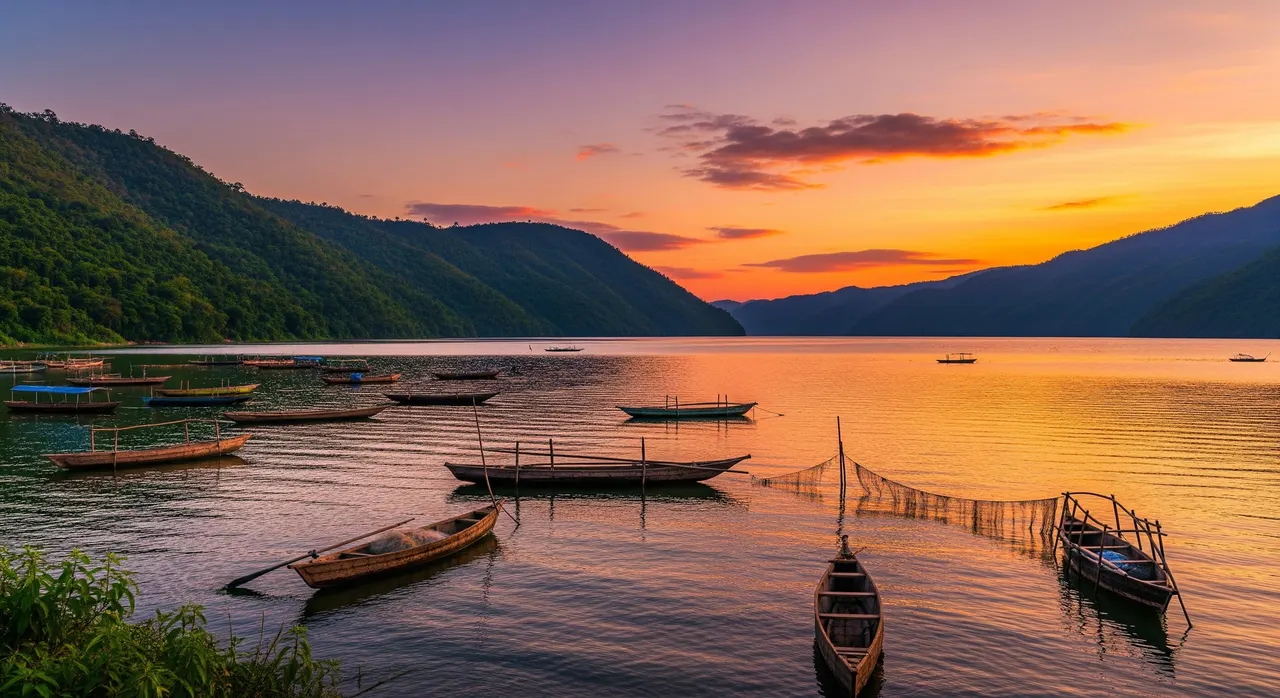
For ambitious Burundians who earn a living online, the dream of a vibrant, affordable tropical lifestyle is now within reach. Thailand pairs breathtaking landscapes, world-class food and one of Asia's largest digital-nomad scenes with a cost of living that lets your income go further. The 5-year Destination Thailand Visa (DTV) lets you swap the hills above Bujumbura for Bangkok's skyline, or the shores of Lake Tanganyika for the beaches of Phuket, all while serving clients abroad. Here is exactly how Burundian remote workers and freelancers can make the move to the Land of Smiles.

Every Burundian citizen is eligible to apply

5

Years validity

180

Days per entry

500k

THB proof of funds

$139

Service fee from

100%

Refund if denied*

Why Burundian citizens choose Thailand

Living in Thailand from Burundi

Section 01

Why Burundians Are Choosing Thailand

A growing number of Burundians who work for international clients are choosing Thailand for its blend of tradition, modernity and value. The appeal is practical: a far lower cost of living without sacrificing quality, reliable infrastructure, fast internet almost everywhere, and a warm climate not unlike the lowlands around Lake Tanganyika but with world-famous beaches a short flight away. The DTV makes the dream legal and durable, granting up to five years of flexibility instead of the short tourist windows most Burundians are used to. For freelancers, consultants and online entrepreneurs, Thailand is less a holiday and more a long-term base where the numbers genuinely add up.

DTV at a glance

The Destination Thailand Visa is a 5-year, multiple-entry visa. Each entry allows a stay of up to 180 days, which can be extended once inside Thailand for a further 180 days. You apply from outside Thailand, and our team prepares and submits the entire application for you. Professional service starts from $139, and with the optional Denial Protection add-on you receive a 100% refund of the service fee if your application is refused.

Section 02

Cost of Living: Burundi vs Thailand

Burundi is one of the world's most expensive places relative to local incomes, especially in Bujumbura where imported goods and quality housing carry a steep premium. Thailand flips that equation: salaries earned abroad stretch dramatically further. A simple meal that might cost 8,000-12,000 BIF at a downtown Bujumbura restaurant compares to a satisfying Thai street-food plate for roughly 50-70 THB (about $1.50-2). A modern studio in Chiang Mai rents from around 8,000-12,000 THB a month, while comparable apartments in Bujumbura's better neighbourhoods often run higher with far less reliable power and water. Fast fibre internet, scarce and costly in Burundi, is cheap and widespread in Thailand, and a coworking-space membership can be had from about 2,000 THB a month.

More baht for your franc

Everyday spending power is where the difference shows. ATM withdrawals in Thailand carry a standard fee of about 220 THB per transaction for foreign cards, so withdraw larger amounts less often. Local SIM data plans cost a few hundred baht a month, domestic flights between cities can be cheaper than a tank of fuel, and private healthcare is excellent yet a fraction of Western prices. For Burundians used to budgeting carefully around imports and fuel shortages, Thailand feels both richer and calmer on the wallet.

Section 03

Getting to Thailand from Burundi

There are no direct flights between Burundi and Thailand, so every journey involves at least one connection. Most travellers depart Melchior Ndadaye International Airport (BJM) in Bujumbura and transit through a regional or Gulf hub before reaching Bangkok's Suvarnabhumi Airport (BKK). The most common routings are via Addis Ababa on Ethiopian Airlines, via Nairobi on Kenya Airways, or via Kigali (a short hop or overland drive) onward to a Gulf carrier such as Qatar Airways through Doha. Total travel time typically runs about 18-24 hours depending on layovers. Booking the Addis or Nairobi connection often gives the smoothest single-airline itinerary, while a Kigali departure can open up cheaper Gulf-hub fares.

  • Via Addis Ababa (Ethiopian Airlines): usually the most direct option from Bujumbura, with one stop onward to Bangkok.
  • Via Nairobi (Kenya Airways): frequent regional connections feeding into long-haul flights to Asia.
  • Via Kigali + Gulf hub (Qatar Airways through Doha): a short hop or road transfer to Kigali unlocks competitive one-stop Gulf fares to Bangkok.
  • Budget tip: mid-week departures and booking 6-8 weeks ahead noticeably lower the long-haul fare from East Africa.
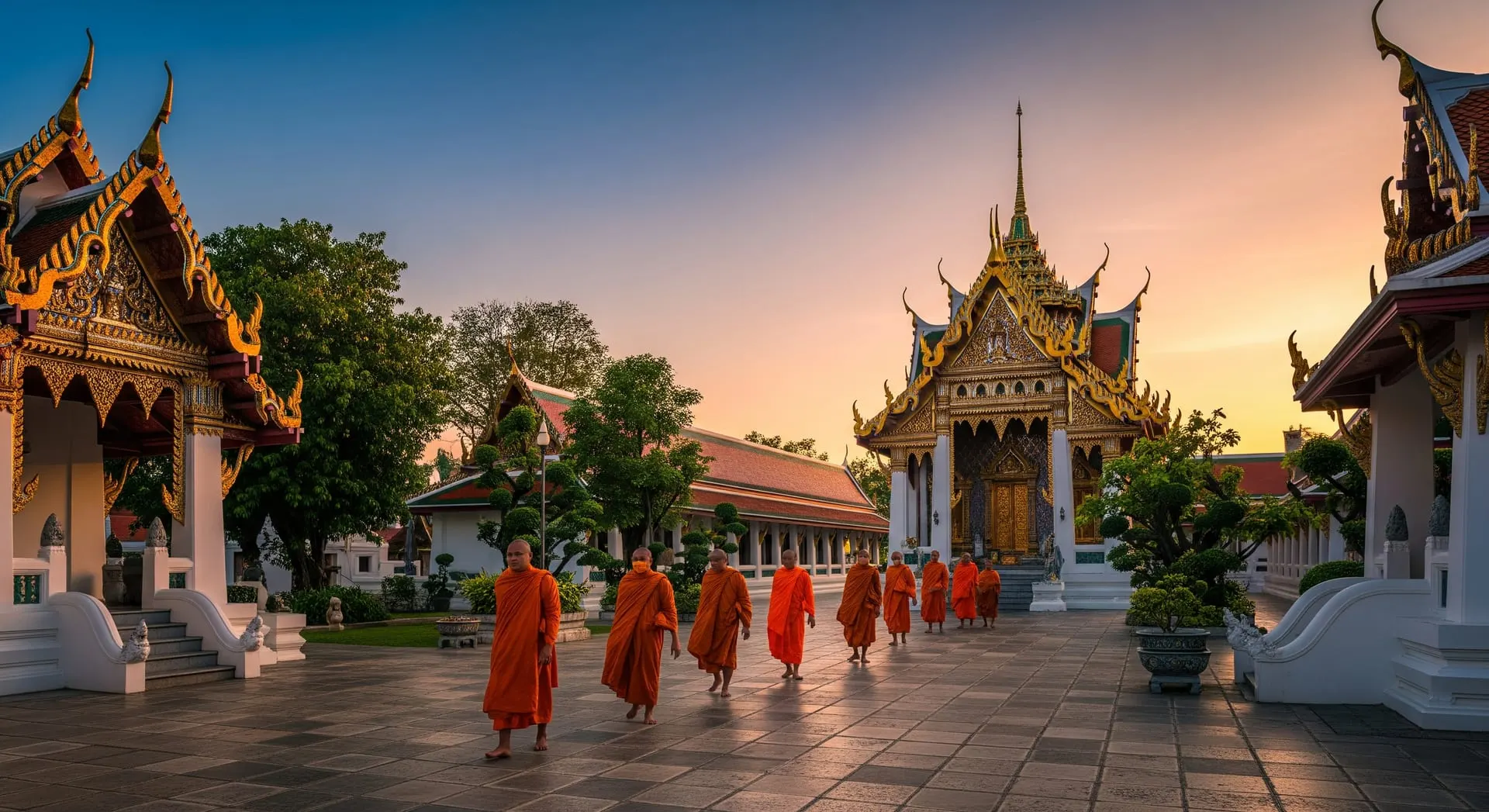
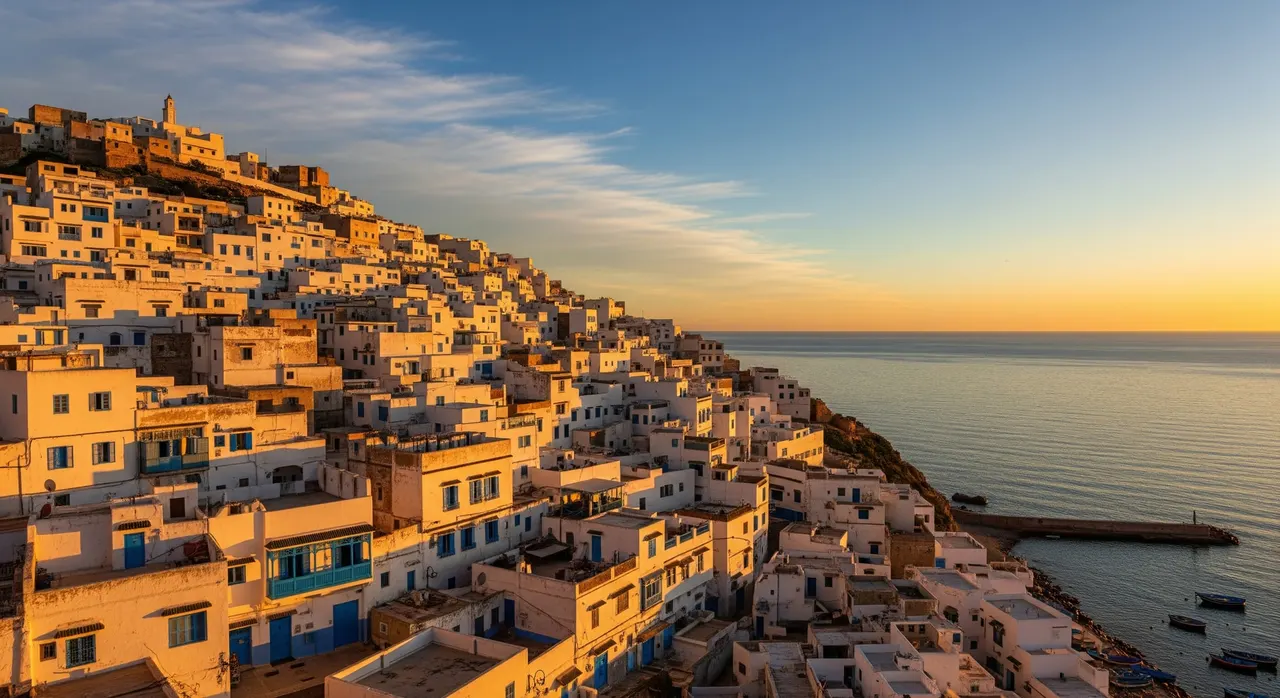
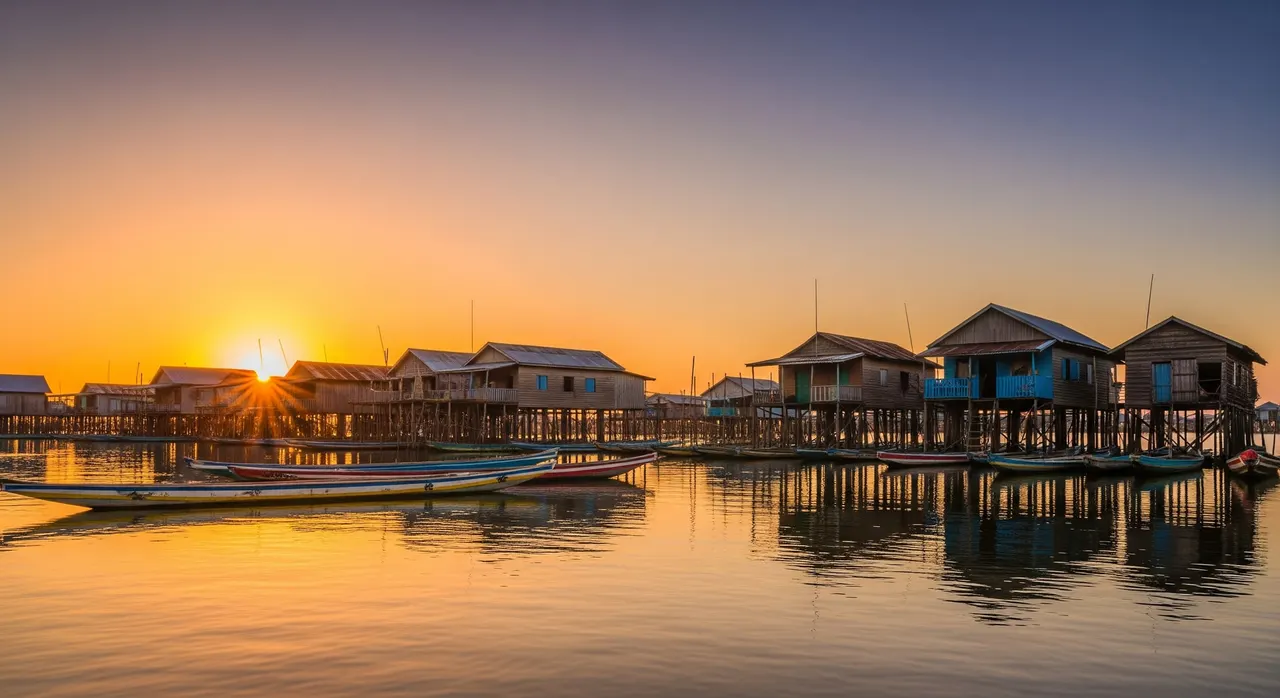
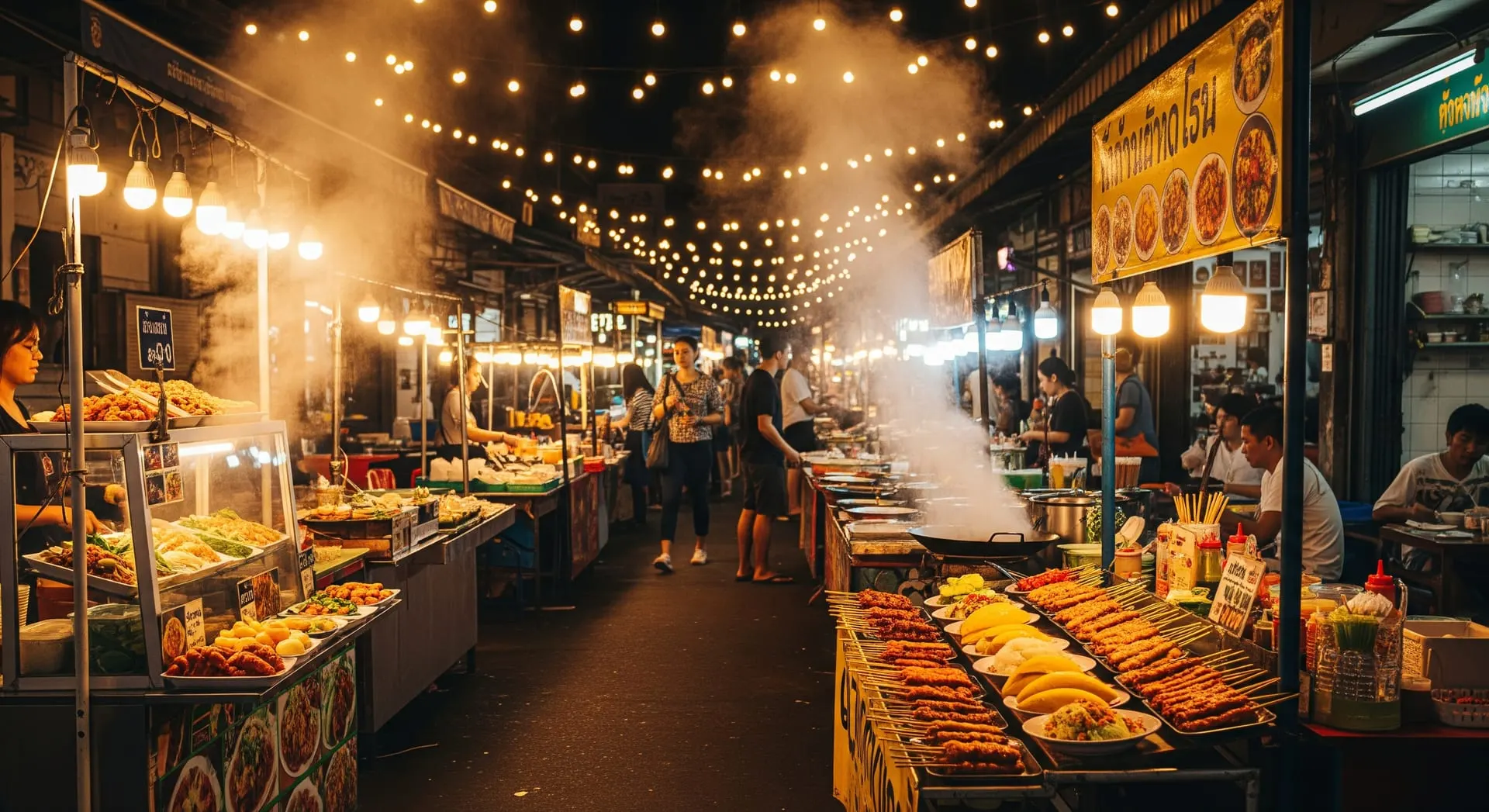
Daily life in Thailand — where Burundian citizens settle on the DTV
Life in Thailand — your home base on the 5-year DTV
Section 04

Where Burundians Settle in Thailand

  • Bangkok: the cosmopolitan capital draws professionals and entrepreneurs with its energy, international business scene and diverse neighbourhoods such as Sukhumvit and Ramkhamhaeng, where African communities are growing.
  • Chiang Mai: the country's digital-nomad capital offers a slower pace, lush mountains and the lowest big-city costs in Thailand, with well-established expat networks that make settling in easy.
  • Phuket & the southern islands: beaches, world-class diving and tropical calm appeal to those who want coastal living; many remote workers favour quieter spots like Rawai or nearby Koh Samui.
  • Pattaya: an affordable, amenity-rich base on the coast with fast road links to Bangkok, popular with those who want city comforts beside the sea.
Section 05

Money & Banking from Burundi

Managing money across continents takes a little planning. The Burundian Franc (BIF) is not convertible in Thailand, so most movers hold US dollars and use international transfer services for larger sums. Wise, Remitly and standard bank wires are the usual tools, and US dollars are easy to exchange at Thai banks and licensed booths once you arrive. Opening a local Thai bank account becomes worthwhile for rent, utilities and mobile payments; bring your passport, visa and proof of address, and be ready to compare a few branches, as requirements vary. Thai mobile banking and QR payments are excellent, but cash still rules at fresh markets and small eateries.

Pro tip

Carry at least two international debit or credit cards plus a backup of US dollars, and tell your Burundian bank your travel dates so cards are not blocked abroad. Because foreign-card ATM withdrawals cost about 220 THB each, take out larger amounts at once. Activate your home bank's online platform before you leave so you can manage funds from anywhere.

Section 06

Documents & Translation

Burundi's official languages are French and Kirundi, so any supporting document for your DTV application that is not already in English or Thai will likely need a certified translation. That typically includes bank statements showing your funds, proof of remote income or freelance contracts, and identity documents. Professional translators in Bujumbura can prepare and certify these. The single most important requirement is the financial proof: evidence of personal funds of 500,000 THB (approximately $15,000), held in your name. Getting clean, clearly translated paperwork ready from the start keeps everything moving, and our team gives you the exact checklist and reviews every document before submission.

Section 07

Daily Life & Community in Thailand

From the moment you land, Thailand's warmth, both the climate and the people, makes settling in easy. Healthcare is world-class and affordable, with many doctors fluent in English; internet is fast and reliable across the cities, so remote work is seamless. Food is a daily adventure, from fiery som tam to the country's many halal-friendly Muslim-Thai dishes, and English is widely understood in tourist and business areas even though Thai is the national language. Burundi's community in Thailand is still small but growing, and active African and francophone social-media groups plus regular meetups in Bangkok and Chiang Mai make it simple to find friends, share advice and celebrate home traditions. Violent crime is rare, and the famously friendly locals help you feel at home fast.

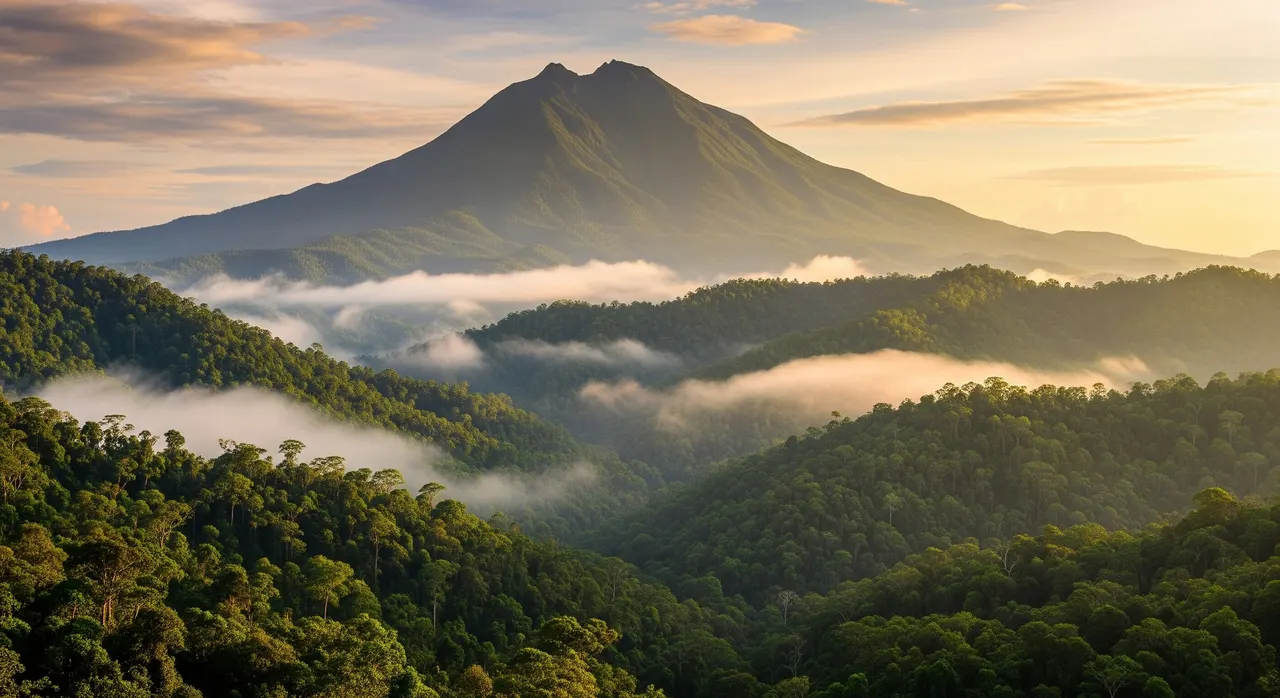
Burundi — your starting point before relocating to ThailandBurundi
From Burundi to Thailand

Make the move from Burundi

Trade Burundi for up to five years in Thailand on the DTV. We prepare and submit your entire application from wherever you are — proof of funds, category evidence and passport — so you can focus on the move, not the paperwork.

Check eligibility
Step by step

How Burundian citizens apply for the DTV

1

Check you qualify

Almost every nationality can apply. Take our free 60-second eligibility checker to confirm your route — remote work, soft power, medical or family.

2

We prepare everything

We assemble and review your documents: proof of 500,000 THB (~$15,000), your category evidence and passport — so nothing gets rejected.

3

We submit for you

You apply from outside Thailand. We file at a Thai embassy or consulate (such as Hanoi, Ho Chi Minh, Jakarta, Vientiane or London) within one business day.

4

Get approved & move

On approval you get the 5-year, multiple-entry DTV — up to 180 days per stay, extendable once. Then make Thailand home.

Questions

DTV FAQ for Burundian citizens

What exactly is the Destination Thailand Visa (DTV) for Burundian citizens?

The DTV is a 5-year, multiple-entry visa designed for remote workers, digital nomads and people pursuing certain activities in Thailand. As a Burundian, it lets you stay up to 180 days per entry, extendable once inside Thailand for another 180 days, then leave and re-enter throughout the visa's validity. It is your route to living legally in Thailand while earning your income from abroad.

How much does the DTV application cost from Burundi?

Our professional service starts from $139, covering complete preparation and submission of your application. Pricing varies only with optional add-ons such as Denial Protection, and we keep it fully transparent. Separately, you must be able to show proof of personal funds of 500,000 THB (about $15,000) in your name.

Can I work remotely for a Burundian company while on this visa?

Yes. The DTV is built for remote workers, freelancers and digital nomads. As long as your income comes from outside Thailand and you are not employed by a Thai company, you can keep working for your Burundian employer or run your own online business.

Do I need to be in Burundi when I apply for the DTV?

No. You apply from outside Thailand, which can be from Burundi or any country where you are legally present. Our team prepares and submits the entire application on your behalf, so you never have to navigate the paperwork alone.

How long does it take to fly from Burundi to Thailand?

There are no direct flights, so plan on roughly 18-24 hours door to door including layovers. Most journeys connect via Addis Ababa, Nairobi or a Gulf hub such as Doha (often reached via Kigali). Once you land in Bangkok, Thailand's transport network makes onward travel to any city straightforward.

What is the time difference between Burundi and Thailand?

Thailand (UTC+7) is 5 hours ahead of Burundi (UTC+2). If your clients or team are in Burundi or East Africa, you will start your workday in the early afternoon Thai time and wrap up in the evening, leaving your Thai mornings free for deep, uninterrupted work.

What financial proof do I need as a Burundian applicant?

You need to demonstrate personal funds of 500,000 THB (approximately $15,000), held in your name, typically shown through bank statements. We guide you on exactly how to present this so it is clear and consistent with the rest of your application.

Will my Burundian documents be accepted, or do I need translations?

Because Burundi's official languages are French and Kirundi, documents that are not in English or Thai will likely need a certified translation, including bank statements, contracts and identity documents. Certified translators are available in Bujumbura, and we tell you exactly what is required to avoid problems.

Can my family join me in Thailand?

Yes. Eligible dependants, generally your spouse and unmarried children under 20, can apply alongside your DTV so the whole family can settle together and benefit from Thailand's international schools, healthcare and safe environment.

What if my DTV application is denied?

We stand behind our work. With the optional Denial Protection add-on, if your application is refused by the Thai authorities you receive a 100% refund of our service fee. Our team reviews every detail before submission to give your application the best possible footing.

Ready to move to Thailand from Burundi?

Check your eligibility in under a minute, or let our team prepare and submit everything — with a 100% refund if your application is denied (with the optional paid Denial Protection add-on).