Skip to content
Europe

DTV Visa for Bulgarian Citizens

Are you a Bulgarian professional, freelancer or remote worker dreaming of swapping Sofia's grey winters for year-round tropical sunshine ? The Destination Thailand Visa (DTV) opens the door to a new chapter in the Land of Smiles, letting you live, work remotely and explore Thailand on a 5-year multiple-entry visa. With a cost of living that feels gentle on a euro or lev budget and a thriving international community, more Bulgarians are making the move every year. Best of all, you apply from outside Thailand and our team prepares and submits the entire application for you — service starts from just $139.

Every Bulgarian citizen is eligible to apply

5

Years validity

180

Days per entry

500k

THB proof of funds

$139

Service fee from

100%

Refund if denied*

Why Bulgarian citizens choose Thailand

Living in Thailand from Bulgaria

Section 01

Why Bulgarians Are Choosing Thailand

The move from Bulgaria to Thailand appeals to remote workers, entrepreneurs and families chasing a warmer climate, a slower pace and a budget that stretches further. Compared with Sofia, Plovdiv or Varna, everyday costs in Chiang Mai or on Thailand's islands can feel surprisingly manageable, especially when it comes to eating out, transport and services. Instead of bundling up against the Vitosha-cold winters and the famous Sofia smog season, you trade them for stable tropical weather, palm-lined beaches on the Andaman and Gulf coasts, and lush northern mountains. Add fast fibre internet, a relaxed attitude to long-stay visitors and a large, friendly expat scene, and it is easy to see why Thailand has become a serious option for Bulgarians who can work from anywhere.

  • A 5-year multiple-entry visa — one approval covers half a decade of travel in and out of Thailand.
  • Up to 180 days per entry, extendable once inside Thailand for another 180 days.
  • Escape from Bulgaria's cold winters and seasonal air pollution into a stable tropical climate.
  • Strong value for money on dining, domestic flights, massage, healthcare and household help.
  • A welcoming international community and excellent connectivity for keeping up with EU clients.
Section 02

Cost of Living: Thailand vs Bulgaria

Bulgaria is already one of the more affordable countries in the EU, so the comparison is closer than for, say, a German or Swiss expat — but Thailand still wins on lifestyle for the money. A one-bedroom apartment in central Sofia might run 1,000–1,400 BGN per month; a comparable modern condo with a pool and gym in Chiang Mai often lands around 12,000–18,000 THB, and a little more in Bangkok or Phuket. Where Thailand really pulls ahead is daily life: a plate of pad thai or a rice-and-curry lunch from a local spot costs roughly 50–80 THB (around 1.50–2.50 BGN), a 60-minute Thai massage about 250–350 THB, and a domestic flight between cities is frequently cheaper than a long-distance bus back home. Western imports, wine and high-end electronics are the exception — those can cost more than in Bulgaria — but for most Bulgarian expats, disposable income simply goes further.

Quick Cost Snapshot

A meal at a casual Thai restaurant runs about 60–120 THB, versus 15–25 BGN for a similar sit-down lunch in Sofia. A monthly transport pass, a gym membership and a daily coffee habit all tend to cost noticeably less in Thailand, which is why many Bulgarians find their lev or euro savings last considerably longer.

Section 03

Getting to Thailand from Bulgaria

There are no direct flights between Bulgaria and Thailand, so you will connect through a major hub. The most convenient routings from Sofia (SOF) are via Istanbul (IST) with Turkish Airlines, Doha (DOH) with Qatar Airways, or Dubai (DXB) with Emirates/flydubai. Total journey time typically runs 13–17 hours depending on the layover, with the flying portion to Bangkok usually 9–10 hours from the Gulf hubs. Some travellers also route through Vienna, Frankfurt or Warsaw to pick up onward connections. Time-zone-wise, Thailand (UTC+7) sits 5 hours ahead of Bulgaria in winter and 4 hours ahead during Bulgarian summer time — a comfortable gap that lets you start work early in Thailand and still catch the European business day.

Tip for Bulgarian Remote Workers

The 4–5 hour offset is ideal for keeping Bulgarian and wider EU clients happy: a 14:00–15:00 Bangkok start lines up with the morning back home, leaving you free afternoons and evenings. Base yourself near a co-working hub in Chiang Mai's Nimman district or Phuket's Bang Tao/Cherngtalay area, where fibre internet and fellow European nomads are easy to find.

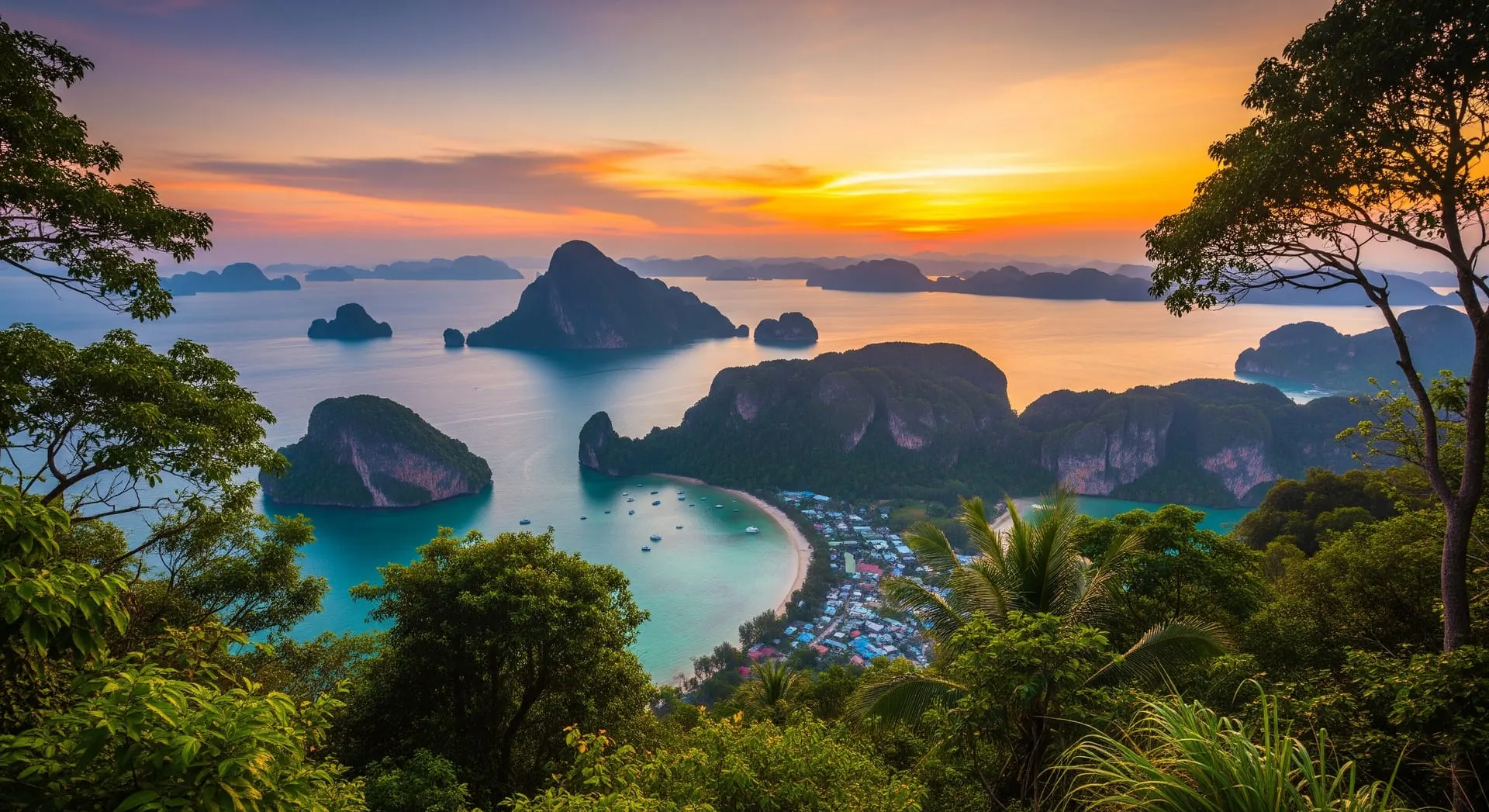
Daily life in Thailand — where Bulgarian citizens settle on the DTV
Life in Thailand — your home base on the 5-year DTV
Section 04

Where to Settle in Thailand

Thailand offers a base for every style. Bangkok is the capital and the obvious landing pad: world-class hospitals, international schools, every cuisine imaginable and the country's best flight connections back to Europe. Chiang Mai in the north is the long-time favourite of budget-conscious remote workers — cooler, greener, calmer and cheaper, with a dense café and co-working culture. For beach life, Phuket is the most developed island with the widest range of services and a busy international airport, while Koh Samui and Krabi offer a quieter coastal pace. Families often prefer Hua Hin , an easygoing seaside town within driving distance of Bangkok. Many Bulgarians split their time, using the DTV's multiple entries to sample the north before committing to the coast.

Section 05

Money and Banking

The local currency is the Thai baht (THB). Bulgaria uses the lev (BGN), which is pegged to the euro, so it helps to keep an eye on the EUR/THB rate when budgeting. Bulgarian debit and credit cards work widely at ATMs and card terminals across Thailand, though local ATMs charge a fixed foreign-card withdrawal fee of around 220 THB per transaction — so larger, less frequent withdrawals save money. Many Bulgarian expats rely on multi-currency accounts such as Wise or Revolut to move funds at near-interbank rates and avoid double conversion through the lev. Opening a Thai bank account as a long-stay foreigner is possible but paperwork-heavy and bank-dependent; plenty of DTV holders manage comfortably for months on international cards and transfer apps before deciding whether a local account is worth the effort.

Proof of Funds

The DTV asks you to show proof of 500,000 THB (~$15,000) in personal funds to demonstrate you can support your stay. This is simply evidence of financial stability — the money stays yours. Our team reviews your statements before submission so everything meets the requirement the first time.

Section 06

Documents and Translation

Bulgaria's official language is Bulgarian, written in the Cyrillic alphabet, so documents you submit for the DTV — particularly bank statements and any supporting paperwork — will likely need a certified English (or Thai) translation to be accepted. The good news is that you do not have to puzzle through this alone: you apply from outside Thailand and our company prepares and submits the entire application for you, advising exactly which documents to gather and when a certified translation is required. We check formatting, dates and funds evidence in advance so nothing is missed.

  • Valid Bulgarian passport with sufficient remaining validity and blank pages.
  • Proof of funds — 500,000 THB (~$15,000) in personal accounts.
  • Bank statements, with certified English/Thai translation where they are issued in Bulgarian.
  • Supporting evidence of your remote work, freelance activity or qualifying lifestyle purpose.
  • A recent passport-style photo and standard personal details.
Section 07

Daily Life and Community

Day-to-day life in Thailand is easy to settle into. English is widely spoken in tourist and expat areas, food delivery and ride-hailing apps cover the cities, and modern condos come furnished and serviced. While there is no large dedicated Bulgarian colony, you will find an active mix of Balkan, Eastern European and wider international expats, especially in Bangkok, Chiang Mai and Phuket. Facebook groups, Telegram channels and co-working communities make it simple to meet people, swap practical tips and organise outings. Between cheap domestic flights, vibrant markets, temples, dive sites and weekend trips to neighbouring countries, most Bulgarians find the DTV's five-year window fills up fast.

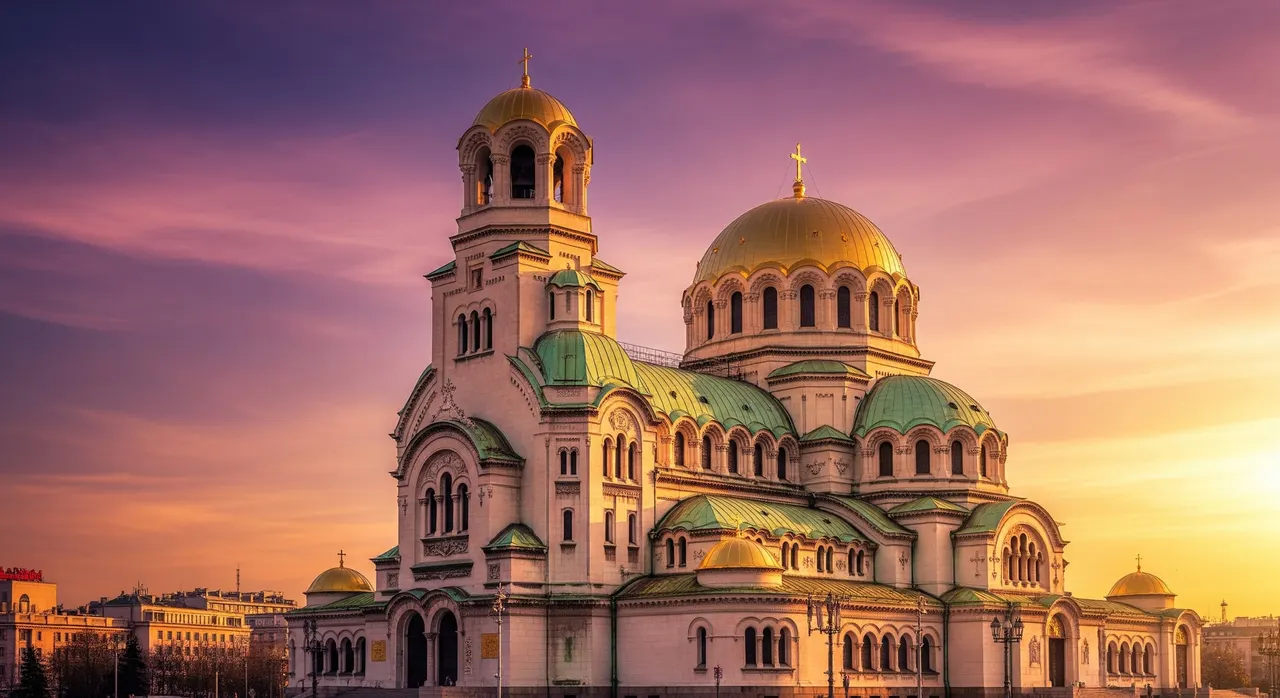
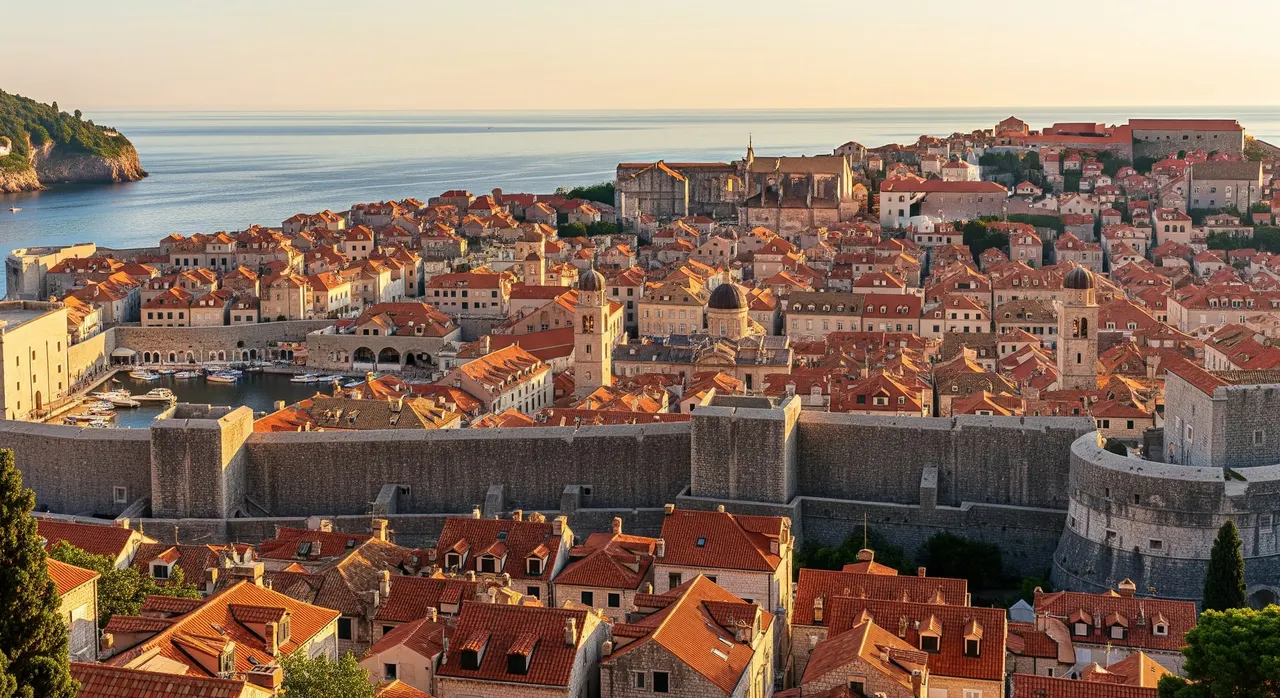
Bulgaria — your starting point before relocating to ThailandBulgaria
From Bulgaria to Thailand

Make the move from Bulgaria

Trade Bulgaria for up to five years in Thailand on the DTV. We prepare and submit your entire application from wherever you are — proof of funds, category evidence and passport — so you can focus on the move, not the paperwork.

Check eligibility
Step by step

How Bulgarian citizens apply for the DTV

1

Check you qualify

Almost every nationality can apply. Take our free 60-second eligibility checker to confirm your route — remote work, soft power, medical or family.

2

We prepare everything

We assemble and review your documents: proof of 500,000 THB (~$15,000), your category evidence and passport — so nothing gets rejected.

3

We submit for you

You apply from outside Thailand. We file at a Thai embassy or consulate (such as Hanoi, Ho Chi Minh, Jakarta, Vientiane or London) within one business day.

4

Get approved & move

On approval you get the 5-year, multiple-entry DTV — up to 180 days per stay, extendable once. Then make Thailand home.

Questions

DTV FAQ for Bulgarian citizens

What exactly is the Destination Thailand Visa for Bulgarian citizens?

The DTV is a 5-year multiple-entry visa that lets you live in Thailand and work remotely. Each entry allows a stay of up to 180 days, and you can extend that once for a further 180 days, so you can come and go across five years. You apply from outside Thailand and our team prepares and submits every document for you.

How long does it take to fly from Bulgaria to Thailand?

There are no direct flights, so you connect through a hub such as Istanbul, Doha or Dubai. Total travel time from Sofia is typically 13–17 hours including the layover, with roughly 9–10 hours in the air from the Gulf hubs to Bangkok.

What is the time difference between Bulgaria and Thailand?

Thailand (UTC+7) is 5 hours ahead of Bulgaria in winter and 4 hours ahead during Bulgarian summer time. That makes an early Thai-afternoon start ideal for overlapping with the Bulgarian and wider European working day while keeping your evenings free.

What are the financial requirements for the DTV?

You show proof of funds of at least 500,000 THB (approximately $15,000) in your personal accounts to demonstrate financial stability. The money remains yours — it is simply evidence you can support your stay. Our service starts from $139 and we handle the whole application.

Will my Bulgarian bank statements need to be translated?

Because Bulgaria's official language is Bulgarian and documents are issued in Cyrillic, your bank statements and supporting paperwork will likely need a certified English or Thai translation to be accepted. We tell you exactly which documents require translation before you submit.

Can I use my Bulgarian bank cards and lev in Thailand?

Yes. Bulgarian debit and credit cards work at ATMs and card terminals across Thailand. Note that Thai ATMs charge a fixed foreign-card fee of around 220 THB per withdrawal, so taking out larger amounts less often saves money. Many expats also use Wise or Revolut for better exchange rates.

How does the cost of living compare with Bulgaria?

Bulgaria is already affordable by EU standards, but Thailand still offers excellent value on daily life. Local meals, transport, massage and domestic flights are typically cheaper, while rent for a modern condo is competitive. Western imports and wine can cost more, but overall most Bulgarians find their money goes further.

Where do most Bulgarian expats settle in Thailand?

Bangkok suits those who want city amenities and the best flight links to Europe, Chiang Mai is popular with budget-minded remote workers, and Phuket, Koh Samui and Krabi appeal to beach lovers. Hua Hin is a favourite with families. The DTV's multiple entries make it easy to try a few before settling.

Is there a Bulgarian community in Thailand?

There is no large dedicated Bulgarian community, but you will find plenty of Balkan, Eastern European and international expats, especially in Bangkok, Chiang Mai and Phuket. Online groups and co-working spaces make it easy to connect, share advice and meet up.

What happens if my DTV application is denied?

With our optional Denial Protection add-on, you receive a 100% refund of our service fee if your application is denied. We prepare your file carefully to give it the best chance, and this add-on offers extra peace of mind.

Ready to move to Thailand from Bulgaria?

Check your eligibility in under a minute, or let our team prepare and submit everything — with a 100% refund if your application is denied (with the optional paid Denial Protection add-on).