Skip to content
Americas

DTV Visa for Brazilian Citizens

Imagine swapping Brazil's soaring costs and big-city pressure for a life where your money stretches further, the streets feel safer, and the tropics are your year-round playground. For Brazilian citizens , the Destination Thailand Visa (DTV) turns that idea into a practical plan — a five-year, multiple-entry gateway to live, work remotely, and settle into one of Southeast Asia's most welcoming cultures. Whether you are a digital nomad from São Paulo, a remote worker escaping Rio's commute, or an entrepreneur chasing a fresh start, Thailand offers a lifestyle that blends adventure with genuine affordability — and we handle the visa paperwork from start to finish.

Every Brazilian citizen is eligible to apply

5

Years validity

180

Days per entry

500k

THB proof of funds

$139

Service fee from

100%

Refund if denied*

Why Brazilian citizens choose Thailand

Living in Thailand from Brazil

Section 01

Why Brazilians Are Choosing Thailand

For many Brazilians, the move to Thailand grows out of a familiar wish: a higher quality of life without giving up the things that make Brazil home. Both countries share a love of vibrant festivals, warm weather, and rich food cultures, but Thailand delivers what Brazil increasingly struggles to provide consistently — everyday safety, lower costs, and sheer ease of living.

Picture walking through a Bangkok night market well after dark without the constant security calculations of Centro in São Paulo or parts of Rio, or eating out for a fraction of what the same meal costs in Belo Horizonte. The tropical climate feels reassuringly close to home, yet it comes with smooth public transport, modern shopping malls, and dependable infrastructure. Remote workers thrive here: fast fibre internet, abundant coworking spaces, and a time difference that, with planning, lines up neatly with clients back in Brazil. It is no surprise that a steady stream of Brazilians now treat Thailand as a second home base.

Section 02

Cost of Living: São Paulo vs. Bangkok

Let's talk numbers. A comfortable lifestyle in a prime São Paulo neighbourhood such as Itaim Bibi or Pinheiros can easily run R$6,000–8,000 a month for the basics. In Bangkok, you can live well on roughly half that. A modern one-bedroom condo in the central Sukhumvit corridor averages 15,000–25,000 THB (about R$2,200–3,700) per month — a comparable flat in Itaim Bibi often tops R$4,500. Street-food meals start around 50 THB (R$7.50), and a relaxed dinner for two rarely passes 500 THB (R$75).

Transport is where the gap really shows: BTS Skytrain and MRT rides cost a few baht, and motorbike taxis dart through traffic for pocket change. Coworking memberships in Chiang Mai or Phuket typically range from 1,500–3,000 THB (R$225–450) a month, usually with strong Wi-Fi and free coffee. For Brazil's remote professionals earning in reais, dollars, or euros, the DTV opens the door to a life where you can save aggressively or simply enjoy more — all from a tropical base.

What costs R$100 in Brazil costs about R$40 in Thailand

From groceries to nights out, your purchasing power nearly doubles. A gym membership in Thailand runs around 1,500 THB (R$225) a month; in Brazil, expect R$400 or more. A good haircut is about 200 THB (R$30) versus R$100+ in big Brazilian cities. Even clothing and many electronics carry friendlier price tags, leaving more room in your budget for travel and weekend trips.

Section 03

Getting to Thailand from Brazil

The trip from Brazil to Thailand is long but well-trodden. Most travellers leave from São Paulo–Guarulhos (GRU) or Rio de Janeiro–Galeão (GIG) and reach Bangkok (BKK) or Phuket (HKT) with one or two stops. The most common connections run through European hubs such as Lisbon, Paris, or Frankfurt, or through Middle Eastern carriers via Doha, Dubai, or Abu Dhabi — the Gulf routings are often the quickest single-stop options. Door-to-door, plan on roughly 26–32 hours including layovers. Many people deliberately build in a longer stopover, turning the journey into a mini-vacation in Europe or the Gulf.

Thailand runs on Indochina Time (ICT, UTC+7), which is 10 hours ahead of Brasília Time (BRT, UTC−3). That gap is a genuine advantage for remote workers serving Brazilian clients: you can spend your morning at a café, beach, or temple, then start your workday in the early afternoon Bangkok time — just as Brazil is coming online. Freelancers and tech professionals often find this rhythm ideal for both productivity and lifestyle.

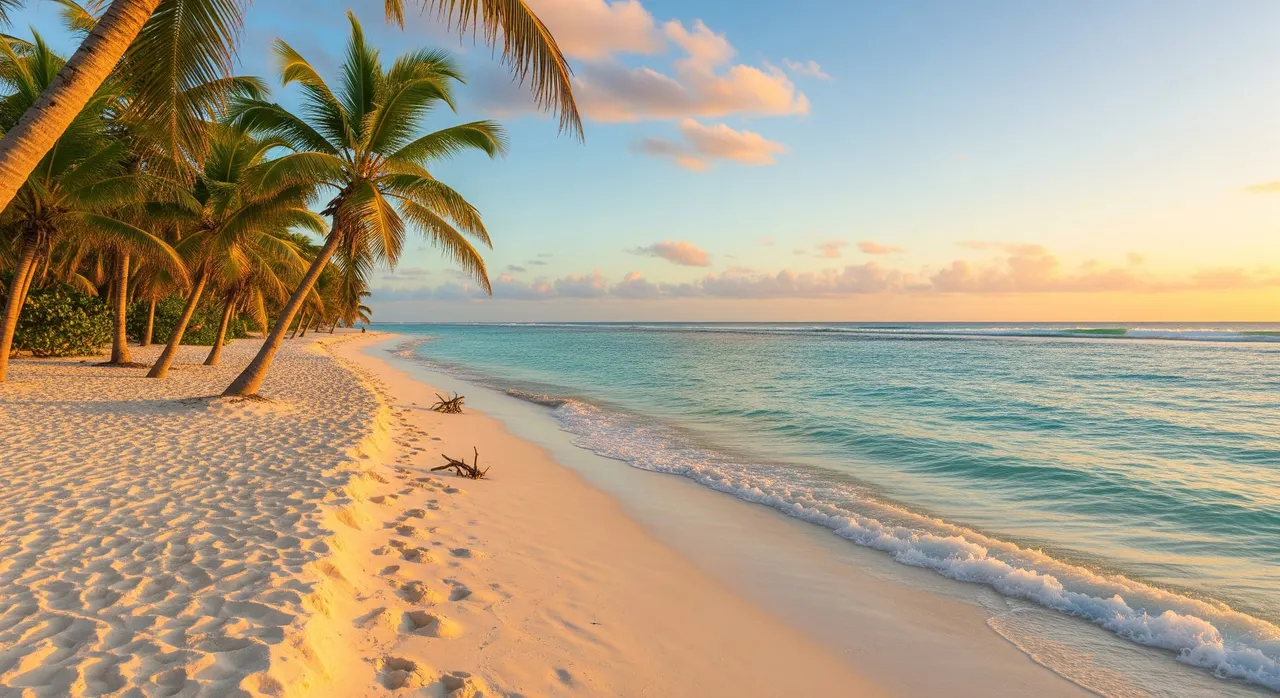
Daily life in Thailand — where Brazilian citizens settle on the DTV
Life in Thailand — your home base on the 5-year DTV
Section 04

Where Brazilian Expats and Nomads Settle

  • Bangkok: The capital draws Brazilians who want urban energy, world-class dining, and constant networking. Sukhumvit, Silom, and Ari are favourites for convenience, transit links, and international communities.
  • Chiang Mai: Tucked into the northern hills, this is Thailand's classic digital-nomad base — relaxed, affordable, and packed with cafés, coworking spaces, and a cooler dry season that offers a break from the tropical heat.
  • Phuket: For sun-seekers, Phuket's beaches and island pace echo Brazil's coast with a Thai twist. Rawai and Chalong are popular for longer stays, with good coworking spots and an active sports and fitness scene.
  • Koh Phangan: Beyond the Full Moon Party, the island attracts a creative, wellness-minded crowd, including plenty of South Americans seeking a slower, community-focused life by the sea.

Start in Bangkok, then explore

Many Brazilians spend their first few weeks in Bangkok to get set up — sorting a SIM card, scouting condos, and looking into a local bank account — then head to Chiang Mai or the islands once they have found their rhythm and know which lifestyle suits them best.

Section 05

Money and Banking: From Reais to Baht

Managing money across continents is more straightforward than you might expect. The Thai baht (THB) is relatively stable, while the Brazilian real floats, so it pays to watch the rate when you transfer larger amounts. Most expats move funds with international services such as Wise, Remitly, or Revolut, which generally beat traditional bank wires on both rates and fees. You can also withdraw cash at ATMs — they are everywhere — using a Brazilian debit or credit card, though Thai machines charge a per-withdrawal fee of around 220 THB (R$33) on top of your home bank's charges.

Thailand is still partly a cash society, but mobile payments via PromptPay and QR codes have spread rapidly and are now the norm for everything from market stalls to taxis. Opening a local Thai bank account becomes far easier once you hold a long-term visa like the DTV, and it cuts down on transfer costs over time. Note that the DTV requires you to show proof of 500,000 THB (~$15,000) in personal funds; this can sit in a Brazilian account, provided it is liquid, in your name, and properly documented.

Section 06

Documents and Translation for Brazilians

Because Brazil's official language is Portuguese, the supporting documents you prepare for your DTV application — bank statements, proof of remote income or employment, and similar paperwork — will likely need a certified English (or Thai) translation to be accepted. In practice this is routine for Brazilian applicants: a sworn translator ( tradutor juramentado ) or a recognised agency converts your documents, and you are set. The good news is that you apply from outside Thailand and our team prepares and submits the entire application for you, so there is no need to learn Thai or navigate the process alone.

Get translations done early

Sworn translations in Brazil can take a few business days, especially for multi-page bank statements. Request them as soon as you decide to apply so the certified copies are ready when the rest of your file is — it keeps your move on schedule.

Section 07

Daily Life and the Brazilian Community

Healthcare in Thailand is a major draw. Private hospitals such as Bumrungrad and Bangkok Hospital offer high-standard care at a fraction of Brazilian private-hospital prices, and many doctors speak fluent English. Routine consultations are inexpensive, and pharmacies are well stocked and easy to find. High-speed internet is everywhere, fast, and cheap — essential for remote work — with strong 4G/5G coverage even on smaller islands. The food scene needs no introduction: from fiery Isaan salads to night-market grills, plus a sprinkling of Brazilian-style steakhouses and rodízio churrascarias in the main expat hubs.

Just as important for many Brazilians is the everyday sense of safety. Violent crime is rare and petty theft uncommon, a welcome contrast to daily life in parts of São Paulo or Rio. The Brazilian community here is small but tight-knit and growing: in Bangkok, Chiang Mai, and Phuket you will find Portuguese-speaking groups, samba and capoeira nights, and casual meetups that celebrate Brazilian culture alongside local traditions. Whether you want a taste of home or a bridge into Thai life, these networks make the transition smoother and a lot more fun.

  • Search Facebook and WhatsApp for "Brasileiros na Tailândia" groups — they are the fastest source of insider tips, housing leads, and meetups.
  • In Bangkok, look out for Brazilian-style churrascarias and the regular expat mixers hosted at major coworking spaces.
  • Chiang Mai runs capoeira circles and Portuguese–English language exchanges that blend the local and Brazilian scenes.
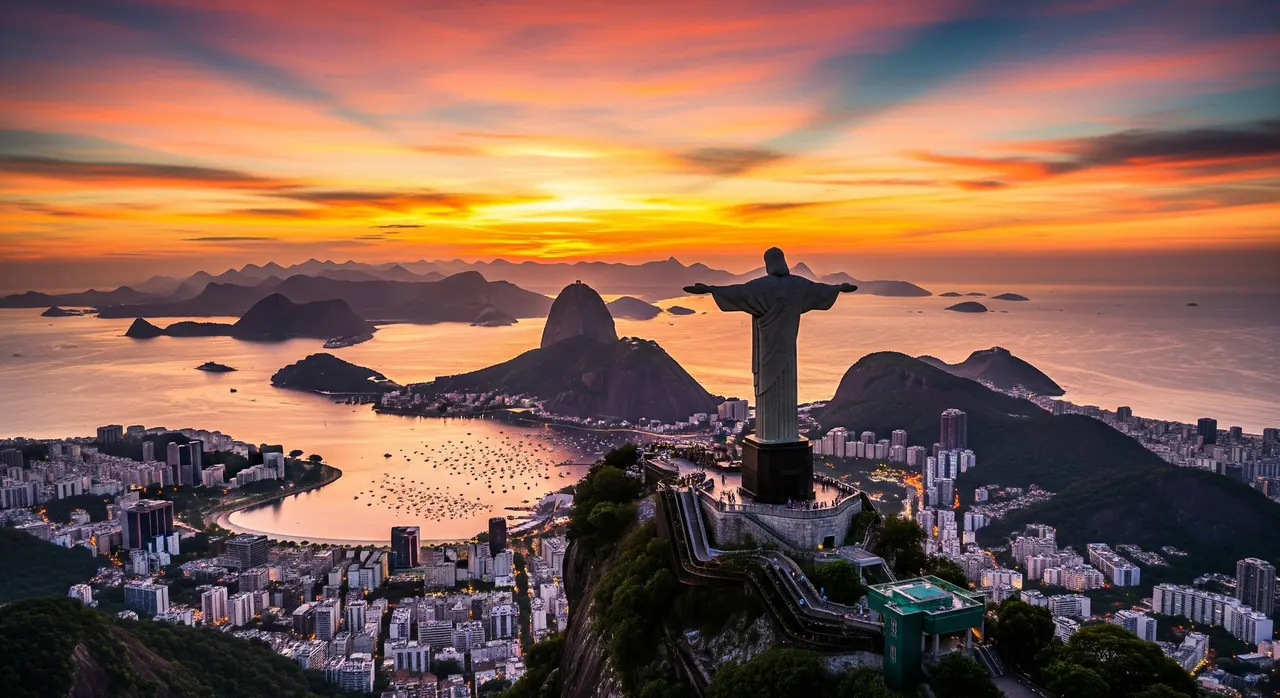
Brazil — your starting point before relocating to ThailandBrazil
From Brazil to Thailand

Make the move from Brazil

Trade Brazil for up to five years in Thailand on the DTV. We prepare and submit your entire application from wherever you are — proof of funds, category evidence and passport — so you can focus on the move, not the paperwork.

Check eligibility
Step by step

How Brazilian citizens apply for the DTV

1

Check you qualify

Almost every nationality can apply. Take our free 60-second eligibility checker to confirm your route — remote work, soft power, medical or family.

2

We prepare everything

We assemble and review your documents: proof of 500,000 THB (~$15,000), your category evidence and passport — so nothing gets rejected.

3

We submit for you

You apply from outside Thailand. We file at a Thai embassy or consulate (such as Hanoi, Ho Chi Minh, Jakarta, Vientiane or London) within one business day.

4

Get approved & move

On approval you get the 5-year, multiple-entry DTV — up to 180 days per stay, extendable once. Then make Thailand home.

Questions

DTV FAQ for Brazilian citizens

What is the Destination Thailand Visa (DTV) and how does it work for Brazilians?

The DTV is a 5-year, multiple-entry visa that lets Brazilian citizens live in Thailand and work remotely for clients or employers abroad. Each entry allows a stay of up to 180 days, which can be extended once by a further 180 days at a local immigration office. It is designed for digital nomads, freelancers, and remote employees who want Thailand as a long-term base.

How much does your DTV service cost and what does it include?

Our DTV preparation and submission service starts from $139. We review your documents, guide you on translations, prepare the full application, and submit everything on your behalf, so you can focus on planning your move. With the optional Denial Protection add-on, you receive a 100% refund if your application is denied.

What is the proof of funds requirement for Brazilians?

You need to show proof of 500,000 THB (approximately $15,000) in personal funds. The money can sit in a Brazilian or international account, as long as it is in your name, liquid, and properly documented. It does not need to be locked away — it simply demonstrates you can support yourself while living in Thailand.

Can I apply for the DTV from Brazil, or do I need to be elsewhere?

You apply from outside Thailand, and most Brazilians apply while still in Brazil. Our team handles the preparation and submission for you, and once your visa is approved you simply travel to Thailand and enter on the DTV.

How long is the flight from Brazil to Thailand?

From São Paulo or Rio to Bangkok, door-to-door travel time is typically around 26–32 hours including one or two layovers. The most common routes connect through Europe (Lisbon, Paris, Frankfurt) or the Middle East (Doha, Dubai, Abu Dhabi), with the Gulf carriers often offering the quickest single-stop options.

Is there a Brazilian community in Thailand?

Yes. There is a small but growing Brazilian community, concentrated in Bangkok, Chiang Mai, and Phuket. You will find Brazilian-style restaurants, Portuguese-speaking WhatsApp and Facebook groups, capoeira and samba events, and regular meetups that make it easy to stay connected to home while settling into Thai life.

How does the time difference affect working remotely for Brazilian clients?

Thailand is 10 hours ahead of Brasília time (UTC+7 versus UTC−3). That works well for remote workers: you can keep your mornings free for the beach, exploring, or the gym, then start work in the early afternoon Bangkok time — right as Brazil comes online — and overlap comfortably with Brazilian business hours.

Do I need to translate my Brazilian documents?

Most likely, yes. Because Portuguese is Brazil's official language, supporting documents such as bank statements and employment or income letters will usually need a certified English or Thai translation to be accepted. A sworn translator (tradutor juramentado) handles this routinely, and our team guides you on exactly what is required.

How does the cost of living in Thailand compare to Brazil?

Your money goes considerably further. Rent, food, transport, and entertainment are often 40–60% cheaper than in São Paulo or Rio. Many Brazilians find they can either save much more than they could at home or enjoy a noticeably higher standard of living while working remotely from Thailand.

Can I extend my stay beyond the initial 180 days?

Yes. Each entry on the DTV allows a stay of up to 180 days, which you can extend once by a further 180 days at a Thai immigration office. Because it is a multiple-entry visa valid for five years, you can also leave and re-enter Thailand to begin a fresh 180-day stay for as long as the visa remains valid.

Where you apply

The Thai mission for Brazil

You submit the DTV online via the Thai e-Visa portal — but the office below covers applicants in Brazil and may review your file.

Ready to move to Thailand from Brazil?

Check your eligibility in under a minute, or let our team prepare and submit everything — with a 100% refund if your application is denied (with the optional paid Denial Protection add-on).