Skip to content
Africa

DTV Visa for Motswana Citizens
If you're a Motswana professional, freelancer, or digital nomad dreaming of a change, Thailand is calling. With its tropical climate, world-class street food, and thriving expat scene, more Batswana are swapping the dry Kalahari heat and the high cost of imported goods in Gaborone for a richer, cheaper, sea-level lifestyle in Southeast Asia. The Destination Thailand Visa (DTV) makes it possible to stay for up to five years on a single multiple-entry visa, combining remote work for clients back home with long-term exploration of one of the world's most welcoming countries.

Every Motswana citizen is eligible to apply

5

Years validity

180

Days per entry

500k

THB proof of funds

$139

Service fee from

100%

Refund if denied*

Why Motswana citizens choose Thailand

Living in Thailand from Botswana

Section 01

Why Batswana Are Making the Move to Thailand

Batswana professionals, freelancers, and remote workers are increasingly looking east. Compared with Gaborone or Francistown, Thailand offers a dramatically lower cost of living, from affordable street food to modern, well-equipped apartments at a fraction of what landlords charge in the capital. Botswana's economy is stable and the pula is one of Africa's stronger currencies, but it is a landlocked, import-dependent country where electronics, dining out, and quality housing carry a premium. Thailand flips that equation: tropical beaches replace the semi-arid bush, a deep network of international hospitals delivers excellent private care, and fibre internet in the cities makes video calls and VPNs back to Botswana effortless. For digital nomads, the DTV removes the biggest barrier of all by letting you base yourself legally for years rather than hopping between short tourist stamps.

The Destination Thailand Visa at a Glance

The DTV is a 5-year, multiple-entry visa. Each entry lets you stay up to 180 days, and you can extend that once for a further 180 days without leaving the country. You'll need to show proof of 500,000 THB (~$15,000) in personal funds. You apply from outside Thailand, and we prepare and submit the entire application for you. Service starts from $139, with a 100% refund if your application is denied when you add optional Denial Protection.

Section 02

Cost of Living: Thailand vs Botswana

This is where the move pays for itself. A comfortable one-bedroom apartment in central Bangkok typically runs BWP 5,500–8,500 per month, while a similar place in Gaborone's better suburbs easily reaches BWP 10,000 or more. Outside the capital, Chiang Mai is cheaper still. Everyday spending falls just as sharply: a tasty meal at a local Thai eatery often costs under BWP 80, against BWP 150 or more for a comparable sit-down lunch in Botswana. Transport is inexpensive too, with the Bangkok BTS Skytrain, metered taxis, and ride-hailing apps such as Grab and Bolt covering the city cheaply. Many Batswana find their pula simply stretches much further once daily costs, dining, and entertainment are all factored in.

  • Central one-bed apartment: ~BWP 5,500–8,500/month in Bangkok vs BWP 10,000+ in Gaborone
  • Local restaurant meal: under BWP 80 in Thailand vs BWP 150+ in Botswana
  • ATM withdrawals: Thai banks charge a fixed fee of about 220 THB per foreign-card withdrawal, so take out larger amounts less often
  • Public transport: efficient and affordable, from the Bangkok Skytrain to cheap inter-city trains and buses
  • Private healthcare: international-standard hospitals at a fraction of comparable private clinic costs back home
Section 03

Getting to Thailand from Botswana

There are no direct flights between Botswana and Thailand, but the trip is straightforward with a single connection. Most travellers fly out of Sir Seretse Khama International Airport (GBE) in Gaborone, or via Maun, and connect through a regional hub. The most common routings are via Johannesburg (a short hop from Gaborone, then a long-haul onward leg), Addis Ababa on Ethiopian Airlines, Doha on Qatar Airways, or Dubai on Emirates. Total travel time, including the layover, typically lands between 17 and 22 hours depending on the connection. Booking the Gaborone–Johannesburg leg together with your long-haul ticket usually gives the smoothest baggage and timing experience.

Time Zone Advantage

Thailand (ICT, UTC+7) is 5 hours ahead of Botswana (CAT, UTC+2). When it's 9 AM in Gaborone, it's 2 PM in Bangkok. Schedule client calls during your Botswana morning to catch the Thai afternoon, then keep your Thai evenings free to explore.

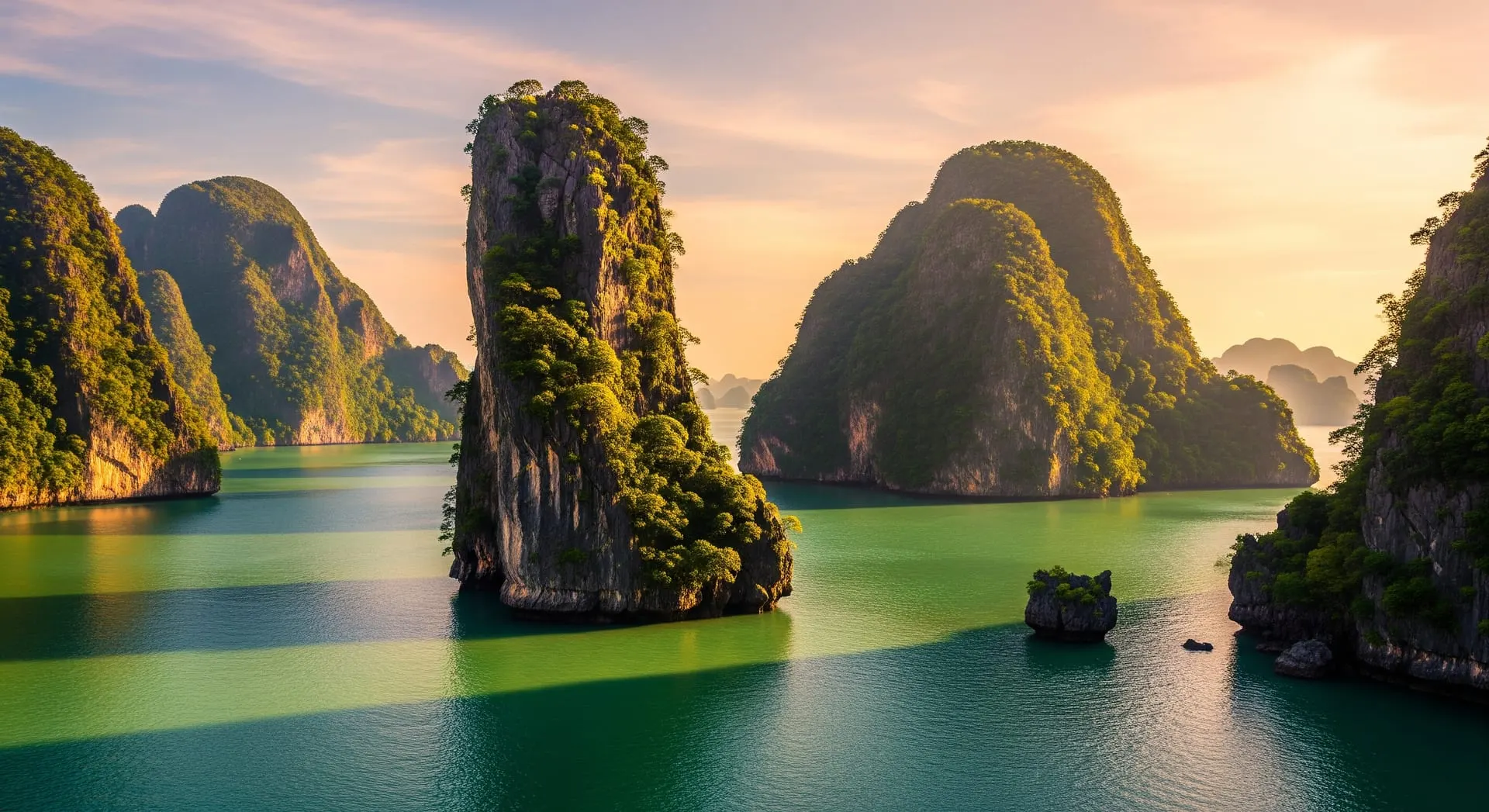
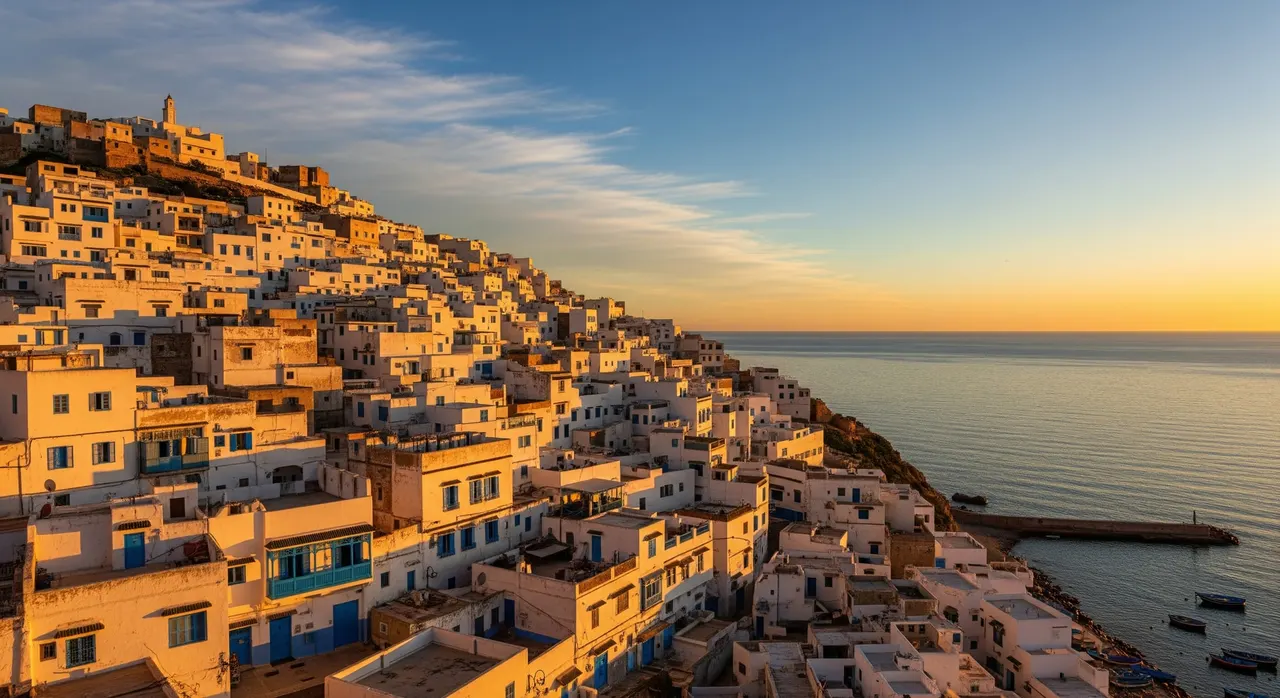
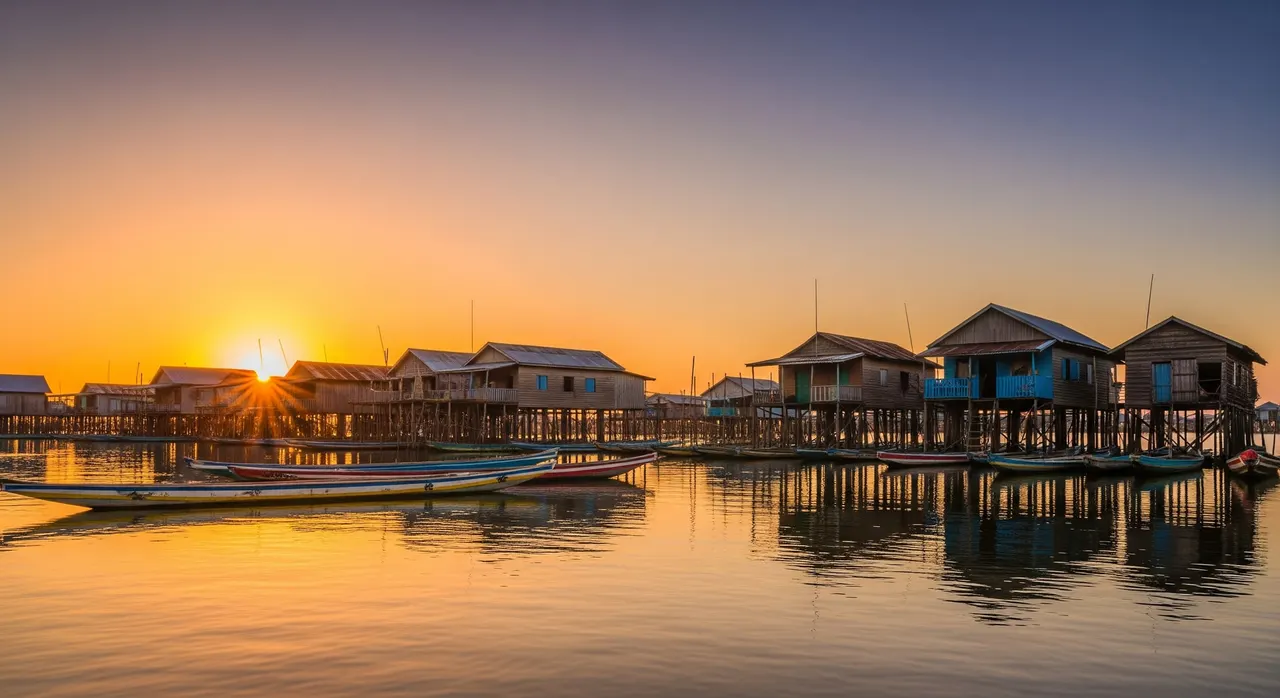
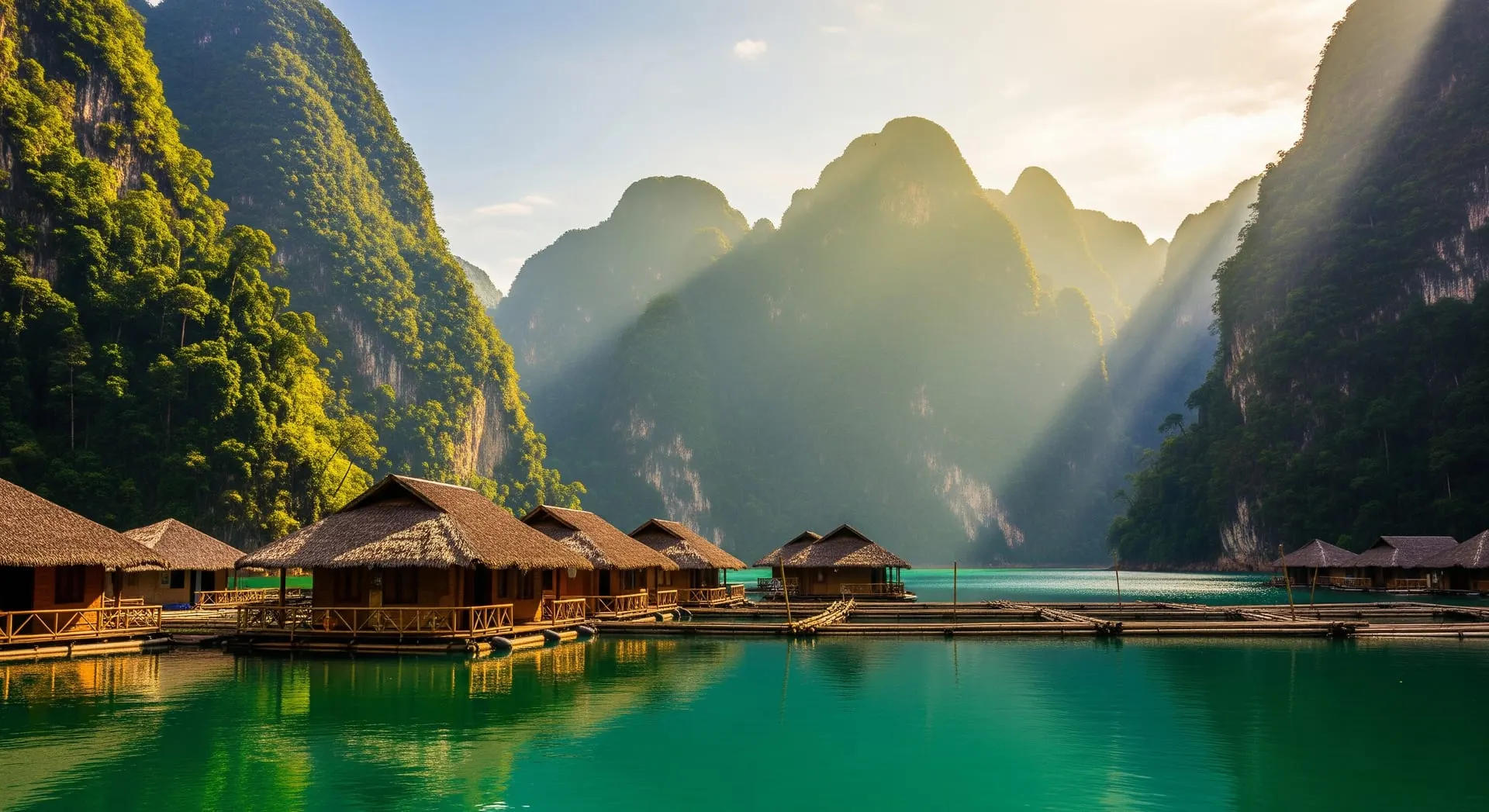
Daily life in Thailand — where Motswana citizens settle on the DTV
Life in Thailand — your home base on the 5-year DTV
Section 04

Where to Settle in Thailand

Thailand suits very different lifestyles, so it's worth matching the city to how you like to live and work. Bangkok is the obvious landing point: a fast, cosmopolitan capital packed with coworking spaces, malls, international schools, and an unbeatable food scene. Chiang Mai, in the cooler northern mountains, is the long-standing favourite of the digital-nomad crowd, with lower rents, a relaxed pace, and a famously tight community. For beach life, Phuket and the smaller islands offer sea views, wellness retreats, and a steady stream of international residents. Many Batswana start in Bangkok to get set up, then use the DTV's multiple-entry flexibility to try Chiang Mai or the coast before deciding where to put down roots.

Section 05

Money & Banking

The local currency is the Thai baht (THB). Most Batswana arrive spending on their home cards while they settle in, and card payments and QR-code payments are widely accepted in Thai cities. For cash, foreign-card ATM withdrawals carry a fixed fee of around 220 THB each, so it's smarter to withdraw larger sums less frequently. For the DTV itself, the 500,000 THB (~$15,000) in personal funds is the financial proof you'll provide; keeping those funds in a clearly documented account, with statements covering the recent months, makes the paperwork far simpler. Opening a Thai bank account as a new arrival can take some patience, so it helps to keep your Botswana banking accessible and to budget for the first weeks before local accounts are running.

Section 06

Documents & Translation

Botswana's official languages are English and Setswana, and English is the language of government, business, and banking. That's a real advantage for your application: your bank statements and supporting financial documents are typically issued in English and are usually accepted as-is, with no certified translation required. You'll want a passport valid well beyond your intended stay, recent bank statements evidencing the 500,000 THB (~$15,000) in funds, and proof of your remote work or freelance activity. The good news is that you don't navigate this alone. You apply from outside Thailand and we prepare and submit the full application package for you, checking each document before it goes in.

Good News on Paperwork

Because English is an official language of Botswana, your bank statements and financial documents are normally accepted in English without a certified translation, removing a step that applicants from non-English-speaking countries often face.

Section 07

Daily Life & Community

Day-to-day life in Thailand is easy to slip into. Thai people are famously warm, English is widely understood in tourist and expat areas, and the practical things, from SIM cards and food delivery to coworking memberships, are quick to arrange. The Motswana community is still small, but a large and active network of African, international, and digital-nomad groups across Bangkok and Chiang Mai makes it easy to find your feet. Online expat forums, Facebook groups, and regular meetups help newcomers connect within days. Between the food, the travel, the lower costs, and the five-year horizon the DTV provides, many Batswana find Thailand quickly stops feeling like a trip and starts feeling like home.

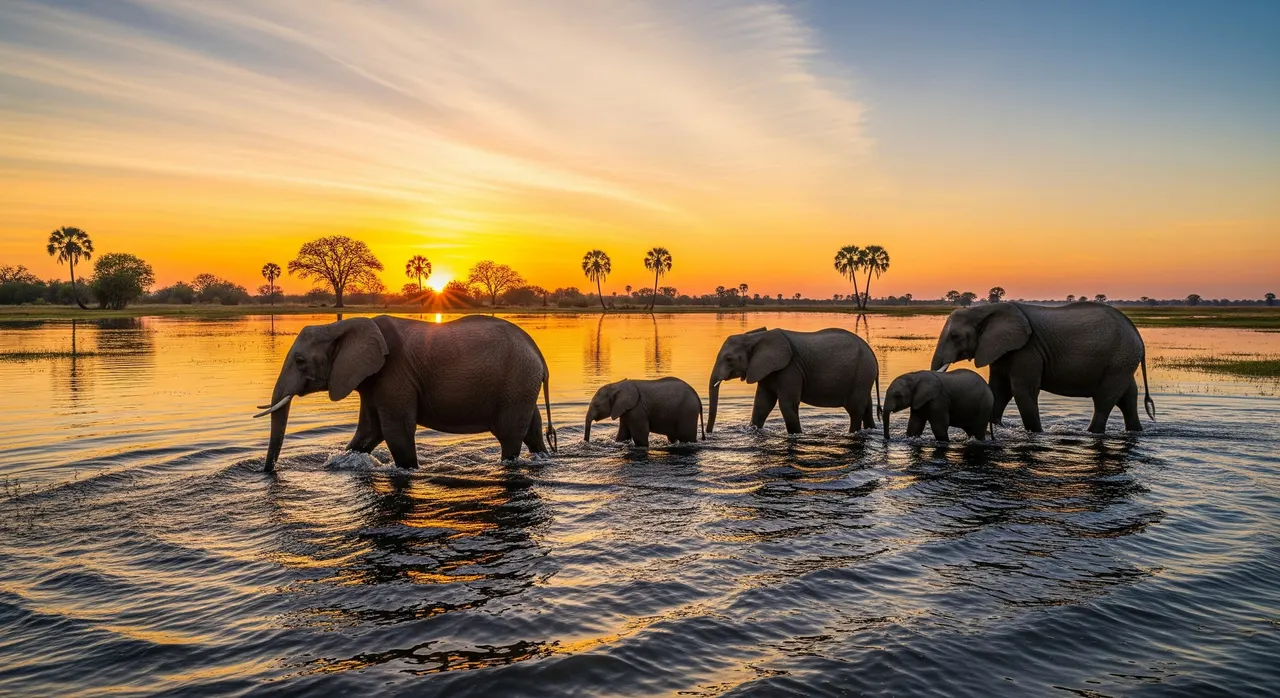
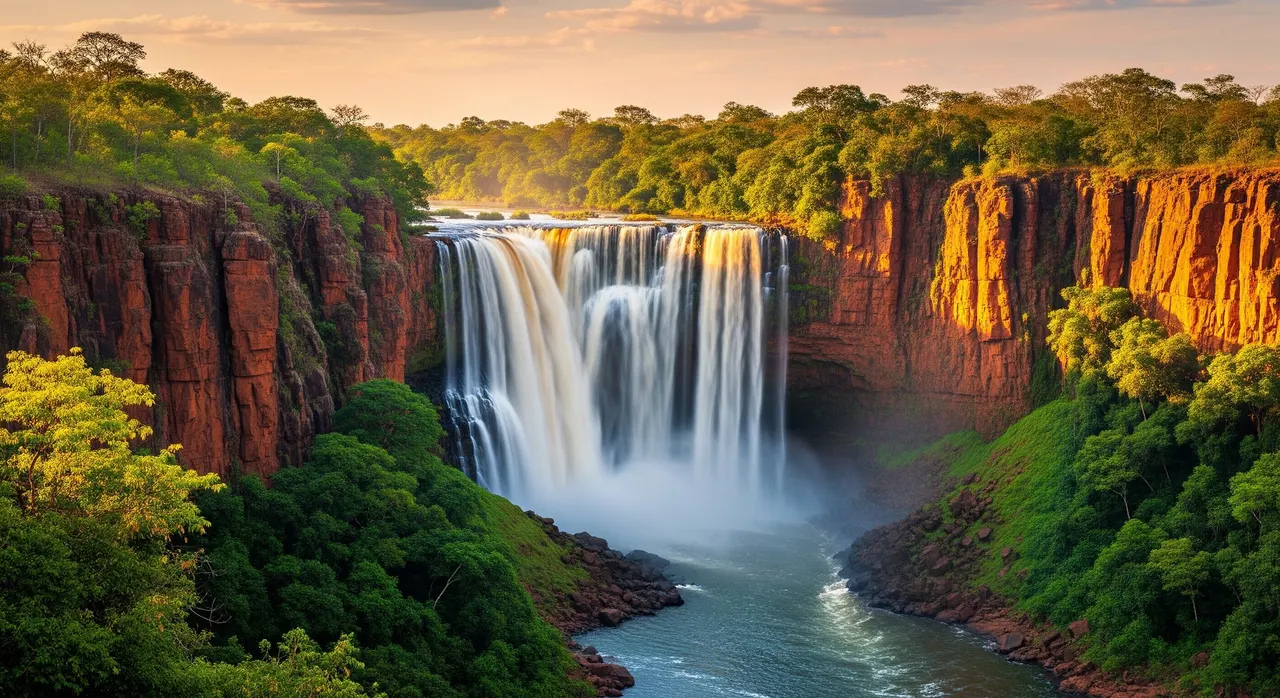
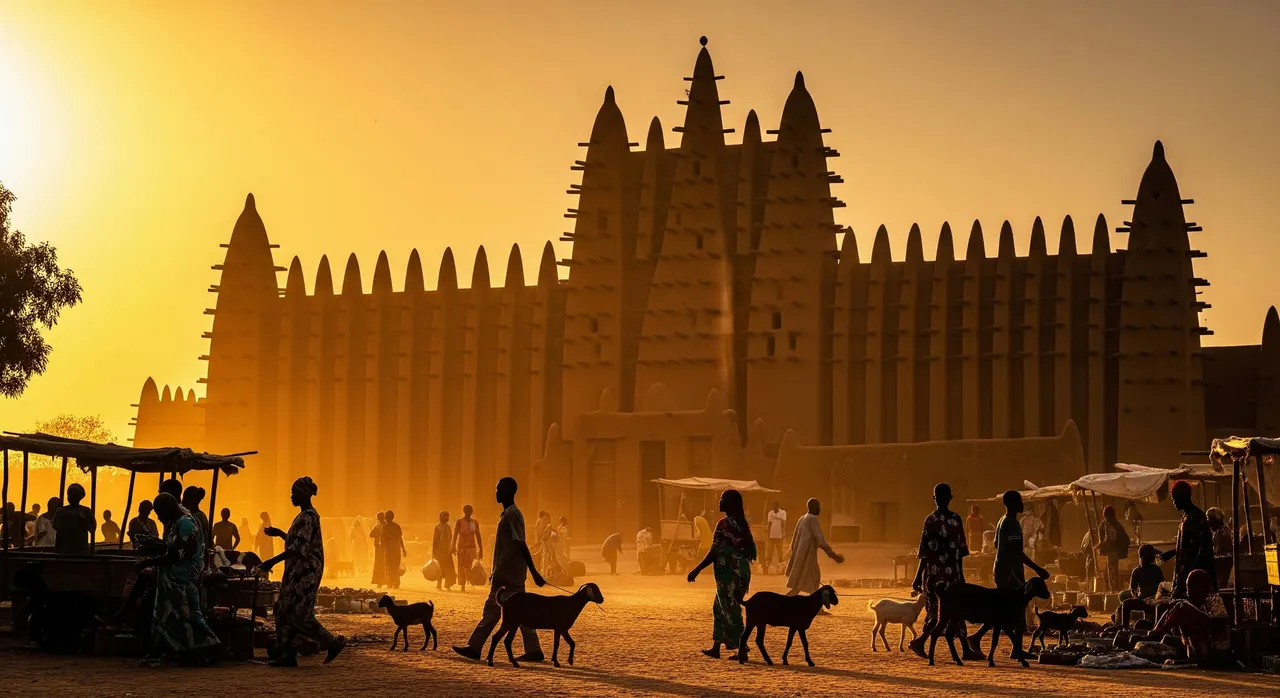
Botswana — your starting point before relocating to ThailandBotswana
From Botswana to Thailand

Make the move from Botswana

Trade Botswana for up to five years in Thailand on the DTV. We prepare and submit your entire application from wherever you are — proof of funds, category evidence and passport — so you can focus on the move, not the paperwork.

Check eligibility
Step by step

How Motswana citizens apply for the DTV

1

Check you qualify

Almost every nationality can apply. Take our free 60-second eligibility checker to confirm your route — remote work, soft power, medical or family.

2

We prepare everything

We assemble and review your documents: proof of 500,000 THB (~$15,000), your category evidence and passport — so nothing gets rejected.

3

We submit for you

You apply from outside Thailand. We file at a Thai embassy or consulate (such as Hanoi, Ho Chi Minh, Jakarta, Vientiane or London) within one business day.

4

Get approved & move

On approval you get the 5-year, multiple-entry DTV — up to 180 days per stay, extendable once. Then make Thailand home.

Questions

DTV FAQ for Motswana citizens

Can I work remotely for my Botswana employer while on the DTV?

Yes. The DTV is designed for remote workers and digital nomads. You can legally work for a foreign employer, including one based in Botswana, or serve international clients. The visa is valid for 5 years, multiple-entry, with each stay up to 180 days and extendable once per entry for a further 180 days. You'll need to show proof of at least 500,000 THB (about $15,000) in personal funds. You apply from outside Thailand, and we prepare and submit everything for you, with our service starting from $139.

What is the time difference between Botswana and Thailand, and how does it affect remote work?

Thailand is 5 hours ahead of Botswana (UTC+7 vs UTC+2). When it's 9 AM in Gaborone, it's 2 PM in Bangkok. You can comfortably schedule real-time meetings during Botswana's morning and early afternoon, then enjoy your Thai evening free. Many Batswana remote workers find this overlap ideal for staying productive with clients back home while living in a new country.

How do I get from Botswana to Thailand?

There are no direct flights, but the journey is simple with one connection. Most travellers leave from Gaborone (GBE) and connect through Johannesburg, Addis Ababa, Doha, or Dubai on carriers such as Ethiopian Airlines, Qatar Airways, or Emirates. Total travel time is usually 17–22 hours including the layover. Booking the Gaborone–Johannesburg leg together with your long-haul flight tends to give the smoothest experience.

Do my Botswana bank statements need to be translated for the DTV?

Usually not. English is an official language of Botswana and the language of its banking system, so your bank statements and financial documents are normally accepted in English as-is, without a certified translation. This is one less step compared to applicants from non-English-speaking countries. We review every document before submission to make sure your package is complete.

What are the financial requirements for the Destination Thailand Visa?

You must show proof of at least 500,000 THB (approximately $15,000) in personal funds. This demonstrates you can support yourself during your stay in Thailand. We help you organise and present the required documents as part of our service, which starts from $139.

How much cheaper is living in Thailand compared to Botswana?

For most Batswana, noticeably cheaper. A central one-bedroom apartment in Bangkok runs around BWP 5,500–8,500 per month versus BWP 10,000 or more for a comparable place in Gaborone, and a local restaurant meal often costs under BWP 80 against BWP 150+ back home. Transport and private healthcare are also far more affordable, so the pula generally stretches much further day to day.

Where should I live in Thailand as a newcomer from Botswana?

It depends on your lifestyle. Bangkok is the easiest place to get set up, with coworking spaces, international schools, and great connectivity. Chiang Mai is cooler, cheaper, and beloved by the digital-nomad community, while Phuket and the islands offer beach living. Because the DTV is multiple-entry, many people start in Bangkok and then explore other regions before settling.

Is there a Motswana or African community in Thailand?

The Motswana community is still small but growing, particularly in Bangkok and Chiang Mai. You'll find welcoming African, international, and digital-nomad networks, plus active online groups and regular meetups that make it easy to connect quickly and settle in.

Can I bring my family with me on the DTV?

The DTV includes provisions for eligible dependants to accompany the main applicant, so families can plan to relocate together. Each person's documents need to be in order. We can advise on the requirements for your situation and prepare the applications as part of our service.

What if my DTV application is rejected?

Our service includes an optional Denial Protection add-on. With it, if your application is denied for any reason, you receive a 100% refund of the service fee. We work hard to submit a thorough, accurate application to maximise your chances, but Denial Protection means you're covered if things don't go as planned.

Ready to move to Thailand from Botswana?

Check your eligibility in under a minute, or let our team prepare and submit everything — with a 100% refund if your application is denied (with the optional paid Denial Protection add-on).