Skip to content
Americas

DTV Visa for Bolivian Citizens

Are you a Bolivian citizen dreaming of trading the chill of the altiplano for tropical warmth? The Destination Thailand Visa (DTV) lets you live, work remotely and travel from Thailand for up to five years, without the constant border runs and short-stay stress of traditional visas. Whether you are leaving behind the thin air of La Paz, the bustle of Santa Cruz de la Sierra, or the valleys of Cochabamba, Thailand offers a low-cost, high-quality life backed by fast internet and a thriving global community. Best of all, you apply from outside Thailand and our team prepares and submits everything for you, with service from just $139.

Every Bolivian citizen is eligible to apply

5

Years validity

180

Days per entry

500k

THB proof of funds

$139

Service fee from

100%

Refund if denied*

Why Bolivian citizens choose Thailand

Living in Thailand from Bolivia

Section 01

Why Bolivian Citizens Are Choosing Thailand

For many Bolivians, Thailand is both a practical upgrade and a genuine adventure. The climate is an obvious draw: while highland cities like La Paz and El Alto hover around 10 to 15 degrees year-round and nights are cold, Thailand serves up tropical warmth where shorts and sandals are the daily uniform. Beyond the weather, the maths is appealing, your money simply stretches further. Modern condos, excellent and affordable private healthcare, world-famous food and reliable high-speed internet combine to make remote life comfortable. Add a reputation as one of Asia's friendliest and safest destinations for foreigners, plus a five-year visa that removes the visa-run treadmill, and it is easy to see why more Bolivians are making the move.

The DTV at a Glance

The Destination Thailand Visa is a 5-year multiple-entry visa. Each entry lets you stay up to 180 days, and you can extend once inside Thailand for a further 180 days. You will need to show proof of 500,000 THB (~$15,000) in personal funds. You apply from outside Thailand, and our team prepares and submits the whole application for you, with service from $139.

Section 02

Cost of Living: Bolivia vs Thailand

Bolivia is already one of South America's more affordable countries, so the savings in Thailand are about value rather than raw price, you get far more comfort, infrastructure and choice for similar money. Rent for a modern, furnished one-bedroom condo in Chiang Mai (often with a pool and gym) runs roughly 9,000 to 15,000 THB a month, comparable to or only slightly above a good apartment in Santa Cruz or La Paz, but with newer buildings and better amenities. Day-to-day spending is where Thailand shines: a hearty plate of street food costs 50 to 70 THB, and a coffee in a stylish café is 60 to 90 THB.

Bolivia vs Thailand: Quick Cost Comparisons

A local restaurant meal in Bolivia might cost the equivalent of 25 to 40 BOB; in Thailand a filling street-food dish is 50 to 70 THB (roughly $1.50 to $2). A central one-bedroom flat in La Paz rents for around $250 to $350 a month, while a comparable or nicer condo in Chiang Mai sits near $250 to $400. Coworking spaces in Santa Cruz average $40 to $60 a month; in Thailand $30 to $50 is typical. A typical Thai ATM withdrawal fee is about 220 THB for foreign cards, so withdraw larger amounts less often.

Section 03

Getting to Thailand from Bolivia

There are no direct flights between Bolivia and Thailand, so your trip will involve at least two connections, but the route is well established. The main departure points are Viru Viru International in Santa Cruz de la Sierra (VVI) and El Alto International in La Paz (LPB). The most common pattern is a hop to a South American hub such as São Paulo (GRU), Lima (LIM) or Bogotá (BOG), then a long-haul leg to a Middle Eastern or European connection, Doha, Dubai, Istanbul or Madrid, before the final flight into Bangkok Suvarnabhumi (BKK). Total journey time generally runs 32 to 38 hours including layovers. It is a long haul, but you only do it a couple of times a year on a five-year visa.

Surviving the Long Haul

Build in a deliberate overnight layover in a hub like Madrid, Doha or Dubai to break up the trip and arrive in Bangkok rested rather than wrecked. Bolivia (UTC-4) is 11 hours behind Thailand (UTC+7), so plan to land in the evening and sleep on a normal Thai schedule to reset your body clock fast. Keep digital and printed copies of your passport and DTV approval in your carry-on.

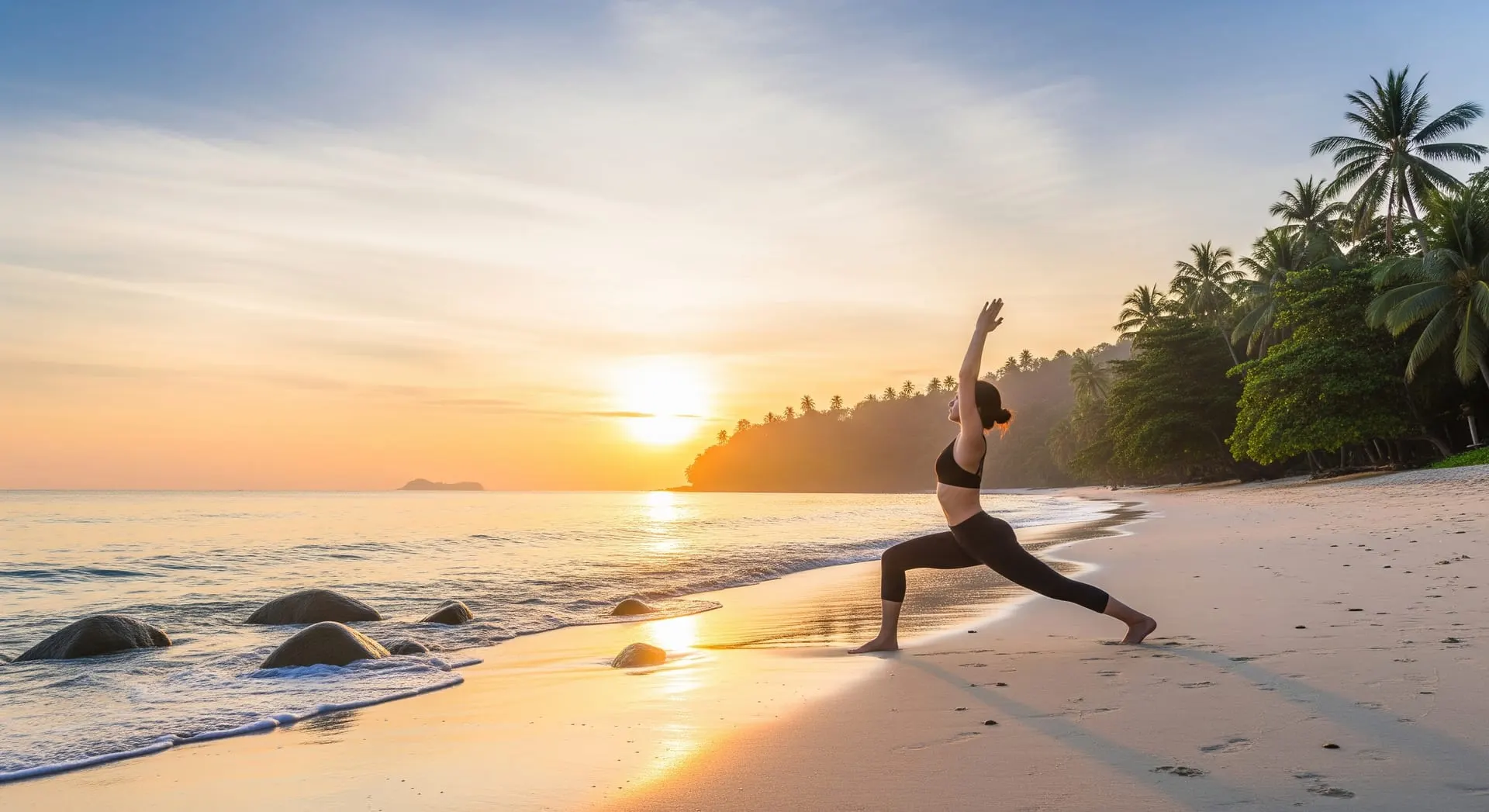
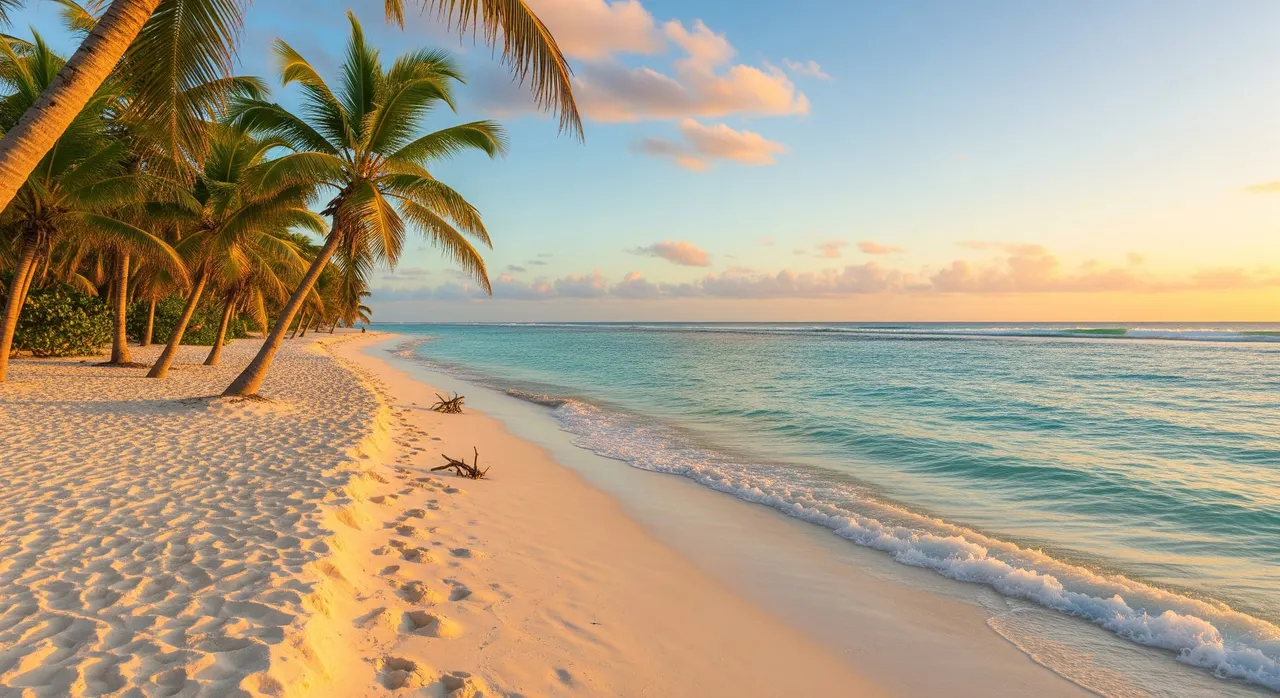
Daily life in Thailand — where Bolivian citizens settle on the DTV
Life in Thailand — your home base on the 5-year DTV
Section 04

Where Bolivian Expats and Nomads Settle in Thailand

  • Chiang Mai: The northern favourite for digital nomads, with low costs, cool cafés, fast internet and mountain scenery, and a dry-season climate that feels familiar to anyone used to the valleys around Cochabamba.
  • Bangkok: The energetic capital, with the best flight connections home, international hospitals, and lively expat neighbourhoods like Sukhumvit, Ari and Thonglor.
  • Phuket: Tropical island life with beaches, marinas and a large, established international community, ideal if you want a coastal base.
  • Koh Samui and Pattaya: Beach lifestyles with solid infrastructure, coworking spots and easy access to the rest of the country.
Section 05

Money and Banking for Bolivian Citizens

Thailand is increasingly cashless, with QR payments accepted almost everywhere, but cash still rules at markets and street stalls. Coming from the boliviano (BOB), you will want a smart strategy for moving money. Digital remittance services such as Wise, Revolut or Remitly usually beat traditional bank transfers on both rate and speed, and they let you hold and convert funds before sending baht. Many newcomers live on international cards for the first few weeks while they get settled, then open a Thai account to avoid repeated foreign-card ATM fees.

Smart Money Moves

Open a Thai bank account once you are settled to dodge per-withdrawal ATM fees (about 220 THB for foreign cards). Use Wise or Revolut for transfers from Bolivia rather than wiring through a local bank. Carry a couple of hundred US dollars on arrival, they are easy to exchange in Bangkok at competitive rates, and keep a Bolivian card as a backup. Withdraw larger sums less frequently to minimise fees.

Section 06

Documents and Translation Requirements

Because Bolivia's official languages are Spanish (alongside dozens of recognised Indigenous languages such as Quechua and Aymara), your supporting paperwork will be in Spanish. Thai authorities expect DTV documents in English or Thai, so bank statements, proof of funds, employment letters and any civil documents like marriage or birth certificates will likely need a certified English translation . Using a reputable translator who provides certified, properly stamped translations keeps your file clean and consistent. Our team will tell you exactly which documents need translating and which can be submitted as they are, so nothing slows you down.

Section 07

Daily Life and Community in Thailand

Daily life in Thailand is comfortable and well-connected. Private hospitals in Bangkok, Chiang Mai and Phuket are modern, affordable by Western standards and staffed with English-speaking doctors, while home and mobile internet rank among the fastest in Asia, making remote work seamless. The food culture is endless, from 50-baht noodle bowls to fine dining, and the country is consistently rated among the safest in the region for foreigners. The Bolivian community is still small, but you will find a warm Latin American network across Bangkok and Chiang Mai through Spanish-speaking expat groups, salsa and bachata nights, football meet-ups and online communities, more than enough to keep you connected to home while you build a new life under the tropical sun.

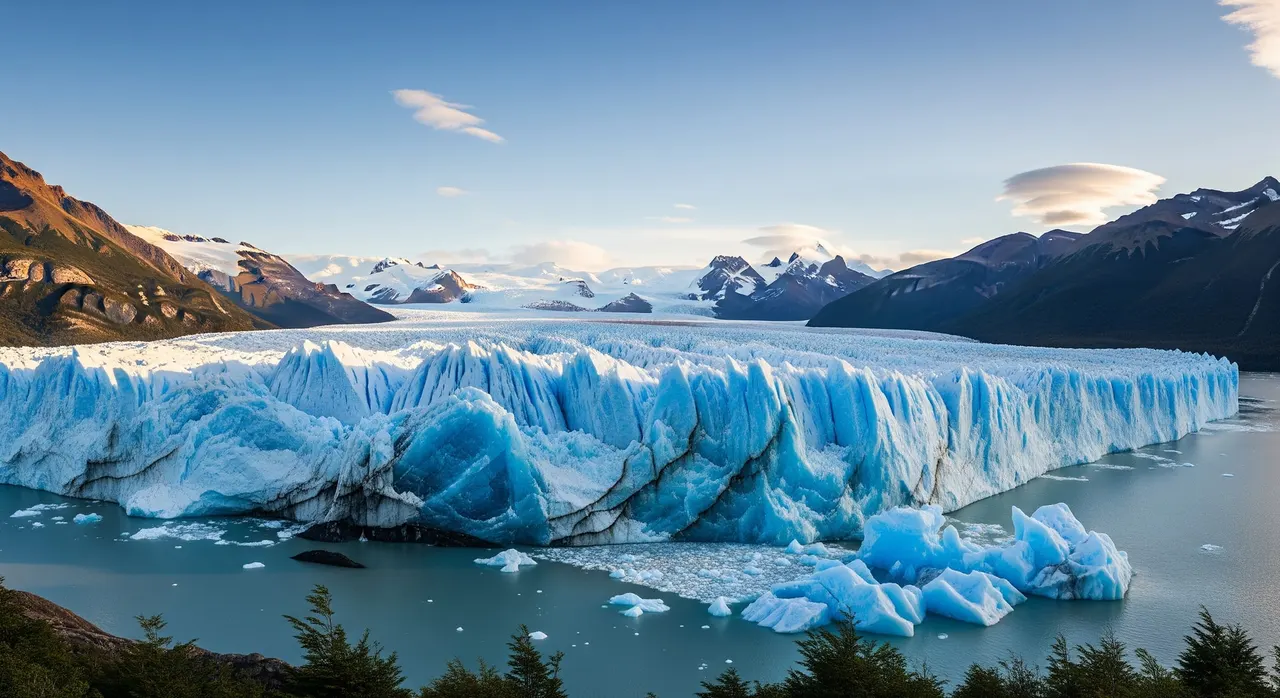
Bolivia — your starting point before relocating to ThailandBolivia
From Bolivia to Thailand

Make the move from Bolivia

Trade Bolivia for up to five years in Thailand on the DTV. We prepare and submit your entire application from wherever you are — proof of funds, category evidence and passport — so you can focus on the move, not the paperwork.

Check eligibility
Step by step

How Bolivian citizens apply for the DTV

1

Check you qualify

Almost every nationality can apply. Take our free 60-second eligibility checker to confirm your route — remote work, soft power, medical or family.

2

We prepare everything

We assemble and review your documents: proof of 500,000 THB (~$15,000), your category evidence and passport — so nothing gets rejected.

3

We submit for you

You apply from outside Thailand. We file at a Thai embassy or consulate (such as Hanoi, Ho Chi Minh, Jakarta, Vientiane or London) within one business day.

4

Get approved & move

On approval you get the 5-year, multiple-entry DTV — up to 180 days per stay, extendable once. Then make Thailand home.

Questions

DTV FAQ for Bolivian citizens

What is the Destination Thailand Visa (DTV)?

The DTV is a 5-year multiple-entry visa for Thailand. It allows a stay of up to 180 days per entry, extendable once for a further 180 days, and is designed for remote workers, freelancers and long-stay visitors.

How much proof of funds do I need as a Bolivian applicant?

You need to show proof of 500,000 THB (approximately $15,000) in personal funds as part of the application. The requirement is the same regardless of nationality.

Can I apply for the DTV from Bolivia?

You must apply from outside Thailand, which includes from Bolivia. Our team prepares and submits the entire application on your behalf, so you do not have to navigate the process alone. Service starts from $139.

How long is the flight from Bolivia to Thailand?

There are no direct flights. Journeys from Santa Cruz (VVI) or La Paz (LPB) to Bangkok (BKK) typically take 32 to 38 hours with two or three connections, usually via a South American hub such as São Paulo, Lima or Bogotá, then a Middle Eastern or European hub like Doha, Dubai, Istanbul or Madrid.

How do I handle the time difference with Bolivia while working remotely?

Thailand (UTC+7) is 11 hours ahead of Bolivia (UTC-4). Many remote workers explore in the morning and work in the late afternoon and evening to overlap with Bolivian business hours, or shift to clients in Asia, Europe or the Middle East whose hours align more naturally.

Are there many Bolivians living in Thailand?

The Bolivian community is still small but growing. You will find a broader Latin American and Spanish-speaking expat network in hubs like Bangkok and Chiang Mai, with social meet-ups, dance nights and active online groups.

Is Thailand more expensive than Bolivia?

Not really. Everyday costs like street food, transport and many condos are comparable or cheaper, while you gain newer buildings, better infrastructure and excellent private healthcare. Most expats feel their quality of life rises for similar or lower spending.

Will my Bolivian documents need to be translated?

Most likely yes. Because Bolivia's official language is Spanish, bank statements and other supporting documents will usually need a certified English translation, since Thai authorities expect documents in English or Thai. We will advise you on exactly what needs translating.

Can I work for my Bolivian employer or clients while on the DTV?

Yes. The DTV is built for remote workers and digital nomads, so you can continue working for an employer or clients based in Bolivia, or anywhere else in the world, while living in Thailand.

What happens if my DTV application is denied?

With the optional Denial Protection add-on, you receive a 100% refund if your application is denied. It is added at checkout for extra peace of mind.

Ready to move to Thailand from Bolivia?

Check your eligibility in under a minute, or let our team prepare and submit everything — with a 100% refund if your application is denied (with the optional paid Denial Protection add-on).