Skip to content
Asia

DTV Visa for Bhutanese Citizens
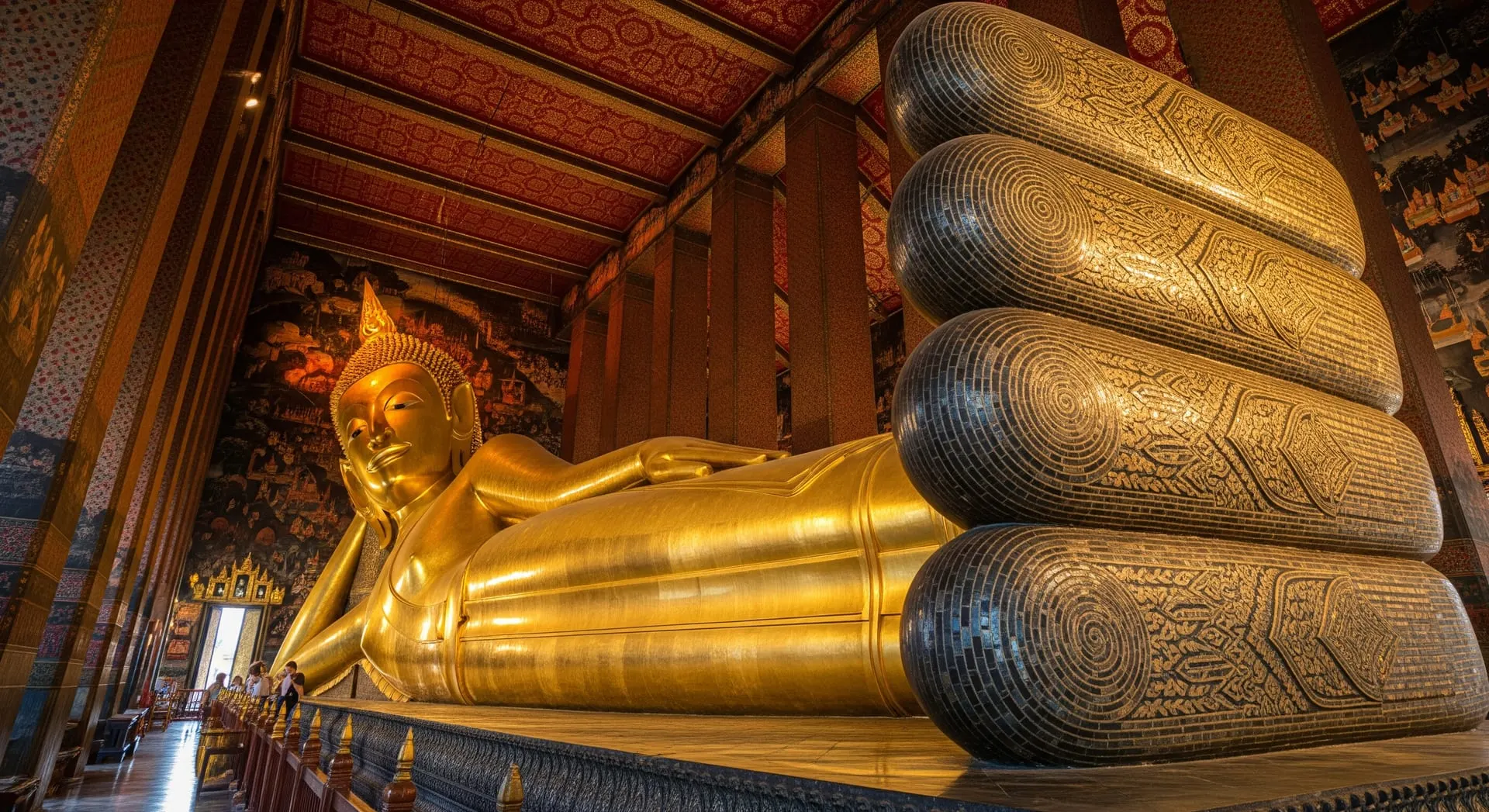
For Bhutanese professionals, entrepreneurs, and families looking for a change of scene, Thailand has become an irresistible draw. With the 5-year Destination Thailand Visa (DTV), you can trade the high-altitude chill of the Himalayas for a tropical climate, world-famous food, and a modern digital-nomad infrastructure that makes remote work effortless — all on a single long-stay visa that lets you come and go as you please.

Every Bhutanese citizen is eligible to apply

5

Years validity

180

Days per entry

500k

THB proof of funds

$139

Service fee from

100%

Refund if denied*

Why Bhutanese citizens choose Thailand

Living in Thailand from Bhutan

Section 01

Why Bhutanese Citizens Are Moving to Thailand

Bhutan's majestic landscapes and Gross National Happiness philosophy are unique, but a growing number of Bhutanese are looking beyond the mountains for a new pace of life. Thailand offers a warm, tropical climate that contrasts sharply with the cool, altitude-driven weather of Thimphu and Paro. In cities like Bangkok and Chiang Mai, the cost of living stretches your ngultrum further, while the sheer variety of food, entertainment, and international schools appeals to singles and families alike.

For digital nomads and remote workers, Thailand's widespread 5G coverage, countless co-working spaces, and round-the-clock lifestyle create a productivity haven that simply doesn't exist yet back home. Add a major healthcare upgrade and easy onward travel across ASEAN, and the move becomes a compelling one.

The DTV in Brief

The Destination Thailand Visa is a 5-year, multiple-entry visa. Each entry lets you stay up to 180 days, extendable once for another 180 days. You'll need to show proof of 500,000 THB (~$15,000) in personal funds. You apply from outside Thailand, and our team prepares and submits the entire application for you — service starts from $139, with a 100% refund if you're denied (with the optional Denial Protection add-on).

Section 02

Cost of Living: Bhutan vs Thailand

The financial difference is striking. While Bhutan's cost of living has climbed alongside imported goods and limited competition, Thailand delivers big-city comfort at a fraction of the price. Here's how a typical month stacks up for a single person:

  • A modern one-bedroom apartment in central Bangkok runs around 18,000-25,000 THB per month (roughly 30,000-42,000 BTN), while a comparable place in Thimphu can easily reach 30,000+ BTN with fewer amenities.
  • A street-food meal in Thailand costs just 50-80 THB (about 85-135 BTN), whereas a simple restaurant meal in Bhutan's urban centres often exceeds 300 BTN.
  • Co-working spaces with high-speed internet are everywhere in Chiang Mai for about 2,000-4,000 THB per month — a category that barely exists in Bhutan.
  • The Bangkok BTS Skytrain costs 17-62 THB per ride (around 30-105 BTN), far cheaper and faster than the taxi-dominated travel back home.
  • A typical ATM withdrawal carries a 220 THB fee for foreign cards, so larger, less frequent withdrawals — or a Thai bank account — save money over time.

Maximise Your Ngultrum

Shop at local Thai fresh markets (talat) for produce that tastes fresher and costs far less than imported goods back in Bhutan. You'll eat extremely well without straining your budget.

Section 03

Getting to Thailand from Bhutan

All international flights from Bhutan depart from Paro International Airport (PBH), one of the world's most scenic — and most challenging — airports, served mainly by Drukair and Bhutan Airlines. There are no non-stop flights to Bangkok, so the journey runs through one stopover, typically Kolkata, Delhi, Kathmandu, Dhaka, or Singapore. Allowing for the connection, total travel time usually lands somewhere around 8-12 hours door to door, with the flying portion to Bangkok's Suvarnabhumi Airport (BKK) often as short as 4-5 hours. Once you're settled, hopping back to Paro for festivals or family is very manageable.

Time Zone Advantage

Bhutan (BTT, UTC+6) is just one hour behind Thailand (ICT, UTC+7). That near-perfect overlap means you can wrap up morning calls with home before the Thai lunch rush, then enjoy the rest of your day. For remote workers, the time gap is barely noticeable.

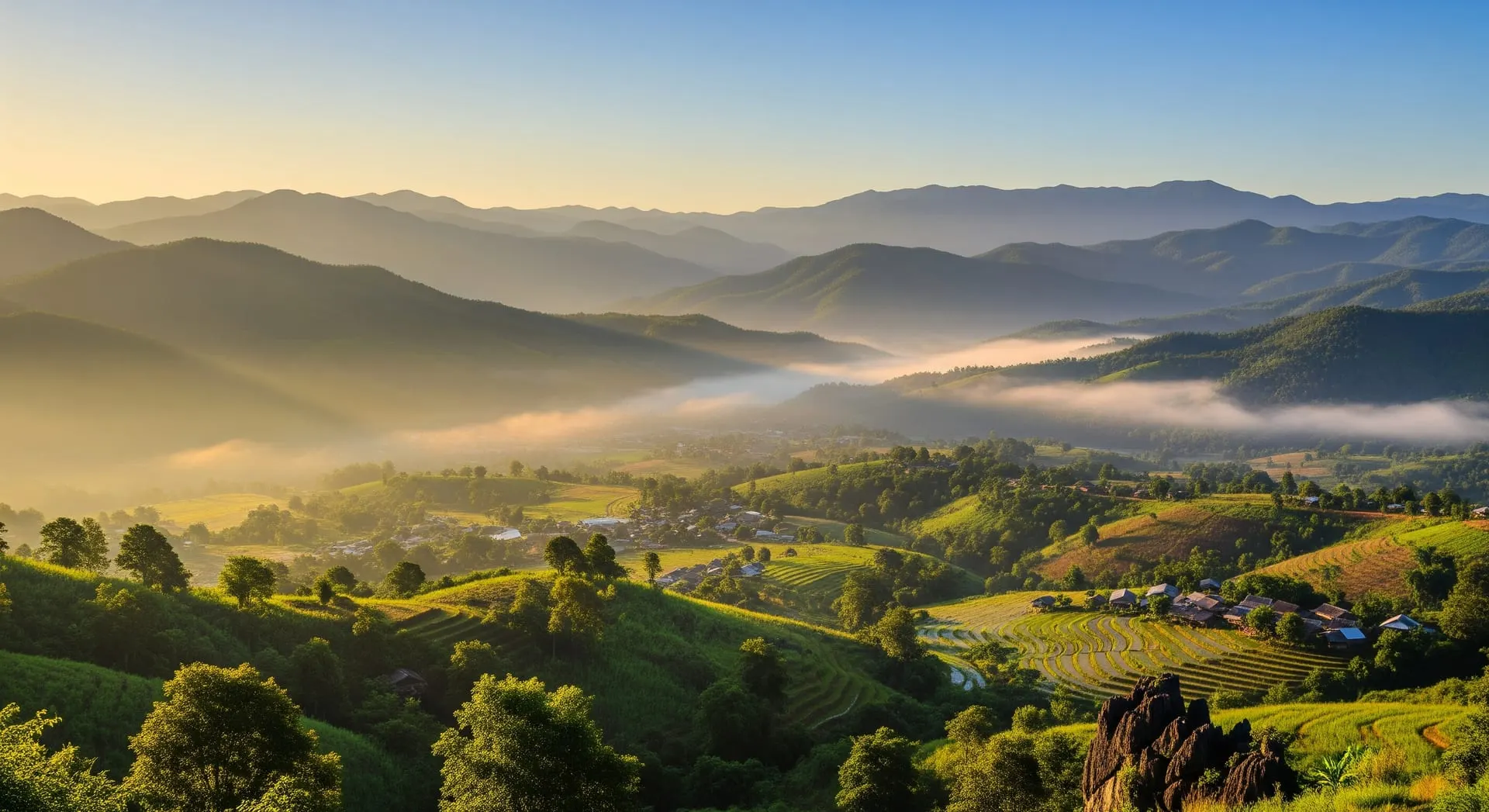
Daily life in Thailand — where Bhutanese citizens settle on the DTV
Life in Thailand — your home base on the 5-year DTV
Section 04

Where Bhutanese Expats & Nomads Settle in Thailand

Bangkok is the obvious first choice — a cosmopolitan capital with endless opportunities, the country's best hospitals, and direct international connections. The Sukhumvit corridor is especially popular for its international vibe and BTS access. Chiang Mai draws those craving a slower rhythm, cooler air, lush mountains, and a lower cost of living; its strong Buddhist culture feels familiar to many Bhutanese, and it remains one of Asia's leading digital-nomad hubs.

For beach lovers, Phuket and the southern islands (Koh Samui, Koh Phangan) offer tropical paradise with growing remote-work scenes. Many families choose Pattaya for its international schools and quieter coastal lifestyle just under two hours from Bangkok.

Section 05

Money & Banking from Bhutan

The Bhutanese ngultrum (BTN) is pegged at par to the Indian rupee, and direct BTN-to-THB conversion is rarely offered, so most Bhutanese moving abroad transfer funds in USD. International services like Wise or your bank's SWIFT network make this straightforward. To meet the DTV's proof-of-funds requirement, you'll want clear bank statements showing the equivalent of 500,000 THB (~$15,000) in your name.

Once in Thailand, opening a local bank account on a long-term visa simplifies daily life enormously. ATMs are everywhere, and cashless payment via QR codes (PromptPay, TrueMoney) dominates even street stalls — a big shift from Bhutan's more cash-heavy economy. Keep your Bhutanese banking app for occasional transfers home, but you'll quickly embrace Thailand's fintech ecosystem.

Exchange Smartly

Avoid changing cash at Thai airport counters, where rates are poor. Instead, transfer USD to your Thai bank digitally, or use trusted city-centre exchange booths like SuperRich for rates that beat the airport by a wide margin.

Section 06

Documents & Translation for Your Application

Bhutan's official language is Dzongkha, so your bank statements and supporting documents will likely need a certified English (or Thai) translation before they're submitted with your DTV application. In practice, many Bhutanese banks and institutions already issue statements in English, which helps — but anything in Dzongkha should be translated by a recognised, certified service to avoid delays. The good news: because you apply from outside Thailand and our team prepares and submits the full application, we tell you exactly which documents need translating and review everything before it goes in.

Get Translations Right the First Time

Request certified English translations of any Dzongkha-language financial documents early, and keep both the original and the translation together. Consistent names and dates across every document make the proof-of-funds review smooth and stress-free.

Section 07

Daily Life & Community: What to Expect

Thailand's healthcare is a major step up: internationally accredited hospitals like Bumrungrad in Bangkok and Chiang Mai's leading private hospitals offer world-class treatment at a fraction of Western costs, with English-speaking staff. For everyday connectivity , fibre internet is fast and cheap (plans of 500 Mbps and up are standard), and mobile data is inexpensive — so you'll rarely worry about a dropped video call.

  • Food: Thai cuisine needs no introduction, and as a Bhutanese you'll feel right at home with the chilli heat of dishes like som tam and pad kaprao. Bangkok's expat supermarkets stock Indian and Himalayan ingredients, so cooking ema datshi is never far away.
  • Safety: Thailand is generally very safe, with low violent crime and a culture that respects personal space. Even late-night market strolls feel relaxed.
  • Community: The Bhutanese diaspora in Thailand is small but warm, connected through cultural events, Losar gatherings, and active expat social groups. The wider South Asian and Buddhist communities make it easy to find familiar faces and festivals.
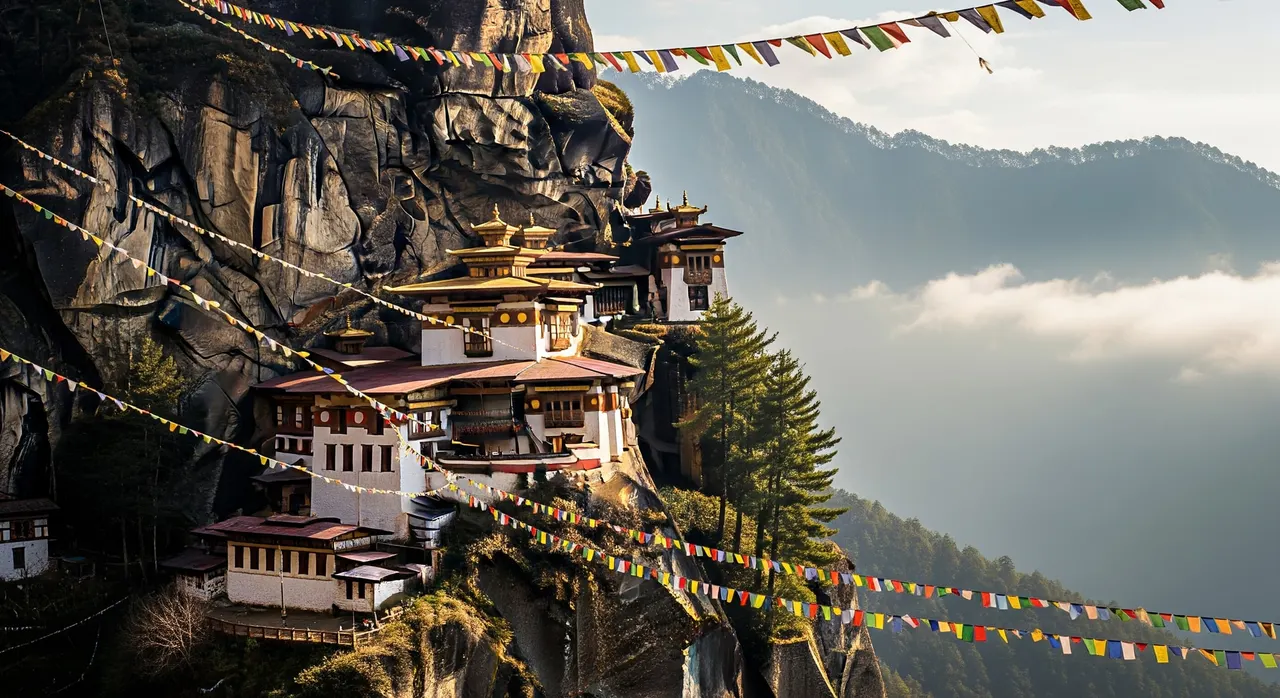
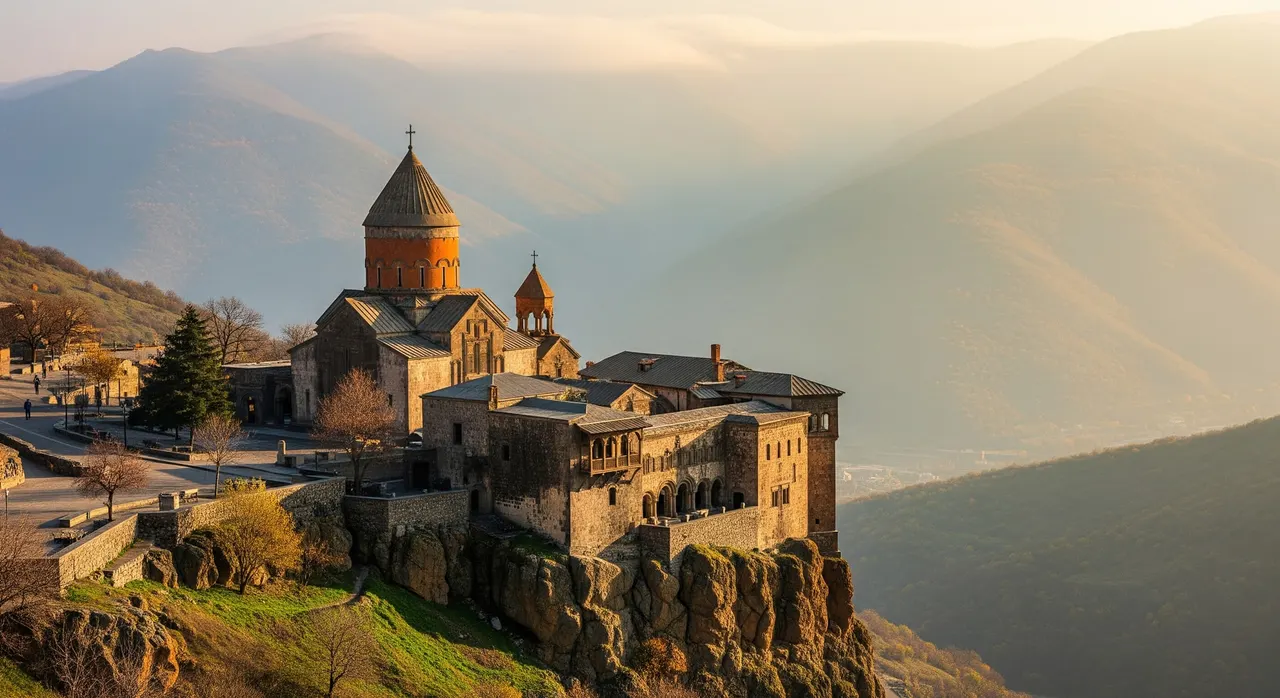
Bhutan — your starting point before relocating to ThailandBhutan
From Bhutan to Thailand

Make the move from Bhutan

Trade Bhutan for up to five years in Thailand on the DTV. We prepare and submit your entire application from wherever you are — proof of funds, category evidence and passport — so you can focus on the move, not the paperwork.

Check eligibility
Step by step

How Bhutanese citizens apply for the DTV

1

Check you qualify

Almost every nationality can apply. Take our free 60-second eligibility checker to confirm your route — remote work, soft power, medical or family.

2

We prepare everything

We assemble and review your documents: proof of 500,000 THB (~$15,000), your category evidence and passport — so nothing gets rejected.

3

We submit for you

You apply from outside Thailand. We file at a Thai embassy or consulate (such as Hanoi, Ho Chi Minh, Jakarta, Vientiane or London) within one business day.

4

Get approved & move

On approval you get the 5-year, multiple-entry DTV — up to 180 days per stay, extendable once. Then make Thailand home.

Questions

DTV FAQ for Bhutanese citizens

How long is the Destination Thailand Visa valid for Bhutanese citizens?

The DTV is a 5-year multiple-entry visa. You can enter and leave Thailand as often as you like throughout that period.

How long can I stay each time I enter Thailand with the DTV?

Each entry allows a stay of up to 180 days, which can be extended once for an additional 180 days at a local immigration office. After that you can exit and re-enter for a fresh stay period.

Do I have to apply from inside Thailand?

No — you apply for the DTV from outside Thailand. Our team prepares and submits the entire application on your behalf, so you don't need to be in the country to get started. Service starts from $139.

Do I need to show proof of funds to apply for the DTV?

Yes. A key requirement is proof of 500,000 THB (~$15,000) in personal funds, such as a bank balance, to show you can support yourself during your stay in Thailand.

Can I work for a Bhutanese employer remotely while on the DTV?

Yes. The DTV is designed for remote workers, freelancers, and digital nomads. You can work for clients or companies based outside Thailand without breaching the visa terms.

What is the time difference between Bhutan and Thailand, and does it affect remote work?

Bhutan (BTT) is just 1 hour behind Thailand (ICT). The hours overlap almost perfectly, so you can collaborate with people back home without late-night calls.

How do I get from Bhutan to Thailand, and how long does the trip take?

Flights leave from Paro International Airport and connect through hubs such as Kolkata, Delhi, Kathmandu, Dhaka, or Singapore — there are no non-stop routes. Door-to-door travel is typically around 8-12 hours, arriving at Bangkok's Suvarnabhumi Airport.

Will my Bhutanese documents need to be translated for the DTV?

Bhutan's official language is Dzongkha, so any documents in Dzongkha will likely need a certified English or Thai translation. Many Bhutanese institutions issue statements in English, which helps. We review your documents and tell you exactly what needs translating.

Is Thailand more affordable than Bhutan for everyday living?

In most categories, yes. Rent, dining out, transport, and co-working spaces are generally cheaper in Thailand — especially outside central Bangkok — so many Bhutanese find their ngultrum stretches further.

What happens if my DTV application is denied?

With the optional Denial Protection add-on, you receive a 100% refund of our service fee if your application is refused. It's the simplest way to apply with complete peace of mind.

Can I open a bank account in Thailand as a Bhutanese citizen with a DTV?

Yes. Once you hold a long-term visa like the DTV and have a Thai address, most major banks will open a savings account for you. We can guide you through the paperwork.

Ready to move to Thailand from Bhutan?

Check your eligibility in under a minute, or let our team prepare and submit everything — with a 100% refund if your application is denied (with the optional paid Denial Protection add-on).