Skip to content
Europe

DTV Visa for Austrian Citizens

For Austrians dreaming of palm-fringed beaches, buzzing night markets and a far lower cost of living, Thailand has become an irresistible alternative to long Alpine winters. The Destination Thailand Visa (DTV) finally makes a long stay practical: a 5-year, multiple-entry visa built for remote workers, freelancers and lifestyle migrants. If you are ready to trade the Danube for the Chao Phraya, this guide covers everything an Austrian needs to know about relocating from Vienna, Graz or Innsbruck to the Land of Smiles.

Every Austrian citizen is eligible to apply

5

Years validity

180

Days per entry

500k

THB proof of funds

$139

Service fee from

100%

Refund if denied*

Why Austrian citizens choose Thailand

Living in Thailand from Austria

Section 01

Why Austrian Citizens Are Moving to Thailand

Austria offers a famously high quality of life, but it comes at a famously high price, and the winters are long, grey and expensive to heat. Thailand flips that equation. The cost of living is dramatically lower , the climate is tropical year-round, and the remote-work culture is mature, with coworking cafes in Bangkok and Chiang Mai catering to exactly the kind of location-independent professional the DTV is designed for. Add world-renowned food, a relaxed pace and genuinely warm hospitality, and it is easy to see why so many Austrians are spending their winters, or their whole year, in Thailand.

The DTV at a Glance

The Destination Thailand Visa is a 5-year, multiple-entry visa allowing stays of up to 180 days per entry, extendable once inside Thailand for a further 180 days. You apply from outside Thailand, show proof of 500,000 THB (~$15,000) in personal funds, and our team prepares and submits the whole application. Service starts from $139, with an optional Denial Protection add-on that delivers a 100% refund if your application is denied.

Section 02

Cost of Living: Austria vs Thailand

Both countries use different currencies, Austria the euro and Thailand the baht, and your euros stretch dramatically further once converted. In central Vienna, a comfortable one-bedroom apartment easily runs €900–1,300 per month ; an equivalent condo in central Bangkok, often with a pool and gym, sits closer to €450–650 , and Chiang Mai is cheaper still. Eating out becomes a daily pleasure rather than a luxury: a tasty meal at a local Thai restaurant costs €2–3 , against €14–18 for a comparable sit-down dish in Graz or Salzburg. Groceries, transport, gym memberships and entertainment all follow the same pattern.

  • Rent (1-bed, central): Vienna €900–1,300 vs Bangkok €450–650
  • Dinner for two, mid-range: Vienna €55–75 vs Chiang Mai €15–25
  • Local restaurant meal: Salzburg €14–18 vs Thailand €2–3
  • Coworking desk: Vienna €200–300/month vs Bangkok €100–150/month
  • Monthly transport pass: Innsbruck ~€50 vs Bangkok ~€20
  • Domestic beer in a bar: Austria €4–5 vs Thailand €1.50–2.50

Budgeting Tip

If you keep an Austrian-level income through remote work, you can realistically cut your monthly outgoings by 40–60% in Thailand while upgrading your lifestyle, swapping a small Vienna flat for a serviced condo with a rooftop pool.

Section 03

Getting to Thailand from Austria

There are no non-stop flights between Austria and Thailand, so you will connect through a major hub. From Vienna International Airport (VIE), the most efficient routes are via the Gulf carriers, Doha, Dubai or Abu Dhabi, or via Istanbul with Turkish Airlines. Door-to-door, allow roughly 12–14 hours depending on the layover. Many Austrians instead position via a low-cost hop to Munich, Frankfurt, Zurich or Helsinki to pick up better fares or a direct long-haul leg. You will usually land at Bangkok Suvarnabhumi (BKK), which connects onward to Chiang Mai, Phuket and the islands in around an hour by air.

Thailand runs on Indochina Time (UTC+7), which puts it 5 hours ahead of Austria in summer and 6 hours ahead in winter . For remote workers this is an advantage rather than a hurdle: you get unhurried mornings to yourself and a late-afternoon start that still overlaps comfortably with Austrian and wider European business hours.

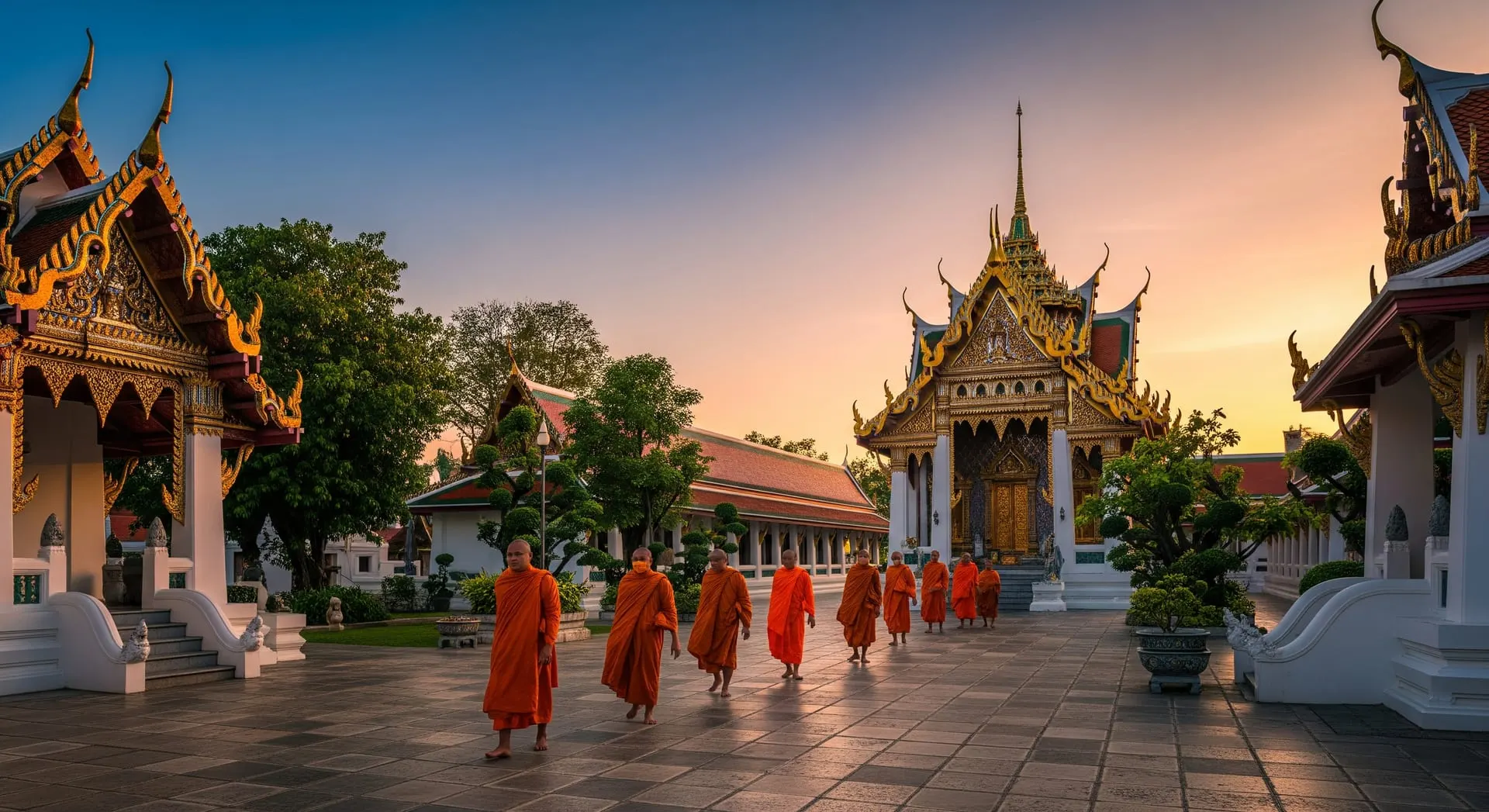
Daily life in Thailand — where Austrian citizens settle on the DTV
Life in Thailand — your home base on the 5-year DTV
Section 04

Where Austrians Settle in Thailand

Austrian expats and digital nomads tend to cluster in a handful of places. Bangkok suits city lovers and professionals, with endless dining, nightlife, international schools and the country's best coworking. Chiang Mai in the north is the classic nomad base, cooler, cheaper, calmer and home to a tight-knit international community. Beach people gravitate to Phuket for amenities and connectivity, Koh Samui for island living, or Krabi and Hua Hin , the latter a short trip from Bangkok and long popular with European retirees.

Did You Know?

Chiang Mai is regularly ranked among the world's best cities for digital nomads thanks to its low cost of living, fast fibre internet and dense network of affordable coworking spaces and cafes, many run by long-term European residents.

Section 05

Money & Banking from Austria

Managing money across borders is simpler than most Austrians expect. Many keep their euro account at home, an Erste, Bank Austria or Raiffeisen, and move funds to Thailand with low-cost transfer services such as Wise when the EUR/THB rate is favourable. Thai ATMs are everywhere, but local banks charge around 220 THB per withdrawal for foreign cards, so it pays to withdraw larger amounts less often or open a local account for a longer stay.

Opening a Thai bank account typically requires a long-term visa plus a certificate of residence, and the DTV often satisfies that requirement. A local account is handy because cash is still king in much of Thailand, though the PromptPay QR system has become near-universal for everyday payments.

Section 06

Documents & Translation for Your Application

Austria's official language is German, so any supporting paperwork you submit, bank statements, employment or freelance contracts, proof of remote income, will likely need a certified English (or Thai) translation to be accepted. This is a routine step, not an obstacle: a sworn translator (gerichtlich beeideter Übersetzer) can handle it quickly. The good news is that our team tells you exactly which documents are required and how they should be presented, so you only translate what you actually need. We prepare and submit the full application on your behalf while you remain outside Thailand.

Paperwork Tip

Keep recent Austrian bank statements showing access to at least 500,000 THB (~$15,000), and order any certified translations early. Having clean, well-organised documents up front is the single biggest factor in a smooth application.

Section 07

Daily Life & Community

Healthcare is a pleasant surprise. Private hospitals such as Bumrungrad and Samitivej in Bangkok offer world-class care at a fraction of Austrian prices, and good international insurance goes a long way. Internet is fast and cheap, with affordable fibre and strong mobile coverage across the cities. The food scene needs no introduction, from 50-baht street pad Thai to fine dining, you will never run out of options, and Thailand remains one of the safest countries in Southeast Asia for foreigners.

The Austrian community is smaller than the German or British one, but it is active and welcoming. You will find informal Stammtisch meetups and German-language groups in Bangkok, Chiang Mai and Pattaya, plus plenty of Austrian and German-run cafes, bakeries and restaurants if you ever miss a proper Wiener schnitzel or a decent coffee.

  • Affordable top-tier healthcare at private hospitals like Bumrungrad
  • Fast, cheap fibre and 5G mobile internet in the cities
  • Endless food variety for every budget
  • Low crime against foreigners and a relaxed daily pace
  • Active German-speaking expat groups, Stammtische and meetups

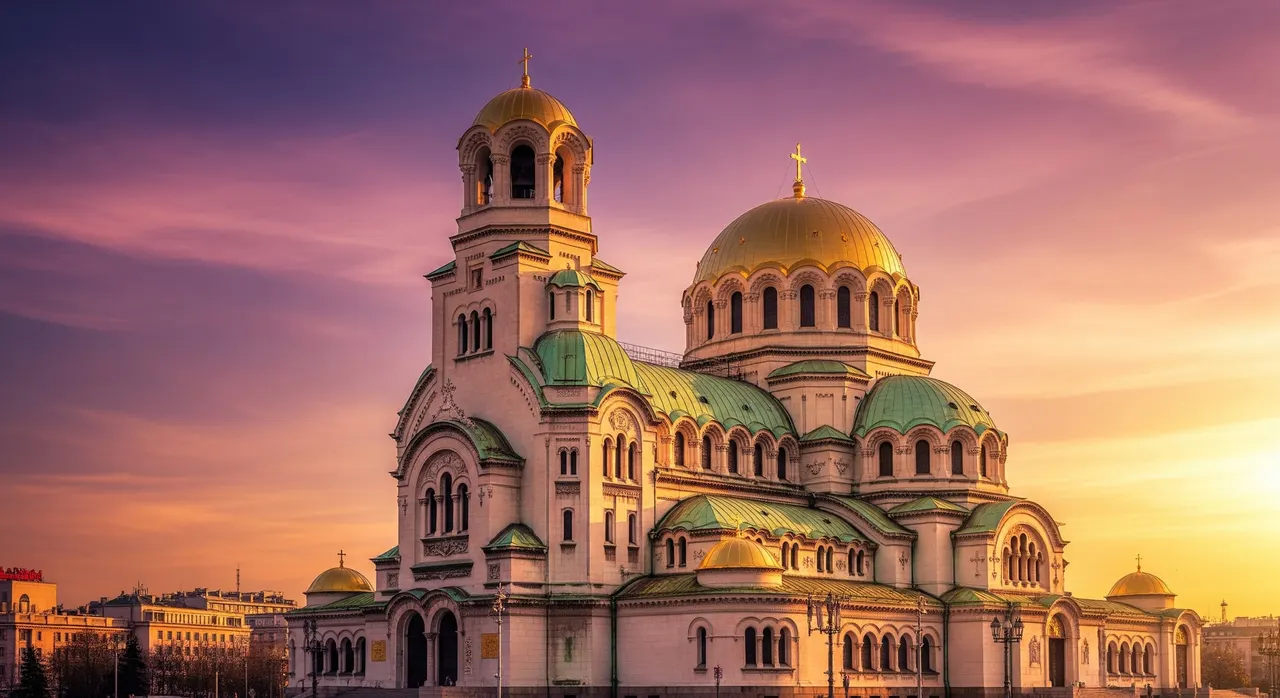
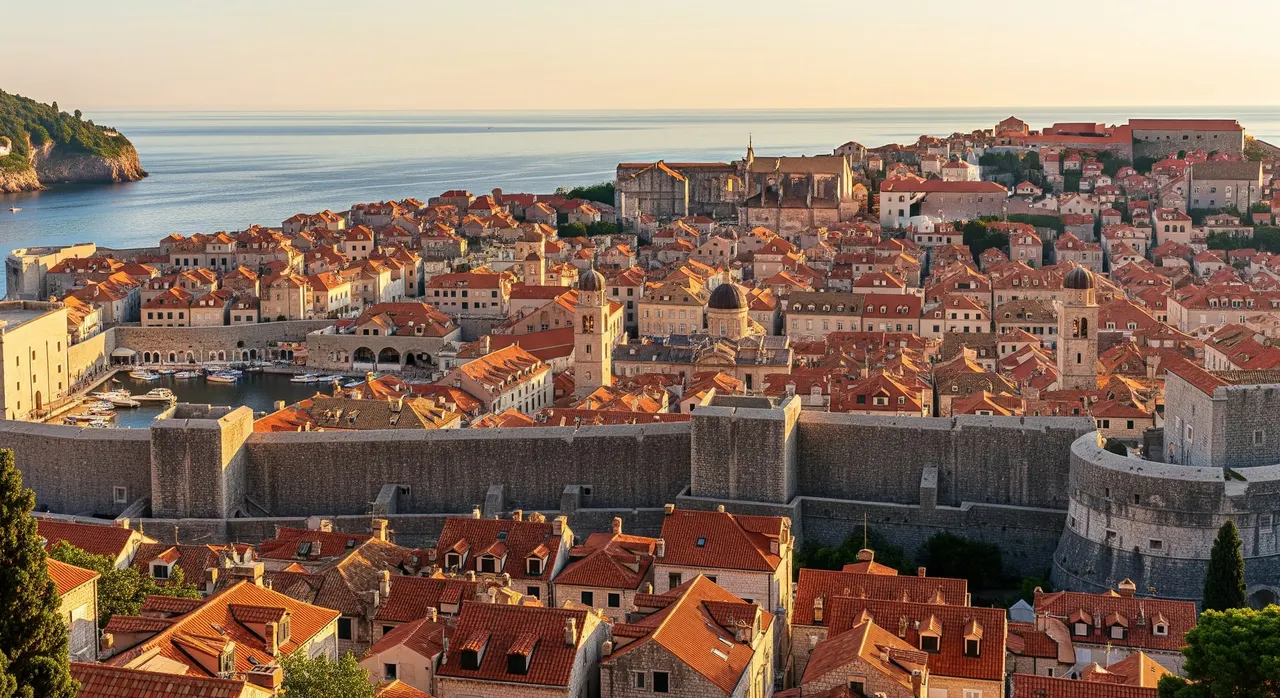
Austria — your starting point before relocating to ThailandAustria
From Austria to Thailand

Make the move from Austria

Trade Austria for up to five years in Thailand on the DTV. We prepare and submit your entire application from wherever you are — proof of funds, category evidence and passport — so you can focus on the move, not the paperwork.

Check eligibility
Step by step

How Austrian citizens apply for the DTV

1

Check you qualify

Almost every nationality can apply. Take our free 60-second eligibility checker to confirm your route — remote work, soft power, medical or family.

2

We prepare everything

We assemble and review your documents: proof of 500,000 THB (~$15,000), your category evidence and passport — so nothing gets rejected.

3

We submit for you

You apply from outside Thailand. We file at a Thai embassy or consulate (such as Hanoi, Ho Chi Minh, Jakarta, Vientiane or London) within one business day.

4

Get approved & move

On approval you get the 5-year, multiple-entry DTV — up to 180 days per stay, extendable once. Then make Thailand home.

Questions

DTV FAQ for Austrian citizens

How long can I stay in Thailand with the DTV?

The DTV lets you stay up to 180 days per entry , extendable once inside Thailand for a further 180 days. Because it is a 5-year multiple-entry visa, you can leave and re-enter to start a fresh 180-day period, repeating the cycle throughout the visa's validity.

Do I have to apply from outside Thailand?

Yes. The application must be submitted while you are outside Thailand, for example from Austria or anywhere else abroad. Our team prepares and submits the entire application for you, so the process stays simple.

How much money do I need to show as proof of funds?

You need to demonstrate access to 500,000 THB (~$15,000) in personal funds, typically shown through recent bank statements or other liquid assets in your name.

How much does the DTV service cost?

Our service starts from $139 . You can also add the optional Denial Protection , which entitles you to a 100% refund if your application is denied after our full preparation.

What if my application is refused?

With the optional Denial Protection add-on , a denied application means a 100% refund of the service fee. It is the simplest way to apply with complete peace of mind.

Are there direct flights from Austria to Thailand?

No, there are currently no non-stop flights from Vienna or elsewhere in Austria to Thailand. Most Austrians connect through a Gulf hub such as Doha, Dubai or Abu Dhabi, or via Istanbul, with total travel time around 12–14 hours .

How does the time difference affect working with Austrian clients?

Thailand is 5–6 hours ahead of Austria depending on daylight saving time. In practice you get free mornings and begin work in the early afternoon, which still overlaps comfortably with Austrian and European business hours.

Will my German-language documents need translating?

Most likely, yes. Because Austria's official language is German, supporting documents such as bank statements and contracts usually need a certified English or Thai translation . A sworn translator can prepare these, and we tell you exactly which documents are required.

Where do most Austrians choose to live in Thailand?

Bangkok is popular with professionals, Chiang Mai with digital nomads, and Phuket, Koh Samui, Krabi and Hua Hin with those wanting beach life. German-speaking communities are well established in all of these spots.

Can I open a Thai bank account with the DTV?

Usually, yes. As a long-term visa, the DTV often meets the requirements for opening a Thai bank account (alongside a certificate of residence), which makes managing daily expenses easier and helps you avoid the ~220 THB foreign-card ATM fee.

Where you apply

The Thai mission for Austria

You submit the DTV online via the Thai e-Visa portal — but the office below covers applicants in Austria and may review your file.

Ready to move to Thailand from Austria?

Check your eligibility in under a minute, or let our team prepare and submit everything — with a 100% refund if your application is denied (with the optional paid Denial Protection add-on).