Skip to content
Oceania

DTV Visa for Australian Citizens
For Australians, a tropical lifestyle without a tropical price tag has never been more attainable. Thailand's vibrant culture, world-class food, and stunning beaches sit just a short flight from the east coast, offering a complete change of pace from the cost pressures of Sydney, Melbourne, or Brisbane. Whether you're a digital nomad, a remote worker, or simply chasing an extended adventure, the Destination Thailand Visa (DTV) opens the door to a five-year, multiple-entry base in Thailand, with stays of up to 180 days per entry that can be extended once.

Every Australian citizen is eligible to apply

5

Years validity

180

Days per entry

500k

THB proof of funds

$139

Service fee from

100%

Refund if denied*

Why Australian citizens choose Thailand

Living in Thailand from Australia

Section 01

Why Australians Are Moving to Thailand

Australians are no strangers to long-haul travel, but Thailand holds a special pull. Warm weather year-round, a far lower cost of living, and a famously welcoming culture make it an easy choice for escaping the southern winter or simply shaking up a routine. Many find the pace of life healthier and more relaxed, with abundant outdoor activities, fresh markets, and a strong sense of community. The modest time difference is a practical bonus for remote workers with Australian clients, allowing a clean morning crossover with home. And because the DTV lets you live in Thailand for up to five years, you can genuinely settle in and treat it as a second home rather than a long holiday.

The DTV at a Glance

The Destination Thailand Visa is a 5-year multiple-entry visa . Each entry allows a stay of up to 180 days , extendable once by a further 180 days . You'll show proof of 500,000 THB (~$15,000) in personal funds, and you apply from outside Thailand. Our service handles preparation and submission from $139 .

Section 02

Cost of Living: Australia vs Thailand

The cost of living in Thailand is dramatically lower than in Australia. In Sydney or Melbourne, a comfortable lifestyle easily runs AUD 3,500–5,000 a month. In Thailand, a similar standard costs roughly THB 35,000–60,000 (about AUD 1,500–2,600) per month. Here's how everyday expenses stack up:

  • Rent: A one-bedroom apartment in central Bangkok runs about THB 15,000–25,000 (AUD 650–1,100) , versus AUD 2,500+ for a comparable place in inner Sydney.
  • Meals: A delicious Thai street meal costs as little as THB 50–100 (AUD 2–4) ; a sit-down restaurant dinner averages THB 200–500 (AUD 9–22) .
  • Coworking: A hot desk at a quality space is around THB 2,000–4,000/month (AUD 90–180) ; in Melbourne, expect AUD 400–600 .
  • Transport: A one-way BTS Skytrain ride in Bangkok is THB 17–62 (AUD 0.75–2.75) ; a Myki daily cap in Melbourne is AUD 11 .
  • Fitness: Monthly gym memberships cost THB 1,000–2,000 (AUD 44–88) , often with a pool and sauna included.

Did You Know?

On the popular expat island of Koh Samui, you can rent a modern villa with a private pool for around THB 25,000/month (AUD 1,100) — something that would cost several times more along Australia's own coastline.

Section 03

Getting to Thailand from Australia

Australia's major cities connect to Bangkok with regular nonstop flights, so you can leave after a working week and be on a Thai beach the next morning. From Perth, nonstop services to Suvarnabhumi (BKK) take about 7 hours ; from Brisbane around 9 hours ; from Sydney roughly 9 hours 15 minutes ; and from Melbourne about 9 hours 30 minutes . Carriers including Thai Airways, Qantas, and Jetstar serve the route, and one-stop options via Singapore, Kuala Lumpur, or the Gulf add flexibility and lower fares. Thailand sits 3 hours behind AEST (4 hours during daylight saving), so the journey rarely leaves you badly jet-lagged.

Jet Lag Strategy

With only a small time difference, many Australians find an overnight flight that lands in Bangkok early morning lets them adjust almost immediately. Hydrate well, skip the in-flight alcohol, and get out into the tropical daylight on arrival to reset your body clock fast.

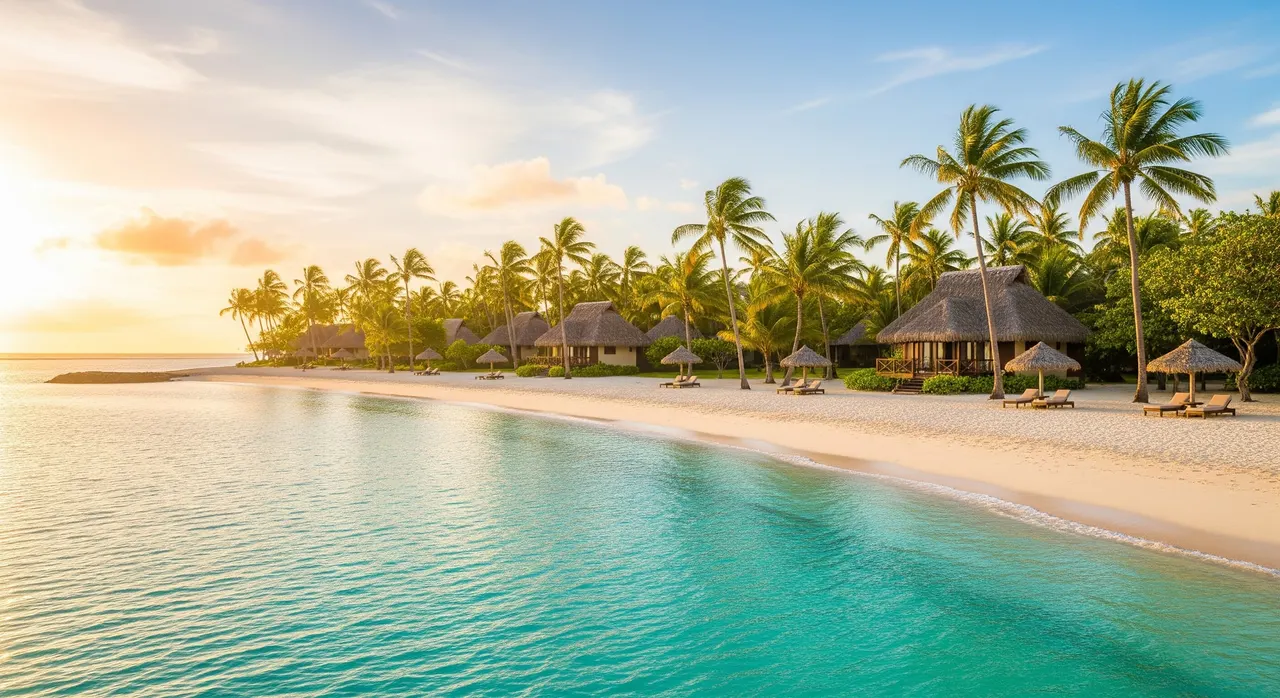
Daily life in Thailand — where Australian citizens settle on the DTV
Life in Thailand — your home base on the 5-year DTV
Section 04

Where Australians Settle in Thailand

The Australian community in Thailand is large and spread across several hubs, each with a distinct character. Matching the destination to your lifestyle makes all the difference:

  • Bangkok: The capital draws professionals and digital nomads. Sukhumvit and Sathorn are favourites for their cosmopolitan energy, expat networks, and endless dining and entertainment.
  • Chiang Mai: In the northern mountains, this is a haven for a slower pace, lower costs, and a thriving remote-work scene. The Old City and Nimmanhaemin areas are especially popular.
  • Phuket: For beach lovers and water-sports fans, Phuket pairs island living with modern amenities. Rawai and Chalong have well-established Australian communities.
  • Koh Samui & Koh Phangan: These Gulf islands suit anyone wanting a laid-back, tropical base with a strong wellness, yoga, and fitness culture.
Section 05

Money & Banking from Australia

Managing money across borders is straightforward. Most Australians run a mix of their home bank, a multi-currency digital account like Wise or Revolut , and a local Thai bank account once settled. ATMs are everywhere, but Thai machines add a THB 220 (about AUD 10) fee per foreign-card withdrawal, so it pays to take out larger amounts or use low-fee cards such as ING or Citibank. For rent and big purchases, a Thai bank account is worth opening; you'll typically need your passport, your visa, and a local address. Transfers from Australia via Wise generally land near the mid-market rate with low, transparent fees.

Smart Banking Tip

Before you leave Australia, tell your bank your travel plans and confirm internet and app banking work abroad. Keep an Australian SIM or eSIM active for two-factor authentication, and link a Wise card to your phone's digital wallet for instant, cheap everyday spending in Thailand.

Section 06

Documents & Translation

Good news for Australian applicants: because Australia's official documents are issued in English, your bank statements, employment letters, and similar paperwork are usually accepted as-is, without certified translation. That removes a step that applicants from non-English-speaking countries often face. Our team reviews your supporting documents, prepares the full application, and submits everything for you while you remain outside Thailand — you simply provide clear, current copies of what's requested.

  • A passport valid for the duration you intend to use the visa, with blank pages.
  • Proof of personal funds of 500,000 THB (~$15,000) — Australian bank statements are fine.
  • Evidence supporting your category, such as a remote-work contract, freelance client agreements, or proof of a qualifying activity.
  • A recent passport-style photo and your completed application details.
Section 07

Daily Life & Community

Thailand delivers a quality of life many Australians find refreshing. Healthcare is excellent and affordable, with international hospitals in Bangkok, Chiang Mai, and Phuket meeting Western standards at a fraction of home prices. Internet is fast and reliable — 5G and fibre are widely available — making remote work seamless. Food is a daily highlight, from fiery som tam to fresh tropical fruit, and Bangkok's coffee scene gives Melbourne a run for its money. Safety is another big draw, with low violent-crime rates in most expat areas. The Australian community is active and welcoming, with social groups, sporting clubs, and regular meetups, so you'll feel connected to home while immersing yourself in a fascinating new culture.

Aussie Community Snapshot

In Bangkok, the Australian-Thai Chamber of Commerce (AustCham) runs regular networking events, and Australian-rules football and cricket clubs make it easy to catch a game and meet fellow expats.

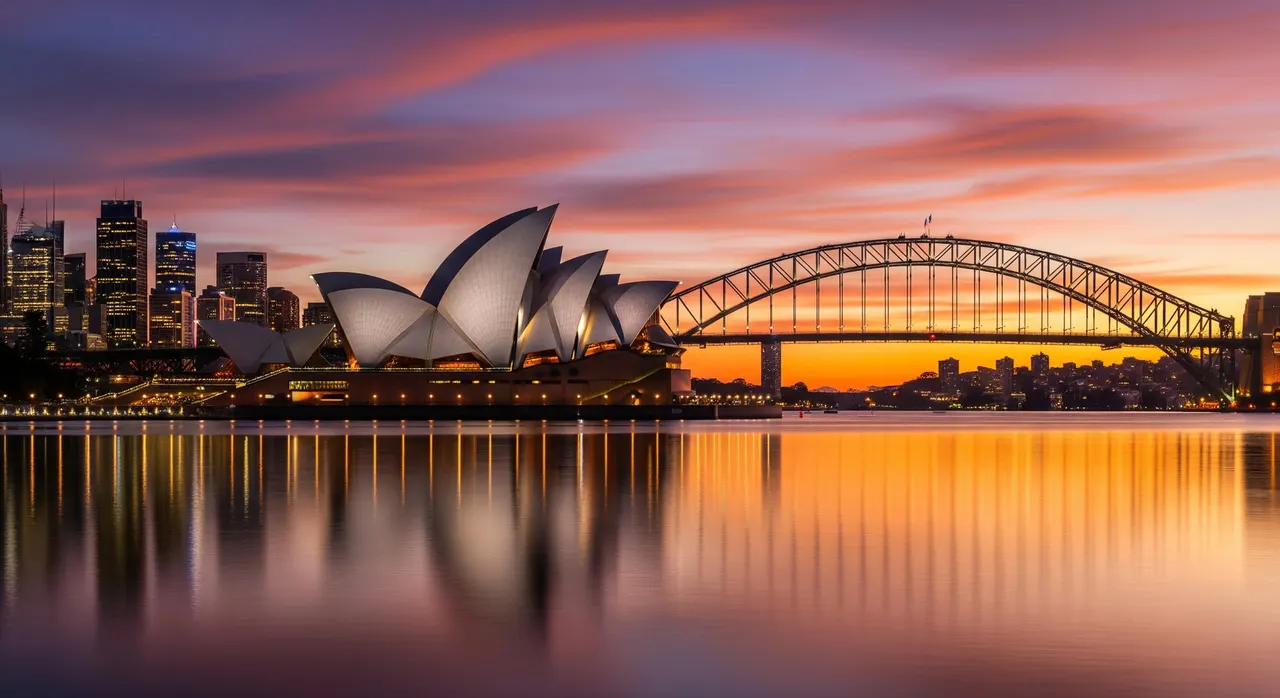
Australia — your starting point before relocating to ThailandAustralia
From Australia to Thailand

Make the move from Australia

Trade Australia for up to five years in Thailand on the DTV. We prepare and submit your entire application from wherever you are — proof of funds, category evidence and passport — so you can focus on the move, not the paperwork.

Check eligibility
Step by step

How Australian citizens apply for the DTV

1

Check you qualify

Almost every nationality can apply. Take our free 60-second eligibility checker to confirm your route — remote work, soft power, medical or family.

2

We prepare everything

We assemble and review your documents: proof of 500,000 THB (~$15,000), your category evidence and passport — so nothing gets rejected.

3

We submit for you

You apply from outside Thailand. We file at a Thai embassy or consulate (such as Hanoi, Ho Chi Minh, Jakarta, Vientiane or London) within one business day.

4

Get approved & move

On approval you get the 5-year, multiple-entry DTV — up to 180 days per stay, extendable once. Then make Thailand home.

Questions

DTV FAQ for Australian citizens

How long is the Destination Thailand Visa valid for Australian citizens?

The DTV is a 5-year multiple-entry visa. You can come and go as often as you like, staying up to 180 days per entry, and each stay can be extended once by a further 180 days.

Can I work remotely for an Australian company while on the DTV?

Yes. The DTV is designed for remote workers, digital nomads, and freelancers earning from outside Thailand. You can work for your Australian employer or run your own online business — just not for a Thai company in the local job market.

What financial proof do I need for the DTV application?

You'll need to show proof of personal funds of 500,000 THB (~$15,000) held in your own account. Australian bank statements are accepted, and because they're in English you generally won't need a certified translation.

How does the time zone affect working with Australia from Thailand?

Thailand is 3 hours behind Australian Eastern Standard Time (AEST), or 4 hours during daylight saving. That small gap makes a clean morning crossover easy — start early in Thailand and you'll overlap with the Australian business day, leaving your afternoons free.

Which Australian cities have direct flights to Thailand?

Nonstop flights to Bangkok operate from Perth, Brisbane, Sydney, and Melbourne, with seasonal services to Phuket as well. Flight times range from about 7 hours (Perth) to around 9.5 hours (Melbourne), so trips home stay manageable.

Is Thailand expensive compared to Australia?

No — Thailand is significantly cheaper. Many Australians live comfortably on about AUD 1,500–2,600 per month, a fraction of the AUD 3,500–5,000+ a comparable lifestyle costs in a major Australian city.

Do I need to apply for the DTV from Australia?

Yes, the DTV must be applied for while you're outside Thailand. We handle the entire process for you — from document preparation to submission — with our service starting from $139.

What happens if my DTV application is rejected?

With our optional Denial Protection add-on, a denied application means a 100% refund of our service fee. We work to make every application as strong as possible, and the add-on gives you complete peace of mind.

Do my Australian documents need to be translated for the DTV?

Generally no. Because Australia's official documents are issued in English, items like bank statements and employment letters are usually accepted as-is, without a certified Thai or English translation.

Will my Australian driver's licence work in Thailand?

It's best to carry an International Driving Permit (IDP) alongside your Australian licence; this combination is widely accepted for renting cars and scooters and for local driving. Always check the current rules before you travel.

Where you apply

The Thai missions for Australia

You submit the DTV online via the Thai e-Visa portal — but the office below covers applicants in Australia and may review your file.

Ready to move to Thailand from Australia?

Check your eligibility in under a minute, or let our team prepare and submit everything — with a 100% refund if your application is denied (with the optional paid Denial Protection add-on).