Skip to content
Africa

DTV Visa for Angolan Citizens

For Angolan professionals, entrepreneurs and remote workers, Thailand has become one of the most appealing places in the world to base yourself — and the 5-year Destination Thailand Visa (DTV) makes the move genuinely achievable. Picture trading the famously high cost of living in Luanda for a lifestyle where modern apartments, fast fibre internet, world-class coworking spaces and unforgettable street food cost a fraction of what you pay at home. Whether you want to launch a venture, work remotely for overseas clients or simply enjoy a calmer, better-value life, Thailand offers a safe, welcoming and affordable place to call home for up to five years.

Every Angolan citizen is eligible to apply

5

Years validity

180

Days per entry

500k

THB proof of funds

$139

Service fee from

100%

Refund if denied*

Why Angolan citizens choose Thailand

Living in Thailand from Angola

Section 01

Why Angolan Citizens Are Moving to Thailand

Angola is a country of resilient, globally minded people, but daily life in cities like Luanda can stretch even a healthy budget — the capital has repeatedly topped global surveys as one of the most expensive cities in the world for expatriates, largely because so much is imported and priced in US dollars. Thailand flips that equation: you get a comfortable, modern lifestyle — clean apartments, reliable utilities and excellent private healthcare — for a small share of what the same standard costs back home.

The climate will feel familiar to anyone from Angola's coast or the Planalto highlands. Bangkok and the south are hot and humid year-round, while the northern highlands around Chiang Mai cool down noticeably from November to February. Add a thriving digital-nomad scene, famously friendly locals, superb food and a low rate of violent crime, and it is easy to see why more Angolans are looking east.

Did You Know?

Luanda has been ranked the single most expensive city in the world for expats in several Mercer cost-of-living surveys, while Bangkok and Chiang Mai consistently appear among the best-value destinations on earth for remote workers.

Section 02

Cost of Living: Angola vs Thailand

The contrast is striking. In a secure part of Luanda, a one-bedroom apartment can easily run $1,500–$3,000 a month , and a mid-range restaurant meal can cost $30–$50 per person — a direct result of Angola's import-heavy, dollarised economy. In Thailand, the same quality of life costs a fraction of that. A modern studio in Bangkok starts around $400, a fresh street-food meal is often under $2, and a coworking hot-desk runs roughly $80–$100 a month.

Getting around is cheap too. Motorbike-taxi hops cost well under a dollar, a metered Bangkok taxi ride is a few dollars, and a monthly BTS Skytrain pass is around $40. Utilities and fast internet together rarely exceed $100. All told, a single person lives very comfortably in Thailand on roughly $900–$1,300 a month — a budget that would feel tight in Luanda.

  • One-bedroom apartment (city centre): around $340/month in Chiang Mai vs $1,500+ in Luanda
  • Local restaurant meal: about $2 in Bangkok vs $20+ in Luanda
  • Coworking space: roughly $80/month in Thailand vs often $200+ in Luanda
  • ATM cash withdrawal: about 220 THB (~$6) foreign-card fee per Thai withdrawal
  • Monthly transport pass: around $40 in Bangkok
Section 03

Getting to Thailand from Angola

There are no direct flights between Angola and Thailand, but the connections are straightforward. Most travellers depart from Quatro de Fevereiro International Airport (LAD) in Luanda and transit through a single hub: Addis Ababa (Ethiopian Airlines), Doha (Qatar Airways) or Dubai (Emirates) are the most common routings to Bangkok's Suvarnabhumi Airport (BKK). Total journey time is usually 18–24 hours including the layover. From Suvarnabhumi, the Airport Rail Link or a metered taxi has you in central Bangkok in well under an hour.

The time-zone gap is manageable for remote work. Angola runs on West Africa Time (UTC+1), while Thailand is on Indochina Time (UTC+7) — six hours ahead . That means your Thai afternoons line up neatly with the Angolan and wider African morning, leaving quiet, focused early hours in Thailand before the working day in Luanda even begins.

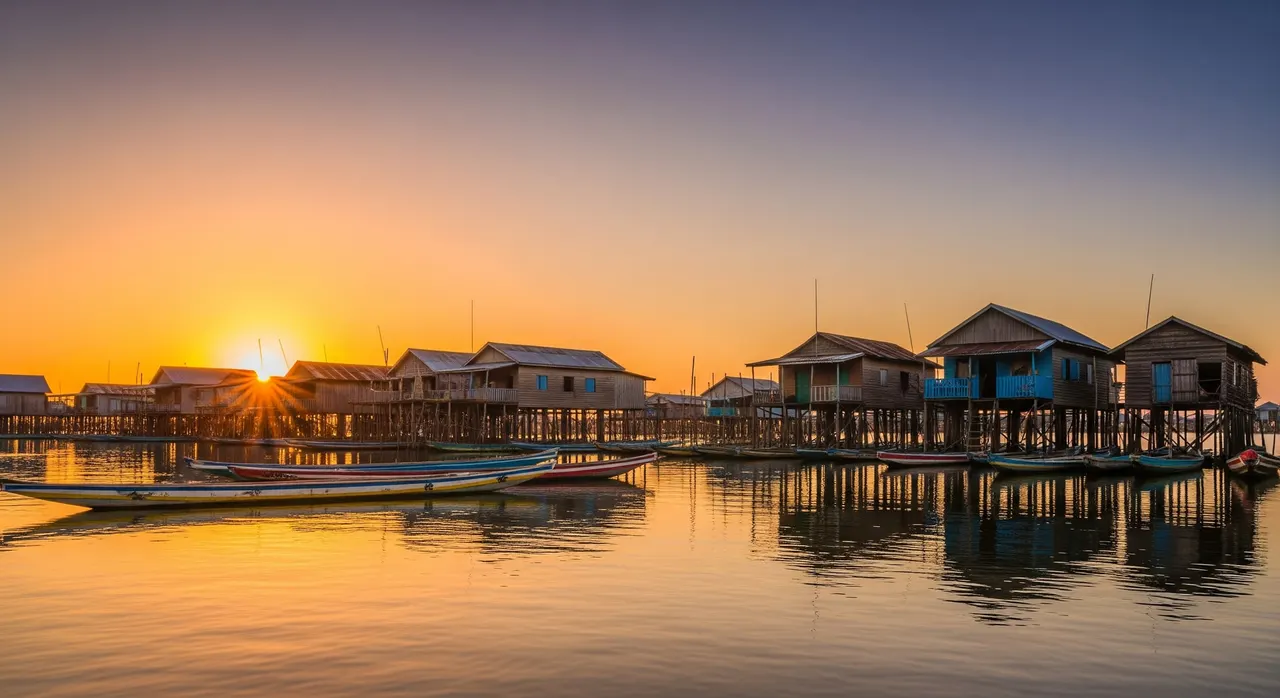
Daily life in Thailand — where Angolan citizens settle on the DTV
Life in Thailand — your home base on the 5-year DTV
Section 04

Where Angolan Expats & Nomads Settle in Thailand

Thailand offers a base for every taste. Bangkok suits those who want big-city energy — skyscrapers, megamalls, endless dining and constant networking, all easy to reach by Skytrain and metro. Chiang Mai , in the mountainous north, is the country's digital-nomad capital: low costs, leafy streets, hundreds of cafés and a genuinely welcoming international community.

If the sea is calling, Phuket and Koh Samui combine island life with solid infrastructure, hospitals and international flights, while quieter spots like Koh Lanta and Koh Tao reward a slower pace. Angola's own community in Thailand is still small, but you will quickly find fellow Portuguese speakers from Brazil, Mozambique and Cape Verde — a familiar language and culture never far away.

Pro Tip

Land in Bangkok or Chiang Mai first. Both have the best infrastructure for newcomers, so you can open a bank account, get a Thai SIM and build a network before deciding whether to move on to a quieter island or town.

Section 05

Money & Banking from Angola

Thailand is still a fairly cash-friendly society, so carry some Thai baht (THB) for your first days. ATMs from major banks such as Bangkok Bank, Kasikornbank and Siam Commercial Bank are everywhere, though each charges a fixed fee — typically around 220 THB — for foreign-card withdrawals, so larger, less frequent withdrawals save money. The Angolan kwanza (AOA) is not exchangeable in Thailand, so bring crisp, high-denomination US dollars as a backup, as they fetch the best rates at exchange booths.

For ongoing transfers, services like Wise and Revolut generally give better rates than a traditional bank wire when moving funds toward Thailand, though you should check current availability for AOA. A SWIFT transfer from your Angolan bank to a Thai account also works and is reliable, if slower. Once you hold a local account, Thailand's PromptPay QR-code system makes everyday payments — from market stalls to taxis — effortless.

Section 06

Documents & Translation — Language Matters

Angola's official language is Portuguese , which has one practical implication for your application: supporting documents such as bank statements and proof of professional activity are not in English. You will therefore likely need a certified Portuguese-to-English translation by a sworn or recognised translator so the documents meet Thai requirements. It is a small, routine step. The good news is that you apply from outside Thailand and our team prepares and submits the entire application for you, advising on exactly which documents need translating and in what format so nothing is rejected on a technicality.

DTV at a Glance

The Destination Thailand Visa is a 5-year, multiple-entry visa allowing stays of up to 180 days per entry, extendable once by a further 180 days. You apply from outside Thailand, show proof of 500,000 THB (~$15,000) in personal funds, and we handle preparation and submission from start to finish — service from $139, with an optional Denial Protection add-on for a 100% refund if your visa is denied.

Section 07

Daily Life & Community

Healthcare is one of Thailand's biggest draws. Internationally accredited private hospitals such as Bumrungrad and Samitivej in Bangkok offer excellent care, often at a small fraction of European or North American prices, and many doctors speak English. Pharmacies are on almost every corner, and minor ailments can be treated for a few dollars without an appointment.

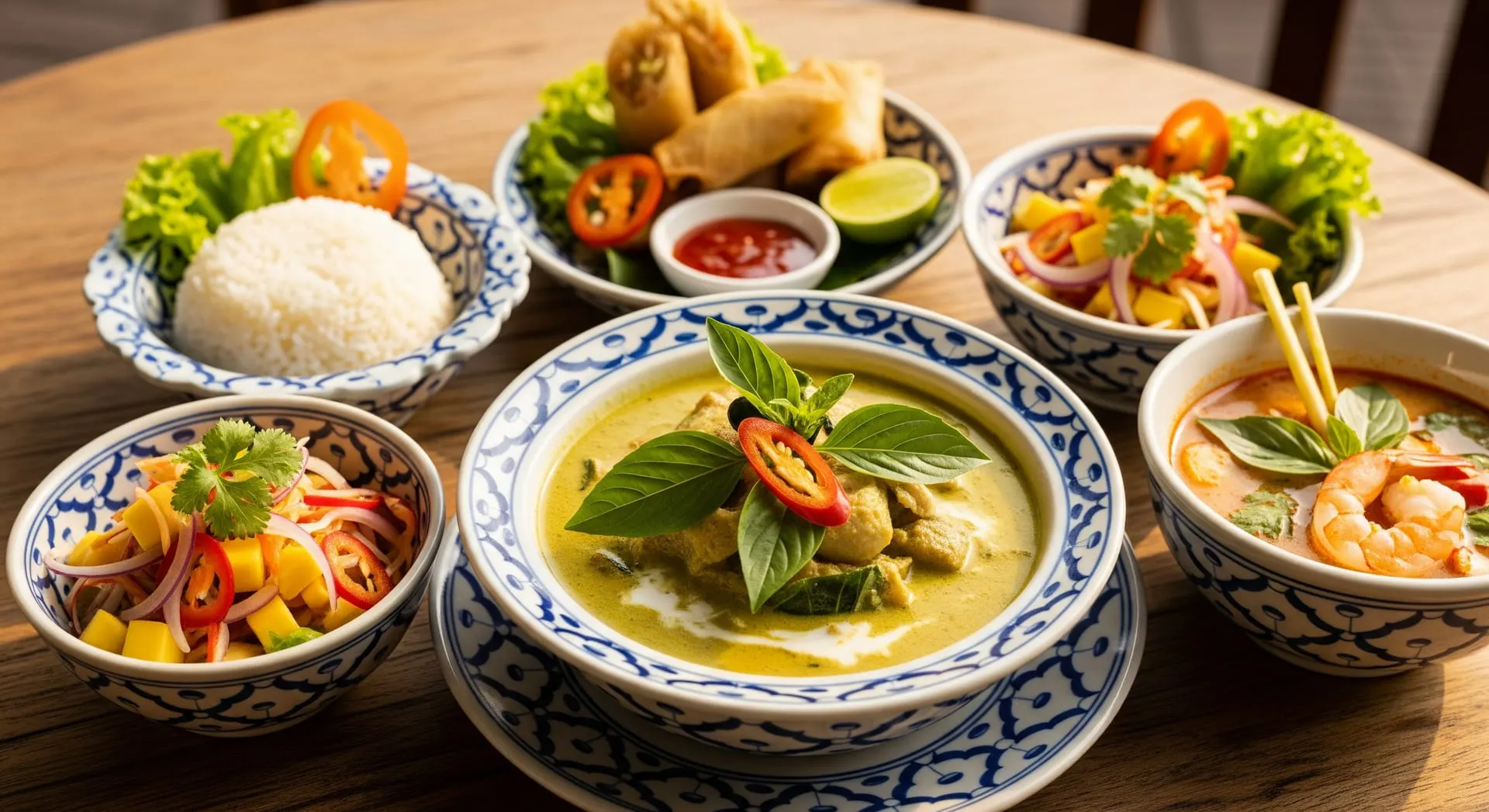
Connectivity is excellent: fibre broadband and 5G are the norm, and coworking spaces routinely offer 100 Mbps and above — a clear upgrade for many coming from Angola. Food is a daily highlight, from fiery curries and fresh seafood to international supermarkets stocking ingredients from around the world. For Portuguese speakers, the social side is easy too: Brazilian and Lusophone-African nomads are part of the mix, and online groups make it simple to find your feet fast.

  • Healthcare: dozens of internationally accredited hospitals; routine outpatient visits from around $20
  • Internet: fixed broadband often 200 Mbps+, with broad 5G coverage in cities
  • Food: cheap street eats, international supermarkets and a growing online African-grocery scene
  • Community: active Portuguese-speaking and 'Africans in Thailand' social groups for advice and meetups

Angolan Community in Thailand

Angola's diaspora in Thailand is still small but well connected online. Facebook groups such as 'Africans in Thailand' and broader Portuguese-speaking nomad communities are great places to ask questions, find housing leads and meet people. Many members are professionals, founders or students who bond over a shared language and culture.

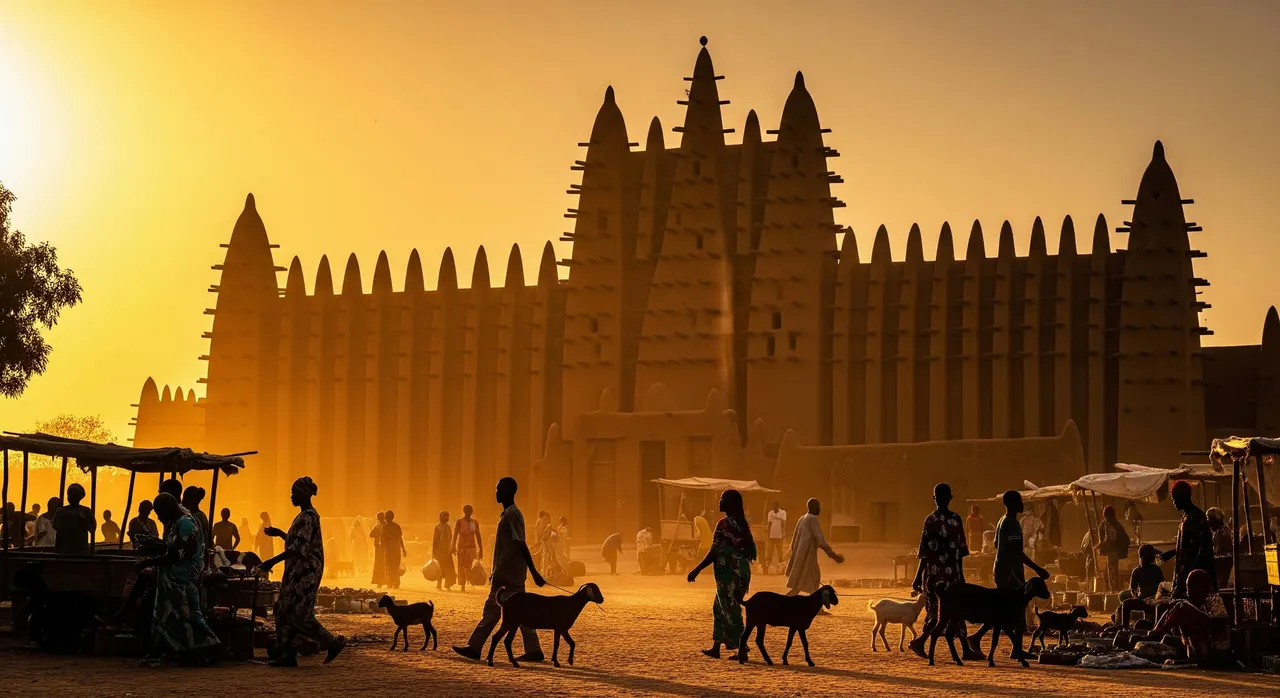
Angola — your starting point before relocating to ThailandAngola
From Angola to Thailand

Make the move from Angola

Trade Angola for up to five years in Thailand on the DTV. We prepare and submit your entire application from wherever you are — proof of funds, category evidence and passport — so you can focus on the move, not the paperwork.

Check eligibility
Step by step

How Angolan citizens apply for the DTV

1

Check you qualify

Almost every nationality can apply. Take our free 60-second eligibility checker to confirm your route — remote work, soft power, medical or family.

2

We prepare everything

We assemble and review your documents: proof of 500,000 THB (~$15,000), your category evidence and passport — so nothing gets rejected.

3

We submit for you

You apply from outside Thailand. We file at a Thai embassy or consulate (such as Hanoi, Ho Chi Minh, Jakarta, Vientiane or London) within one business day.

4

Get approved & move

On approval you get the 5-year, multiple-entry DTV — up to 180 days per stay, extendable once. Then make Thailand home.

Questions

DTV FAQ for Angolan citizens

What exactly is the Destination Thailand Visa (DTV) for Angolan citizens?

It is a 5-year, multiple-entry visa that lets Angolan passport holders stay in Thailand for up to 180 days per entry, extendable once for a further 180 days. You can work remotely for overseas clients or employers, study soft-power activities, or simply enjoy the lifestyle, without being tied to a local job.

How long does it take to fly from Angola to Thailand?

There are no direct flights, but a single connection through Addis Ababa, Doha or Dubai gets you from Luanda (LAD) to Bangkok (BKK) in roughly 18–24 hours including the layover. Thailand is six hours ahead of Angola.

What is the cost of living like in Thailand compared to Angola?

Thailand is dramatically more affordable. Luanda regularly ranks among the most expensive cities on earth for expats, whereas a comfortable life in Thailand is achievable on roughly $900–$1,300 a month. Rent, dining, transport and healthcare are all far cheaper.

Can I work for a company outside Thailand with this visa?

Yes. The DTV is built for remote workers, freelancers and digital nomads. You can legally work for overseas employers or clients while living in Thailand, as long as your income is not earned from Thai sources.

Do I need to show proof of funds for the DTV?

Yes. You must show a balance of 500,000 THB (approximately $15,000) in personal funds, typically via bank statements or equivalent financial documents. DTVThaiVisa helps you assemble and present these correctly.

Do I have to travel to Thailand to apply?

No. You apply for the DTV from outside Thailand, and our team prepares and submits the entire application on your behalf. There is no need to set foot in Thailand before your visa is approved.

How much does the DTV service cost for Angolan citizens?

Our professional preparation and submission service starts from $139, covering document review, form completion and full support. We also offer an optional Denial Protection add-on that provides a 100% refund if your visa is not approved.

My documents are in Portuguese — is that a problem?

Not at all. Because Angola's official language is Portuguese, supporting documents such as bank statements will usually need a certified Portuguese-to-English translation by a sworn translator. We tell you exactly which documents to translate and in what format so your application stays smooth.

Is there an Angolan community in Thailand?

Yes, and it is growing. Angolan and wider Portuguese-speaking nomads connect through groups such as 'Africans in Thailand' and Lusophone communities online, which are great for local advice, housing tips and meeting people.

Can I bring my family with me under the DTV?

Yes. The DTV lets you include your legal spouse and dependent children in your application, provided you can show additional proof of funds to support them. Our team will guide you through the family documentation.

Ready to move to Thailand from Angola?

Check your eligibility in under a minute, or let our team prepare and submit everything — with a 100% refund if your application is denied (with the optional paid Denial Protection add-on).