Skip to content
Asia

DTV Visa for Afghan Citizens
Are you an Afghan professional dreaming of trading the daily pressures of Kabul or Herat for tropical beaches, world-class coworking spaces, and a thriving international community? Thailand now offers the Destination Thailand Visa (DTV) , a 5-year, multiple-entry pathway that lets remote workers, freelancers, and their families legally base themselves in the Land of Smiles.

Every Afghan citizen is eligible to apply

5

Years validity

180

Days per entry

500k

THB proof of funds

$139

Service fee from

100%

Refund if denied*

Why Afghan citizens choose Thailand

Living in Thailand from Afghanistan

Section 01

Why Afghan Citizens Are Choosing Thailand

A growing number of Afghans are looking to Thailand as a safe, affordable, and welcoming base. In place of harsh Central Asian winters and a difficult economy, Thailand offers year-round warmth, dependable electricity and water, and a far lower day-to-day cost of living. For remote workers and freelancers, the country's fast fibre internet, abundant coworking spaces, and large expat scene make it an easy place to be productive. The DTV ties this together: a single visa keeps you settled for up to five years, with each entry good for up to 180 days and extendable once for another 180 days, so there is no scramble for monthly border runs.

DTV at a Glance

The Destination Thailand Visa is a 5-year, multiple-entry visa. Each entry allows a stay of up to 180 days, extendable once inside Thailand for a further 180 days. You apply from outside Thailand, and our team prepares and submits the entire application for you, with service from $139.

Section 02

Cost of Living: Afghanistan vs Thailand

Your money stretches a long way in Thailand. A modern furnished studio in Chiang Mai can rent for around 8,000–10,000 THB (roughly $230–290) a month, frequently with a pool and gym, while a comparable unit in central Bangkok runs closer to 15,000–20,000 THB. Food is the real revelation: a plate of street-food pad thai or a rice-and-curry lunch costs 50–70 THB (about $1.50–2), and a sit-down meal for two in a mid-range restaurant rarely exceeds 500 THB. ATM withdrawals carry a fixed local fee of around 220 THB on top of your home bank's charges, so it pays to take out larger sums at once. All told, many Afghans find they enjoy a higher standard of living in Thailand while spending noticeably less than they would in Kabul, Herat, or Mazar-i-Sharif.

Quick Comparison

In Chiang Mai you can rent a modern studio for about $250 a month, often less than a comparable place in major Afghan cities once you factor in the cost of reliable power and water, which in Thailand simply come included.

Section 03

Getting to Thailand from Afghanistan

There are no direct flights between Afghanistan and Thailand, so almost every route connects through a Gulf or Turkish hub. From Kabul International Airport (KBL) you will typically transit Dubai, Doha, Abu Dhabi, or Istanbul, with total door-to-door times usually in the 11–16 hour range depending on the layover. The straight-line distance to Bangkok is roughly 4,500 km. Most travellers land at Bangkok's Suvarnabhumi Airport (BKK), the country's main international gateway, which connects easily onward to Chiang Mai, Phuket, and Pattaya. The time difference is small, only 2.5 hours (Afghanistan is UTC+4:30, Thailand UTC+7), so jet lag is minimal.

Time Zone Tip

With only a 2.5-hour gap, you can take an afternoon call with contacts back in Afghanistan while it is still mid-evening for you in a Bangkok or Chiang Mai café, making it easy to keep one foot in each schedule.

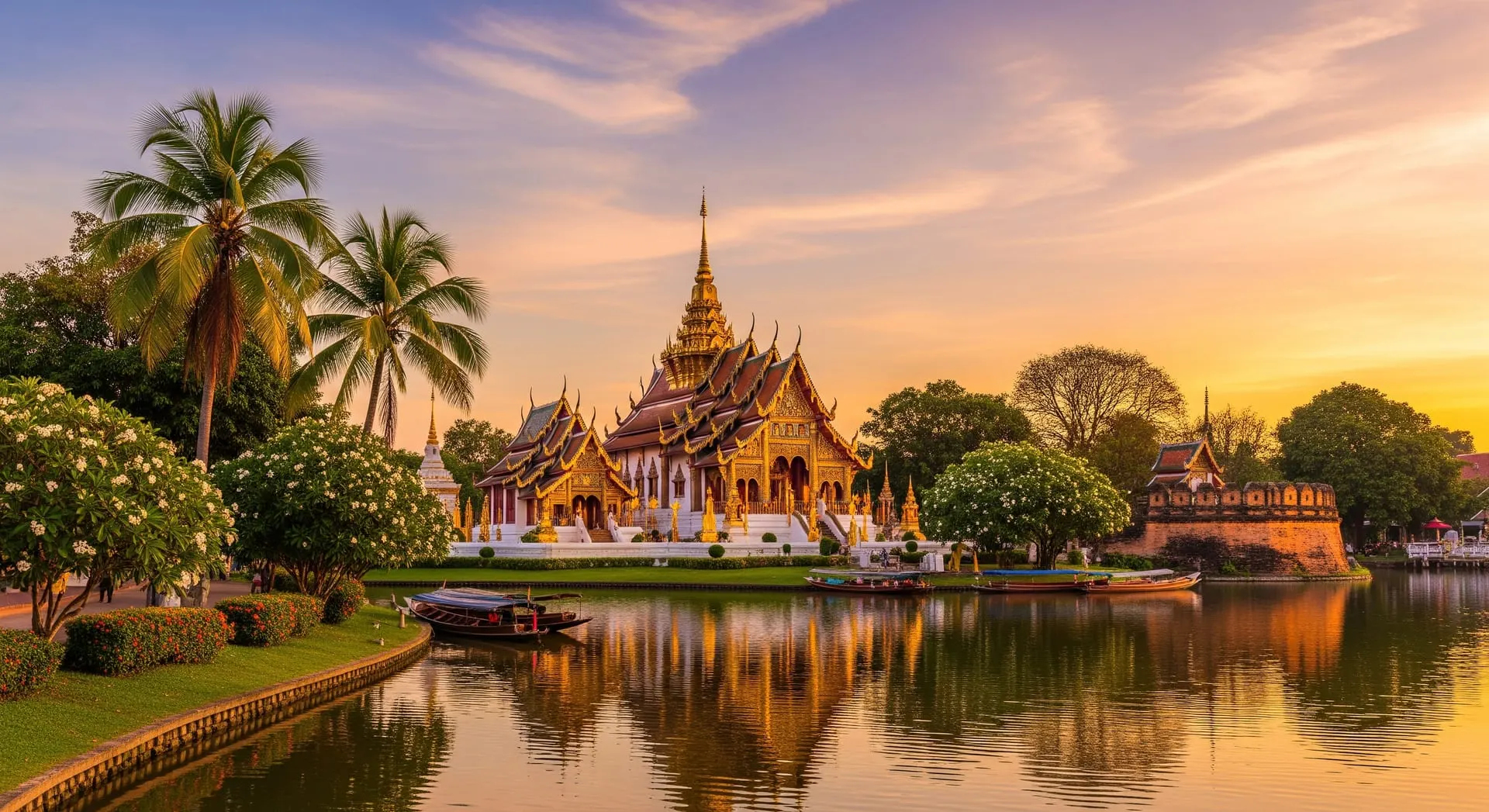
Daily life in Thailand — where Afghan citizens settle on the DTV
Life in Thailand — your home base on the 5-year DTV
Section 04

Where Afghan Expats Settle in Thailand

Most Afghan newcomers gravitate toward Bangkok, Chiang Mai, Phuket, or Pattaya. Bangkok's Sukhumvit and Nana areas already host a small but established South and Central Asian community, with halal restaurants, bakeries, and mosques within easy reach. Chiang Mai is loved for its relaxed pace, low costs, mountain scenery, and dense digital-nomad network. Phuket delivers an island lifestyle with beaches, international schools, and a growing remote-work crowd, while Pattaya pairs a diverse expat scene with strong infrastructure and quick access to the coast. Whichever you choose, you will find familiar comforts and a community that makes settling in straightforward.

  • Bangkok – established South/Central Asian community, halal food, big-city energy, and the most flight connections
  • Chiang Mai – the most affordable major city, peaceful, and the heart of Thailand's digital-nomad scene
  • Phuket – tropical beaches, international schools, and a growing remote-work community
  • Pattaya – lively expat hub with excellent infrastructure and easy beach access
Section 05

Money & Banking from Afghanistan

Moving money out of Afghanistan takes a little planning. Domestic banks can apply tight limits on international transfers, so many Afghans abroad rely on services such as Wise or Remitly, or established hawala networks, to convert Afghanis (AFN) into Thai Baht (THB) at fair rates. To qualify for the DTV you will need to show proof of 500,000 THB (about $15,000) in personal funds, which demonstrates you can support yourself during your stay. Once you are in Thailand, ATMs are everywhere but charge a fixed fee of around 220 THB per foreign-card withdrawal, so larger, less frequent withdrawals save money. Many expats open a Thai bank account after arrival to make rent, bills, and day-to-day payments far simpler.

Banking Tip

Bring evidence of your 500,000 THB in personal funds in a clear, well-documented form. Statements from a single account over several months are easier to verify than money scattered across many sources, and a Thai account opened after arrival then keeps your local spending simple.

Section 06

Documents & Translation for Afghan Applicants

Afghanistan's official languages are Dari and Pashto rather than English, so your supporting paperwork will generally need a certified English (or Thai) translation. In practice this means bank statements, proof of income, and any personal certificates should be translated by a reputable agency before submission to avoid hold-ups. The good news is that you apply from outside Thailand and our team handles the heavy lifting: we review your documents, tell you exactly which ones require certified translation, and prepare and submit the full application on your behalf.

  • Bank statements and financial proof of 500,000 THB (~$15,000)
  • Employment contracts, freelance client agreements, or proof of remote income
  • Marriage and birth certificates (if applying together with a spouse or children)
  • A valid passport with sufficient remaining validity
Section 07

Daily Life & Afghan Community in Thailand

Day-to-day life in Thailand is comfortable and well-equipped. Internationally accredited hospitals in Bangkok, Chiang Mai, and Phuket deliver high-quality care at a fraction of Western prices, with English-speaking staff. Fibre internet is the norm in condos and coworking spaces, with 100+ Mbps packages commonly running 400–700 THB a month, ideal for video calls and large uploads. The food scene is generous to Muslim residents: halal options are widespread, and Afghan- and Pakistani-run eateries around Bangkok serve familiar kebabs, naan, and rice dishes. Thailand consistently ranks among the safer countries in the region, with a culture that prizes politeness and calm. The Afghan community is modest but steadily growing, and informal social-media groups make it easy to find advice, friendship, and a sense of home.

  • Halal markets and Afghan- and Pakistani-run restaurants around Bangkok's Sukhumvit and Nana
  • Mosques and prayer rooms in Bangkok, Chiang Mai, and Phuket
  • Internationally accredited hospitals with English-speaking staff
  • High-speed fibre internet (often 100+ Mbps) from around 400–700 THB a month
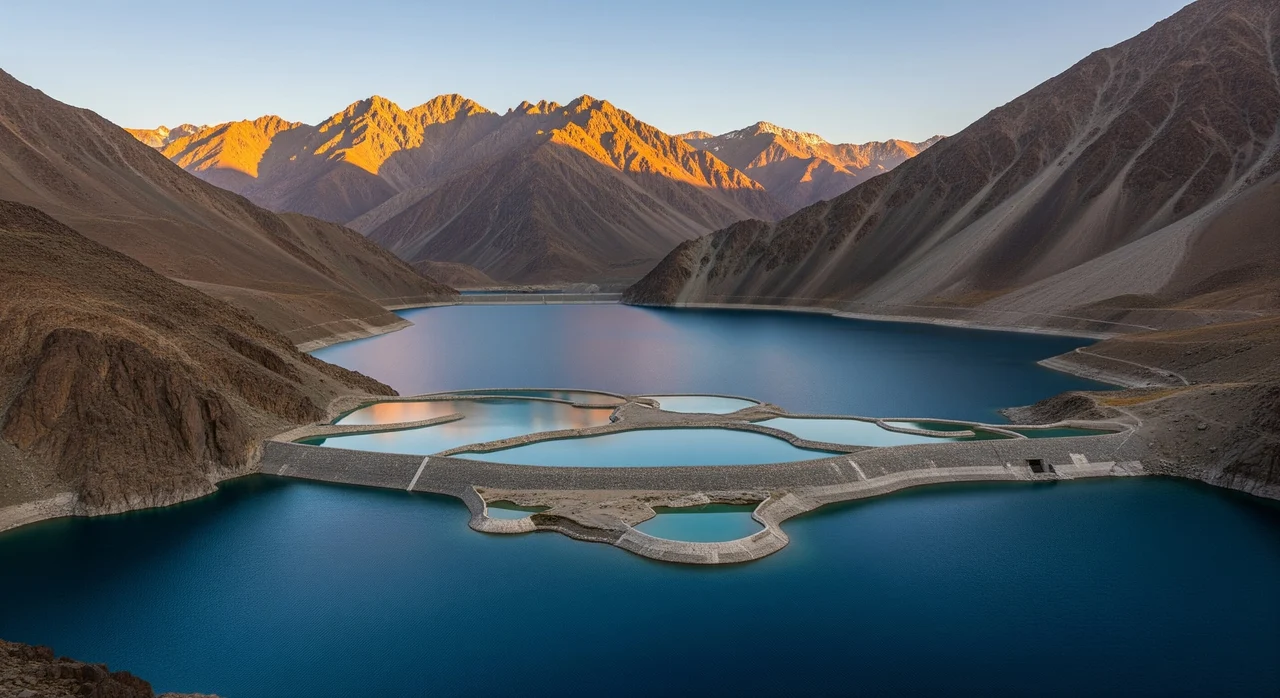
Afghanistan — your starting point before relocating to ThailandAfghanistan
From Afghanistan to Thailand

Make the move from Afghanistan

Trade Afghanistan for up to five years in Thailand on the DTV. We prepare and submit your entire application from wherever you are — proof of funds, category evidence and passport — so you can focus on the move, not the paperwork.

Check eligibility
Step by step

How Afghan citizens apply for the DTV

1

Check you qualify

Almost every nationality can apply. Take our free 60-second eligibility checker to confirm your route — remote work, soft power, medical or family.

2

We prepare everything

We assemble and review your documents: proof of 500,000 THB (~$15,000), your category evidence and passport — so nothing gets rejected.

3

We submit for you

You apply from outside Thailand. We file at a Thai embassy or consulate (such as Hanoi, Ho Chi Minh, Jakarta, Vientiane or London) within one business day.

4

Get approved & move

On approval you get the 5-year, multiple-entry DTV — up to 180 days per stay, extendable once. Then make Thailand home.

Questions

DTV FAQ for Afghan citizens

What exactly is the Destination Thailand Visa (DTV)?

The DTV is a 5-year, multiple-entry visa that lets remote workers, freelancers, and their families live in Thailand for up to 180 days per entry, extendable once per entry for a further 180 days. It is designed for people who work for non-Thai companies or their own clients abroad.

How long can I stay in Thailand on the DTV?

Each entry grants up to 180 days, and you can extend that entry once by an additional 180 days through local immigration. The visa itself stays valid for 5 years and allows unlimited entries, so you can come and go freely.

Do I need to show proof of funds for the DTV?

Yes. You must show proof of 500,000 THB (approximately $15,000) in personal funds, which demonstrates you can support yourself during your stay. We help you present this documentation correctly so it is easy to verify.

Can I work remotely for a company based outside Thailand?

Yes. The DTV is intended for working remotely for overseas employers or running your own business based outside Thailand. You cannot take up local employment with a Thai company without a separate work permit.

Where do I apply for the DTV, and do I need to be outside Thailand?

You must apply from outside Thailand. You do not need to navigate the process yourself: our team prepares your complete application and submits everything on your behalf, so you avoid the paperwork and bureaucracy.

How much does your service cost?

Our service starts from $139 and includes document review, application preparation, and submission support. We also offer an optional Denial Protection add-on for extra peace of mind.

What if my visa application is denied?

With the optional Denial Protection add-on, if your application is denied we provide a 100% refund of our service fee. We prepare every file carefully to keep the risk of rejection as low as possible.

Are there direct flights from Afghanistan to Thailand?

No. There are currently no direct flights, so Afghan travellers usually fly from Kabul via Dubai, Doha, Abu Dhabi, or Istanbul. Total journey time is typically around 11–16 hours, and Bangkok's Suvarnabhumi Airport is the main gateway.

Do my Afghan documents need to be translated?

Most likely, yes. Because Afghanistan's official languages are Dari and Pashto, documents such as bank statements and certificates usually need a certified English or Thai translation. We tell you exactly which documents require it before you submit.

Is there an Afghan community in Thailand?

Yes. A small but welcoming community exists, especially around Bangkok's Sukhumvit and Nana areas, where you will find halal food, Afghan- and Pakistani-run restaurants, and active social-media groups that help newcomers settle in.

What is the time difference between Afghanistan and Thailand?

Thailand is 2 hours and 30 minutes ahead of Afghanistan (UTC+7 versus UTC+4:30). This small gap makes it easy to stay in touch with family and keep work schedules aligned across both countries.

Ready to move to Thailand from Afghanistan?

Check your eligibility in under a minute, or let our team prepare and submit everything — with a 100% refund if your application is denied (with the optional paid Denial Protection add-on).