
Skip to content
Thai Embassy Document Request · Work & Business

"If You Are Unemployed, Share Your 5-Year Plan"

Received a DTV request to share your 5-year plan while unemployed? Learn how to prove you can support yourself and answer the embassy's exact question. Avoid

DTVDTVThaiVisa 12 min read

You opened your email to a request: the embassy wants more documents, and it’s specifically asking you, “If you are unemployed, please share your 5-year plan.” It’s normal to feel a jolt of anxiety, but this isn’t a rejection—it’s a routine check. With the right, evidence-backed answer, you can satisfy the officer and keep your application moving. Here, we’ll show you exactly how to craft that response.

A calm person at a laptop drafting a financial plan while a Thai e-Visa webpage and a bank statement sit open on a tidy desk.

What the embassy asked

The embassy hasn’t invented a new requirement; it has simply asked you to replace missing employment proof with a clear picture of your finances over the five-year visa period and your intentions afterward.

“If you are unemployed, please share your 5-year plan.”

Why the embassy asks for this

The Destination Thailand Visa runs for five years on multiple entries. Without an employer to confirm a steady income, the reviewing officer needs to see you can fund your entire stay from other sources and that you have no plans to work locally.

The request tests two things at once: your financial sustainability and your temporary intent. Answering both clearly shows you’re a genuine visitor, not someone trying to settle.

How to provide it correctly

  1. Answer the exact two questions in the email, in order: (1) how you’ll support yourself, and (2) your plan after the course/treatment while holding the 5-year visa. Don’t pad with unrequested material.
  2. Write a signed cover letter (PDF, Thai or English) that lays out your funding sources with plain numbers: liquid savings, any passive income, remote/freelance clients you’ll resume, or a named sponsor. Confirm you meet the 500,000 THB (~$15,000) liquid-funds benchmark.
  3. Attach matching evidence for every claim: official bank statements (PDF from the bank, not screenshots) showing the balance held steadily. Many offices want about three months of history; for example, the London office looks for roughly an 11,000 GBP closing balance.
  4. If relying on a sponsor (parent/spouse), add a signed sponsorship letter, proof of relationship (birth or marriage certificate), and the sponsor’s own bank statement.
  5. If counting on passive/remote income, include the underlying proof: platform payout records, contracts, dividend or rental statements.
  6. Map your funding across the full five years concretely, e.g., “savings of X cover living costs, freelance income of Y resumes from month N,” so the officer sees you can self-fund for the duration.
  7. Answer the “after the course/treatment” part by stating your genuine plan to leave or return home (resume remote work abroad, continue training elsewhere, follow-up care at home), demonstrating temporary intent.
  8. Convert any non-Thai/non-English documents with a certified and legalized translation, then upload only the requested files through the e-Visa portal before the deadline.
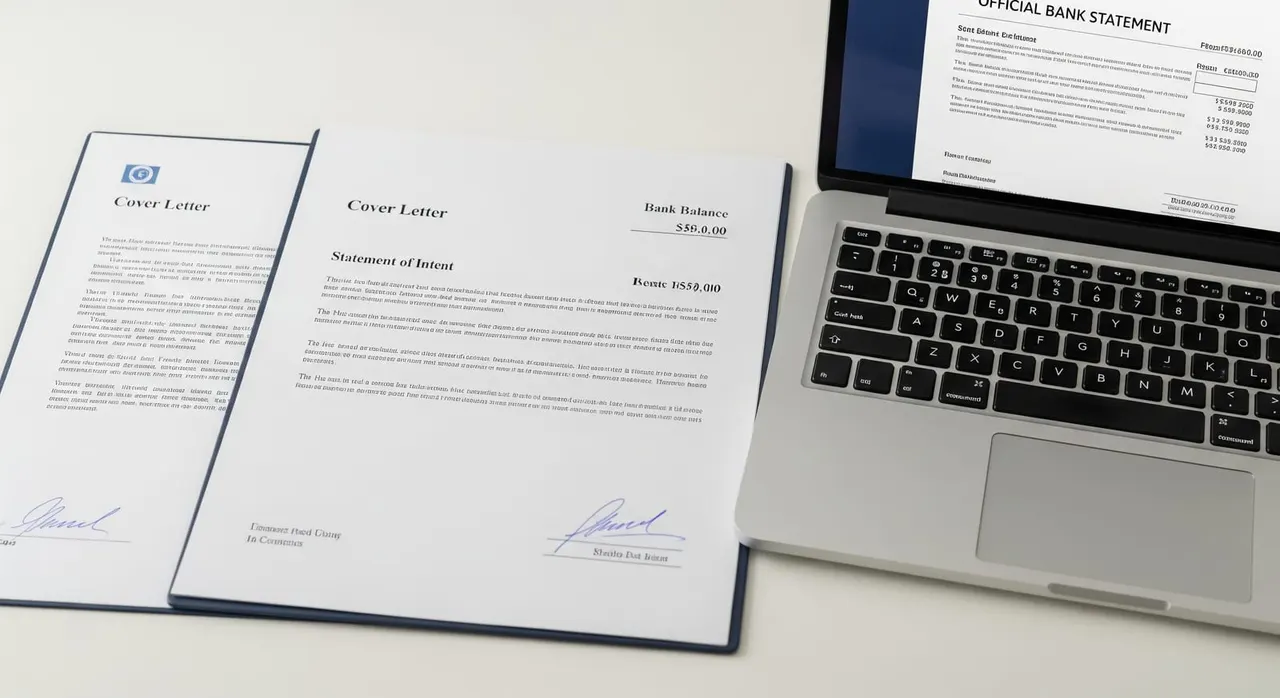
A sample single-page signed cover letter with bank balance details and a short statement of intent, alongside an official bank statement PDF on screen.

Common mistakes that cause rejection

  • Treating the request as a rejection and reapplying instead of uploading the requested documents to the existing case.
  • Answering only the money question and ignoring the “plans after completing the course/treatment” part.
  • Showing barely the minimum balance on a single recent statement with no seasoning, making funds look borrowed.
  • Writing a 5-year plan that accidentally includes finding a job or starting a business in Thailand.
  • Padding the response with extra unrequested documents, risking inconsistencies.
  • Forgetting to translate non-English/non-Thai sponsor letters or certificates with a certified, legalized translation.

Myth

You must have a current job to qualify for the DTV.

Fact

The DTV does not require employment. Unemployed applicants simply need to demonstrate they can self-fund—through savings, sponsorship, or passive income—and that they plan to leave Thailand after their approved activity.

Frequently asked questions

I’m genuinely unemployed — can I still get the DTV?

Yes. There is no requirement to have an employer. The officer just needs to see you can self-fund (liquid funds around 500,000 THB / ~$15,000, or a credible sponsor/passive income) and that you intend to leave when your activity ends.

What exactly goes in the “5-year plan”?

A short signed letter covering two things: how you will pay your way during the stay (savings, sponsor, restartable remote/freelance income) and what you’ll do after the course or treatment — ideally returning home or continuing abroad, not working in Thailand.

Does “plans after completing the course/treatment” mean I have to leave Thailand?

It means you must show genuine temporary intent. Stating you’ll resume remote work abroad, return home, or pursue follow-up training/care elsewhere answers it; saying you’ll find a local job or business does not.

Can my parents or spouse fund me?

Yes, sponsorship is accepted. Include a signed sponsorship letter, proof of relationship (birth or marriage certificate), and the sponsor’s own official bank statement showing the funds.

Will showing the minimum balance once be enough?

Often not. Officers look for funds held steadily (frequently around three months of statements). A sudden lump sum looks borrowed — a common rejection trigger. Use official bank PDFs, not screenshots; the London office, for example, expects roughly an 11,000 GBP closing balance and refuses screenshots.

What happens if my plan looks weak?

In our experience, since around May 2026, reapplying after a rejection has felt harder, so it’s better to answer thoroughly the first time — concrete numbers, matching statements, and a clear post-activity plan — than to risk starting over.

Do I need to provide a full five-year itinerary?

No. The plan isn’t a day-by-day itinerary; it’s a concise financial explanation. Focus on funding sources and your post-activity intent, not a daily schedule.

Get this document right the first time

Let our team prepare and check your response to the embassy — apply from $139, with a 100% refund if denied (with the optional Denial Protection add-on).

Start your application

General guidance only — not legal advice. Thai embassy requirements vary by office and change over time; always confirm the exact wording in your own request email, or let our team check it for you.

Related document requests