
Skip to content
Thai Embassy Document Request · Financial

Salary Slips & Proof of Monthly Income for the DTV

Need DTV proof of monthly income salary slip? Our guide shows exactly how to highlight payslips and bank deposits to satisfy the embassy's request for further
DTVDTVThaiVisa 12 min read

When a Royal Thai Embassy or Consulate-General sends a “Request for Further Document” asking for salary slips & proof of monthly income for the DTV , it's because they need to verify that your 500,000 THB (~$15,000) bank balance is backed by genuine, ongoing foreign‑source income. This page explains precisely what the embassy wants, why it's critical to highlight matching deposits on your bank statement, and the step‑by‑step method to submit a flawless reply — whether you're salaried, self‑employed, or have irregular income.

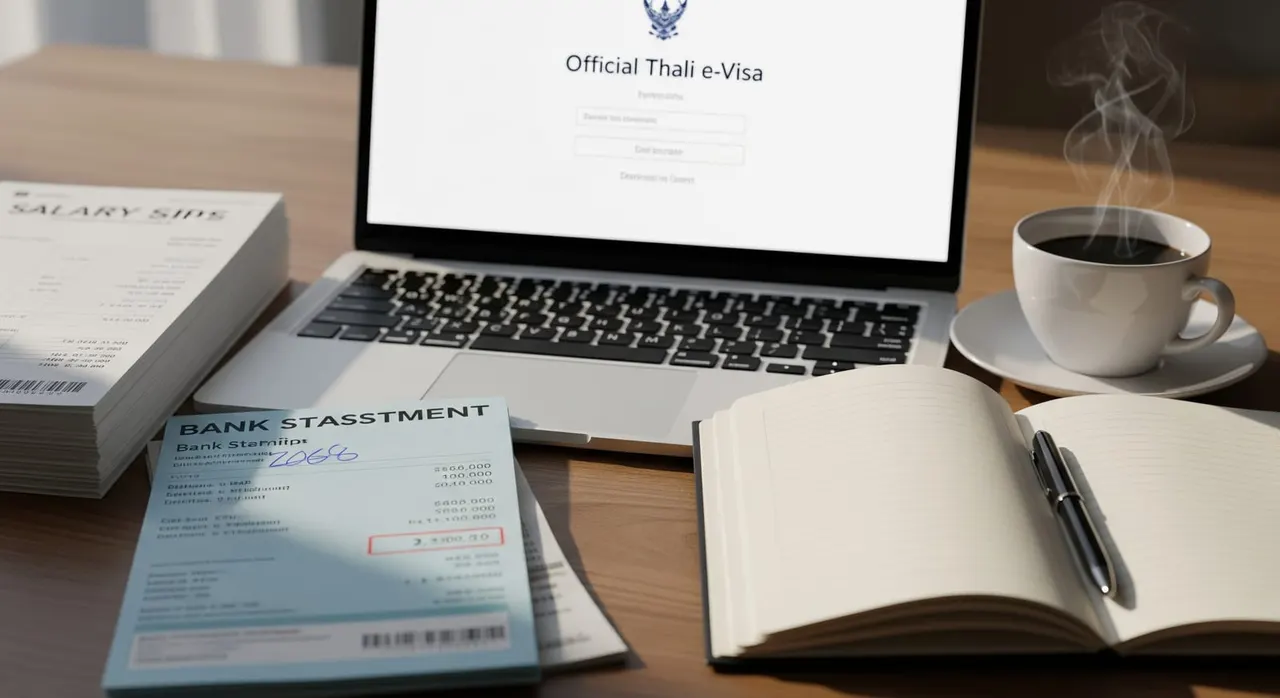
A close‑up of a desk with printed salary slips, a highlighted bank statement, and a laptop showing the Thai e‑Visa portal login screen, with a cup of coffee beside a notepad.

What the embassy asked

The request is part of the DTV’s financial review. It asks you to prove that your balance is supported by regular income, not a temporary deposit.

“Include 6-month salary slips, highlighted in the transactions.”

Why the embassy asks for this

Because the DTV is a 5‑year multiple‑entry visa applied for through the central Thai e‑Visa portal, a bank statement showing 500,000 THB (~$15,000) only proves you have that amount today. The embassy needs to confirm the balance is sustained by genuine, recurring income earned abroad — not a temporary loan or pooled funds. By asking you to cross‑reference six months of salary slips with highlighted bank deposits, they can see each payslip’s net amount arriving from your employer like clockwork, which satisfies the long‑stay financial test.

How to provide it correctly

  1. Gather your six most recent consecutive monthly salary slips or payslips, each clearly showing your name, employer, pay period, and amount.
  2. Obtain an official bank statement covering the same six‑month window from the personal account where your salary lands, with the bank’s stamp or digital certification.
  3. On that statement, highlight every incoming salary deposit and match each to a specific payslip — same employer, same date range, and a consistent amount. If a deposit amount differs from the payslip (e.g., gross vs net), add a brief written note explaining why.
  4. If the request also asks for income tax returns or to show ‘funds received from the company,’ include the last two years’ tax filings or clearly annotate the company‑to‑you transfers, as required.
  5. For self‑employed, freelance, or irregular income applicants: replace payslips with foreign‑client invoices plus the highlighted matching payments on your statement, along with service contracts and tax returns to build the same six‑month trail.
  6. Compile everything into clean, searchable PDFs (Thai or English only; certified translations for any other language), label files sensibly, and upload only what was asked through the e‑Visa portal request thread.
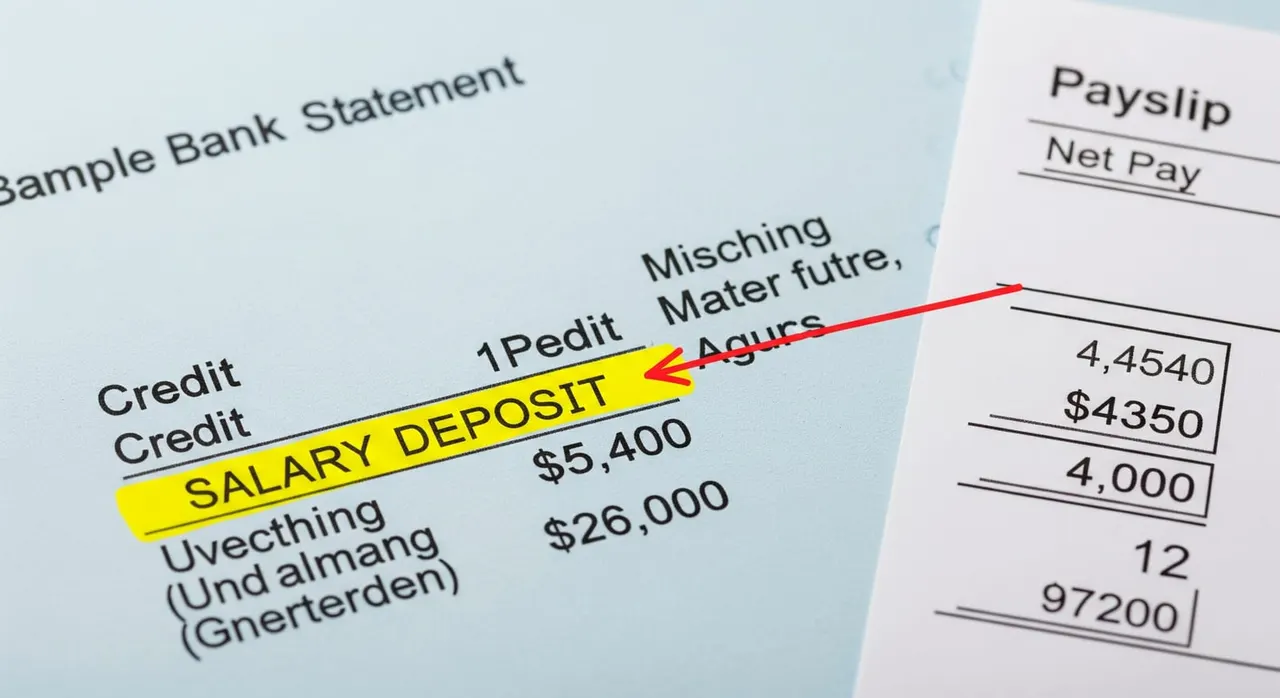
A sample annotated bank statement page showing a highlighted salary deposit line linked to a payslip with matching figures, with a brief explanatory note in the margin.

Common mistakes that cause rejection

  • Forgetting to highlight the salary transactions — uploading a clean statement and assuming the officer will find them.
  • Presenting gross salary on payslips while the deposits are net, without explaining deductions or currency conversion.
  • Using an unofficial bank printout lacking a stamp, digital certification, or verification reference.
  • Gaps in the six‑month window — a missing month or a statement that doesn't perfectly align with the payslips.
  • Self‑employed applicants submitting only a portfolio or LinkedIn profile instead of invoices, contracts, and payment records.
  • Over‑submitting by flooding the reply with unrelated accounts or full‑year statements, which can introduce new inconsistencies.

Frequently asked questions

How do I ‘highlight’ salary slips in my transactions?

On your official bank statement, physically or digitally mark each incoming salary deposit. Make sure every highlighted line ties back to one of your six monthly payslips — same payer, pay period, and a consistent net amount. The request specifically wants you to highlight them ‘in your transaction records.’

My payslip amount doesn’t exactly match the deposit — is that a problem?

Only if you leave it unexplained. A difference between gross pay on the payslip and net deposit (after tax, social contributions, or currency conversion) is normal. Add a short note clarifying the discrepancy so the officer isn’t left guessing.

I’m self‑employed and have no payslips — what do I submit?

Provide foreign‑client invoices for the last six months, along with the corresponding incoming payments highlighted on your bank statement. Supplement with client contracts or service agreements, and, if the embassy requested it, your last two years’ tax returns to demonstrate ongoing foreign‑source income.

Why was I asked for ‘income tax last 2 years’?

That request originates from a specific embassy or consulate that wants additional proof your income is genuine and historical, not fabricated for the application. If it appears in your request, include the last two annual tax returns; if it doesn’t, do not add them — submit only what was asked.

My income is irregular month to month — will that cause a rejection?

Not automatically, but you must prove the funds truly arrive from your foreign work over the six‑month window. Highlight every incoming payment and provide contracts or invoices that explain the irregular timing, so the pattern doesn’t look like one‑off transfers designed to inflate your balance.

What happens if my income proof is weak?

The embassy may issue another request or decline the visa. Since the DTV is administered through the central e‑Visa portal, a rejection can make re‑applying harder. That’s why getting the highlighted match right the first time is essential.

Get this document right the first time

Let our team prepare and check your response to the embassy — apply from $139, with a 100% refund if denied (with the optional Denial Protection add-on).

Start your application

General guidance only — not legal advice. Thai embassy requirements vary by office and change over time; always confirm the exact wording in your own request email, or let our team check it for you.

Related document requests