


Writing a Remote-Work Plan for Your Stay in Thailand
Need a DTV remote work plan example? Our guide shows exactly how to write and submit the plan plus portfolio when the Thai embassy requests it. Avoid rejectio
What the embassy asked
“Provide a remote work plan during the stay in Thailand. 请提供您在泰国进行远程工作的方式方法和内容(中文和英文),并提供相关的工作作品集证明图片, 若无作品集,请提供您工作平台截图图片和您工作的相关照片。”
Why the embassy asks for this
How to provide it correctly
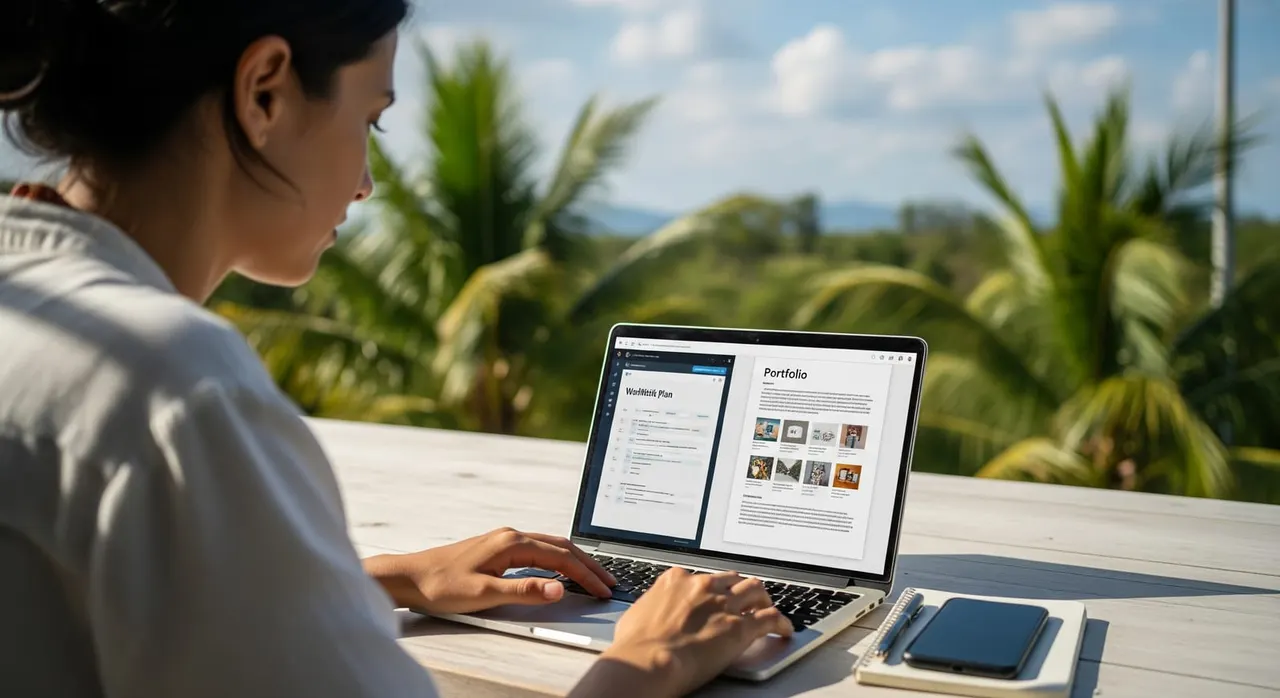
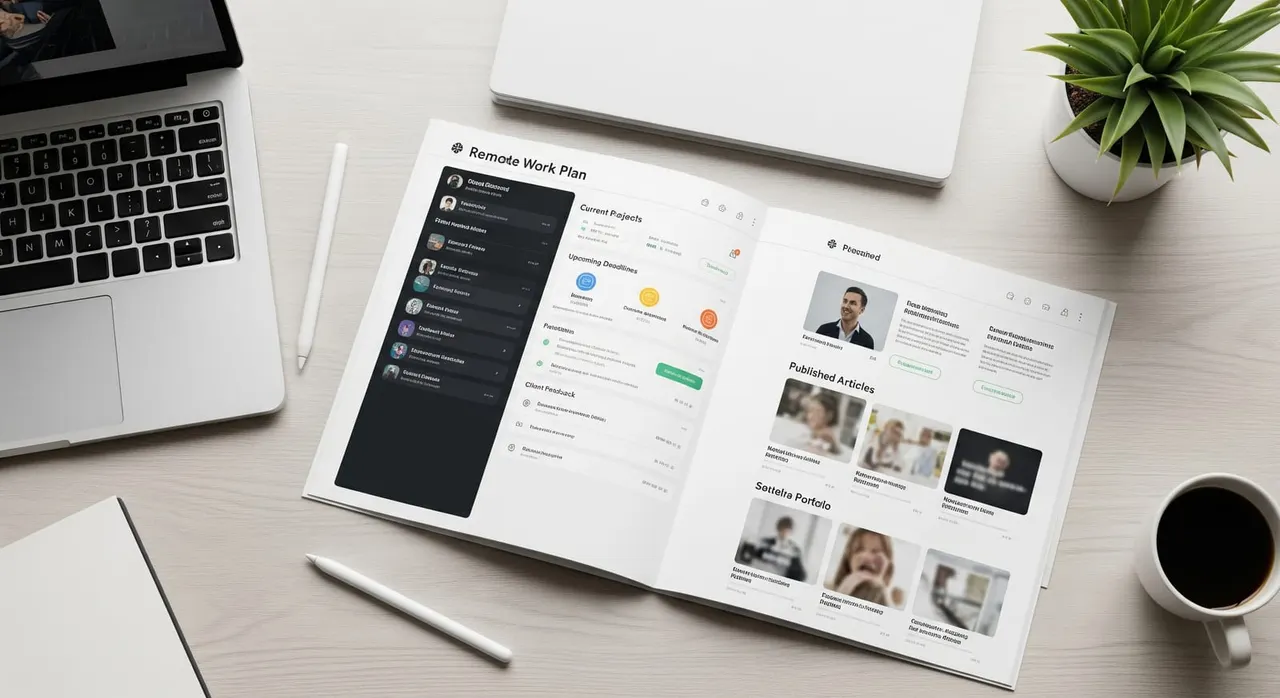
Re-read the embassy email and answer only what it asked: a remote-work plan describing the methods and content of how you work from Thailand, plus a portfolio (or, if you have none, screenshots of your work platform and related work photos). Do not add unrequested documents. Write a one‑to‑two‑page plan covering: who you work for (foreign clients/employer), exactly what you produce, the tools and platforms you use (e.g. company VPN/Slack, GitHub, Upwork, client CMS, design or accounting software), your typical workflow and hours, and how you stay paid by foreign sources while physically in Thailand. If the request names a bilingual format — the China‑office wording asks for it “in Chinese and English” — produce the plan in both languages: an English version and the local‑language version side by side or as consecutive sections in the same PDF. For any office not specifying this, English alone is fine since DTV documents are accepted in Thai or English. Assemble the portfolio: link or embed real, verifiable work — a live website, published articles, client deliverables, a public GitHub/Behance/LinkedIn, or signed client contracts and recent invoices that match the plan. If you genuinely have no portfolio, follow the fallback the email allows: clear desktop screenshots of your actual work platform (logged‑in dashboard, project board, client account, freelancer‑marketplace profile) plus related work photos showing you doing the work. Merge everything into ONE clean, legible PDF (the e‑Visa portal accepts one file per upload slot and PDF/JPEG); name it clearly, e.g. “Remote_Work_Plan_and_Portfolio.pdf”. Cross‑check the plan against the rest of your file so nothing contradicts — same employer/clients, same income source, same job title as your contract, payslips and 500,000 THB (~$15,000) bank evidence. Upload via the same e‑Visa portal application that the request came from, within the deadline stated in the email; reply only with the requested file.
Common mistakes that cause rejection
Treating the plan as a generic cover letter and never actually describing the methods and content of the remote work — which is the specific thing the email asks for. Missing the bilingual instruction — applicants in China have received the request worded “in Chinese and English”, and submitting only one language can prompt a repeat request or refusal. Confusing “portfolio” with “screenshots”: the email asks for a portfolio first and only allows work‑platform screenshots and work photos as a fallback if you have none. Uploading several separate files when the portal takes one file per slot, instead of merging the plan and portfolio into a single clean PDF. Inventing details to look more impressive, creating inconsistencies with the contract, payslips or 500,000 THB (~$15,000) bank evidence that officers cross‑check. Assuming a remote‑work plan is a fixed checklist item — it is a discretionary “Request for Further Document” that the reviewing office may or may not ask for, so it must be answered precisely when it does come.
Frequently asked questions
Do I have to write my DTV remote‑work plan in two languages?
What should the remote‑work plan actually contain?
I don’t have a portfolio — will my application be rejected?
Where and how do I submit the plan?
Does the embassy issue or decide my DTV based on this plan?
Should I add extra documents to be safe?

Get this document right the first time
Let our team prepare and check your response to the embassy — apply from $139, with a 100% refund if denied (with the optional Denial Protection add-on).